
An Everyperson’s Guide to Healing with Everyday Ingredients in Aotearoa New Zealand
You don’t need a specialty herb shop or wild foraging skills to practice herbalism. Some of the most powerful plant medicines are already in your kitchen—sitting in your spice rack, vegetable drawer, and pantry. Kitchen herbalism is about recognising these common ingredients as the healing allies they are.
This guide will show you how to use everyday foods and spices to support your health, address minor ailments, and prevent illness—all with ingredients you can find at any New Zealand supermarket.
What Is Kitchen Herbalism?
Kitchen herbalism is the practice of using common culinary ingredients—spices, herbs, vegetables, and pantry staples—as medicine. It’s the simplest, most accessible form of herbalism because:
- You already have most ingredients at home
- They’re safe and familiar
- They’re part of your daily diet anyway
- No special equipment needed
- Budget-friendly
The Philosophy:
Food and medicine aren’t separate categories. The herbs and spices that flavor your meals also contain powerful medicinal compounds. By using them intentionally, you transform everyday cooking into therapeutic practice.
Historical Context:
This isn’t new age thinking—it’s ancient wisdom found in every culture:
- Traditional Chinese Medicine emphasises food as medicine
- Ayurvedic medicine has detailed dietary therapeutics
- Mediterranean cultures use herbs liberally for health
- Māori traditionally used native foods and plants medicinally
Why Start in the Kitchen?
Accessibility:
- No foraging required
- No uncertainty about identification
- Available year-round
- Already familiar to you
Safety:
- Food-grade quality
- Generally Recognised As Safe (GRAS) in culinary amounts
- Lower risk than concentrated herbal preparations
- You already know if you’re allergic
Integration:
- Becomes part of daily routine
- Preventive rather than reactive
- Whole family can benefit
- Sustainable long-term practice
Cost-Effectiveness:
- Most ingredients cost $2-8 in NZ
- One jar lasts months
- Often cheaper than supplements
- No expensive equipment needed
Why This Matters:
The best herbal medicine is the one you’ll actually use. Kitchen herbalism removes all the barriers—cost, access, complexity—that might prevent you from starting.
Your Essential Kitchen Pharmacy
Let’s explore the seven most powerful healing ingredients readily available in New Zealand supermarkets.
1. Garlic (Allium sativum) 🧄

Cost: $2-4 per bulb (Countdown, New World, Pak’nSave)
Availability: Produce section, year-round
What Makes It Medicinal:
When you crush or chop garlic, an enzyme called alliinase converts alliin (inactive compound) into allicin (active antimicrobial compound). This happens within 10 minutes of crushing.
Key Actions:
- Antimicrobial – Fights bacteria, viruses, and fungi
- Cardiovascular support – Helps lower blood pressure and cholesterol
- Immune support – Enhances white blood cell activity
Traditional Uses:
- Fighting colds and flu
- Preventing infections
- Supporting heart health
- Digestive support
How to Use:
For Acute Infections (Cold/Flu):
- Crush 1-2 raw garlic cloves
- Let sit 10 minutes (activates allicin)
- Mix with honey or food
- Swallow (don’t chew if too intense)
- Repeat 2-3 times daily at first sign of illness
For Prevention:
- Use liberally in cooking (cooked garlic still beneficial, though less potent)
- Add raw to salad dressings
- Make garlic-infused honey (recipe below)
Garlic-Infused Honey:
- Peel and crush 5-6 cloves (approximately 15-20g)
- Place in small jar
- Cover with raw honey
- Let sit 24-48 hours
- Take 1 teaspoon as needed
- Stores 1-2 weeks in fridge (signs it’s gone bad: bubbling/fermentation, off smell, visible mold—when in doubt, discard)
Why This Works: Allicin is a potent antimicrobial that disrupts bacterial cell membranes. Multiple clinical studies show garlic reduces cold frequency and severity.
2. Ginger (Zingiber officinale) 🫚
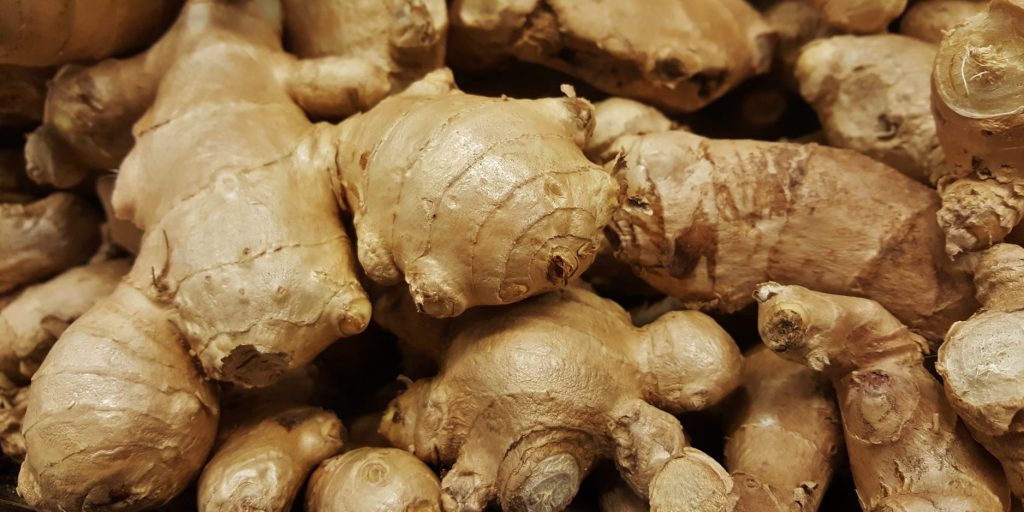
Cost: $3-6 per 100g (produce section)
Availability: Year-round in all supermarkets
What Makes It Medicinal:
Gingerols (in fresh ginger) and shogaols (formed when dried/cooked) are powerful anti-inflammatory and anti-nausea compounds.
Key Actions:
- Anti-nausea – Works for motion sickness, morning sickness, post-operative nausea
- Anti-inflammatory – Reduces pain and inflammation
- Digestive stimulant – Improves digestion, reduces gas
- Circulatory stimulant – Warming, improves circulation
Traditional Uses:
- Nausea and vomiting
- Digestive upset
- Cold/flu symptoms
- Menstrual cramps
- Arthritis pain
- Poor circulation
How to Use:
For Nausea:
- Fresh ginger tea: Slice thumb-sized piece, simmer 10 minutes, sip slowly
- Crystallised ginger: Chew small pieces as needed
- Start immediately when nausea begins – works better early
For Inflammation/Pain:
- Strong tea: Use 2-3 times the normal amount, drink 2-3 cups daily
- In cooking: Use liberally in stir-fries, curries, soups
For Colds:
- Ginger-honey-lemon tea: Grated ginger + honey + lemon juice in hot water
- Drink 3-4 cups daily
Simple Ginger Tea:
- Slice or grate 15-20g fresh ginger (thumb-sized piece)
- Add to 2 cups water
- Simmer 10-15 minutes
- Strain
- Add honey and lemon if desired
Why This Works: Gingerols block serotonin receptors that trigger nausea and inhibit inflammatory enzymes (COX-2). Clinical trials demonstrate ginger is as effective as some pharmaceutical anti-nausea drugs.
3. Turmeric (Curcuma longa) 🫚
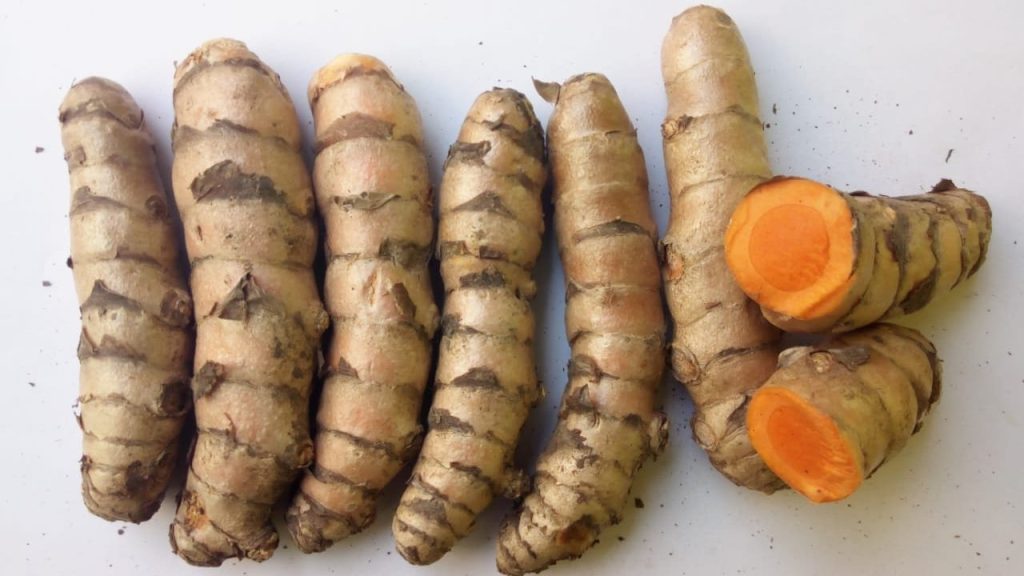
Cost: $2-4 for powder (spice aisle), $4-8 per 100g fresh (produce section)
Availability: All supermarkets
What Makes It Medicinal:
Curcumin, the bright yellow compound in turmeric, is one of the most researched anti-inflammatory plant compounds.
Key Actions:
- Anti-inflammatory – Powerful, backed by extensive research
- Antioxidant – Protects cells from damage
- Joint support – Helps arthritis and joint pain
- Digestive support – Stimulates bile production
Traditional Uses:
- Arthritis and joint pain
- Inflammatory conditions
- Digestive support
- Liver health
- Wound healing (topical)
How to Use:
CRITICAL: Always combine with black pepper!
- Piperine (in black pepper) increases curcumin absorption by up to 2000%
- Without pepper, most curcumin passes through unabsorbed
Golden Milk (Turmeric Latte):
- Heat 1 cup milk (dairy or plant-based)
- Add 1 teaspoon turmeric powder
- Add generous pinch black pepper
- Add 1/4 teaspoon cinnamon
- Add small slice fresh ginger (optional)
- Sweeten with honey
- Drink before bed
In Cooking:
- Add to curries, soups, rice dishes
- Always add black pepper
- Add fat (coconut oil, ghee) for better absorption
For Joint Pain:
- Take daily golden milk for 2-4 weeks to notice effects
- Be consistent—works cumulatively, not immediately
Why This Works: Curcumin inhibits inflammatory enzymes and pathways (COX-2, NF-κB). Systematic reviews and meta-analyses show effectiveness for arthritis comparable to some NSAIDs, without the side effects.
4. Cinnamon (Cinnamomum verum or C. cassia) 🪵
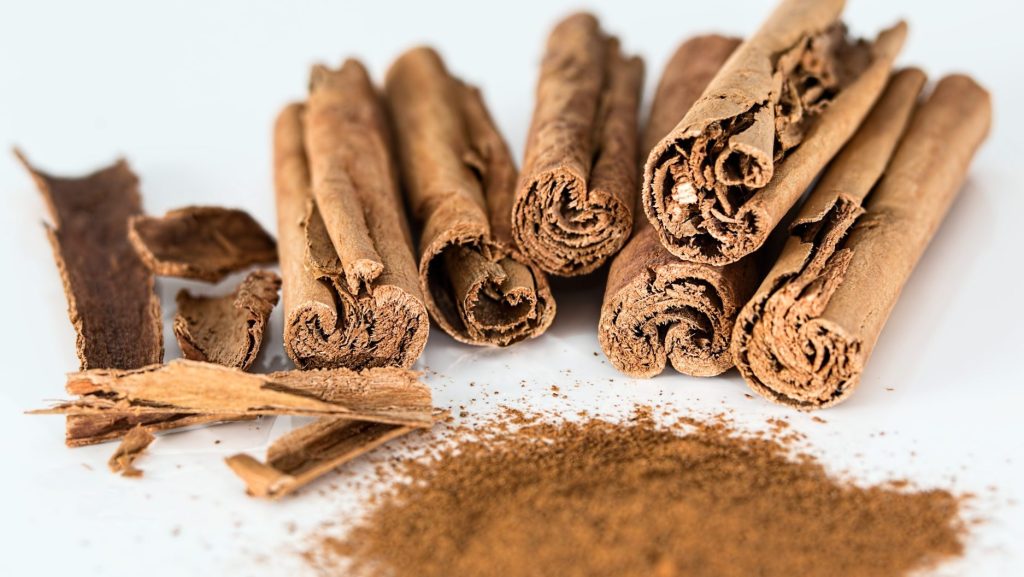
Cost: $2-5 for powder or sticks (spice aisle)
Availability: All supermarkets
What Makes It Medicinal:
Cinnamaldehyde (gives the characteristic flavor) plus polyphenols that affect blood sugar metabolism.
Key Actions:
- Blood sugar support – Improves insulin sensitivity
- Antimicrobial – Antibacterial and antifungal
- Warming circulatory stimulant
- Digestive support
Traditional Uses:
- Blood sugar management (type 2 diabetes)
- Digestive upset
- Colds and flu
- Warming remedy for cold conditions
How to Use:
For Blood Sugar Support:
- Add 1/2 to 1 teaspoon to breakfast (oatmeal, smoothie, yogurt)
- Use daily for consistency
- Speak with doctor if on diabetes medications
Cinnamon Tea:
- Break cinnamon stick into pieces
- Simmer in 2 cups water for 15 minutes
- Add honey if desired
- Drink warm
In Cooking:
- Sprinkle on oatmeal
- Add to coffee or tea
- Use in baking
- Add to savory dishes (curries, tagines)
Why This Works: Cinnamon polyphenols activate insulin receptors and slow carbohydrate breakdown, helping moderate blood sugar spikes after meals.
5. Honey (Raw, Unpasteurised) 🍯

⚠️ CRITICAL SAFETY WARNING: Never give honey to infants under 1 year old due to botulism risk. This is a serious and potentially fatal condition.
Cost: $8-15 per 500g raw honey (health food section or farmers markets)
Availability: Supermarkets, health food stores, markets
What Makes It Medicinal:
Raw honey contains hydrogen peroxide (natural antimicrobial), enzymes, antioxidants, and a unique osmotic effect that inhibits bacteria.
Key Actions:
- Antimicrobial – Antibacterial, antifungal
- Wound healing – Topical application
- Cough suppressant – As effective as over-the-counter syrups
- Soothing demulcent – Coats and protects irritated tissues
Traditional Uses:
- Coughs and sore throats
- Wound healing
- Digestive issues
- Energy and recovery
How to Use:
For Cough/Sore Throat:
- Take 1 teaspoon straight as needed
- Mix with lemon and warm water
- Combine with ginger tea
For Wound Healing:
- Apply thin layer to clean wound
- Cover with bandage
- Change daily
- Only for minor cuts/scrapes
Honey-Lemon Throat Soother:
- Mix 1 tablespoon honey
- Juice of 1/2 lemon
- 1 cup warm water
- Sip slowly
Why This Works: Honey’s thick consistency coats throat tissues, reducing nerve stimulation that triggers cough reflex. Its antimicrobial properties help fight infection. A 2018 Cochrane review found honey as effective as dextromethorphan (common cough medicine ingredient).
NZ Bonus: Mānuka Honey
- Higher antimicrobial activity than regular honey
- Contains methylglyoxal (MGO)
- Expensive but powerful for wounds and infections
- UMF or MGO rating indicates strength
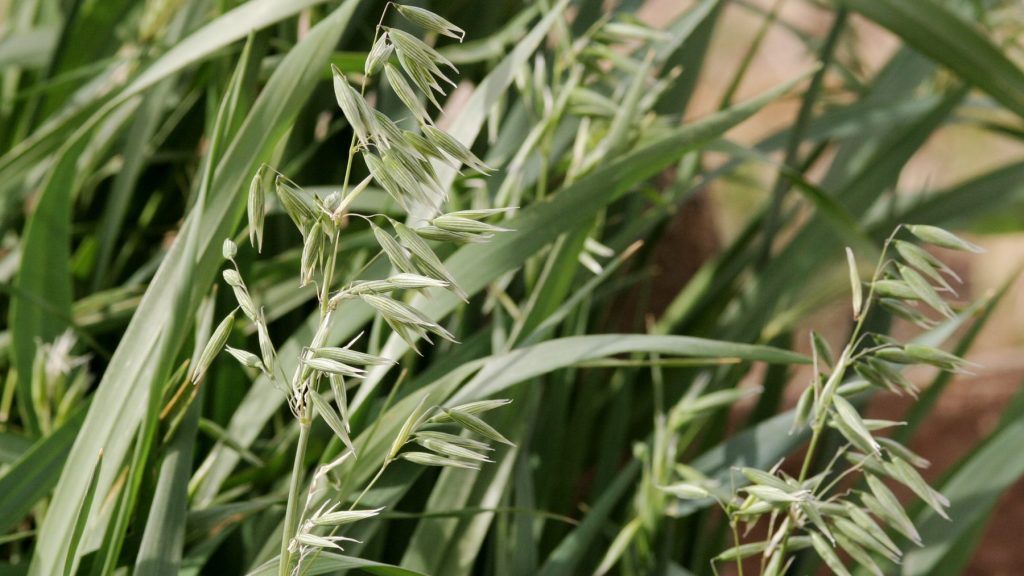
6. Oats (Avena sativa) 🌾
Cost: $3-6 per kg (breakfast aisle)
Availability: All supermarkets
What Makes It Medicinal:
Avenanthramides (unique antioxidants), beta-glucan (soluble fibre), minerals (especially magnesium).
Key Actions:
- Nervine – Calms nervous system
- Nutritive – Provides minerals and B vitamins
- Skin soothing – Anti-inflammatory (topical)
- Digestive support – Soothes gut lining
Traditional Uses:
- Stress and anxiety
- Nervous exhaustion
- Skin irritation (eczema, itching)
- Digestive inflammation
How to Use:
For Stress/Anxiety:
- Eat warm oatmeal for breakfast
- Choose steel-cut or rolled oats (more nutritious than instant)
- The act of eating warm, nourishing food is calming
For Itchy/Irritated Skin:
Oatmeal Bath:
- Grind 1 cup rolled oats in blender to fine powder
- Add to warm (not hot) bath
- Soak 15-20 minutes
- Rinse gently
- Pat dry
For Eczema:
- Make paste: oat powder + water
- Apply to affected areas
- Leave 10-15 minutes
- Rinse
Why This Works: Avenanthramides reduce inflammation and histamine release in skin. The magnesium in oats supports nervous system function and stress response.
7. Apple Cider Vinegar (Raw, With “Mother”) 🍎

Cost: $5-8 per 500ml (health food section)
Availability: Supermarkets, health food stores
What Makes It Medicinal:
Acetic acid (main component), beneficial bacteria and enzymes (in raw versions), minerals extracted from apple.
Key Actions:
- Digestive bitter – Stimulates digestive secretions
- Antimicrobial – Preservative and infection fighter
- Mineral extraction – Pulls minerals from foods
- Blood sugar moderation – Slows gastric emptying
Traditional Uses:
- Digestive support
- Preserving foods
- Extracting minerals from herbs
- Topical for skin issues
How to Use:
For Digestion:
- Mix 1 teaspoon in glass of water
- Drink 15 minutes before meals
- Stimulates stomach acid and enzyme production
Oxymel (Honey-Vinegar Syrup):
- Fill jar halfway with crushed garlic (approximately 50-60g for a 250ml jar)
- Add equal parts apple cider vinegar and honey
- Shake well
- Let sit 24 hours
- Take 1 teaspoon for sore throat or immune support
- Stores 2-3 weeks in fridge (signs it’s gone bad: mold, off smell, separation that won’t re-mix—when in doubt, discard)
For Mineral Extraction:
- Use to make herbal vinegars (covers later)
- Extracts calcium, magnesium from herbs better than water
Why This Works: The acidity stimulates taste receptors that signal digestive organs to produce secretions. Acetic acid also slows glucose absorption, helping moderate blood sugar.
Simple Remedies for Common Issues
For Digestive Upset
Ginger-Peppermint Tea:
- 15g fresh ginger, sliced
- 1 tablespoon dried peppermint (or 1 peppermint tea bag)
- 2 cups water
- Simmer ginger 10 minutes
- Add peppermint, steep 5 minutes
- Strain, drink after meals
Why It Works: Ginger reduces nausea, peppermint relaxes digestive muscles and relieves gas.
Apple Cider Vinegar Digestive Tonic:
- 1 teaspoon apple cider vinegar
- 1 teaspoon honey
- 1 cup warm water
- Drink before meals
Why It Works: Stimulates stomach acid and digestive enzymes.
For Colds and Flu
Fire Cider (NZ-Adapted):
Ingredients:
- 1/2 cup grated fresh ginger
- 1/4 cup grated horseradish (if available, or use extra ginger)
- 1/2 cup chopped onion
- 10 cloves garlic, chopped (approximately 30-35g)
- 2 tablespoons grated turmeric (or 1 tablespoon powder)
- 1/4 teaspoon cayenne pepper
- 1 lemon, sliced
- Raw honey to taste
- Apple cider vinegar to cover
Method:
- Place all ingredients except honey in glass jar
- Cover completely with apple cider vinegar
- Cap tightly
- Shake daily
- Let sit 2-4 weeks
- Strain
- Add honey to taste (roughly equal amount)
- Bottle
Use: Take 1 tablespoon at first sign of cold, 3-4 times daily
Storage: Refrigerate in sealed bottle. Lasts 3-6 months (vinegar preserves it). Signs it’s gone bad: visible mold, fizzing/bubbling, severely off smell.
Why It Works: Combines multiple antimicrobial herbs, warming circulatory stimulants, and immune-supporting ingredients.
NZ Cost: $5-8 for full batch (lasts months)
Honey-Lemon-Ginger Throat Soother:
- 1 tablespoon honey
- Juice of 1/2 lemon
- 1 teaspoon grated fresh ginger
- 1 cup hot water
- Mix and sip slowly
Use: Every 2-3 hours while symptomatic
For Sleep and Relaxation
Chamomile-Honey Milk:
- 1 cup warm milk (dairy or plant-based)
- 1 chamomile tea bag
- 1 teaspoon honey
- Pinch of cinnamon
- Steep tea in warm milk 5 minutes
- Remove tea bag, add honey and cinnamon
- Drink 30 minutes before bed
Why It Works: Chamomile contains apigenin (binds to calming receptors), warm milk has tryptophan (serotonin precursor), nutmeg and cinnamon have mild sedative properties.
For Inflammation and Pain
Turmeric-Ginger Paste:
- 1 tablespoon turmeric powder
- 1 tablespoon fresh ginger, grated
- 1/4 teaspoon black pepper
- 1 tablespoon coconut oil
- Mix to paste
Use:
- Add 1 teaspoon to warm milk or water
- Take 1-2 times daily
- For chronic pain, use consistently for 3-4 weeks
Daily Health Practices
Morning Rituals
Warm Lemon Water:
- Juice of 1/2 lemon
- 1 cup warm water
- Optional: pinch of cayenne or grated ginger
- Drink first thing upon waking
Why: Supports liver function, hydrates, provides vitamin C, gentle digestive wake-up.
Turmeric Tonic:
- 1 teaspoon turmeric
- Pinch black pepper
- 1 teaspoon honey
- 1 cup warm water or milk
Why: Daily anti-inflammatory support, sets tone for day.
With Meals
Digestive Spice Blend:
Mix equal parts:
- Ginger powder
- Cinnamon
- Cardamom
- Fennel seed, ground
Use: Sprinkle on food, add to cooking, or mix 1/4 teaspoon in warm water before meals.
Why: Stimulates digestion, reduces gas, improves nutrient absorption.
Evening Practices
Calming Tea Blend:
- 1 teaspoon chamomile
- 1/2 teaspoon lavender
- 1/2 teaspoon lemon balm (if available)
- Honey to taste
- Steep 10 minutes, drink 1 hour before bed
NZ-Specific Kitchen Herbs
Widely Available in NZ Supermarkets
Fresh Herbs Section:
- Parsley – Rich in vitamin C, iron, chlorophyll
- Coriander (cilantro) – Digestive, antimicrobial, heavy metal chelation
- Mint – Digestive, cooling, headache relief
- Basil – Adaptogenic, digestive, antimicrobial
- Rosemary – Memory, circulation, antimicrobial
- Thyme – Respiratory, antimicrobial, cough relief
Cost: $3-5 per bunch
How to Use: Use fresh in large amounts, make teas, add to meals liberally.
Spice Aisle:
All the spices mentioned above, plus:
- Cardamom – Digestive, warming, aromatic
- Fennel seed – Gas relief, lactation support
- Cloves – Pain relief, antimicrobial, dental
- Star anise – Warming, respiratory, digestive
NZ-Grown When Available
Kawakawa:
- Sometimes available at farmers markets or specialty stores
- Use in tea for digestion
- Cultural respect essential (see safety section)
Feijoa:
- Vitamin C-rich fruit
- Flowers edible
- Leaves can be dried for tea (check identification)
Preparation Techniques
Making Herbal Teas (Infusions)
Hot Infusion (Leaves and Flowers):
- Use 1-2 teaspoons dried herb OR 2-3 teaspoons fresh per cup
- Pour boiling water over
- Cover (keeps volatile oils in)
- Steep 5-15 minutes
- Strain and drink
Examples: Peppermint, chamomile, lemon balm
Decoction (Roots, Seeds, Bark):
- Use 1-2 teaspoons per cup
- Add to cold water
- Bring to simmer
- Simmer 10-20 minutes
- Strain and drink
Examples: Fresh ginger, cinnamon stick, fennel seeds
Making Infused Honey
Method:
- Crush or chop herbs (garlic, ginger, lemon peel)
- Fill small jar 1/3 to 1/2 full
- Cover completely with raw honey
- Cap and let sit 24-48 hours (or up to 2 weeks for stronger)
- Strain or leave herbs in
Use: Take by spoonful, add to tea, use on toast
Storage: 1-2 weeks refrigerated with fresh herbs, longer with dried. Signs it’s gone bad: fermentation/bubbling, mold, off smell—discard if uncertain.
Making Oxymel (Vinegar-Honey Syrup)
Basic Method:
- Chop herbs (garlic, ginger, onion, turmeric)
- Fill jar 1/2 to 2/3 full
- Add equal parts apple cider vinegar and honey
- Shake well
- Let sit 2-4 weeks, shaking daily
- Strain
Use: Take 1 tablespoon as immune tonic, sore throat remedy, or digestive aid
Shelf Life: Several months in fridge (vinegar is preservative). Signs of spoilage: mold, severe separation that won’t re-mix, fizzing/fermentation beyond initial activity.
Making Infused Oil
For External Use:
- Fill jar with dried herbs (never fresh—creates moisture/mold risk)
- Cover completely with olive oil or coconut oil
- Let sit 2-4 weeks in cool, dark place
- Shake daily
- Strain through cheesecloth
Uses: Massage oil, salve base, skin care
Shelf Life: 6-12 months stored properly (cool, dark place). Signs of rancidity: off smell, sticky texture, change in color. Discard if rancid.
Safety & Considerations
General Safety
“Food as Medicine” Principle:
- In culinary amounts, these ingredients are generally safe
- Medicinal amounts are typically 3-5x culinary amounts
- Start with smaller amounts, observe effects
- If you can eat it safely, you can use it medicinally (usually)
Specific Cautions
Garlic:
- Blood thinners: Large amounts may increase bleeding risk (discuss with doctor)
- Surgery: Stop medicinal amounts 1-2 weeks before surgery
- Breastfeeding: Large amounts may affect milk flavor
- GI sensitivity: Can cause heartburn or upset in some people
Ginger:
- Blood thinners: High doses (>4g daily) may increase bleeding risk
- Pregnancy: Generally safe 1-2g daily for nausea; discuss higher amounts with midwife
- Gallstones: Some herbalists suggest caution (weak evidence)
- Heartburn: May worsen in some people, help in others
Turmeric:
- Blood thinners: May increase bleeding risk at high doses
- Gallstones: May stimulate gallbladder (caution if stones present)
- Iron absorption: Large amounts may reduce iron absorption
- Pregnancy: Culinary amounts fine, avoid medicinal doses
Cinnamon:
- Type matters: Ceylon cinnamon (true cinnamon) preferred for medicinal use; Cassia cinnamon contains more coumarin (can affect liver in very large amounts)
- Diabetes medications: May lower blood sugar—monitor if on medications
- Pregnancy: Culinary amounts fine, avoid medicinal doses
Honey:
- Infants under 1 year: NEVER give honey (botulism risk)
- Diabetes: Monitor blood sugar, honey still contains sugar
- Allergies: Some people allergic to bee products
When to Seek Professional Help
See a doctor if:
- Symptoms persist more than 3-5 days
- Symptoms worsen despite treatment
- You have fever above 38.5°C that doesn’t respond to treatment
- You have severe pain
- You have difficulty breathing
- You have any serious underlying condition
- You’re on multiple medications
Kitchen herbalism is for:
- Prevention
- Minor acute issues (colds, mild digestive upset)
- Supporting overall wellness
- Complementing medical care (with doctor’s knowledge)
Kitchen herbalism is NOT for:
- Serious infections
- Chronic diseases requiring monitoring
- Emergency situations
- Replacing prescribed medications
Drug Interactions
Always tell your doctor about:
- Any herbs you’re using medicinally (even kitchen herbs)
- Amounts you’re consuming
- How often you’re using them
Common interactions:
- Blood thinners + garlic, ginger, turmeric (high doses)
- Diabetes medications + cinnamon
- Any medication + large amounts of herbs
Cultural Respect: Kawakawa and Native Plants
If Using Kawakawa:
- Understand it’s a taonga (treasure) to Māori
- Use small amounts respectfully
- Never harvest without permission
- Learn proper cultural protocols
- Consider whether your use is appropriate
- Support Māori-owned businesses when purchasing
General Principle:
When using plants significant to indigenous cultures, approach with humility, respect, and willingness to learn the cultural context.
Getting Started: Your Action Plan
Week 1: Stock Your Kitchen Pharmacy
Supermarket Shopping List:
- [ ] Fresh ginger (100g)
- [ ] Garlic (1-2 bulbs)
- [ ] Turmeric powder
- [ ] Black pepper (essential with turmeric)
- [ ] Cinnamon (sticks or powder)
- [ ] Raw honey (500g)
- [ ] Apple cider vinegar (raw, with mother)
- [ ] Rolled oats
- [ ] Your choice: chamomile tea, peppermint tea, or fresh mint
Total Cost: $25-35 NZD
Will Last: 1-3 months
Week 2: Try Simple Remedies
Each Morning:
- Warm lemon water upon waking
- OR turmeric tonic
Each Evening:
- Calming tea before bed
As Needed:
- Ginger tea for any digestive upset
- Honey for any cough or sore throat
Week 3: Expand Your Practice
Make One Preparation:
- Garlic-infused honey
- OR Fire cider (if feeling ambitious)
- OR Oxymel
Add to Cooking:
- Use garlic more liberally
- Add turmeric + black pepper to one meal daily
- Experiment with warming spices
Week 4: Evaluate and Adjust
Reflect:
- What worked well?
- What didn’t you enjoy?
- What’s realistic for your lifestyle?
- What would you like to explore more?
Adjust:
- Keep what works
- Drop what doesn’t
- Try one new thing
Final Thoughts
Kitchen herbalism is the most accessible form of plant medicine. You’re not foraging unknown plants or buying expensive supplements—you’re using familiar, safe, affordable ingredients you already know.
The power lies in consistency and intention. A daily turmeric tonic, liberal use of garlic and ginger, raw honey for coughs—these simple practices, done regularly, support your body’s natural healing capacity.
Start small. Use what you have. Pay attention to how you feel. Let your kitchen become your first herbal pharmacy.
The most powerful medicine is the kind you’ll actually use. And there’s nothing more accessible than what’s already in your kitchen.
Sources & References
- Bayan, L., Koulivand, P. H., & Gorji, A. (2014). Garlic: a review of potential therapeutic effects. Avicenna Journal of Phytomedicine, 4(1), 1-14.
- Marx, W., et al. (2015). The effect of ginger (Zingiber officinale) on platelet aggregation: A systematic literature review. PLOS ONE, 10(10), e0141119.
- Daily, J. W., Yang, M., & Park, S. (2016). Efficacy of turmeric extracts and curcumin for alleviating the symptoms of joint arthritis: A systematic review and meta-analysis. Journal of Medicinal Food, 19(8), 717-729.
- Hewlings, S. J., & Kalman, D. S. (2017). Curcumin: A review of its effects on human health. Foods, 6(10), 92.
- Singletary, K. (2019). Cinnamon: Update of potential health benefits. Nutrition Today, 54(1), 42-52.
- Oduwole, O., et al. (2018). Honey for acute cough in children. Cochrane Database of Systematic Reviews, (4).
- Carter, D. A., et al. (2016). Therapeutic manuka honey: No longer so alternative. Frontiers in Microbiology, 7, 569.
- Reynertson, K. A., et al. (2015). Anti-inflammatory activities of colloidal oatmeal contribute to the effectiveness of oats in treatment of itch. Journal of Drugs in Dermatology, 14(1), 43-48.
- Johnston, C. S., & Gaas, C. A. (2006). Vinegar: medicinal uses and antiglycemic effect. MedGenMed, 8(2), 61.
- Grieve, M. (1931). A Modern Herbal. Dover Publications.
- Hoffmann, D. (2003). Medical Herbalism: The Science and Practice of Herbal Medicine. Healing Arts Press.
- Green, J. (2007). The Herbal Medicine-Maker’s Handbook. Crossing Press.
- Gladstar, R. (2012). Rosemary Gladstar’s Medicinal Herbs: A Beginner’s Guide. Storey Publishing.
- Riley, M. (1994). Māori Healing and Herbal. Viking Sevenseas NZ.
- New Zealand Food Safety. (2024). Food Regulations and Safety Guidelines. Ministry for Primary Industries. https://www.mpi.govt.nz/food-business/food-safety/food-regulations/. Accessed December 2024.
Disclaimer: This guide is for educational purposes only and is not medical advice. The remedies described are for supporting wellness and addressing minor, self-limiting health complaints, not for treating serious medical conditions. Always consult with a qualified healthcare provider before using herbal remedies, especially if you are pregnant, nursing, taking medications, or have a diagnosed medical condition. If symptoms persist or worsen, seek professional medical care. When using plants with cultural significance to Māori (particularly kawakawa), approach with respect, seek appropriate permissions, and consider whether your use is culturally appropriate. Children under 2 years should not be given herbal preparations without healthcare provider guidance. Never give honey to infants under 1 year old. Individual responses to herbs vary—start with small amounts and observe your body’s response. The author and publisher assume no liability for adverse reactions, injuries, or losses resulting from the use of information in this guide.
Note on Pricing: All prices mentioned in this guide are approximate and based on New Zealand suppliers as of December 2025. Prices vary by supplier, season, and market conditions. We recommend checking current prices with your local suppliers.
 The Public Herbarium