Immune Support: Your Complete Herbal Guide
Natural immune support without suppressing fever (fever = immune response), addresses root resilience not just symptoms, sustainable preventive approach, accessible herbs in NZ, supports body’s natural defences.
Understanding Immune Support
How Immune Herbs Work
Three main approaches:
- Immune modulation: Herbs like astragalus and medicinal mushrooms help balance and regulate immune responses (not just “boosting”)
- Direct antimicrobial action: Herbs like garlic, thyme, and elderberry fight viruses and bacteria directly
- Supportive care: Warming herbs (ginger, cayenne) improve circulation; soothing herbs (marshmallow, licorice) relieve symptoms
Prevention vs. Treatment
Preventative approach (Autumn-Winter):
- Build resilience before illness strikes
- Use gentle, long-term tonics (astragalus, medicinal mushrooms)
- Support overall vitality and stress resilience
- Start in March (NZ autumn) before winter hits
Acute treatment (At first symptoms):
- Act immediately when you feel something coming on
- Use stronger immune stimulants (echinacea, elderberry)
- Increase doses temporarily
- Combine with rest, fluids, warmth
Your Immune Support Toolkit
Preventative Herbs (Use Daily in Autumn/Winter)
1. Garlic (Allium sativum)

Why it’s essential:
One of the most powerful antimicrobial herbs available — effective against bacteria, viruses, and fungi. Garlic has been used for thousands of years to prevent and treat infections.
What it does:
- Broad-spectrum antimicrobial (kills multiple types of pathogens)
- Supports white blood cell production
- Anti-inflammatory
- Supports cardiovascular health (bonus!)
- Warming and circulatory stimulant
How to use for immune support:
Raw is best:
- Crush 1-2 cloves fresh garlic
- Let sit 10 minutes (activates allicin, the main active compound)
- Swallow with honey or mix into food (cooking destroys some benefits)
- Daily during cold/flu season
If raw is too intense:
- Mince into salad dressings
- Add to food after cooking (minimal heat)
- Make garlic honey: Cover crushed garlic with honey, steep 2 weeks, take 1 teaspoon daily
Dosage:
- Prevention: 1-2 raw cloves daily
- At first symptoms: 3-4 cloves daily
- Aged garlic extract: Follow product instructions
Taste: Pungent, hot, strong. Honey helps!
Cost (NZ): Fresh garlic $2-4/head (supermarkets)
Important: Garlic breath is real! Chewing fresh parsley helps. Avoid if on blood thinners (garlic has mild blood-thinning effects).
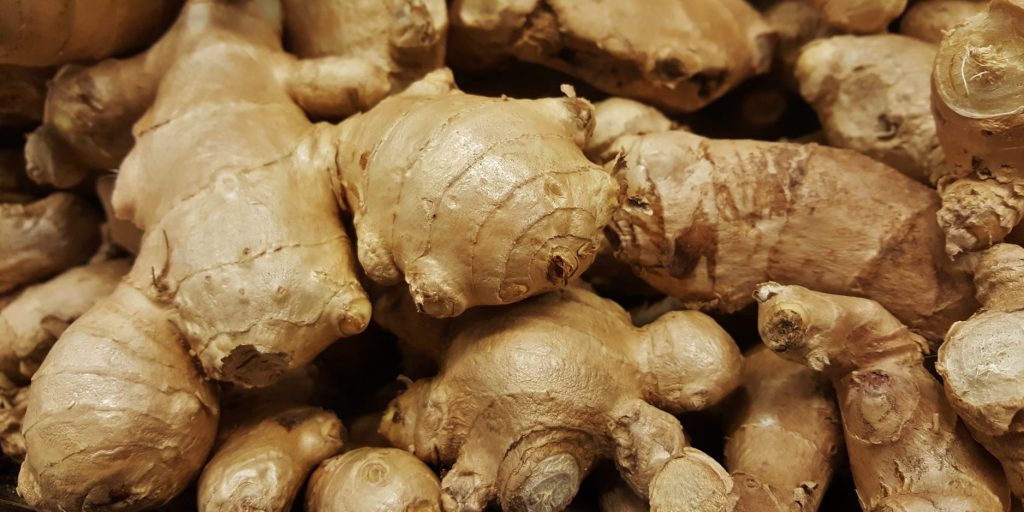
2. Ginger (Zingiber officinale)
Why it helps:
Ginger isn’t just for nausea — it’s a powerful immune ally. As a warming circulatory stimulant, it “drives” other herbs where they’re needed and supports the body’s fever response (fever is part of immune defence).
What it does:
- Warming and stimulating (increases circulation)
- Anti-inflammatory
- Mild antimicrobial
- Helps other herbs work better (synergist)
- Soothes sore throats
- Reduces chills
How to use:
Fresh Ginger Tea (best method):
- Slice 3-5cm piece fresh ginger (no need to peel — skin has benefits)
- Simmer in 2 cups water for 10-15 minutes
- Add lemon and honey
- Drink 2-3 cups daily
At first sign of illness:
- Increase to 4-6 cups daily
- Make it strong (more ginger)
- Drink hot to promote sweating
In food:
- Add liberally to soups, stir-fries, curries
- Grate into smoothies
- Make ginger honey (grated ginger + honey, steep 2 weeks)
With other herbs:
- Add to any immune tea blend
- Enhances effects of elderberry, echinacea, thyme
Cost (NZ): Fresh ginger $3-6/100g (supermarkets); dried powder $5-10/100g
Safety: Very safe. Avoid very high doses with blood thinners.
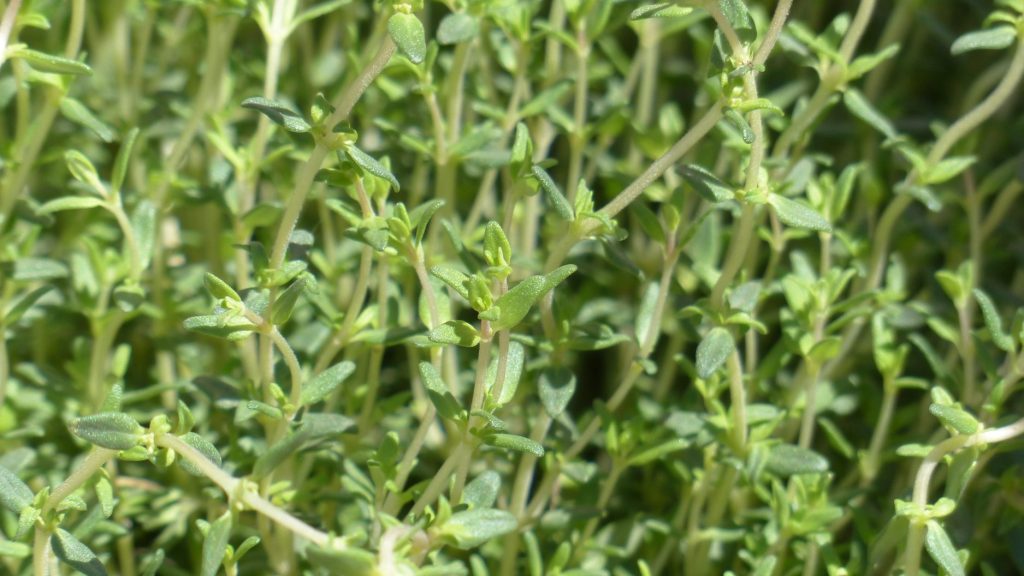
3. Thyme (Thymus vulgaris)
Why it’s powerful:
Thyme is one of the strongest antimicrobial herbs, particularly for respiratory infections. Excellent for coughs, sore throats, and chest congestion.
What it does:
- Powerful antimicrobial (bacteria and viruses)
- Expectorant (helps expel mucus)
- Antispasmodic (reduces coughing)
- Anti-inflammatory
- Specific for respiratory system
How to use:
Strong Thyme Tea:
- Use 2-3 teaspoons dried thyme (or large handful fresh)
- Pour over 1 cup boiling water
- Cover and steep 10-15 minutes (keeps essential oils in)
- Strain, add honey
- Drink 3-4 cups daily when ill
Thyme Honey Syrup:
- Fill jar with fresh thyme
- Cover with honey
- Steep 2-4 weeks, strain
- Take 1 teaspoon every 2-3 hours for coughs
Steam inhalation:
- Add handful thyme to bowl of hot water
- Lean over, cover head with towel
- Breathe deeply for 5-10 minutes
- Excellent for congestion and sinus issues
Cost (NZ): Dried thyme $8-12/50g; fresh from garden (easy to grow!)
Safety: Very safe. Culinary herb safe for children in normal amounts.
Acute Illness Herbs (Use at First Symptoms)
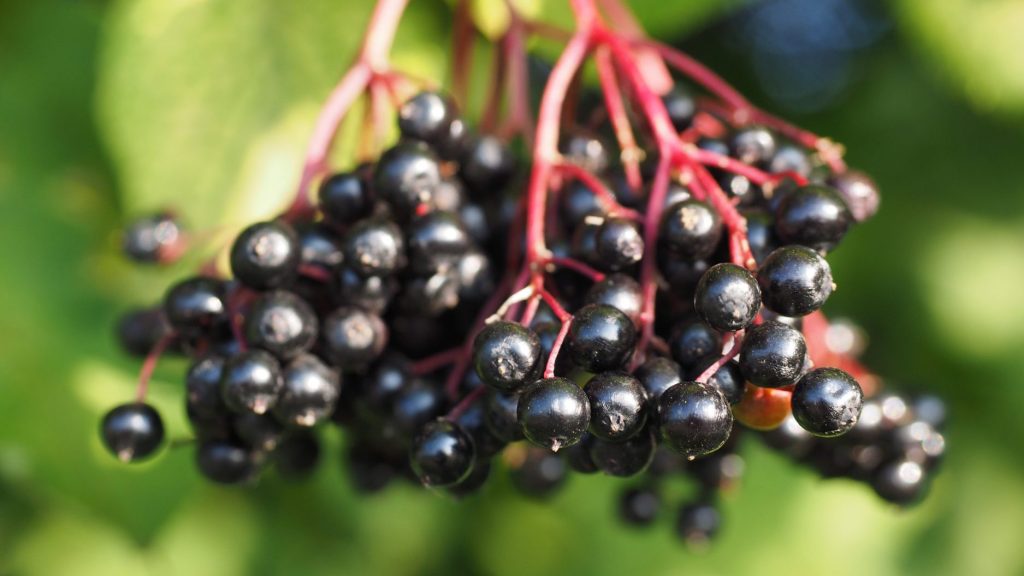
4. Elderberry (Sambucus nigra)
Why it works:
Elderberry has strong scientific backing for reducing flu duration and severity. The compounds in elderberry actually prevent viruses from entering cells and replicating.
What it does:
- Antiviral (particularly influenza, also common cold viruses)
- Prevents virus from attaching to cells
- Reduces symptom duration (clinical trials show 2-4 days shorter)
- Immune-modulating (helps regulate immune response)
- Rich in antioxidants
The science: Elderberry’s anthocyanins (purple pigments) block the viral hemagglutinin spikes that flu viruses use to enter cells. Studies show it works at multiple stages of infection.
How to use:
Elderberry Syrup (make ahead for winter):
Ingredients:
- 1 cup dried elderberries
- 4 cups water
- 1 cup honey
- Optional: 2 cinnamon sticks, few slices ginger
Method:
- Combine elderberries, water, and spices in pot
- Bring to boil, reduce heat, simmer 30-45 minutes until reduced by half
- Strain, pressing berries well
- Cool to lukewarm, stir in honey
- Store in fridge (keeps 2-3 months)
Dosage:
- Adults: 1 tablespoon daily (prevention), 1 tablespoon 3-4 times daily (illness)
- Children (over 1 year): 1 teaspoon daily (prevention), 1 teaspoon 3-4 times daily (illness)
Commercial products:
- Look for standardised elderberry extract
- Check anthocyanin content (higher is better)
- Common NZ brands: Good Health, Thompson’s, Kiwiherb
When to take: At very first sign of symptoms. Earlier is better.
Cost (NZ):
- Dried elderberries: $15-25/100g
- Commercial syrup: $20-35/bottle
- Homemade more cost-effective
Safety: Very safe. Don’t use raw elderberries (can cause nausea). Cooked/dried are safe.
5. Echinacea (Echinacea purpurea, E. angustifolia)
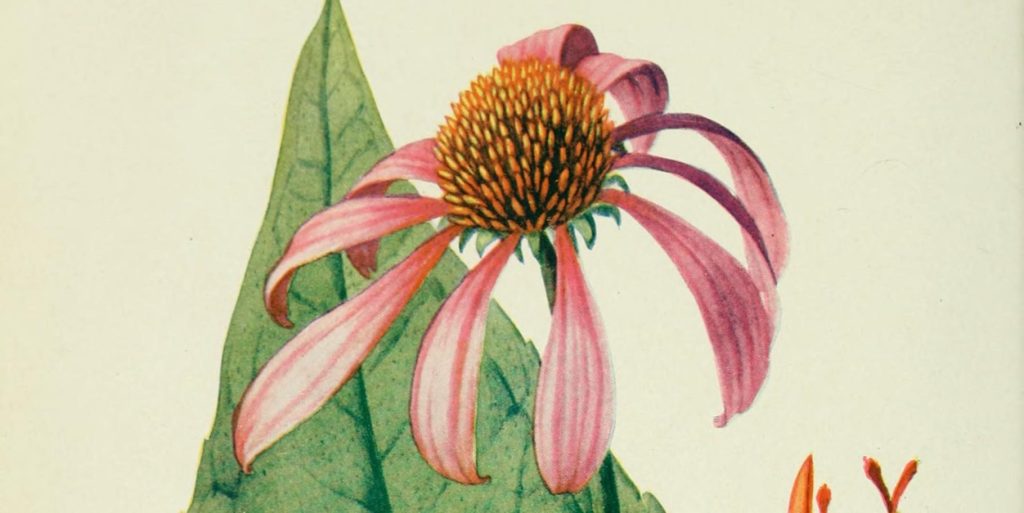
Why it helps:
Echinacea stimulates immune cell activity, particularly at the onset of illness. Most effective when used at the first sign of symptoms.
What it does:
- Increases white blood cell activity
- Enhances phagocytosis (immune cells “eating” pathogens)
- Stimulates cytokine production (immune signaling)
- Mild antiviral properties
- Reduces symptom duration
How to use:
Timing is critical: Echinacea works best in the first 24-48 hours of symptoms. After that, benefits diminish.
Tincture (most effective):
- 2-4ml every 2-3 hours at symptom onset
- Continue 5-10 days
- Then stop (don’t use long-term)
Tea:
- 1-2 teaspoons dried root or herb
- Steep 10-15 minutes
- 3-5 cups daily
Tablets/capsules:
- Follow product instructions
- Look for standardised extracts
Important cycling: Use only when needed (at illness onset) or for short prevention periods (2 weeks on, 1 week off). Don’t use continuously long-term.
Which species:
- E. purpurea (purple coneflower): Most researched
- E. angustifolia: Traditional, strong
- Both effective; combination products common
Cost (NZ):
- Dried herb: $12-20/50g
- Tincture: $15-30/50ml
- Tablets: $15-40 depending on brand
Safety: Generally safe. May aggravate autoimmune conditions (consult doctor). Rare allergic reactions in people allergic to daisies/ragweed.
Supporting Players
6. Manuka Honey
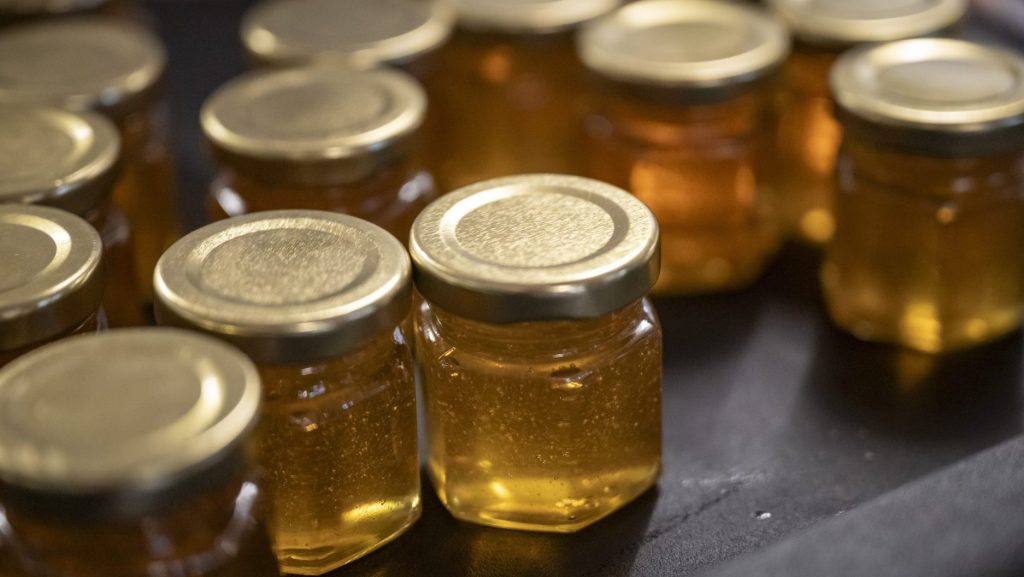
Why it’s special (and why it’s uniquely NZ!):
Not just any honey — Manuka honey has unique antibacterial properties thanks to methylglyoxal (MGO), found only in NZ Manuka.
How to use:
- Take 1 teaspoon neat for sore throat
- Add to herbal teas
- Mix with lemon and ginger
- Look for UMF 10+ or MGO 100+ for therapeutic use
Cost (NZ): $20-60+ depending on UMF rating
7. Lemon
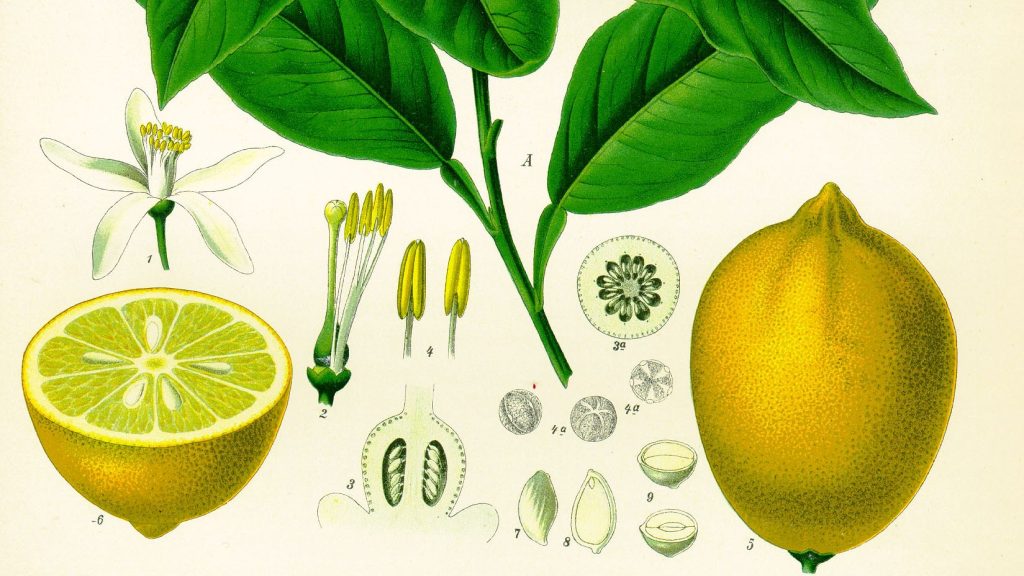
Why it helps:
- High vitamin C (supports immune function)
- Alkalising despite being acidic
- Refreshing, makes herbs more palatable
How to use:
- Add to all immune teas
- Hot water with lemon and honey in morning
- Lemon and ginger tea throughout day
Simple Immune Formulas
1. “Fire Cider” – Immune Tonic
A traditional immune tonic that’s spicy, warming, and effective
Ingredients:
- 1/2 cup grated horseradish root (or use extra ginger if unavailable)
- 1/2 cup grated fresh ginger
- 1 onion, chopped
- 10 cloves garlic, crushed
- 1-2 chili peppers, chopped (seeds too for extra heat)
- Zest and juice of 1 lemon
- Raw apple cider vinegar (enough to cover)
- Raw honey (added after straining)
Method:
- Place all solid ingredients in quart jar
- Cover completely with apple cider vinegar
- Seal and shake
- Store in dark place 4-6 weeks, shaking daily
- Strain through cheesecloth, squeezing well
- Add honey to taste (1:1 ratio honey to strained liquid)
- Store in fridge
How to use:
- Prevention: 1 tablespoon daily (straight or diluted in water)
- Illness: 1 tablespoon 3-4 times daily
- Gargle for sore throat
Why it works: Combines antimicrobial herbs (garlic, onion, horseradish), warming circulatory stimulants (ginger, chili), and vitamin C (lemon). Vinegar extracts compounds and preserves.
2. “Immunity Tea” – Daily Winter Blend
Gentle enough for daily use, effective for prevention
Ingredients:
- 2 parts thyme
- 1 part elderflower (or elderberries)
- 1 part rosehip
- 1/2 part ginger
Method:
- Mix dried herbs, store in airtight jar
- Use 1-2 tablespoons per cup
- Steep 10-15 minutes, covered
- Drink 1-3 cups daily during cold/flu season
Why it works: Thyme (antimicrobial), elderflower (immune support, antiviral), rosehip (vitamin C), ginger (warming, synergist)
3. “First defence” – Acute Illness Formula
Use at first sign of symptoms
Ingredients:
- Elderberry syrup: 1 tablespoon
- Echinacea tincture: 2-4ml
- Fresh ginger tea: 1 cup hot
- Lemon juice: from 1/2 lemon
- Manuka honey: 1 teaspoon
- Crushed garlic: 1 clove
Method:
- Make strong ginger tea
- Add elderberry syrup, echinacea tincture, lemon juice, honey
- Swallow crushed garlic separately (or brave it in the tea!)
- Drink immediately
Frequency: Every 2-3 hours for first day, then 3-4 times daily
Why it works: Combines antiviral (elderberry), immune stimulant (echinacea), antimicrobial (garlic), warming (ginger), soothing (honey). Hits illness from multiple angles.
Lifestyle Integration
Seasonal Immune Planning (NZ)
Autumn (March-May):
- Begin preventative herbs (start fire cider, make elderberry syrup)
- Increase garlic in cooking
- Start daily immunity tea
- Harvest and dry summer herbs
Winter (June-August):
- Continue daily immune support
- Fire cider daily (1 tablespoon)
- Keep elderberry syrup and echinacea on hand
- Hot ginger tea throughout day
- At first symptoms: Activate acute protocol immediately
Spring (September-November):
- Continue support until weather warms consistently
- Transition to lighter herbs
- Replenish supplies for next winter
Summer (December-February):
- Grow and harvest immune herbs (thyme, echinacea, lemon balm)
- Dry herbs for winter
- Make fire cider for next year
- Enjoy good health!
Stress and Immunity Connection
Chronic stress suppresses immune function. Supporting stress resilience supports immunity.
Adaptogenic support:
- Tulsi (holy basil): Daily tea, 2-3 cups
- Ashwagandha: Helps modulate stress response
- Lemon balm: Calming, antiviral bonus
See Energy & Focus guide for complete stress/adaptogen information
Sleep and Immunity
Poor sleep = weakened immunity. 7-9 hours essential for immune function.
Herbal sleep support:
- Chamomile tea before bed
- Lemon balm
- Passionflower (if needed)
See Sleep & Relaxation guide for complete information
What to Do When You’re Sick
Immediate actions (first 24 hours):
- Rest. This is not optional. Your immune system needs energy to fight.
- Fluids. 2-3 litres daily. Hot ginger-lemon tea, bone broth, water.
- Acute herbal protocol:
- Elderberry syrup: 1 tablespoon every 3-4 hours – Echinacea tincture: 2-4ml every 2-3 hours – Raw garlic: 3-4 cloves throughout day – Ginger tea: 4-6 cups daily (hot, promotes sweating)
- Symptom-specific additions:
- Sore throat: Thyme honey syrup, gargle with thyme tea or fire cider – Congestion: Steam inhalations with thyme, drink mullein tea – Cough: Thyme honey syrup, licorice tea (if no high blood pressure) – Chills: Warm ginger-cayenne tea, hot bath, bundle up
- Warmth. Keep warm. Light fever (under 39°C) helps fight infection.
Days 2-5:
- Continue acute protocol
- Increase rest
- Light, nourishing food (soups, broths)
- Continue fluids
Recovery (Days 6+):
- Reduce acute herbs gradually
- Return to preventative dose
- Rebuild with nourishing herbs (nettle infusion)
- Don’t rush back to full activity
When to See a Doctor
Immune herbs are supportive care, not medicine. See a doctor for:
- High fever (above 39°C or lasting more than 2 days)
- Difficulty breathing, chest pain, wheezing
- Severe headache, stiff neck
- Persistent vomiting or diarrhea
- Symptoms lasting more than 10 days
- Symptoms improving then suddenly worsening
- Any concerning or severe symptoms
- Underlying health conditions (diabetes, heart disease, lung disease)
- You take immunosuppressant medications
- Pregnancy/breastfeeding (check which herbs are safe)
Antibiotics note: Antibiotics treat bacterial infections, not viral (cold/flu are viral). Don’t pressure doctors for antibiotics for viral illnesses.
Children and Immune Herbs
General guidelines:
Safe for children:
- Garlic (in food)
- Ginger (mild tea)
- Thyme (tea, honey)
- Elderberry (over 1 year)
- Lemon balm
- Chamomile
Dosage: Generally 1/4 to 1/2 adult dose depending on age/size
Avoid:
- Honey under 1 year (botulism risk)
- Very hot/spicy preparations
- Echinacea under 2 years (some sources say safe, others advise caution)
Always: Check with pediatrician before giving herbs to children, especially under 2 years.
NZ Sourcing
Fresh herbs (Supermarkets):
- Garlic: $2-4/head
- Ginger: $3-6/100g
- Lemons: $1-2 each
- Fresh thyme: $3-5/bunch
Dried herbs (Health food stores, online):
- Lotus Oils NZ: Comprehensive selection
- Cottage Hill Herbs
- Herbshop NZ
- Bin Inn (some herbs)
Commercial products:
- Elderberry syrup: Kiwiherb, Good Health, Thompson’s
- Echinacea: Multiple brands, look for standardised extracts
- Manuka honey: UMF 10+ minimum for therapeutic use
Growing your own:
- Thyme: Perennial, easy, $5-10/plant
- Echinacea: Perennial, beautiful, $10-15/plant
- Lemon balm: Spreads readily, $5-10/plant
Summary: Your Immune Action Plan
Starting now (any time of year):
- Learn the basics (this guide!)
- Stock your immune toolkit (garlic, ginger, elderberry syrup, echinacea)
- Make fire cider (4-6 weeks, so start now for winter)
Autumn (March-May):
- Begin daily preventative herbs
- Make elderberry syrup if you haven’t
- Increase garlic in cooking
- Daily immunity tea
Winter (June-August):
- Continue prevention
- Fire cider daily
- At FIRST symptom: Immediate acute protocol
- Rest, fluids, warmth
All year:
- Manage stress (adaptogens)
- Prioritize sleep (7-9 hours)
- Eat well (lots of vegetables!)
- Moderate exercise
- Wash hands frequently
Remember:
- Prevention is easier than treatment
- Act immediately at first symptoms
- These herbs support but don’t replace medical care
- Listen to your body
- When in doubt, see a doctor
Your immune system is incredibly sophisticated. These herbs give it the support it needs to do its job effectively.
Budget-Friendly Immune Support
Low-cost daily support ($3-10/month):
- Garlic (fresh): $4-8/bulb = 1-2 weeks, highly effective
- Ginger (fresh): $3-6/100g, antimicrobial/warming
- Thyme (garden): FREE, antimicrobial/respiratory
- Rosemary (garden): FREE, antioxidant/circulation
- Elderberries (foraged March-May): FREE, antiviral
Total: $7-14/month (less if growing herbs/foraging)
Free immune herbs:
- Garden: Thyme, rosemary, sage, oregano (all antimicrobial)
- Foraged: Elderberries (make syrup), nettle (minerals), dandelion (liver support)
- Kitchen: Garlic, onions, ginger
Seasonal immune prep (budget):
- Fire cider (make once, $20-30, lasts all winter): Garlic, ginger, horseradish, onions, cayenne in apple cider vinegar
- Elderberry syrup (foraged berries + sugar): $3-5 per batch, lasts 2-3 months
Specific support:
- Cold/flu onset: Garlic (raw or cooked) + ginger tea = $1-2
- Respiratory infection: Thyme tea + steam inhalation = FREE
- Prevention: Daily garlic in food = $2-4/week
NZ budget note: Echinacea expensive ($15-25/50g). Garlic provides comparable immune support for $4-8/bulb (lasts 1-2 weeks). Elderberries forageable throughout NZ.
Emergency immune support (free/low-cost):
- Raw garlic (crush, wait 10min, swallow with honey)
- Ginger + lemon + honey tea
- Thyme steam inhalation for respiratory infections
References
Block, K.I., & Mead, M.N. (2003). Immune system effects of echinacea, ginseng, and astragalus. Integrative Cancer Therapies, 2(3), 247-267.
Bone, K., & Mills, S. (2013). Principles and practice of phytotherapy: Modern herbal medicine (2nd ed.). Churchill Livingstone.
Chevallier, A. (2016). Encyclopedia of herbal medicine (3rd ed.). Dorling Kindersley.
Hawkins, J., et al. (2019). Black elderberry (Sambucus nigra) supplementation effectively treats upper respiratory symptoms. Complementary Therapies in Medicine, 42, 361-365.
Torabian, G., et al. (2019). Anti-influenza activity of elderberry (Sambucus nigra). Journal of Functional Foods, 54, 353-361.
Zakay-Rones, Z., et al. (2004). Randomised study of the efficacy and safety of oral elderberry extract in the treatment of influenza A and B virus infections. Journal of International Medical Research, 32(2), 132-140.
Disclaimer: Does not represent rongoā Māori methods. For rongoā knowledge, consult Te Paepae Motuhake.
Medical Disclaimer: This guide is for educational purposes only and is not medical advice. Immune herbs support wellness but do not replace professional healthcare. Consult qualified healthcare practitioners, especially if pregnant, nursing, taking medications, having medical conditions, or treating children.
Note on Pricing: All prices mentioned in this guide are approximate and based on New Zealand suppliers as of December 2025. Prices vary by supplier, season, and market conditions. We recommend checking current prices with your local suppliers.
 The Public Herbarium