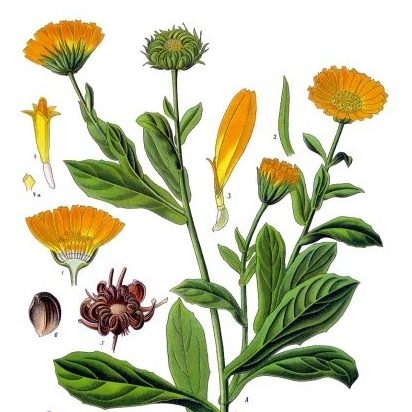
Wound Healing Physiology, Antimicrobial Mechanisms, and Emergency Phytotherapy
CRITICAL: This guide addresses MINOR injuries only. Seek immediate emergency medical care for serious injuries.
Why This Matters: Immediate natural remedies for minor injuries, complements (not replaces) conventional first aid, accessible FREE herbs, empowering home care, reduces need for minor medical visits.
Table of Contents
- Wound Healing Physiology Review
- Plantain: Drawing & Antimicrobial Mechanisms
- Calendula: Regenerative Pharmacology
- Arnica: Anti-Inflammatory & Anti-Bruising Science
- Honey: Medical-Grade Antimicrobial Properties
- Clinical Protocols for Common First Aid Situations
Wound Healing Physiology Review
The Four Phases of Cutaneous Wound Healing
This review provides essential context for understanding how herbal interventions support natural healing processes. For comprehensive wound healing physiology, see the Skin Health Deep Dive guide.
Phase 1: Hemostasis (Minutes to hours)
- Vasoconstriction
- Platelet activation and aggregation
- Fibrin clot formation
- Growth factor release (PDGF, TGF-β, VEGF)
Phase 2: Inflammation (Hours to 3-5 days)
- Neutrophil infiltration (hours)
- Macrophage infiltration (days 2-3)
- Phagocytosis of bacteria and debris
- Cytokine secretion (IL-1, IL-6, TNF-α)
- Transition to proliferation
Phase 3: Proliferation (Days 4-21)
- Granulation tissue formation
- Angiogenesis (new blood vessel formation)
- Re-epithelialisation (keratinocyte migration and proliferation)
- Wound contraction (myofibroblasts)
Phase 4: Remodeling (Weeks to months/years)
- Collagen reorganisation (type III → type I)
- Decreased cellularity and vascularity
- Scar maturation
- Increased tensile strength (maximum ~80% of unwounded skin)
Key Cellular Players in Wound Healing
Platelets:
- Release growth factors initiating cascade
- Form provisional matrix for cell migration
Neutrophils:
- First responders (within hours)
- Phagocytose bacteria
- Release ROS and proteases
- Short-lived (24-48 hours)
Macrophages:
- Arrive days 2-3
- More efficient phagocytosis
- Produce growth factors (critical for progression to proliferation)
- Regulate inflammation resolution
Fibroblasts:
- Synthesise ECM (collagen, fibronectin, proteoglycans)
- Differentiate to myofibroblasts (contraction)
- Remodel scar tissue
Keratinocytes:
- Migrate across wound bed
- Proliferate to restore epithelial coverage
- Secrete basement membrane components
- Return to normal differentiation once coverage complete
Factors That Impair Healing
Local:
- Infection/bioburden
- Ischemia (poor blood flow)
- Excessive moisture or desiccation
- Foreign bodies
- Mechanical trauma/pressure
Systemic:
- Age (elderly heal slower)
- Malnutrition (protein, vitamins C/A, zinc deficiency)
- Diabetes (impaired immune function, microvascular disease)
- Smoking (vasoconstriction, hypoxia)
- Chronic disease (renal, hepatic, cardiovascular)
- Medications (corticosteroids, immunosuppressants)
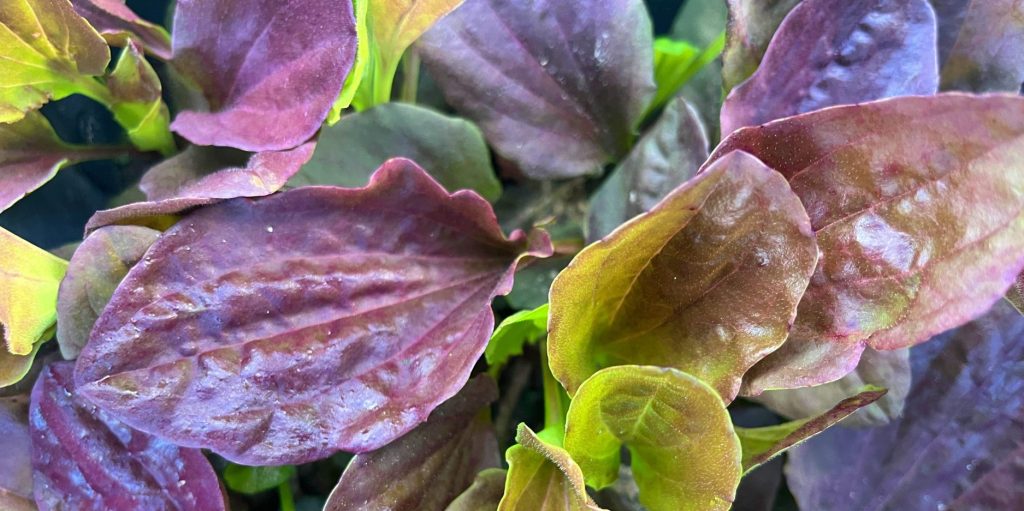
Plantain: Drawing & Antimicrobial Mechanisms


Botanical Profile
Species: Plantago major (broadleaf), P. lanceolata (narrowleaf)
Family: Plantaginaceae
Parts used: Fresh leaves (primary), dried leaves (less potent), seeds
Phytochemical Constituents
Iridoid Glycosides:
Aucubin (most abundant):
- Structure: Monoterpene lactone with glucose moiety
- Content: 0.3-2.5% in fresh leaves, varies by species and season
- Properties: Antimicrobial, anti-inflammatory, hepatoprotective
Catalpol:
- Related iridoid
- Neuroprotective, anti-inflammatory
Mechanism of aucubin antimicrobial activity:
- Aucubin is enzymatically hydrolysed to aucubigenin
- Aucubigenin disrupts bacterial cell walls
- Particularly effective against Gram-positive bacteria (Staphylococcus aureus, Streptococcus species)
Mucilage (Polysaccharides):
Content: 2-6% depending on part (highest in seeds)
Structure:
- Arabinoxylans
- Galacturonorhamnan
- Complex heteropolysaccharides
Properties:
- Hydrophilic (absorb water, form gel)
- Demulcent (soothing, protective film)
- Hygroscopic (draw fluid to wound surface)
Mechanism in wound care:
- Forms protective hydrocolloid layer over wound
- Maintains moist wound environment (essential for optimal healing)
- Prevents desiccation of exposed tissues
- Creates physical barrier against contaminants
Tannins:
Type: Hydrolysable tannins (gallotannins)
Content: 2-6%
Properties:
- Astringent (precipitate proteins)
- Antimicrobial
- Hemostatic (promotes clotting)
Mechanism:
- Bind to proteins in damaged tissue creating tighter barrier
- Vasoconstriction (reduces bleeding)
- Cross-link collagen (strengthen tissue)
Allantoin:
Content: 0.1-0.3%
Properties:
- Promotes cell proliferation (mitogenic)
- Keratolytic (removes dead tissue – debridement)
- Wound healing
Mechanism:
- Stimulates fibroblast and keratinocyte proliferation
- Increases granulation tissue formation
- Accelerates epithelialisation
Flavonoids:
Major compounds:
- Apigenin
- Luteolin
- Baicalein
Properties:
- Antioxidant
- Anti-inflammatory
- Antimicrobial
Clinical Actions & Mechanisms
1. Drawing/Extracting Action (“Vulnerary Drawing”)
Traditional use: Splinters, venom, foreign material
Proposed mechanisms:
A. Osmotic gradient:
- Mucilage is hygroscopic (attracts water)
- Creates osmotic gradient drawing fluid FROM deeper tissues TO surface
- Fluid carries dissolved materials, debris, toxins
- Particularly effective for water-soluble toxins (insect venom)
B. Enhanced lymphatic drainage:
- Mild irritation from iridoids may increase local lymphatic capillary permeability
- Enhanced uptake of tissue fluid into lymphatics
- Accelerated clearance of debris and inflammatory mediators
C. Anti-inflammatory reduction of edema:
- Reduced tissue swelling allows better visualisation of foreign bodies
- May facilitate natural extrusion of superficial splinters
Evidence: Primarily traditional/empirical. Mechanism plausible based on constituent properties but lacking direct research.
2. Anti-Inflammatory
Mechanisms:
Aucubin:
- Inhibits NF-κB pathway (reduces pro-inflammatory cytokine production)
- Reduces TNF-α, IL-1β, IL-6
- Inhibits COX-2 (cyclooxygenase-2) expression
- Reduces prostaglandin production
Flavonoids:
- Scavenge reactive oxygen species (antioxidant)
- Inhibit inflammatory enzymes
- stabilise mast cells (reduce histamine release)
Clinical manifestation: Rapid reduction in pain, redness, swelling from insect bites/stings
3. Antimicrobial
Spectrum:
- Gram-positive bacteria: S. aureus, Streptococcus spp. (strong activity)
- Gram-negative bacteria: E. coli, Pseudomonas (moderate activity)
- Some antifungal activity
Mechanisms:
- Aucubigenin disrupts bacterial cell wall synthesis
- Tannins precipitate bacterial proteins, disrupt membranes
- Flavonoids interfere with bacterial enzyme function
Clinical relevance: Prevents infection in minor wounds
4. Antihistaminic
Mechanism: Flavonoids inhibit mast cell degranulation and histamine release
Clinical manifestation: Rapid relief of itching from insect bites, allergic reactions
Preparation Considerations
Fresh vs. Dried:
Fresh (optimal for first aid):
- Maximum aucubin content
- Enzyme present to convert aucubin → aucubigenin (active antimicrobial)
- Mucilage fully hydrated
- Traditional “spit poultice” method activates compounds
Dried:
- Reduced aucubin (degrades over time)
- Enzymes inactivated
- Still contains tannins, flavonoids, some mucilage
- Less potent but acceptable when fresh unavailable
Tincture (alcohol extraction):
- Extracts iridoids, flavonoids, some tannins
- Does NOT extract mucilage (water-soluble polysaccharide)
- Convenient, shelf-stable
- Good for antimicrobial/anti-inflammatory actions
- Less effective for drawing/demulcent actions
Clinical Protocol: Insect Sting
Immediate (within seconds-minutes):
- Remove stinger if present (scrape, don’t squeeze)
- Locate fresh plantain leaf
- Wash leaf briefly
- Chew leaf thoroughly (15-30 seconds) OR crush extensively
- Apply chewed/crushed leaf directly to sting
- Secure with bandage or hold in place
- Replace every 1-2 hours for first 6 hours
Why chewing works:
- Mechanical breakdown releases contents from cells
- Saliva contains enzymes that further break down plant material
- Saliva moisture activates mucilage
- Mixing ensures intimate contact between constituents and skin
Expected response:
- Pain/itching relief: 30 seconds to 2 minutes
- Swelling reduction: 10-30 minutes
- Complete resolution: 2-6 hours (vs. 12-48 hours untreated)
Calendula: Regenerative Pharmacology
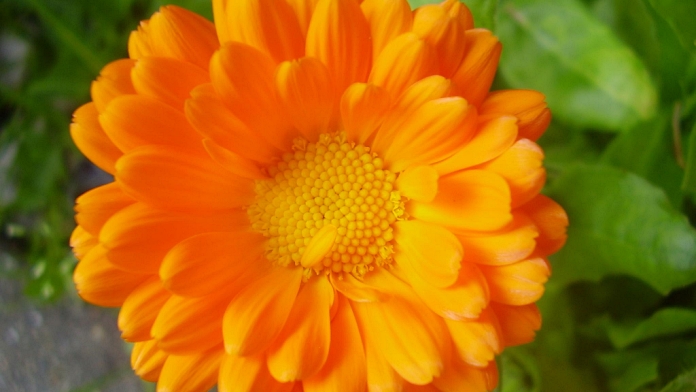
For comprehensive calendula phytochemistry and wound healing mechanisms, see Skin Health Deep Dive guide. This section focuses on first aid-specific applications.
Quick Phytochemistry Review
Primary actives for wound healing:
- Triterpenoid saponins: Oleanolic acid glycosides, calendulosides
- Triterpenoid alcohols: Faradiol (anti-inflammatory), taraxasterol
- Flavonoids: Quercetin, isorhamnetin, rutin
- Carotenoids: Lutein, zeaxanthin, β-carotene
- Polysaccharides: Immunomodulatory, tissue regeneration
—
Mechanisms Relevant to First Aid
1. Rapid Hemostasis Support
Mechanism:
- Tannins provide mild astringent action (vasoconstriction)
- Promotes platelet aggregation
- Does NOT replace pressure for active bleeding
- Supports clotting in minor oozing wounds
2. Infection Prevention
Antimicrobial spectrum:
- Gram-positive: S. aureus, S. pyogenes
- Gram-negative: E. coli, P. aeruginosa
- Fungi: Candida albicans
Mechanism:
- Flavonoids and volatile oils disrupt microbial membranes
- Saponins have detergent-like lytic effect
Clinical application: Apply to clean wounds to prevent secondary infection
3. Accelerated Granulation Tissue Formation
Timeline: Days 4-14 post-injury
Mechanism:
- Triterpenoid saponins stimulate fibroblast proliferation
- Increase collagen synthesis (types I and III)
- Enhance growth factor signaling (TGF-β pathway)
Clinical manifestation: Pink, healthy granulation tissue fills wound bed faster
4. Enhanced Epithelialisation
Timeline: Days 3-21 post-injury
Mechanism:
- Promotes keratinocyte proliferation
- Enhances keratinocyte migration
- Supports basement membrane reformation
Clinical manifestation: Wound closes (epithelial coverage) more rapidly
Evidence: Multiple clinical studies show 25-50% reduction in healing time for partial-thickness wounds
5. Anti-Inflammatory (Reduces Excessive Inflammation)
Key compound: Faradiol
Mechanism:
- Potent lipoxygenase (5-LOX, 12-LOX) inhibitor
- Reduces leukotriene production
- More effective than indomethacin (NSAID) in some models
Clinical benefit: Reduces redness, swelling, pain WITHOUT impairing necessary inflammation for healing
Clinical Protocol: Minor Laceration
Immediate care (Minutes 0-15):
- Apply direct pressure with clean cloth (5-10 minutes)
- Once bleeding controlled, irrigate with clean water
- Pat dry gently
- Apply thin layer calendula salve
- Cover with sterile non-adherent dressing
- Secure with tape or bandage
Ongoing care (Days 1-14):
- Clean gently with water once daily
- Reapply calendula salve 2-4x daily
- Keep covered until epithelialisation complete
- Monitor for infection signs (see below)
Infection monitoring:
- Increasing redness (beyond immediate wound border)
- Increasing pain (should decrease over days)
- Purulent drainage (yellow/green pus)
- Red streaks extending from wound (lymphangitis)
- Fever
- → Seek medical care immediately
Expected timeline:
- Superficial: 7-10 days to complete epithelialisation
- Deeper (dermis): 14-21 days
Arnica: Anti-Inflammatory & Anti-Bruising Science
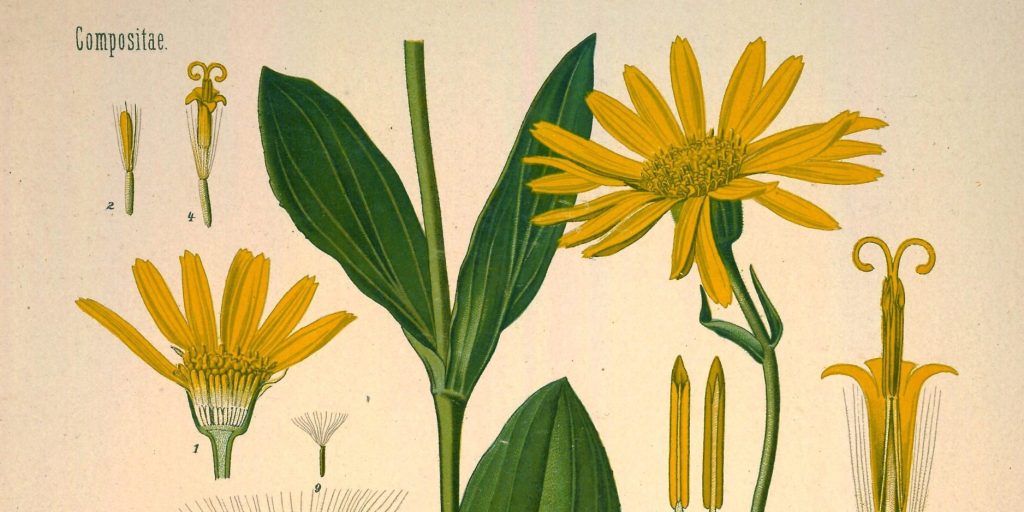
Botanical Profile
Species: Arnica montana (European), A. cordifolia (North American)
Family: Asteraceae
Parts used: Flowers (exclusively for medicinal use)
CRITICAL SAFETY: External use ONLY. Arnica is TOXIC if taken internally in herbal doses. Homeopathic preparations (ultra-dilute) are different and may be taken orally under appropriate guidance.
Phytochemical Constituents
Sesquiterpene Lactones (0.4-0.6% required by European Pharmacopoeia):
Helenalin and helenalin esters:
- Primary active anti-inflammatory compounds
- Content varies: European A. montana typically higher helenalin
- Structure: α,β-unsaturated carbonyl, α-methylene-γ-lactone (reactive Michael acceptor)
11α,13-Dihydrohelenalin and esters:
- Closely related compound
- Similar but somewhat less potent anti-inflammatory activity
- Spanish A. montana higher in dihydrohelenalin
Chamissonolide:
- Another sesquiterpene lactone
- Less potent than helenalin
Flavonoids (0.4-0.6%):
- Quercetin, kaempferol, patuletin
- Antioxidant, anti-inflammatory
- Contribute to overall activity
Volatile Oil (0.5-1%):
- Thymol derivatives
- Sesquiterpenes
- Antiseptic properties
Carotenoids:
- Lutein, zeaxanthin
- Antioxidant
- Give characteristic yellow-orange colour
Phenolic Acids:
- Caffeic acid derivatives
- Chlorogenic acid
- Antioxidant
Anti-Inflammatory Mechanisms
Primary Mechanism: NF-κB Inhibition
Helenalin’s mode of action:
Structure-activity relationship:
- α,β-unsaturated carbonyl groups act as Michael acceptors
- React with nucleophilic cysteine sulfhydryl groups (-SH) in proteins
- Covalent modification of target proteins
Specific NF-κB inhibition:
NF-κB overview:
- Master transcription factor regulating inflammation
- Controls expression of >150 inflammatory genes
- In resting cells: Inactive, bound to IºB (inhibitor) in cytoplasm
- Upon inflammatory stimulus: IºB phosphorylated → degraded → NF-κB released → enters nucleus → activates inflammatory genes
Helenalin mechanism:
- Covalently modifies cysteine residues in p65 subunit of NF-κB
- ALSO modifies IºB, preventing its degradation
- Result: NF-κB remains sequestered in cytoplasm (inactive)
- Cannot enter nucleus to activate inflammatory genes
Selectivity:
- Helenalin does NOT affect other transcription factors (Oct-1, TBP, Sp1, STAT5)
- This selectivity differs from NSAIDs (which inhibit COX enzymes)
Downstream effects:
- Reduced production of pro-inflammatory cytokines:
- TNF-α (tumor necrosis factor-alpha)
- IL-1β, IL-6, IL-8 (interleukins)
- Reduced production of inflammatory enzymes:
- iNOS (inducible nitric oxide synthase)
- COX-2 (cyclooxygenase-2)
- MMPs (matrix metalloproteinases)
Secondary Mechanism: Platelet Function Inhibition
Helenalin and dihydrohelenalin:
- Inhibit platelet aggregation
- Mechanism: Thiol-dependent pathway (modify platelet proteins)
Clinical relevance:
- Theoretically enhances bruise resolution (prevents further microthrombi)
- Contraindication for use with anticoagulants
- Mechanism why arnica shouldn’t be used pre-surgically (could increase bleeding)
Tertiary Mechanism: MMP Inhibition
Matrix metalloproteinases (MMPs):
- Enzymes that degrade extracellular matrix
- MMP-1 (collagenase-1), MMP-13 (collagenase-3)
- Overactive in inflammatory conditions (osteoarthritis, rheumatoid arthritis)
Arnica effect:
- Suppresses MMP-1 and MMP-13 mRNA levels
- Reduces cartilage/tissue degradation
- Relevant for joint injuries
Anti-Bruising Mechanisms
What is a bruise (ecchymosis)?
- Extravasation of blood into tissue (capillary rupture)
- Trapped red blood cells in interstitial space
- Hemoglobin breakdown: Red → Purple → Green/Yellow (biliverdin/bilirubin)
- Resolution requires phagocytosis and clearance
How arnica accelerates resolution:
1. Enhanced circulation:
- Mild vasodilation increases local blood flow
- Improved delivery of immune cells (macrophages)
- Enhanced clearance of debris
2. Macrophage activation:
- Anti-inflammatory compounds paradoxically can enhance phagocytic activity
- Faster engulfment and processing of trapped blood cells
3. Reduced secondary inflammation:
- NF-κB inhibition prevents excessive inflammatory response to trapped blood
- Less additional tissue damage
- Faster return to normal
4. Lymphatic drainage:
- Some evidence for enhanced lymphatic flow
- Improved clearance of cellular debris and inflammatory mediators
Clinical Evidence
Osteoarthritis:
- Multiple RCTs show topical arnica gel equivalent to topical NSAIDs (ibuprofen gel)
- Significant reduction in pain and improved function
- Fewer GI side effects than oral NSAIDs
Post-surgical bruising:
- Meta-analysis: Small but significant reduction in bruising severity
- Particularly effective rhinoplasty, blepharoplasty
- Must be started immediately post-op
Sports injuries:
- Some studies show reduced muscle soreness
- One study showed INCREASED pain (outlier, methodology questioned)
- Overall: Modest benefit for soft tissue injuries
Dosing in studies: Typically 10% arnica extract or gel, applied 2-3x daily
Safety & Contraindications
CRITICAL – External Use ONLY:
- Oral ingestion of herbal arnica → gastroenteritis, cardiovascular toxicity
- Helenalin is TOXIC systemically
- Homeopathic arnica (ultra-diluted) is different – safe orally
Contraindications:
- Broken skin/open wounds: Arnica absorbed systemically through broken skin → toxicity risk
- Pregnancy/lactation: Theoretical risk of uterine stimulation
- Anticoagulant/antiplatelet medications: Additive effects, bleeding risk
- Pre-surgery: Discontinue 2 weeks before surgery (bleeding risk)
Allergic reactions:
- Asteraceae family allergy (ragweed, chrysanthemum, daisies)
- Contact dermatitis possible (sesquiterpene lactones are allergens)
- Patch test recommended if sensitive skin
Drug interactions:
- Warfarin, heparin: Increased bleeding risk
- Aspirin, NSAIDs, clopidogrel: Additive antiplatelet effects
Clinical Protocol: Acute Bruise/Contusion
Immediate (0-24 hours):
- ICE first (15-20 minutes, repeat hourly)
- Vasoconstriction limits bleeding
- Reduces initial swelling
- Pain relief
- Do NOT apply arnica in first 24 hours (vasodilation could worsen bleeding)
- Compression, elevation
- Rest injured area
Days 1-7:
- Begin arnica gel 24 hours post-injury
- Apply to bruised area 3-4x daily
- Massage gently (once tolerable)
- Continue ice if swelling persists
- Gradual return to activity
Expected timeline:
- Without arnica: Bruise resolves 7-14 days
- With arnica: Bruise resolves 5-10 days (approximately 30% faster)
- colour progression accelerated
Honey: Medical-Grade Antimicrobial Properties
Types of Honey
Raw honey:
- Unfiltered, unpasteurised
- Contains bee pollen, propolis, enzymes
- Antimicrobial properties present
- Less consistent potency than medical-grade
Manuka honey (New Zealand):
- From Leptospermum scoparium (Manuka bush)
- Contains unique compound: Methylglyoxal (MGO)
- Additional non-peroxide antimicrobial activity
- Graded by UMF (Unique Manuka Factor) or MGO rating
Medical-grade honey:
- Gamma-irradiated (sterilised, no viable Clostridium spores)
- Standardised antibacterial activity
- FDA/regulatory approved for wound care
- Examples: Medihoney, Revamil
Antimicrobial Mechanisms
Mechanism 1: Hyperosmolarity
High sugar content (~80%):
- Creates hyperosmotic environment
- Water drawn OUT of bacterial cells (osmosis)
- Bacterial cell dehydration → death
Low water activity (aw ~0.6):
- Insufficient free water for bacterial growth
- Even bacteria that survive can’t proliferate
Mechanism 2: Acidity
pH 3.2-4.5:
- Acidic environment inhibits most pathogens
- Optimal pH for wound healing is slightly acidic (promotes oxygen release from hemoglobin, enhances fibroblast activity)
Mechanism 3: Hydrogen Peroxide (Peroxide Activity)
Source:
- Glucose oxidase enzyme (from bees)
- Converts glucose + oxygen → gluconic acid + hydrogen peroxide (H₂O₂)
Antimicrobial mechanism:
- H₂O₂ generates free radicals
- Oxidative damage to bacterial DNA, proteins, lipids
- Broad-spectrum antimicrobial
Limitation:
- Catalase in wound fluid breaks down H₂O₂
- Effectiveness reduced in contaminated wounds
- Why Manuka honey superior (additional non-peroxide activity)
Mechanism 4: Non-Peroxide Activity (Manuka Honey)
Methylglyoxal (MGO):
- Unique to Manuka honey
- Formed from dihydroxyacetone (DHA) in Manuka nectar
- Concentration varies: 100-1000+ mg/kg
Antimicrobial mechanism:
- Reacts with bacterial proteins, particularly arginine residues
- Disrupts bacterial protein function
- Prevents biofilm formation
Clinical significance:
- Effective against antibiotic-resistant bacteria:
- MRSA (methicillin-resistant S. aureus)
- VRE (vancomycin-resistant Enterococcus)
- Disrupts established biofilms (chronic wound bacteria)
Rating systems:
- UMF (Unique Manuka Factor): UMF 10+ = therapeutic
- MGO: MGO 263+ = therapeutic (equivalent to UMF 10+)
Mechanism 5: Immunomodulation
Effects:
- Stimulates cytokine release from monocytes/macrophages
- Enhances immune cell recruitment to wound
- Supports transition from inflammation to proliferation
Wound Healing Promotion
Beyond antimicrobial:
1. Maintains moist wound environment:
- Essential for optimal healing
- Prevents eschar (dry scab) formation
- Facilitates keratinocyte migration
2. Autolytic debridement:
- Draws fluid to wound surface
- Activates proteolytic enzymes
- Softens and removes necrotic tissue
3. Reduces inflammation:
- Antioxidant compounds (flavonoids, phenolic acids)
- Reduces excessive inflammatory response
4. Stimulates angiogenesis:
- Promotes new blood vessel formation
- Improves oxygen and nutrient delivery
5. Odor control:
- Antimicrobial action reduces odor-causing bacteria
- Important for patient comfort
Clinical Evidence
Wound types shown effective:
- Partial-thickness burns (superior to silver sulfadiazine)
- Infected post-operative wounds
- Diabetic foot ulcers
- Venous leg ulcers
- Pressure ulcers
Cochrane reviews:
- Burns: High-quality evidence for faster healing
- Infected wounds: Moderate evidence for effectiveness
Clinical Protocol: Clean Minor Wound
Appropriate wounds:
- Abrasions
- Superficial lacerations
- Minor burns (after cooling)
- Slow-healing wounds (clean)
Application:
- Clean wound thoroughly with water
- Pat dry gently
- Apply thin layer honey directly to wound
- Cover with sterile non-adherent dressing
- Secure with bandage
- Change dressing daily (or when saturated)
Which honey:
- Manuka UMF 10+ or MGO 263+: Best for infected/chronic wounds
- Raw honey: Acceptable for clean acute wounds, less expensive
- Medical-grade: Ideal but expensive
Expected effects:
- Decreased pain within 24 hours
- Reduced inflammation within 2-3 days
- Faster epithelialisation (measured in studies)
Clinical Protocols for Common First Aid Situations
Protocol 1: Bee/Wasp Sting
Severity assessment:
- Mild local: Pain, redness, swelling at sting site
- Large local: Swelling >10cm diameter
- Systemic: Hives, difficulty breathing, swelling away from sting → EMERGENCY 111
Management (mild-moderate local reaction):
Immediate (0-5 minutes):
- Remove stinger if present (scrape with edge, don’t squeeze)
- Apply fresh plantain poultice immediately
- Replace every 30-60 minutes for first 2-6 hours
Hours 1-24:
- Ice if swelling persists (10-15 min every hour)
- Continue plantain applications as needed for itching
- Oral antihistamine if itching severe (diphenhydramine 25-50mg)
- Elevation if extremity
Days 1-3:
- If residual swelling: Arnica cream 3x daily (after 24h)
- Monitor for signs of infection (rare but possible)
Expected timeline:
- Pain resolution: 1-6 hours
- Swelling peak: 24-48 hours
- Complete resolution: 2-5 days
Protocol 2: Sprained Ankle (Mild-Moderate)
Severity assessment:
- Grade I (mild): Minimal swelling, can bear weight, mild pain
- Grade II (moderate): Moderate swelling, painful to bear weight, partial ligament tear
- Grade III (severe): Severe swelling, cannot bear weight, complete ligament tear → SEE DOCTOR
Immediate (RICE protocol + herbs):
- Rest: No weight bearing
- Ice: 15-20 minutes every 2 hours (first 48-72h)
- Compression: Elastic bandage (not too tight)
- Elevation: Above heart level
Days 1-3 (acute phase):
- Continue RICE
- No arnica yet (could worsen swelling if vascular damage)
- Oral anti-inflammatory: Ginger tincture 2-4ml TID
- Turmeric: 500mg 2-3x daily
Days 3-14 (subacute phase):
- Begin arnica gel 3-4x daily
- Gentle range-of-motion exercises (no weight bearing initially)
- Gradual weight bearing as tolerated
- Continue compression and elevation
Weeks 2-6 (rehabilitation):
- Progressive strengthening exercises
- Proprioceptive training
- Continue arnica as needed for residual swelling
Red flags (seek medical care):
- Severe pain, deformity
- Cannot bear any weight after 48 hours
- Numbness, tingling
- Signs of fracture
Protocol 3: Minor Burn (First-Degree, Small Second-Degree)
Severity assessment:
- First-degree: Red, painful, no blisters (sunburn)
- Second-degree superficial: Blisters, very painful
- Second-degree deep/Third-degree: White/charred, may be painless → EMERGENCY
Size limit for home treatment: Smaller than palm of hand, but if unsure seek medical assistance
Immediate (0-30 minutes):
- COOL immediately: Cool (not ice) running water 10-20 minutes
- Do NOT apply ice directly (causes tissue damage)
- Remove jewelry, tight clothing from area
- Do NOT break blisters (infection risk)
After cooling:
- Gently pat dry
- Apply aloe vera gel (fresh from plant if possible)
- Cover with non-adherent dressing
- Take oral pain medication if needed (paracetamol, ibuprofen)
Days 1-7:
- Reapply aloe vera 4-6x daily
- Keep covered, change dressing daily
- Once blisters open (if any): Apply honey or calendula to prevent infection
- Monitor for infection signs
Days 7-21:
- As epithelialisation completes: Calendula cream for healing
- Avoid sun exposure (new skin very sensitive)
Seek medical care if:
- Burns larger than palm
- On face, hands, feet, genitals, major joints
- Second-degree (blistering) covering large area
- Signs of infection
- Extreme pain
Protocol 4: Nosebleed
Management:
Immediate:
- Sit upright, lean slightly forward (prevents blood swallowing)
- Pinch soft part of nose firmly for 10 minutes (continuous, no peeking!)
- Breathe through mouth
- Apply ice to bridge of nose (vasoconstriction)
If continues after 10 minutes:
- Fresh yarrow: Insert small piece of clean, crushed yarrow leaf into bleeding nostril
- Continue pinching 10 more minutes
Or tincture method:
- Soak small piece of cotton or gauze in yarrow tincture
- Insert gently into nostril
- Pinch 10 minutes
After bleeding stops:
- Keep yarrow in place 15-30 minutes
- Remove gently (moisten first if stuck)
- Avoid blowing nose for 12 hours
- Use saline spray to keep moist (prevents rebleeding)
Seek medical care if:
- Bleeding continues >30 minutes despite measures
- Frequent nosebleeds
- Takes blood thinners
- Trauma to nose/face
- Severe bleeding
Summary: Building Your Evidence-Based First Aid Kit
Core items based on mechanism and evidence:
Tier 1 (Essential):
- Calendula salve (wound healing, antimicrobial)
- Fresh plantain access (drawing, anti-itch, antimicrobial)
- Manuka honey UMF 10+ (infected wounds, burns)
- Arnica gel 10% (bruises, soft tissue injury)
Tier 2 (Highly Useful):
- Ginger tincture (internal anti-inflammatory)
- Yarrow tincture (hemostatic)
- Lavender essential oil (burns, stress, headache)
Tier 3 (specialised):
- Comfrey cream (fractures, strains – external only)
- St. John’s wort oil (nerve pain, burns)
- Tea tree oil (antiseptic)
Always include:
- Sterile gauze, bandages, tape
- Scissors, tweezers
- Emergency contact information
Storage:
- Cool, dark, dry location
- Check expiration dates
- Replace items as needed
Remember: Herbal first aid is for MINOR injuries only. Seek professional medical care for serious injuries, persistent symptoms, or any concerning conditions.
References
Bone, K., & Mills, S. (2013). Principles and practice of phytotherapy: Modern herbal medicine (2nd ed.). Churchill Livingstone.
Iannitti, T., Morales-Medina, J. C., Bellavite, P., Rottigni, V., & Palmieri, B. (2016). Effectiveness and safety of arnica montana in post-surgical setting, pain and inflammation. American Journal of Therapeutics, 23(1), e184-e197.
Lyss, G., et al. (1997). Helenalin, an anti-inflammatory sesquiterpene lactone from arnica, selectively inhibits transcription factor NF-κB. Biological Chemistry, 378(9), 951-962.
Majtan, J. (2014). Honey: An immunomodulator in wound healing. Wound Repair and Regeneration, 22(2), 187-192.
Disclaimer: This guide is for educational purposes only and is not medical advice. Herbal first aid supports minor injury care but does not replace emergency medicine or professional medical care. Always seek immediate medical attention for serious injuries, severe symptoms, or any concerning conditions. Use herbs at your own risk and consult qualified healthcare practitioners, especially if pregnant, nursing, taking medications, or having medical conditions.
Note on Pricing: All prices mentioned in this guide are approximate and based on New Zealand suppliers as of December 2025. Prices vary by supplier, season, and market conditions. We recommend checking current prices with your local suppliers.
 The Public Herbarium