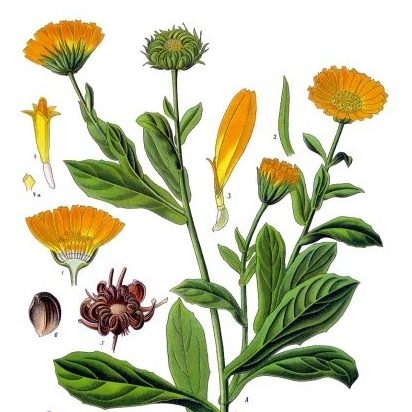

Keeping Your Dried Herbs Potent for Months
Welcome! You’ve harvested and dried your herbs beautifully—now let’s make sure they stay potent and vibrant for months to come. Proper storage is the final (and often overlooked) step that determines whether your herbs remain powerful medicine or turn into flavourless dust.
Why Storage Matters
Even perfectly dried herbs will degrade quickly if stored incorrectly. Your enemies are:
1. Light → Breaks down medicinal compounds and causes colour fading
2. Heat → Speeds up chemical reactions that degrade compounds
3. Oxygen → Causes oxidation (think: how a cut apple browns)
4. Moisture → Can rehydrate herbs enough to allow mold growth
The goal: Keep your herbs in conditions that prevent all four of these degradation factors.
Why this matters: You’ve invested time harvesting at peak potency and carefully drying. Poor storage can undo all that work in weeks. Proper storage means your summer harvest of calendula heals winter cuts, and your autumn dandelion root supports spring detoxes. It’s the difference between a full medicine cabinet and wasted effort.
The Four Rules of Herb Storage
Rule 1: Choose the Right Container
Best: Dark Glass Jars
- Why: Blocks light, airtight seal, doesn’t absorb oils, non-reactive
- Examples: Amber or cobalt blue jars with rubber-sealed lids
- Where to buy in NZ:
- Online: Trade Me (search “amber glass jars”), Mighty Ape
- Hospitality suppliers: M&H Plastics, Supreme Hospitality, Restaurant Supplies
- Specialty stores: Commonsense Organics, Bin Inn, health food stores
- General retail: The Warehouse (some locations stock preserving jars)
- Budget option: Repurpose pasta sauce or jam jars—store in completely dark cupboard, or spray paint clear jars with dark spray paint
- Cost: $2-8 per jar depending on size and source
Good: Metal Tins
- Why: Blocks light completely, durable
- Drawback: Not truly airtight (oxygen can slowly enter)
- Best for: Short-term storage (3-6 months) or non-aromatic herbs
Acceptable (with caveats): Clear Glass Jars
- Must: Store in completely dark location (dark cupboard, not on counter)
- Why this works: Glass itself is fine—it’s the light exposure that’s the problem
- Best for: When stored in dark pantry and budget is tight
Avoid: Plastic Containers
- Why: Can absorb aromatic oils, not fully airtight, may leach over time
- Exception: Short-term storage (1-2 months) is acceptable
Avoid: Paper Bags
- Why: Let in air and light, absorb moisture from environment
- Exception: Very short-term storage only (days to weeks)
Budget-Friendly Container Solutions
Can’t afford dark glass jars? You can still store herbs properly:
Repurpose jars you have:
- Clean pasta sauce jars, jam jars, pickle jars thoroughly
- Store in completely dark cupboard (darkness makes up for clear glass)
- Free and immediately available
DIY dark jars:
- Wrap clear jars in dark fabric or thick paper
- Secure with rubber bands or string
- Creates darkness while using jars you have
Temporary solution:
- Paper bags inside airtight plastic containers
- Replace paper bags every 3-6 months as they absorb oils
- Inexpensive bridge until you can upgrade
Free desiccant packets:
- Save silica gel packets from shoe boxes, vitamin bottles, electronics packaging
- Ensure they’re food-safe (check packaging)
- Reusable when “recharged” in oven
Gradual upgrade approach:
- Buy 2-3 dark glass jars per month as budget allows
- Prioritise most-used or most expensive herbs first
- Within 6 months, you’ll have proper storage for everything
Small space solutions (apartments, flats):
- Under-bed storage boxes (dark, cool, out of way)
- Dedicated herb shelf in bedroom or linen closet
- Stackable jars or tins maximize vertical space
- Multi-use furniture: Storage ottoman or bench with herb containers inside
Rule 2: Location, Location, Location
Best Storage Locations:
- Dark pantry or cupboard: Away from stove, away from windows
- Dedicated herb storage shelf: In cool, dark closet
- Root cellar or cool basement: If available and not damp
Temperature Guidelines:
- Ideal: 15-21°C (room temperature)
- Acceptable: Up to 25°C
- Avoid: Above 25°C (accelerates degradation)
NZ Summer Consideration:
Many NZ homes exceed 25°C in summer, particularly in Auckland, Northland, and inland areas (routinely reaching 28-32°C indoors).
Solutions for hot homes:
- Store in coolest room: Usually bedroom, away from kitchen
- Bottom of pantry/cupboard: Heat rises; lowest shelf stays coolest
- Insulated storage box: Cooler bag or insulated box in coolest part of house
- Small wine fridge: For very valuable herbs; second-hand $150-300 on Trade Me
- Cool hallway cupboard: Often cooler than kitchen
Locations to AVOID:
- ✖ Kitchen countertop (light exposure)
- ✖ Above stove or oven (heat)
- ✖ Sunny windowsill (light and heat)
- ✖ Bathroom (humidity fluctuations)
- ✖ Next to refrigerator or dishwasher (heat from motors)
- ✖ Hot water cupboard (HWC) – too warm for herbs
Why location is so critical:
A jar of peppermint stored on a sunny counter will lose 50% of its volatile oils within 3 months. The same jar in a dark cupboard stays potent for 12+ months.
Accessibility Considerations:
If you have limited mobility or hand strength:
- Store frequently-used herbs at waist height (not top shelf or low cupboard requiring bending)
- Easy-open lids: Look for flip-top containers rather than tight screw lids, or keep a jar opener tool nearby
- Consistent jar shapes: Use same jar type for each category to make identification easier
- Large-print labels: Make labels easy to read
- Tactile markers: Add textured tape or raised dots to identify herbs by touch
- Group by use: Keep sleep herbs together, digestive herbs together for easier location
Rule 3: Keep Air Out
Airtight is Essential
Why: Oxygen reacts with plant compounds, causing:
- Volatile oils to evaporate
- Flavonoids to oxidise
- Colour to fade
- Medicinal potency to decrease
How to achieve it:
- Jars: Use jars with rubber-gasketed lids (Kilner/preserving jars are excellent)
- Fill jars appropriately: Leave minimal headspace (less air in jar = less oxidation)
- Press out air: When using bags, squeeze out as much air as possible before sealing
- Check seals: Periodically ensure lids are tight
Advanced technique (for long-term storage):
- Oxygen absorber packets: Available online or in food storage shops
- Place one in each jar before sealing
- Removes residual oxygen
- Can extend shelf life by 50-100%
- Cost: NZ$10-20 for 50 packets
- Where to buy: Trade Me, Mighty Ape, specialty food storage suppliers
Rule 4: Control Moisture
Moisture is the Mold-Maker
Even in airtight containers, herbs can reabsorb moisture from:
- Humid air (before jar was sealed)
- Opening jar in humid conditions
- Condensation if jar temperature fluctuates
Prevention Strategies:
1. Ensure Complete Dryness Before Storage
- Do the jar test (seal herbs in jar for 24 hours, check for condensation)
- If any condensation appears, dry herbs more before final storage
2. Use Desiccant Packets (Silica Gel)
- What: Small packets that absorb moisture
- Where: Online (Trade Me, Mighty Ape), craft stores (Spotlight), sometimes free in shoe boxes or vitamin bottles
- How: Drop one packet in each storage jar
- Caution: Don’t let packet directly contact herbs; ensure it’s food-safe
- Reusable: Most can be “recharged” by heating in oven when saturated
3. Avoid Opening Jars in Humid Conditions
- When possible, access herbs in low-humidity conditions
- Don’t leave jars open while you’re cooking (steam in air)
- Close immediately after use
4. Monitor for Condensation
- Check jars monthly for any moisture on inside (more frequently in humid regions)
- If you see condensation, re-dry herbs immediately
NZ Regional Storage Considerations
Understanding your regional climate helps you adapt storage practices:
High Humidity Regions (Auckland, Northland, Bay of Plenty, Coromandel, Coastal Areas):
Challenges:
- Year-round humidity (70-85% RH average)
- Moisture reabsorption even in sealed jars
- Mold risk elevated
- Summer humidity + heat = worst conditions
Solutions:
- Desiccant packets ESSENTIAL (not optional) – replace every 3-4 months
- Check jars weekly (not monthly) during humid summer months (December-February)
- Dehumidifier in storage room helps significantly (especially summer)
- Extra-tight seals: Ensure rubber gaskets are in good condition
- Smaller containers: Use multiple small jars rather than one large (opened less frequently)
- Consider refrigerator storage for most valuable/aromatic herbs during peak humidity
Moderate Humidity Regions (Wellington, Manawatu, Wairarapa, Most of NZ):
Characteristics:
- Variable humidity (50-75% RH)
- Seasonal shifts
Solutions:
- Standard desiccant use recommended year-round
- Monthly checks usually sufficient (weekly during very humid periods)
- Watch for seasonal humidity shifts (spring often more humid)
- Adjust checking frequency based on weather patterns
Dry Regions (Central Otago, Canterbury, Mackenzie Country):
Advantages:
- Low humidity (30-50% RH)
- Extended herb shelf life
- Less mold risk
Considerations:
- Desiccant less critical (but still helpful for very long storage)
- Longer check intervals acceptable (6-8 weeks instead of monthly)
- Watch for extreme temperature swings (can cause condensation when jars warm/cool rapidly)
- Summer heat can still be issue (store in coolest room)
Key insight: Your local climate matters more than generic advice. A jar that needs monthly checking in Wellington might need weekly checks in Auckland, or 6-week checks in Central Otago.
Seasonal Storage Adjustments
Summer (December-February):
- Challenge: Heat and humidity peak in most of NZ
- Actions:
- Check jars weekly in humid regions (Auckland, Northland)
- Ensure coolest storage location (bottom shelf, coolest room)
- Consider refrigerator for valuable aromatic herbs (lavender, mint, lemon balm)
- Watch for: Condensation in jars (indicates temperature fluctuation)
Autumn (March-May):
- Advantage: Cooler, often drier—ideal storage conditions
- Actions: Perfect time for long-term storage setup
- Opportunity: Process summer harvest for winter use; herbs store well over winter
Winter (June-August):
- Challenge: Indoor heating creates humidity fluctuations
- Actions:
- Store away from heaters, heat pumps, radiators
- Monitor for condensation (warm room + cold jar = condensation)
- Advantage: Cool temperatures extend shelf life naturally
Spring (September-November):
- Action: Assess stored herbs before new harvest season
- Replace: Herbs older than 12-18 months (or showing quality decline)
- Prepare: Clean empty jars for incoming spring harvest
- Watch for: Increasing humidity (more frequent checks needed)
Storage by Herb Type
Leafy Herbs (Mint, Basil, Lemon Balm, Sage)
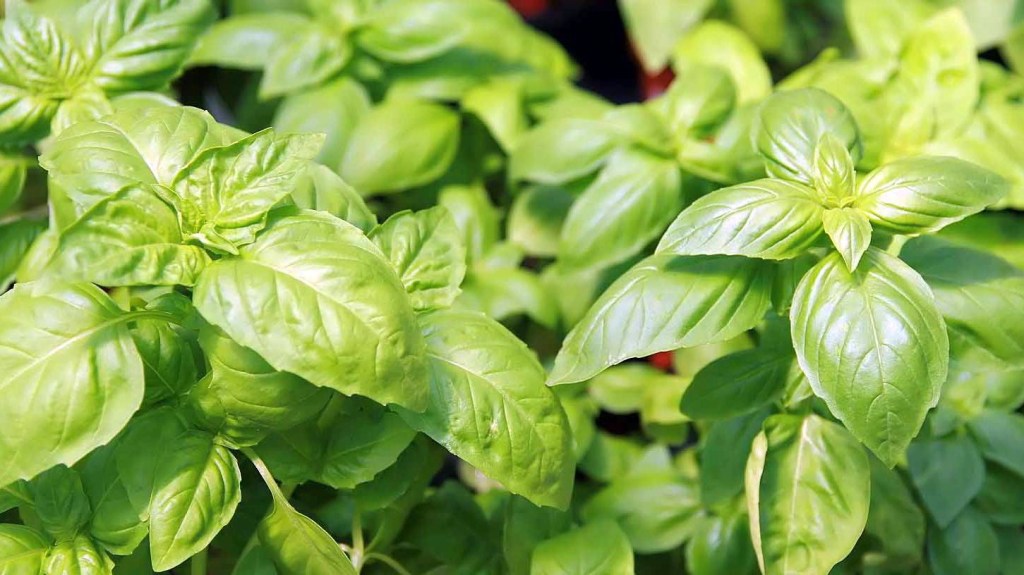
Container: Dark glass jars
Shelf life:
- Whole leaves: 12-18 months
- Crumbled: 6-12 months
- Powdered: 3-6 months
Why the difference?
Whole leaves have less surface area exposed to air. Crumbling and especially powdering dramatically increases exposure to oxygen, speeding degradation.
Best practice: Store whole, crumble just before use.
Flowers (Calendula, Chamomile, Lavender)
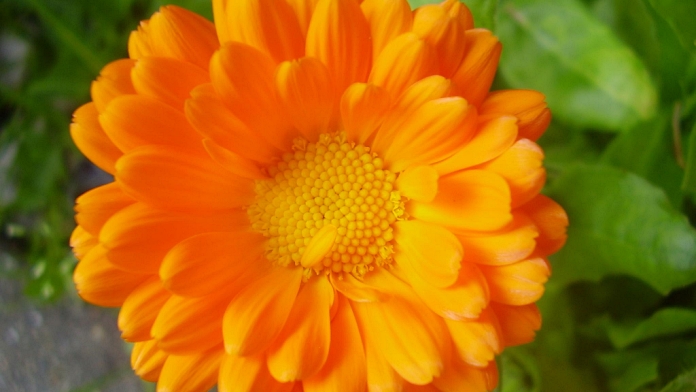
Container: Dark glass jars or tins
Shelf life: 6-12 months
Special consideration: Flowers are delicate. Handle gently during storage to prevent crumbling to dust.
Roots and Bark (Dandelion, Burdock)
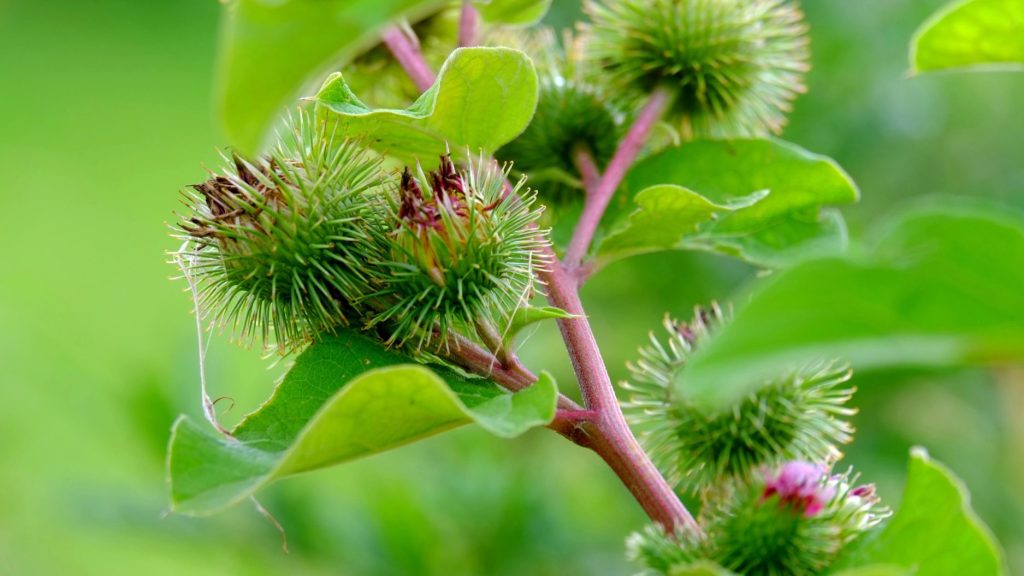
Container: Glass jars or paper bags inside airtight containers
Shelf life:
- Whole or sliced: 2-3 years
- Powdered: 1-2 years
Why longer shelf life?
Denser material, lower volatile oil content, more stable compounds.
Storage tip: Roots can handle slightly higher moisture than leaves without molding (but still aim for <12% moisture).
Berries (Elderberry, Rose Hips)
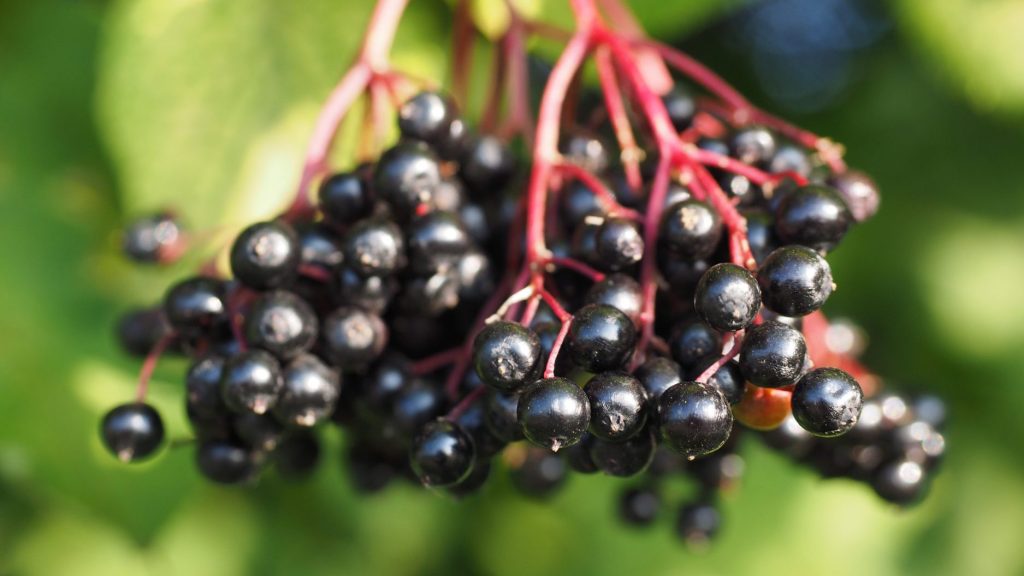
Container: Dark glass jars
Shelf life: 1-2 years
Special consideration: High sugar content attracts moisture. Use desiccant packets. Check monthly for any stickiness or clumping (indicates moisture reabsorption).
Seeds (Fennel, Cardamom)
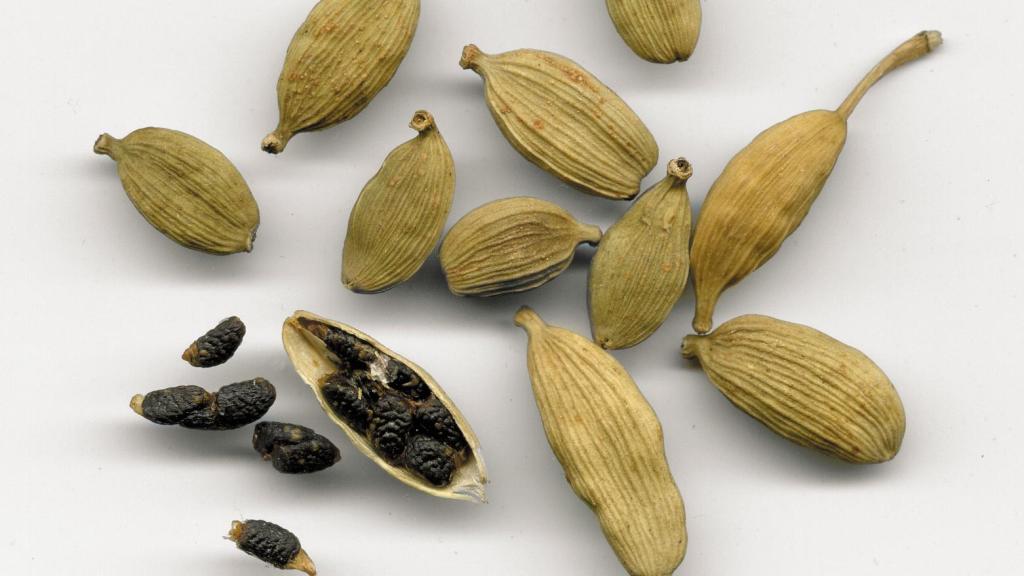
Container: Dark glass jars
Shelf life:
- Whole seeds: 2-4 years
- Ground: 6-12 months
Storage tip: Seeds have high oil content. Keep in very airtight containers. Consider refrigerator for very long-term storage.
Storing NZ Native Herbs
Research on optimal storage for NZ native plants is limited, but general principles apply:
Kawakawa Leaves:
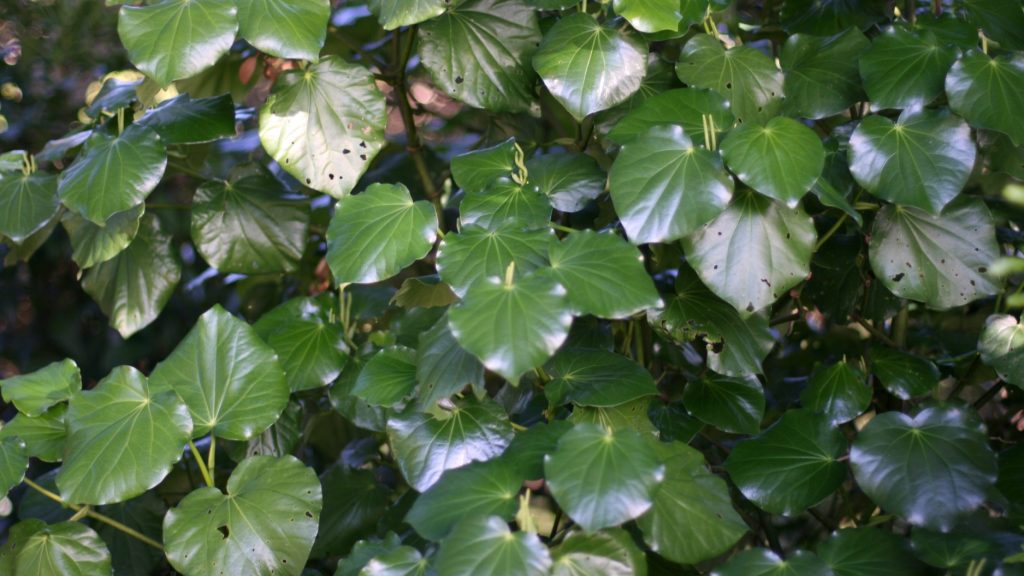
- Container: Dark glass jars
- Shelf life: 12-18 months (whole leaves)
- Quality indicator: Should retain green colour and aromatic scent when crushed
- Note: “Holey leaves” (insect-damaged) store the same as intact leaves
- Check frequency: Every 3 months (less research on storage stability)
Horopito Leaves:
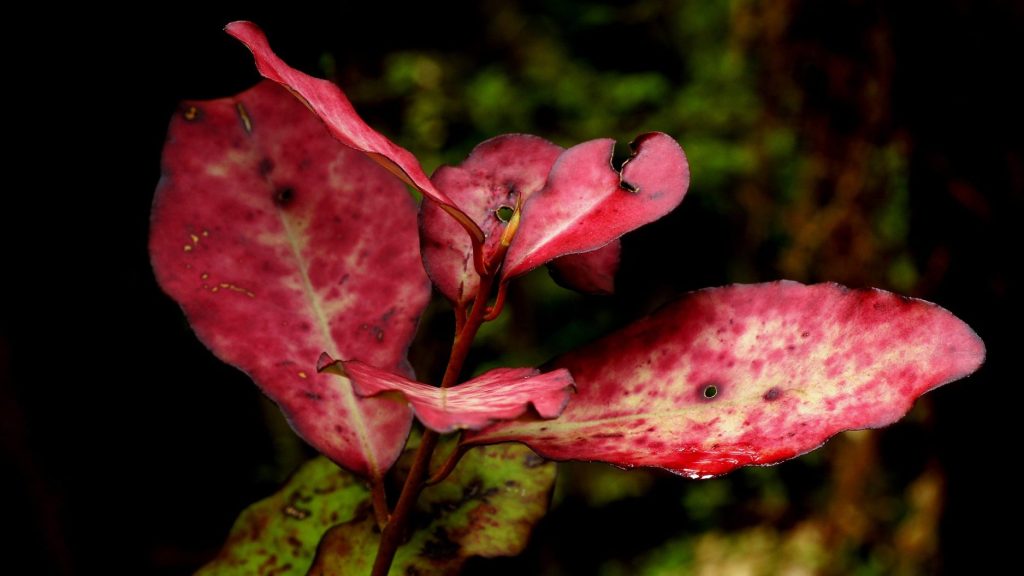
- Container: Dark glass jars (darkness CRITICAL—polygodial is light-sensitive)
- Shelf life: 12-24 months
- Quality indicator: Should retain strong peppery taste intensity
- Extra protection: Consider oxygen absorber packets for this valuable herb
- Storage priority: Given slow growth and value, horopito deserves best storage conditions
Mānuka Leaves:

- Container: Dark glass jars or tins
- Shelf life: 12-18 months
- Quality indicator: Should retain aromatic scent
General Note for NZ Natives:
- Less published research on storage compared to European/Asian herbs
- Use same principles (dark, cool, airtight, dry)
- Check quality more frequently (every 2-3 months)
- Document your observations to build personal knowledge base
Labeling: Essential, Not Optional
What to Include on Every Jar:
- Herb name: Both common and botanical (Latin) name if you know it
- Date harvested or purchased
- Plant part used: Leaf, flower, root, etc.
- Optional: Source location, preparation notes
Why this matters:
- Safety: Positive identification, especially important for look-alike plants
- Quality control: Know when to replace older herbs
- Knowledge building: Track which harvests were most successful
Labeling materials:
- Adhesive labels: Write with permanent marker (Sharpie, Artline)
- Chalkboard labels: Reusable, easy to change
- Masking tape and marker: Simple, effective, removable
- Large print: Make labels easy to read (especially important for accessibility)
Shelf Life Guide
How Long Do Dried Herbs Last?
| Herb Type | Storage Form | Shelf Life |
|---|---|---|
| Leafy herbs | Whole | 12-18 months |
| Leafy herbs | Crumbled | 6-12 months |
| Leafy herbs | Powdered | 3-6 months |
| Flowers | Whole | 6-12 months |
| Roots/Bark | Sliced | 2-3 years |
| Roots/Bark | Powdered | 1-2 years |
| Berries | Whole | 1-2 years |
| Seeds | Whole | 2-4 years |
| Seeds | Ground | 6-12 months |
| NZ natives | Whole leaves | 12-18 months |
These are guidelines, not hard rules. Actual shelf life depends on storage conditions.
How to Know When Herbs Are Past Their Prime
The Smell Test (Most Important):
- Good: Herbs smell strongly of themselves when crushed
- Declining: Weak smell, hay-like
- Bad: No smell, or musty/off smell
The Colour Test:
- Good: Vibrant, close to natural colour
- Declining: Faded but still greenish/colourful
- Bad: Brown, grey, completely faded
The Taste Test:
- Good: Strong, characteristic flavour
- Declining: Weak flavour
- Bad: No flavour or “off” flavour
When in doubt: Make tea with the questionable herb and compare to a fresh sample. The difference will be obvious.
Special Storage Situations
Storing Fresh Herbs (Short-Term)
Refrigerator Method:
- Wash and dry herbs completely
- Wrap in paper towels
- Place in airtight container or bag
- Store in crisper drawer
- Use within 1-2 weeks
Counter Method (for basil, mint):
- Place stems in jar of water (like flowers)
- Cover loosely with plastic bag
- Change water every 2-3 days
- Use within 1 week
Freezing Herbs
Best for: Herbs you’ll use in cooking (texture changes make them unsuitable for tea)
Method 1 – Ice Cube Trays:
- Chop herbs
- Place in ice cube tray
- Cover with water or olive oil
- Freeze, then transfer cubes to freezer bags
- Shelf life: 6-12 months
Method 2 – Flash Freeze:
- Spread herbs on baking tray
- Freeze
- Transfer to freezer bags
- Shelf life: 6-12 months
Storing Prepared Medicines
Tinctures:
- Container: Dark glass bottles
- Location: Cool, dark cupboard
- Shelf life: 5+ years (if alcohol content is 40% or higher)
Infused Oils:
- Container: Dark glass bottles
- Location: Cool, dark cupboard (refrigeration optional but extends life)
- Shelf life: 1-2 years
- Watch for: Rancidity (off smell)
Salves:
- Container: Tins or small jars
- Location: Cool, dark cupboard
- Shelf life: 1-2 years
- Watch for: Rancidity, mold
Common Storage Mistakes
✖ Mistake 1: Storing in Clear Jars on Counter
Problem: Light destroys compounds, heat accelerates degradation
Solution: Dark jars in dark cupboard
✖ Mistake 2: Not Completely Drying Before Storage
Problem: Mold grows in jars
Solution: Jar test before final storage, use desiccant packets
✖ Mistake 3: Storing Powdered Herbs Long-Term
Problem: Massive surface area = fast oxidation
Solution: Store whole, powder just before use
✖ Mistake 4: No Labels
Problem: Can’t identify herbs, don’t know age
Solution: Label everything immediately
✖ Mistake 5: Opening Jars Frequently
Problem: Repeated air exposure accelerates degradation
Solution: Transfer small amounts to a “working jar” for daily use, keep bulk in sealed storage
✖ Mistake 6: Storing Near Heat Sources
Problem: Heat speeds up all degradation reactions
Solution: Choose cool, consistent temperature location
The “Working Jar” System
Problem: You need to access herbs regularly, but opening storage jars frequently exposes them to air, light, and moisture.
Solution: The two-jar system
Large Storage Jar:
- Contains bulk of herb
- Opened rarely (monthly or less)
- Stored in optimal conditions (dark cupboard, desiccant packet)
Small Working Jar:
- Contains 1-2 weeks supply
- Used daily as needed
- Refilled from storage jar monthly
- Can be kept in more accessible location (still dark)
Why this works: Minimises exposure of bulk herbs to degrading conditions. Your main supply stays pristine while you use the working supply.
Example setup:
- Storage jar: 100g of dried peppermint in dark pantry
- Working jar: 10g in small jar in kitchen cupboard
- Refill working jar once per month
First-Time Storage? Start Here
New to storing herbs? Build your system progressively:
Week 1: Immediate Protection
- Goal: Get herbs out of light and heat immediately
- Action:
- Gather any jars you have (even clear glass is OK for now)
- Label them with herb name and date
- Find darkest, coolest cupboard in house
- Store all herbs there
- Success indicator: Herbs protected from worst enemies (light, heat)
Week 2-4: Upgrade Containers
- Goal: Move to dark glass jars
- Action:
- Buy or acquire 2-3 dark glass jars per week as budget allows
- Start with most-used or most expensive herbs
- Repurpose jars or buy second-hand on Trade Me
- Success indicator: Most-used herbs in optimal containers
Month 2: Add Moisture Control
- Goal: Prevent moisture reabsorption
- Action:
- Add desiccant packets to jars (save from shoe boxes or buy online)
- Ensure herbs completely dry before sealing (jar test)
- Success indicator: No condensation in jars, mold risk minimised
Month 3: Implement Working Jar System
- Goal: Minimise bulk herb exposure
- Action:
- Set up small jars for daily use, separate from main storage
- Refill monthly from bulk jars
- Success indicator: Bulk storage opened infrequently, herbs last longer
Month 4+: Monitor and Refine
- Goal: Build personal storage knowledge
- Action:
- Monthly quality checks (smell, colour, moisture)
- Note which herbs need more/less protection in your specific conditions
- Adjust based on your climate (Auckland needs more checks than Otago)
- Success indicator: Confident, personalised storage system that works for YOUR home
Final Thoughts
Proper storage is simple once you understand the principles:
Protect from:
- Light (dark containers or dark location)
- Heat (cool location, not near stove/ovens)
- Oxygen (airtight containers)
- Moisture (desiccant packets, completely dry herbs)
The Investment:
Yes, dark glass jars cost more than plastic containers. But consider:
- A NZ$5 jar can preserve NZ$20 worth of dried herbs for over a year
- Properly stored herbs maintain potency; poorly stored herbs become worthless
- You can reuse jars indefinitely
- Investment pays for itself quickly
The effort is minimal:
- Choose right containers (one-time decision)
- Find right location (one-time decision)
- Label jars (2 minutes per jar)
- Check monthly for moisture/quality (5 minutes total)
The reward is significant:
- Potent medicine available year-round
- No wasted harvests
- Confidence in your preparations
- Herbs that actually work when you need them
Start simple: Even just moving herbs from a sunny counter into a dark cupboard will dramatically extend their life. Build from there.
For NZ herbalists specifically: Your regional climate matters. Auckland humidity, Wellington wind, Otago dryness—each affects storage. Trust your observations, document what works in your home, and adjust advice to your conditions.
Quick Reference Checklist
Before Storage:
- [ ] Herbs completely dry (jar test passed)
- [ ] Clean, dry containers ready
- [ ] Labels prepared
- [ ] Storage location identified (dark, cool)
During Storage:
- [ ] Dark containers OR dark location
- [ ] Temperature: 15-25°C (coolest room in summer)
- [ ] Airtight seal
- [ ] Optional: Desiccant packet in each jar (essential in humid regions)
- [ ] Labeled with name, date, part used
Monthly Checks:
- [ ] Visual check for moisture condensation
- [ ] Smell check for mustiness
- [ ] Colour check for fading
- [ ] Auckland/humid regions: Check weekly in summer
When Using:
- [ ] Open jar briefly
- [ ] Remove needed amount
- [ ] Seal immediately
- [ ] Return to dark, cool location
Sources & Further Reading
Books:
- Green, J. (2000). The Herbal Medicine-Maker’s Handbook: A Home Manual. Chelsea Green Publishing.
- Cech, R. (2000). Making Plant Medicine. Horizon Herbs.
Scientific Articles:
- Müller, J., & Heindl, A. (2006). Drying of medicinal plants. In: Medicinal and Aromatic Plants. Springer.
- Orphanides, A., Goulas, V., & Gekas, V. (2016). Drying technologies: Vehicle to high-quality herbs. Food Engineering Reviews, 8(2), 164-180.
Extension Services:
- Penn State Extension. Let’s Preserve: Drying Herbs.
- National Center for Home Food Preservation.
Disclaimer: This guide is for educational purposes only. Proper storage is essential for safe herbal preparations. Discard any herbs showing signs of mold, unusual odours, or insect infestation. When in doubt about herb quality, err on the side of caution and replace. Properly stored herbs should retain colour, aroma, and potency for the time frames indicated.
Note on Pricing: All prices mentioned in this guide are approximate and based on New Zealand suppliers as of December 2025. Prices vary by supplier, season, and market conditions. We recommend checking current prices with your local suppliers.
 The Public Herbarium