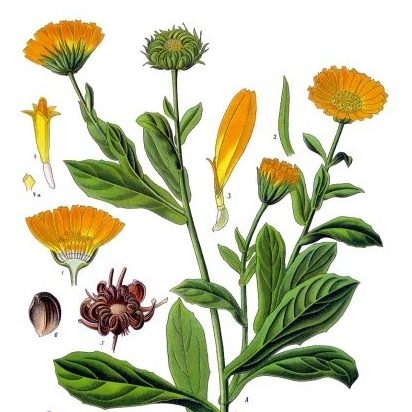

The Chemistry and Physics of Long-Term Herbal Preservation
This comprehensive guide explores the scientific principles underlying effective herb storage. We’ll examine the chemical degradation pathways, the physics of gas exchange, container material science, and evidence-based storage protocols that maximise the preservation of therapeutic compounds over months and years.
Cultural Context and Scope
Rongoā Māori and Traditional Knowledge
This guide addresses herb storage from a Western botanical and phytochemical perspective. It is important to acknowledge that:
Rongoā Māori is a Complete Healing System:
Rongoā Māori (traditional Māori medicine) is a holistic healing system with its own protocols, cultural practices, karakia (incantations/prayers), and knowledge frameworks passed down through generations. It encompasses spiritual, physical, and communal dimensions that extend far beyond botanical chemistry.
This Guide’s Scope:
This document presents storage principles based on:
- Western phytochemistry (chemical compound stability)
- Food science (degradation mechanisms, water activity)
- Materials science (container permeability, gas exchange)
This Guide Does NOT:
- Represent rongoā Māori knowledge or practice
- Provide instruction on traditional preparation or use of native plants within rongoā frameworks
- Address spiritual or cultural protocols for working with taonga (treasured) plants
For Rongoā Māori Knowledge and Practice:
Those seeking rongoā Māori knowledge should connect with:
- Te Paepae Motuhake (Rongoā Standards Authority): The regulatory body for rongoā Māori practice
- Local marae: Community centres often have connections to rongoā practitioners
- Māori health providers: Many DHBs and community health organisations have rongoā services
- Qualified rongoā practitioners: Who have traditional training and cultural authority
Respect for Taonga Species:
Native plants like kawakawa, horopito, and mānuka are taonga (treasures) with deep cultural significance. While this guide addresses their storage from a chemistry perspective, users should:
- Understand these plants within their cultural context
- Approach harvest and use with respect and gratitude
- Follow conservation protocols (see Harvesting Guide for details)
- Consider learning from Māori perspectives on plant relationships
Complementary Approaches:
Western botanical knowledge and rongoā Māori can coexist respectfully when boundaries are clear and cultural authority is honoured. This guide offers one lens (phytochemistry) while recognising it is not the only—or necessarily primary—way of understanding these plants.
Table of Contents
- Chemistry of Stored Herb Degradation
- Oxidation Mechanisms and Prevention
- Water Activity in Storage
- Light-Induced Photodegradation
- Temperature Effects on Stability
- Container Material Science
- Gas Permeability and Headspace Management
- Stability of Different Compound Classes
- Monitoring and Quality Control
- Advanced Preservation Techniques
Chemistry of Stored Herb Degradation
Primary Degradation Reactions
Even properly dried herbs undergo slow chemical changes during storage. Understanding these reactions allows us to minimise their impact.
1. Oxidation
- Most significant degradation pathway
- Affects volatile oils, flavonoids, carotenoids, chlorophyll
- Catalysed by oxygen, light, heat, and metal ions
2. Hydrolysis
- Requires water
- Breaks glycosidic bonds, ester bonds
- Can convert active compounds to inactive forms
- Minimal when water activity <0.6, but still occurs slowly
3. Enzymatic Reactions
- Most enzymes denatured during drying
- Some residual activity at moisture contents >10%
- Accelerated by increased temperature and moisture
4. Polymerisation
- Some compounds (tannins, phenolic acids) can polymerise
- Changes solubility and bioavailability
- Generally slow process
The Q10 Rule: Temperature and Reaction Rates
Q10 = Factor by which reaction rate increases with each 10°C temperature rise
For most degradation reactions in herbs:
- Q10 ≈ 2-3
Practical implication:
A herb stored at 25°C degrades 2-3 times faster than the same herb at 15°C.
Example:
- Herb with 12-month shelf life at 15°C
- Same herb at 25°C: 4-6 month shelf life
- Same herb at 35°C: 2-3 month shelf life
This is why cool storage is so critical.
Why this matters: Understanding Q10 helps you predict what will happen to YOUR herbs in YOUR home. If you live in Auckland and your pantry reaches 28°C in summer, you now know your herbs are degrading 4x faster than the textbook assumes (which is usually based on 15-20°C). This knowledge lets you adjust: move to cooler location, use refrigeration, or plan to replace herbs more frequently.
Oxidation Mechanisms and Prevention
Free Radical Chain Reactions
Oxidation typically proceeds through free radical mechanisms:
Initiation:
- Light, heat, or metal ions generate free radicals
- R-H → R• + H• (hydrogen abstraction from organic molecule)
Propagation:
- R• + O₂ → ROO• (peroxy radical formation)
- ROO• + R-H → ROOH + R• (chain continues)
Termination:
- R• + R• → R-R
- Or reaction with antioxidant terminates chain
Compounds Most Susceptible to Oxidation
Volatile Oils (Terpenes):
- Contain double bonds (C=C) vulnerable to oxygen attack
- Peroxidation leads to off-odours and loss of activity
Flavonoids and Polyphenols:
- Phenolic -OH groups oxidise to quinones
- Loss of colour and antioxidant activity
- Example: Quercetin → brown oxidation products
Carotenoids:
- Conjugated double bond systems extremely oxygen-sensitive
- Bleaching of yellow/orange colours
- Example: β-carotene degradation
Chlorophyll:
- Oxidation and structural changes
- Green → brown colour shift
- Indicator of overall degradation
Why this matters: Free radical chemistry explains why that jar of calendula flowers turned from brilliant orange to pale yellow. Oxygen, light, and heat all feed the radical chain reaction. Each factor you control (dark jar, cool location, airtight seal) breaks the chain and preserves colour, aroma, and therapeutic compounds.
Factors Accelerating Oxidation
1. Oxygen Concentration
- Rate proportional to O₂ partial pressure
- Reducing headspace oxygen from 21% to 5% can double shelf life
2. Light Exposure
- Photo-oxidation: Light provides energy for radical formation
- UV and blue light most damaging
- Catalyses oxidation even at room temperature
3. Temperature
- Higher temperature = faster oxidation
- Exponential relationship (Arrhenius equation)
4. Moisture Content
- Water can participate in oxidation reactions
- Slightly elevated moisture (>12%) accelerates oxidation
5. Metal Catalysts
- Trace iron, copper from soil can catalyse oxidation
- Chelating agents (like EDTA) can inhibit this
6. Surface Area
- Powdered herbs oxidise much faster than whole
- More surface exposed to oxygen
Oxidation Prevention Strategies
Primary Strategy: Eliminate Oxygen
- Airtight containers (reduce oxygen concentration in headspace)
- Oxygen absorber packets (scavenge residual oxygen)
- Vacuum sealing (removes oxygen entirely)
- Nitrogen flushing (replaces oxygen with inert gas)
Secondary Strategy: Reduce Other Pro-Oxidant Factors
- Dark storage (prevent photo-oxidation)
- Cool temperatures (slow reaction rates)
- Low moisture (minimise water’s catalytic role)
- Antioxidant-rich storage (some herbs protect others)
Water Activity in Storage
Understanding Equilibrium Moisture Content
Definition: The moisture content at which an herb neither gains nor loses water from the surrounding air.
Relationship to Relative Humidity:
At equilibrium:
- Herb water activity (aw) = Relative humidity (RH) of surrounding air
Example:
- Herb with aw = 0.5 stored in 50% RH environment → equilibrium (no change)
- Same herb in 70% RH environment → absorbs moisture until aw = 0.7
Moisture Sorption Isotherms
Different herbs have unique sorption isotherms—the relationship between moisture content and water activity.
Typical Pattern for Dried Herbs:
- 8% moisture content → aw ≈ 0.4-0.5
- 10% moisture → aw ≈ 0.5-0.6
- 12% moisture → aw ≈ 0.6-0.7
- 15% moisture → aw ≈ 0.7-0.8
Critical threshold: aw = 0.6
Above this, microbial growth becomes possible.
Humidity-Induced Degradation
Effects of Moisture Reabsorption:
At aw 0.6-0.7 (60-70% RH storage):
- Possible mold growth (especially xerophilic species)
- Reactivation of residual enzymes
- Accelerated hydrolysis reactions
- Increased oxidation (water as catalyst)
At aw >0.7 (>70% RH):
- High mold risk
- Potential bacterial growth
- Rapid quality loss
- Clumping, caking
Why this matters: If you live in humid Auckland and store herbs in permeable containers, they will absorb moisture until aw reaches 0.75-0.80—well above the 0.6 mold threshold. Chemistry says mold is inevitable without intervention. Airtight containers aren’t a nice extra; they’re essential.
NZ Regional Storage Chemistry
Understanding how NZ’s regional climates affect degradation mechanisms allows for evidence-based storage adaptations:
High Humidity Regions (Auckland, Northland, Bay of Plenty, Coromandel, Coastal Areas)
Climate Characteristics:
- Annual average RH: 75-85%
- Summer RH: Often 85-95% (coastal, humid days)
- Consistent year-round humidity (maritime influence)
- Daily fluctuations relatively small
Chemical Implications:
Water activity equilibration:
- Herbs stored in permeable containers will equilibrate to aw = 0.75-0.85 within 2-4 weeks
- This significantly exceeds aw = 0.6 (mold threshold)
- Equilibration kinetics: Leafy herbs fastest (high surface area), roots slower (dense structure)
Hydrolysis acceleration:
- Elevated moisture catalyses glycosidic bond cleavage in flavonoid glycosides
- Example: Rutin (quercetin-3-rutinoside) → quercetin + rutinose
- Loss of glycoside may alter bioavailability and therapeutic effects
Enzymatic reactivation risk:
- Residual enzymes may show activity at aw >0.7
- Polyphenol oxidase: Catalyses browning reactions
- Peroxidase: Can degrade volatile compounds
- Even “dried” herbs retain 1-5% enzyme activity at high aw
Oxidation enhancement:
- Water participates as catalyst in many oxidation pathways
- Hydroxyl radicals (•OH) form more readily in aqueous environment
- Accelerates photo-oxidation under light exposure
Volatile oil loss:
- High humidity + elevated temperature accelerates terpene evaporation and degradation
- Water can facilitate hydrolysis of ester-linked volatile compounds
- Example: Linalyl acetate → linalool + acetic acid (less aromatic)
Storage Requirements (NOT optional):
- Airtight containers ESSENTIAL: Non-negotiable in high-humidity climates
- Desiccant packets mandatory: Replace every 2-3 months (becomes saturated quickly)
- Check frequency: Weekly during summer (Dec-Feb), bi-weekly during cooler months
- Dehumidifier recommended: For dedicated storage rooms (reduces ambient load on desiccants)
- Refrigeration consideration: For valuable volatile oil-rich herbs (lavender, peppermint, lemon balm)
Degradation Timeline Without Protection:
- Week 1-2: Moisture reabsorption begins, aw rises toward 0.75
- Week 3-4: aw exceeds 0.6, mold spore germination possible (especially Aspergillus, Penicillium species)
- Month 2: Visible quality loss (colour fading, aroma weakening, potential browning)
- Month 3: Significant degradation, potential mold visible as green/black/white spots
Practical Translation:
A jar of peppermint stored in an Auckland kitchen without airtight seal will show noticeable quality decline in 6-8 weeks, and may develop mold in 10-12 weeks. Same jar with airtight seal + desiccant: 12-18 months shelf life.
Moderate Humidity Regions (Wellington, Manawatu, Wairarapa, Most Coastal NZ)
Climate Characteristics:
- Annual average RH: 70-75%
- Variable (50-85% range)
- Strong wind (increases evaporation but creates storage challenges)
- Seasonal patterns (spring/autumn often more humid)
Chemical Implications:
Equilibration to aw ≈ 0.70-0.75:
- Still above critical threshold without protection
- Risk timeline: 3-6 weeks to reach equilibrium (slightly slower than Auckland due to variable conditions)
Seasonal variability:
- Spring/autumn: High humidity (70-80% RH), increased mold risk
- Summer nor’westers: Very low humidity (40-50% RH), extended safe storage window
- Winter southerlies: Moderate to high humidity (60-75% RH)
Wind effects:
- Low humidity during föhn winds (nor’westers): Dry air from mountains
- Rapid humidity changes: 60% RH → 40% RH → 75% RH in 24-48 hours
- Container seal integrity critical to prevent moisture cycling
Temperature swings:
- Wellington’s 10-15°C diurnal variation affects condensation risk
- Mechanism: Warm jar (daytime 22°C) + cool night air (12°C) = interior condensation
- Water condenses on coolest surface (usually herb material or jar interior)
Storage Requirements:
- Airtight containers essential: Standard protocol year-round
- Desiccant packets recommended: Replace every 3-4 months
- Check frequency: Bi-weekly to monthly (more during humid periods)
- Seal integrity critical: Wind-driven air exchange if seals poor
- Temperature-stable location: Interior cupboard (not kitchen, not near windows)
Condensation Prevention:
- Store in thermally stable location (interior closet, not exterior wall)
- Avoid areas with high diurnal temperature swings
- If condensation observed, re-dry herbs immediately
Practical Translation:
Wellington’s variable climate requires attention to seals and location. A jar stored near a window (temperature fluctuation) with marginal seal may develop condensation in winter, leading to mold. Interior cupboard with good seal: standard 12-18 month shelf life achievable.
Low Humidity Regions (Central Otago, Canterbury, Mackenzie Country, Inland Areas)
Climate Characteristics:
- Annual average RH: 55-65%
- Summer RH: Can drop to 30-40% during hot, dry periods (nor’westers)
- Large diurnal temperature range (20°C+ swings)
- Very low humidity during föhn events
Chemical Implications:
Lower equilibration point:
- aw ≈ 0.55-0.65 at ambient conditions
- Below or near critical threshold (aw = 0.6)
- Mold risk naturally reduced significantly
Oxidation still primary concern:
- Heat (25-35°C summers) accelerates Q10-dependent reactions
- At 35°C: Degradation 4-6x faster than at 15°C
- Temperature more critical than moisture in these regions
Extreme dryness risk:
- Over-dried herbs (<5% moisture) can become:
- Brittle (cell wall collapse)
- Powdery (loss of structural integrity)
- Less efficient at rehydration (for tea/infusion)
- Some moisture content (6-8%) actually protective of cell structure
Storage Advantages:
- Moisture control less critical (ambient RH lower)
- Mold risk naturally reduced
- Herbs can remain stable in less-than-perfect containers longer
Storage Considerations:
Temperature control MORE critical than humidity:
- Summer heat (30-35°C) severe concern
- Q10 effect: Herb at 35°C degrades 4-6x faster than at 15°C
- Solutions:
- Store in coolest room (bedroom, not kitchen)
- Basement or cellar if available (naturally 15-20°C)
- Insulated cupboard or cooler box
- Wine fridge for premium herbs (secondhand ~$150-300 on Trade Me)
Desiccant optional but helpful:
- Provides buffer against seasonal humidity shifts
- Spring rains can temporarily raise humidity to 70%+
- Protects during these periods
Check frequency:
- Can extend to 4-6 weeks (vs. weekly in Auckland)
- Emphasis on colour/aroma assessment (heat degradation) rather than moisture
Temperature Swings:
- 5°C night → 30°C day creates condensation risk as jars warm/cool
- Solution: Store in thermally stable location
- Interior closet (not exterior wall)
- Underground if available (constant temperature)
- Insulated cupboard
Practical Translation:
Central Otago herbalist can extend check intervals and use less sophisticated moisture control, BUT must prioritise cool storage. That same peppermint jar that survives 18 months in Auckland airtight storage might degrade in 6 months in a hot Otago kitchen, despite low humidity. Temperature is the enemy here, not moisture.
Key Insight Across All Regions:
Chemistry is universal, but environmental context varies dramatically. Auckland herbalist battles moisture (aw management critical); Otago herbalist battles heat (Q10 considerations paramount); Wellington herbalist manages both (variable conditions require flexible approach). Understanding your regional chemistry allows evidence-based decision-making rather than generic advice.
Light-Induced Photodegradation
Photochemical Degradation Mechanisms
Light Energy and Chemical Bonds:
- Visible and UV light carry energy: 150-300 kJ/mol
- Many organic bonds have dissociation energies in this range
- Light can directly break chemical bonds
Types of Photodegradation:
1. Direct Photolysis:
- Light directly cleaves chemical bonds
- Example: Chlorophyll → pheophytin (loss of magnesium)
2. Photo-oxidation:
- Light generates reactive oxygen species (singlet oxygen, superoxide)
- These species attack organic molecules
- Chain reaction can degrade many molecules from single photon
3. Photosensitised Reactions:
- One compound (sensitiser) absorbs light
- Transfers energy to another compound
- Causes degradation of the second compound
Wavelength-Specific Effects
UV Light (280-400nm):
- Highest energy
- Most destructive
- Breaks C-C and C=O bonds
- Generates free radicals
Blue Light (400-500nm):
- Moderate energy
- Degrades carotenoids
- Accelerates chlorophyll breakdown
Green-Red Light (500-700nm):
- Lower energy
- Minimal direct bond breaking
- Can still contribute to photo-oxidation via sensitisers
Compounds Most Vulnerable to Light
Chlorophyll:
- Absorbs light (that’s its function)
- Undergoes structural changes
- Green → olive → brown colour shift
- Loss indicates broader degradation
Carotenoids:
- Absorb blue light
- Bleach rapidly in light
- Loss of yellow/orange colour
Flavonoids:
- Some undergo photodegradation
- Quercetin particularly sensitive
- Loss of colour and antioxidant activity
Essential Oils:
- Photo-oxidation of terpenes
- Formation of off-odour compounds
- Particularly monoterpenes
Light Protection Strategies
Container Selection:
- Amber glass: Blocks 99% of UV and most blue light
- Cobalt blue glass: Blocks UV and some blue
- Opaque containers: Block all light (metal, ceramic)
- Clear glass: Blocks UV-C but transmits UV-A/B and visible light (inadequate alone)
Storage Location:
- Dark cupboard/pantry: Complete light exclusion
- Drawers: Good light protection
- Countertops: Avoid even with dark jars (some light penetration)
Wrapping/Covering:
- Cloth wraps over clear jars
- Boxes or bins for jar storage
- Aluminium foil (temporary, for very light-sensitive herbs)
Temperature Effects on Stability
Arrhenius Equation and Herb Stability
The Arrhenius Equation:
k = A × e^(-Ea/RT)
Legend:
- k = reaction rate
- A = pre-exponential factor
- Ea = activation energy
- R = gas constant
- T = absolute temperature (Kelvin)
Practical meaning:
Small increases in storage temperature cause exponential increases in degradation rate.
Temperature-Specific Degradation Rates
Based on compiled research data:
Storage at 10°C (cool cellar):
- Baseline shelf life: 100%
- Volatile oil retention: Excellent
Storage at 15°C (cool room):
- Shelf life: ~90% of 10°C storage
- Volatile oil retention: Very good
Storage at 20°C (room temperature):
- Shelf life: ~70% of 10°C storage
- Volatile oil retention: Good
Storage at 25°C (warm room):
- Shelf life: ~50% of 10°C storage
- Volatile oil retention: Moderate
Storage at 30°C (hot environment):
- Shelf life: ~30% of 10°C storage
- Volatile oil retention: Poor
Example:
Peppermint stored at 10°C retains 90% volatile oil after 12 months.
Same herb at 30°C retains only 40% after 12 months.
NZ Summer Storage Challenges
Many NZ homes reach temperatures that significantly accelerate degradation:
Temperature Reality in NZ Homes:
- Auckland/Northland homes: 26-32°C common on hot days (many homes without air conditioning)
- Inland areas (Hamilton, Napier, Hawke’s Bay): 28-35°C during heatwaves
- Central Otago: 30-38°C summer days (hot, dry continental climate)
- Even “cool” Wellington: 22-28°C on hot nor’westerly days
- Canterbury plains: 28-35°C during summer
Degradation Calculation Example:
Peppermint essential oil stored at different temperatures (Q10 = 2.5):
- 15°C (ideal cellar): 100% potency after 12 months
- 25°C (warm room): 40% potency after 12 months (2.5x faster degradation)
- 35°C (hot kitchen summer): 16% potency after 12 months (6.25x faster degradation)
Translation: That jar of peppermint on your Auckland kitchen counter in January might lose half its potency in 6-8 weeks.
Regional Temperature Priorities:
Critical in:
- Auckland/Northland: 28-32°C indoor temps common (Dec-Feb)
- Bay of Plenty: 26-30°C summers
- Inland North Island (Hamilton, Rotorua, Taupo): 28-34°C
- Central Otago: 30-38°C (highest priority for cool storage)
- Canterbury plains: 28-35°C
Important in:
- Wellington: 22-28°C during nor’westers (less frequent but still significant)
- Coastal areas: Generally cooler (20-26°C) but still benefits from cool storage
Less critical but still valuable in:
- Far south (Dunedin, Invercargill): Cooler summers (18-24°C), but heat waves still occur
Solutions for Hot NZ Summers:
1. Coolest Room Storage:
- Usually bedroom or interior hallway (away from kitchen heat)
- Not kitchen (stove, oven, refrigerator motors add 5-10°C)
- Temperature difference: Kitchen 30°C vs. bedroom 24°C = significant
2. Lowest Shelf Placement:
- Heat rises: Top shelf can be 5-8°C warmer than bottom shelf
- Store herbs on floor-level cupboards when possible
- Physics: Warm air is less dense, rises to ceiling
3. Insulated Storage:
- Cooler bags or insulated boxes maintain 5-10°C temperature reduction
- Line cupboard with foam insulation board
- Eskies (coolers) with ice packs (replace daily during extreme heat)
4. Wine Fridge for Premium Herbs:
- Secondhand wine fridges (12-18°C setting) available on Trade Me $150-300
- Significant investment justified for valuable herb collections
- Can extend shelf life 300-400% during hot summers
- Energy cost: ~$50-100 per year
5. Refrigerator (with proper protocol):
- Temperature: 2-5°C stops degradation almost entirely
- Critical protocol: See Advanced Techniques section
- Must prevent condensation (allow jar to warm before opening)
- Best for: High-value volatile oil herbs
6. Seasonal Rotation:
- Summer (Dec-Feb): Refrigerated or wine fridge storage
- Autumn/Spring (Mar-May, Sep-Nov): Standard cool cupboard acceptable
- Winter (Jun-Aug): Standard storage excellent (naturally cool)
Comparative Example:
- Lavender stored in Auckland kitchen (summer average 28°C): 4-6 month shelf life
- Same lavender in Auckland bedroom cupboard (23°C): 10-12 month shelf life
- Same lavender in wine fridge (15°C): 18-24 month shelf life
- Same lavender in refrigerator (4°C): 36+ month shelf life
Cost-Benefit Analysis:
- Wine fridge ($200 initial + $75/year energy): Preserves $500+ herbs annually = pays for itself in <1 year
- Bedroom storage (free): 2-3x shelf life extension vs. kitchen
- Refrigerator storage (minimal additional energy): 4-6x shelf life extension
Thermal Stress and Fluctuations
Temperature Cycling:
Repeated temperature changes are more damaging than constant elevated temperature.
Why:
- Condensation can form during cooling (moisture exposure)
- Thermal stress can rupture cellular structures
- Accelerated diffusion during heating cycles
Implication:
Stable, moderately cool storage (15-20°C) better than fluctuating between 10-30°C.
Practical Temperature Management
Ideal Storage Temperatures:
- Excellent: 10-15°C (cool cellar, wine fridge)
- Very Good: 15-20°C (cool room, interior cupboard)
- Acceptable: 20-25°C (typical room temp, away from heat sources)
- Poor: >25°C (avoid)
Heat Sources to Avoid:
- Stoves and ovens: Can reach 40-60°C in adjacent areas
- Refrigerator/dishwasher motors: Heat generation
- Direct sunlight: Can heat containers to 35-50°C
- Ceiling-level storage: Heat rises (can be 5-10°C warmer)
- Hot water cupboard (HWC): Too warm for herb storage
Cooling Strategies:
- Interior cupboards (not exterior walls)
- Lower shelves (cooler than high shelves)
- North-facing rooms (Southern Hemisphere—less sun exposure)
- Basement or underground storage (naturally cool)
Container Material Science
Glass
Advantages:
- Impermeable to gases (perfect oxygen barrier)
- Chemically inert (doesn’t react with herbs)
- Doesn’t absorb volatile oils
- Reusable indefinitely
Types:
- Clear glass: Inadequate light protection alone
- Amber (brown): Blocks 99% UV, most blue light
- Cobalt blue: Blocks UV, some blue
- Green: Minimal additional protection vs. clear
Optimal Choice: Amber glass with rubber-gasketed lid
Limitation:
- Fragile
- Heavier (shipping/handling)
- More expensive initially
Metal
Advantages:
- Completely blocks light
- Durable
- Good for bulk storage
Types:
- Tin-plated steel: Common, affordable
- Stainless steel: Premium, doesn’t corrode
- Aluminium: Lightweight, good barrier
Limitation:
- Not truly airtight (oxygen slowly diffuses through lid seal)
- Can corrode if moisture present (except stainless)
- May impart metallic taste with some herbs
Plastic
Advantages:
- Lightweight
- Inexpensive
- Unbreakable
Types:
- HDPE (high-density polyethylene): Better oxygen barrier
- PET: Common, moderate barrier
- Polypropylene: Good for short-term
Limitation:
- Gas permeability: Oxygen diffuses through plastic (even when sealed)
- Volatile absorption: Essential oils can be absorbed into plastic walls
- Potential leaching: Some plastics may leach compounds over time
Acceptable For:
- Short-term storage (<3 months)
- Non-aromatic herbs (roots, bark)
Ceramic/Stoneware
Advantages:
- Impermeable
- Blocks light
- Traditional aesthetic
Limitation:
- Lids usually not airtight
- Heavy
- Expensive
Gas Permeability Data
Oxygen Transmission Rate (OTR) – Lower is Better:
| Material | OTR (cc/m²/day) |
|---|---|
| Glass | 0 (impermeable) |
| Aluminium foil | <0.01 |
| HDPE plastic | 150-300 |
| PET plastic | 50-100 |
| Polypropylene | 200-400 |
Practical Meaning:
Herbs in glass jar with perfect seal: No oxygen enters.
Same herbs in HDPE container: Oxygen continuously diffuses in, even sealed.
Where to Source Storage Supplies in NZ
Dark Glass Jars:
- Online: Trade Me (search “amber glass jars”), Mighty Ape, The Warehouse online
- Hospitality suppliers:
- M&H Plastics (Auckland, Wellington, Christchurch locations)
- Supreme Hospitality (nationwide)
- Restaurant Supplies (major cities)
- Specialty stores: Commonsense Organics, Bin Inn stores, health food shops
- General retail: The Warehouse (preserving jars in some locations), Briscoes (occasionally)
- Cost: $2-8 per jar (100-500ml); bulk purchases often 20-30% discount
Oxygen Absorber Packets:
- Online: Trade Me (NZ sellers), Mighty Ape, AliExpress (3-4 week shipping)
- Specialty: Some brewing supply stores (fermenting supplies section)
- Cost: NZ$10-20 for 50-100 packets (300cc size standard for herb jars)
Desiccant (Silica Gel) Packets:
- Free sources: Save from shoe boxes, vitamin bottles, electronics packaging (ensure food-safe)
- Purchase: Trade Me, Spotlight (craft section), packaging suppliers
- Cost: NZ$5-15 for 50 packets; often reusable (recharge in oven)
Vacuum Sealers:
- Retail: Briscoes, Farmers, The Warehouse
- Secondhand: Trade Me (often $30-80 for good condition)
- Cost: New $80-200; secondhand $30-80
- Use: Long-term storage, freezer storage
Temperature/Humidity Monitors:
- Basic: Bunnings, Mitre 10 (digital thermometer/hygrometer combo $15-30)
- Advanced: Online retailers (data-logging models $50-150)
- Purpose: Monitor storage room conditions, verify temperature/humidity levels
Wine Fridges (for premium herb storage):
- Secondhand: Trade Me (search “wine fridge” or “wine cooler”)
- Cost: $150-300 secondhand; $300-800 new
- Models: Look for 12-18°C temperature range, stable humidity control
Gas Permeability and Headspace Management
Headspace Oxygen
Definition: The air space between herb surface and container lid.
Why It Matters:
Even in sealed container, oxygen in headspace will react with herbs over time.
Calculation:
- 500ml jar, filled to 400ml with herbs
- Headspace: 100ml
- Air is 21% oxygen
- Headspace contains: 21ml oxygen
This oxygen will gradually oxidise herb compounds over months.
Oxygen Absorber Packets
Mechanism:
Iron powder + salt + water → iron oxide (rust)
This reaction consumes oxygen from environment.
Effect:
- Reduces headspace oxygen from 21% to <0.1% within 24-48 hours
- Creates near-anaerobic environment
- Dramatically slows oxidation reactions
Selection:
- Size: 300cc absorber suitable for 500ml-1L jar
- Quantity: One packet per jar
- Lifespan: Once activated (exposed to air), use within 30 minutes
Shelf Life Impact:
Can extend shelf life by 50-100% for volatile-rich herbs.
Cost-Effectiveness:
- Cost: ~$0.20-0.40 per jar
- Benefit: Double shelf life
- Excellent investment for long-term storage
Vacuum Sealing
Mechanism:
Removes air (including oxygen) before sealing.
Advantages:
- Eliminates headspace oxygen entirely
- Can be combined with oxygen absorbers
- Good for bulk storage or freezing
Disadvantages:
- Requires special equipment
- Cannot easily access herbs (must reseal each time)
- Can crush delicate herbs
Best For:
- Long-term storage (>1 year)
- Freezer storage
- Bulk quantities not accessed frequently
Nitrogen Flushing (Advanced)
Mechanism:
Replace air in container with nitrogen gas (inert, won’t react).
Method:
- Fill jar with herbs
- Flow nitrogen gas into jar (displaces air)
- Seal immediately
Advantages:
- Creates oxygen-free environment
- Nitrogen is inert (safe, no reactions)
Disadvantages:
- Requires nitrogen tank and regulator
- Expensive for home use
- Generally commercial application
Alternative:
Oxygen absorber packets achieve similar result at fraction of cost.
Stability of Different Compound Classes
Volatile Oils (Essential Oils)
Chemical Structure:
Primarily terpenes and terpenoids (mono-, sesqui-, and diterpenes).
Stability Ranking (Most to Least Stable):
- Diterpenes (C₂₀): Larger molecules, less volatile
- Sesquiterpenes (C₁₅): Moderate stability
- Monoterpenes (C₁₀): Highly volatile, least stable
Primary Degradation Mechanisms:
- Evaporation: Volatile compounds escape if container not airtight
- Oxidation: Double bonds (C=C) react with oxygen
- Polymerisation: Some terpenes form resins over time
Storage Recommendations:
- Airtight essential: Prevents evaporation
- Dark storage critical: Photo-oxidation is major pathway
- Cool temperatures: Every 10°C reduction doubles shelf life
- Minimal headspace: Less air = less oxidation
Expected Shelf Life:
- Excellent storage (dark, airtight, cool): 12-18 months
- Good storage (dark, airtight, room temp): 8-12 months
- Poor storage (light exposure, loose seal): 2-4 months
Herbs Particularly Rich in Volatile Oils:
Peppermint, lavender, rosemary, thyme, lemon balm, basil
Flavonoids
Chemical Structure:
Polyphenolic compounds, often as glycosides (sugar-bound forms).
Types:
- Flavonols (quercetin, kaempferol)
- Flavones (apigenin, luteolin)
- Flavanones (hesperidin, naringin)
- Anthocyanins (pigments in berries)
Primary Degradation Mechanisms:
- Oxidation: Phenolic -OH groups → quinones (brown products)
- Hydrolysis: Glycosidic bonds cleave (if moisture present)
- Photo-degradation: Some flavonoids light-sensitive
Stability Factors:
- Glycosides more stable than aglycones (sugar provides some protection)
- Chelation: Flavonoids bound to minerals (Fe, Cu) more stable
- pH matters: More stable at slightly acidic pH
Storage Recommendations:
- Dark storage helpful: Prevents photo-oxidation
- Airtight important: Reduces oxidation
- Dry storage critical: Prevents hydrolysis of glycosides
- Cool temperatures beneficial: Slows oxidation
Expected Shelf Life:
- Excellent storage: 12-24 months
- Good storage: 10-15 months
- Poor storage: 6-8 months
Herbs Particularly Rich in Flavonoids:
Calendula, chamomile, hawthorn, elderflower
Tannins
Chemical Structure:
Polyphenolic polymers (condensed tannins, hydrolysable tannins).
Stability:
Generally very stable due to:
- Large molecular size (less volatile)
- Complex structure (resistant to degradation)
- Antioxidant properties (self-protecting)
Primary Degradation:
- Polymerisation: Can form larger, less soluble polymers
- Oxidation: Slow process, produces darker colour
Storage Recommendations:
- Standard storage adequate
- Tannins among most stable herb compounds
Expected Shelf Life:
- 2-4 years with basic dark, dry storage
- Longer than most other compound classes
Herbs Particularly Rich in Tannins:
Oak bark, witch hazel, raspberry leaf, plantain
Alkaloids
Chemical Structure:
Nitrogen-containing compounds, often bitter.
Examples:
- Morphine, codeine (opium poppy)
- Caffeine (tea, coffee)
- Berberine (goldenseal, barberry)
Stability:
Generally good to excellent:
- Most alkaloids stable at room temperature
- Crystalline forms very stable (decades)
- Some degradation with heat, moisture, light
Primary Degradation:
- Hydrolysis: In high moisture
- Oxidation: For some alkaloids (depends on structure)
Storage Recommendations:
- Dry storage essential: Prevents hydrolysis
- Cool, dark storage extends life
- Generally less demanding than volatile oils
Expected Shelf Life:
- 2-3 years with standard storage
- Some alkaloids stable for decades (caffeine)
Herbs Containing Alkaloids:
Coffee, tea, goldenseal, lobelia (Note: Many alkaloid-containing herbs are not commonly stored as dried herbs for home use due to toxicity concerns)
Mucilage and Polysaccharides
Chemical Structure:
Complex carbohydrates, often form gels in water.
Stability:
Moderate:
- Vulnerable to hydrolysis (moisture breaks bonds)
- Susceptible to microbial degradation (if aw >0.6)
- Generally stable to oxidation
Primary Degradation:
- Microbial: Mold, bacteria can digest polysaccharides
- Hydrolysis: Acidic or alkaline conditions, moisture
Storage Recommendations:
- Very dry storage critical: Keep aw <0.5
- Airtight essential: Prevents moisture reabsorption
- Desiccant packets highly recommended
Expected Shelf Life:
- Excellent storage (very dry): 12-18 months
- Good storage: 8-12 months
- Poor storage (moisture present): 2-4 months (mold risk high)
Herbs Particularly Rich in Mucilage:
Marshmallow root, slippery elm, plantain, mullein
Vitamins
Stability Varies Widely:
Stable Vitamins:
- Vitamin E (tocopherols): Very stable, actually protects other compounds
- Vitamin K: Stable in dried herbs
Moderately Stable:
- Vitamin A precursors (carotenoids): Oxidise slowly, light-sensitive
- B vitamins: Variable (some stable, some degrade)
Unstable:
- Vitamin C: Highly unstable, oxidises readily
Storage Impact:
- Vitamin C: Expect 50-80% loss within 6 months, even in good storage
- Vitamin A precursors: 20-40% loss in 12 months with light exposure
- Vitamin E: Minimal loss over years
Practical Implication:
Don’t rely on dried herbs for vitamin C (use fresh or supplements).
Carotenoid content declines but remains therapeutically relevant.
Minerals
Stability:
Excellent—minerals don’t degrade.
Forms in Herbs:
- Elemental minerals (calcium, magnesium, iron, etc.)
- Bound to organic molecules
Storage Considerations:
No special storage needed for mineral preservation.
Implication:
Herbs valued for mineral content (nettle, dandelion leaf) retain this value even when volatile compounds have degraded.
Stability of NZ Native Plant Compounds
Research on storage stability of NZ native medicinal plants is limited. This represents a significant knowledge gap, but we can apply general principles while acknowledging uncertainties:
Kawakawa (Piper excelsum) – Leaves
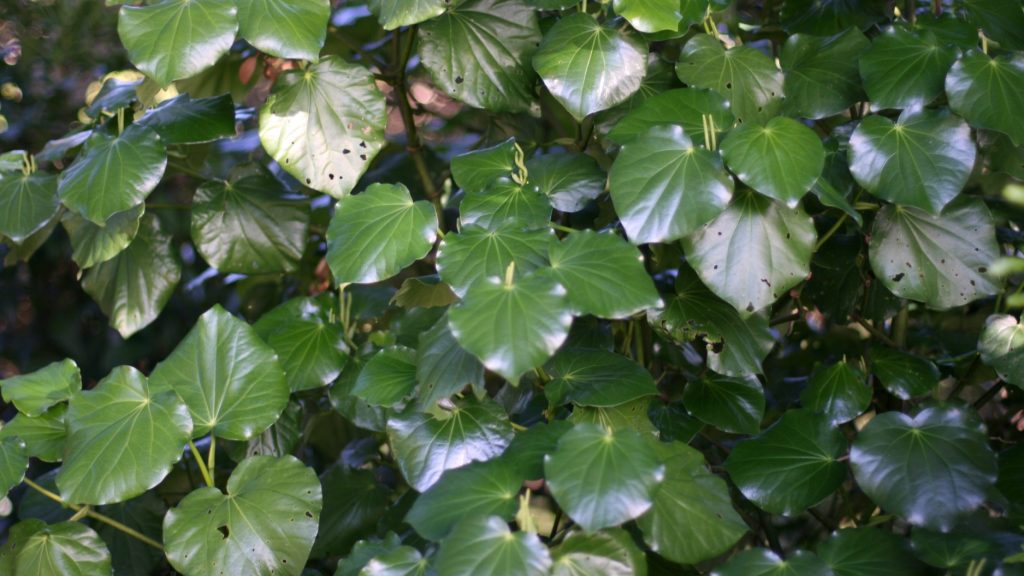
Key Compounds:
- Myristicin (phenylpropanoid, volatile aromatic compound)
- Sesquiterpenes (volatile oils)
- Flavonoids (primarily as glycosides)
- Minor alkaloids
Predicted Stability:
Myristicin:
- Structure: Phenylpropanoid with methoxy groups (-OCH₃) and methylenedioxy ring
- Stability characteristics:
- Moderately stable; phenylpropanoids generally more stable than monoterpenes
- Contains ether groups and aromatic ring (provides structural stability)
- Double bonds present (oxidation vulnerability)
- Expected shelf life: 12-18 months in dark, airtight storage at 15-20°C
- Primary degradation pathway: Oxidation (double bonds, ether groups can react with oxygen)
- Secondary concern: Evaporation (volatile, though less than monoterpenes)
Sesquiterpenes:
- Stability: Moderate (C₁₅ compounds less volatile than monoterpenes)
- Expected shelf life: 12-18 months
- Storage critical: Airtight (prevents evaporation)
Flavonoids:
- Stability: Good if protected from light/moisture
- Expected shelf life: 18-24 months
- Glycoside forms: More stable than aglycones
Storage Recommendations:
- Dark glass jars: Phenylpropanoids are light-sensitive
- Airtight containers: Volatile compounds will evaporate if exposed
- Cool storage: 15-20°C optimal; avoid >25°C
- Quality indicator: Aromatic scent should remain detectable when leaves crushed; leaf colour should stay green (brown = oxidation)
Research Gap: No published studies specifically on kawakawa volatile degradation kinetics during storage. Recommendations based on:
- Analogous compounds in related Piper species
- General phenylpropanoid stability data
- Anecdotal reports from NZ herbalists
Practical Observation Needed: NZ herbalists are encouraged to document:
- Initial aroma intensity (1-10 scale)
- Colour changes over time
- Storage conditions used
- Time to noticeable quality decline
Horopito (Pseudowintera colorata) – Leaves
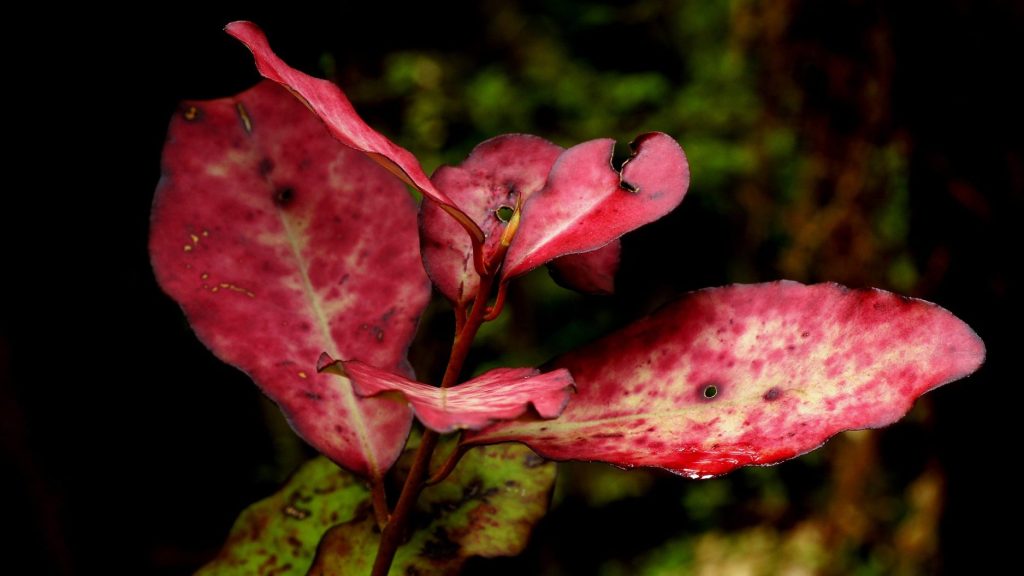
Key Compounds:
- Polygodial (sesquiterpene dialdehyde, 0.2-2% of dry leaf weight)
- Primary bioactive compound
- Responsible for intense “peppery” taste
- Antifungal, antimicrobial properties
- Additional sesquiterpenes (minor)
Predicted Stability:
Polygodial:
- Structure: Contains TWO aldehyde groups (HC=O)
- Aldehydes are reactive functional groups
- Double bond in ring structure
- Relatively large sesquiterpene (C₁₅)
- Vulnerability factors:
- Aldehyde oxidation: -CHO groups readily oxidise to -COOH (carboxylic acid)
- This conversion destroys bioactivity
- Light sensitivity: Aldehydes photodegrade (UV and blue light catalyse degradation)
- Polymerisation potential: Aldehydes can react with each other, forming dimers/polymers
- Michael addition reactions: Double bond + aldehyde makes compound reactive
- Expected shelf life:
- EXCELLENT storage (amber glass, airtight, oxygen absorber, 12-15°C): 18-24 months
- Good storage (amber glass, airtight, 18-20°C): 12-18 months
- Standard storage (clear jar in dark cupboard, airtight, room temp): 8-12 months
- Poor storage (clear jar, light exposure): 3-6 months (significant polygodial loss)
- Degradation indicators:
- Pungency loss: “Peppery” taste intensity directly correlates with polygodial content
- Colour change: Leaves may darken (aldehyde oxidation products brown)
- Aroma shift: Fresh horopito has distinct scent; degraded herb smells “flat” or “hay-like”
Storage Recommendations:
CRITICAL – Light Protection NON-NEGOTIABLE:
- Amber glass jars: Essential, not optional
- OR clear glass stored in completely dark location: If amber unavailable
- Never store in clear glass on counter/shelf: Light will degrade polygodial rapidly
Oxygen control highly recommended:
- Oxygen absorber packets: Justified expense for horopito
- Mechanism: Reduces aldehyde oxidation (removes O₂ that would react with -CHO groups)
- Impact: Can extend shelf life 30-50%
Airtight containers essential:
- Prevents volatile loss
- Prevents oxidation from air exposure
- Rubber-gasketed lids ideal
Cool storage:
- Optimal: 15-18°C (wine fridge, cool cupboard)
- Acceptable: 18-22°C (standard cool cupboard)
- Avoid: >25°C (accelerates aldehyde oxidation significantly)
Quality monitoring:
- Monthly taste test: Chew tiny piece; should be INTENSELY peppery
- If mild/weak: Polygodial has degraded, replace herb
- Quarterly visual check: Leaves should retain green-grey colour
- Brown/dark = oxidation = replace
- Aroma check: Should have distinct, pungent scent when crushed
Special Considerations:
Conservation context:
- Horopito grows slowly (10-20 years to harvesting maturity in wild)
- Proper storage is CRITICAL to avoid wasting this precious resource
- Premium storage methods (amber glass, oxygen absorbers, cool storage) are ethically justified
- Poor storage that results in degradation and waste is disrespectful to the plant
Value consideration:
- Horopito is expensive to purchase ($40-80 per 100g dried)
- Premium storage methods cost ~$5-10 per jar setup
- This investment protects $40-80 herb value—makes economic sense
Research Gap:
Limited published data on polygodial stability in dried Pseudowintera colorata specifically. Some research on isolated polygodial suggests:
- Aldehyde groups are primary vulnerability
- Light accelerates degradation significantly
- Oxygen presence necessary for aldehyde oxidation
Needs more research:
- Precise degradation kinetics at different temperatures
- Impact of various storage conditions on bioactivity
- Optimal packaging for commercial horopito products
Contributing to knowledge base:
NZ herbalists using horopito should document:
- Initial pungency intensity (1-10 scale)
- Storage method used (container type, location, temperature)
- Time to noticeable pungency decline
- Climate zone (Auckland/Wellington/Otago)
- Any visible quality changes
This community knowledge can fill research gaps and inform better storage practices.
Mānuka (Leptospermum scoparium) – Leaves

Key Compounds:
- Essential oils (0.5-2.5% of leaf dry weight):
- Triketones: Leptospermone, isoleptospermone, flavesone (unique to mānuka/kānuka)
- Sesquiterpenes: Cadinene, calamenene
- Monoterpenes: α-pinene, β-pinene (minor)
- Flavonoids: Quercetin, myricetin (as glycosides)
- Ellagitannins: Complex tannin structures
Predicted Stability:
Triketones (Leptospermone, Isoleptospermone, Flavesone):
- Structure: β-triketones (three ketone groups C=O in sequence)
- Larger molecules than typical monoterpenes (C₁₁)
- Higher molecular weight = less volatile than many essential oils
- Stability characteristics:
- Ketone groups generally stable: More stable than aldehydes, alcohols
- Conjugated system: Alternating single/double bonds provides stability
- Lower volatility: Less evaporation loss than monoterpenes
- Vulnerability:
- Oxidation possible: Ketone groups CAN be oxidised (though slower than aldehydes/alcohols)
- Double bonds: Some oxidation vulnerability
- Expected shelf life:
- Excellent storage: 12-18 months (triketone content retention >80%)
- Good storage: 10-14 months
- Poor storage: 6-8 months
Sesquiterpenes and Monoterpenes:
- Moderate volatility: Will evaporate if not airtight
- Oxidation-prone: Double bonds react with oxygen
- Expected shelf life: 10-14 months (good storage)
Flavonoids:
- Good stability with dark, dry storage
- Expected shelf life: 18-24 months
- Glycoside forms protect aglycone
Ellagitannins:
- Excellent stability: Highly stable tannin class
- Expected shelf life: 2-3 years
- Minimal degradation with standard storage
Storage Recommendations:
- Dark glass jars or tins: Standard herb storage
- Airtight: Preserves essential oils (prevents evaporation)
- Cool, dry storage: 15-22°C acceptable
- Standard protocols sufficient: Mānuka less demanding than horopito
Quality indicators:
- Aromatic scent: Mānuka has distinctive honey-like/resinous aroma
- If odourless: Essential oils have evaporated/degraded
- Leaf colour: Should retain grey-green to silver-green
- Brown = oxidation
- Taste: Slightly astringent, resinous flavour
- Flat/tasteless = degradation
Research Note:
- Mānuka honey: Extensively researched (methylglyoxal stability, etc.)
- Mānuka leaf: Less research on dried leaf storage stability
- Assumption: Triketone stability likely similar to other β-triketones in literature
- Gap: Specific kinetic data for mānuka leaf compound degradation not published
Practical Observation:
NZ herbalists report mānuka leaf remains aromatic and effective for 12-18 months with standard dark, airtight storage. This aligns with predicted stability based on compound class.
General Principles for NZ Native Storage (In Absence of Species-Specific Data)
Research Reality:
- European/Asian herbs: Decades of storage research (chamomile, peppermint, ginseng)
- NZ native herbs: Limited to no published storage stability studies
- Knowledge gap: Represents both challenge and opportunity
Conservative Approach:
1. Use Shorter Shelf Life Estimates Initially:
- European herb might be rated 18-24 months → assume 12-18 months for NZ native
- Build confidence through personal observation
- Document results to contribute to community knowledge
2. Emphasise Quality Monitoring:
- Check more frequently: Every 2-3 months vs. 6 months for well-studied herbs
- Sensory evaluation critical:
- Smell: Most important indicator for aromatic herbs
- Taste: Pungency, bitterness, astringency retention
- Appearance: Colour, texture changes
- Document baseline:
- Take photo at time of storage
- Rate aroma 1-10
- Note any distinctive characteristics
3. Apply Analogous Compound Data:
- If kawakawa contains phenylpropanoids → reference phenylpropanoid stability research
- If horopito contains aldehydes → reference aldehyde stability data
- Use compound class as proxy when species-specific data unavailable
4. Prioritise Best Storage Practices:
- Conservation ethic: Many natives slow-growing (horopito 10-20 years to maturity)
- Respect for taonga: Premium storage shows respect for precious plants
- Economic sense: Natives often expensive; protect investment
- Use:
- Amber glass (not “good enough” clear glass)
- Oxygen absorbers (justified for valuable herbs)
- Cool storage (wine fridge if available)
- Desiccant packets (especially humid regions)
5. Build Community Knowledge Base:
What to document:
- Initial quality (aroma, colour, taste – rate 1-10)
- Storage method (container type, location, temperature if known)
- Climate zone (Auckland/Wellington/Otago/other)
- Time to first noticeable change
- Time to significant quality loss
- Final assessment (when did you replace/discard?)
Why this matters:
- Individual observations = anecdotal
- 50 herbalists documenting same herb = valuable dataset
- Can fill research gaps through collective wisdom
Where to share:
- The Public Herbarium (email observations)
- NZ herbalist communities/forums
- Local herb groups
6. Acknowledge Uncertainty:
- It’s okay to say “research limited, I’m using conservative approach”
- It’s okay to replace herbs earlier if uncertain
- Better to replace at 12 months (safe) than push to 24 months (risky)
7. Trust Sensory Evaluation:
- Your nose, taste buds, eyes are sophisticated analytical instruments
- If herb smells weak/off: Chemistry has changed, replace it
- If pungency/bitterness lost: Active compounds degraded
- If colour faded significantly: Oxidation occurred
- Don’t override sensory data with wishful thinking (“it’s probably still good”)
Contributing to NZ Native Herb Knowledge:
The Public Herbarium is building a community knowledge base for NZ native herb storage. If you systematically document storage results for kawakawa, horopito, mānuka, or other natives, please share:
Email observations to: [contact info for The Public Herbarium]
Include:
- Herb name (common and botanical)
- Storage method details
- Climate zone
- Timeline of quality changes
- Photos if possible
Long-term goal:
Compile community observations into evidence-based storage recommendations specific to NZ native plants, filling the current research gap with collective practical wisdom.
Monitoring and Quality Control
Establishing Baseline Quality
At Time of Storage:
Document:
- Visual appearance (colour, texture)
- Aroma intensity (scale of 1-10)
- Moisture content (if measured)
- Date stored
- Source/harvest date
Methods:
- Photos (colour reference)
- Written notes
- Sample retention (small sealed sample for comparison)
Periodic Monitoring
Regional Monitoring Frequencies:
High Humidity Regions (Auckland, Northland, Coromandel, Bay of Plenty):
- First month: Weekly checks (critical establishment period, watch for moisture reabsorption)
- Summer (Dec-Feb): Weekly (heat + humidity maximum stress conditions)
- Autumn/Spring (Mar-May, Sep-Nov): Bi-weekly
- Winter (Jun-Aug): Monthly (coolest, often driest period)
Specific checks for humid regions:
- Moisture condensation on jar interior (indicates inadequate drying or poor seal)
- Clumping (indicates moisture reabsorption)
- Colour changes (oxidation accelerated by moisture)
- Any musty odour (mold, even if not visible yet)
Moderate Humidity Regions (Wellington, Manawatu, Wairarapa, Most of NZ):
- First month: Bi-weekly checks
- Summer: Weekly during heat waves, bi-weekly otherwise
- Autumn/Spring: Bi-weekly to monthly
- Winter: Monthly
Specific checks for variable climates:
- After major weather changes (southerly after hot nor’wester = humidity spike)
- After condensation risk events (warm day → cold night)
- Seal integrity (wind can stress closures)
Low Humidity Regions (Central Otago, Canterbury, Mackenzie):
- First month: Bi-weekly checks
- Summer: Bi-weekly (heat concern primary, not moisture)
- Autumn/Spring: Monthly
- Winter: 6-8 weeks (cold, dry = optimal conditions)
Specific checks for dry regions:
- Aroma/colour assessment (heat degradation) prioritised over moisture
- Temperature exposure (was jar in hot location during heat wave?)
- Brittleness (over-drying can make herbs powdery)
Standard Checks (All Regions):
Monthly Checks (First 3 Months):
- Visual inspection for moisture condensation
- Check for pest activity (grain moths, beetles)
- Verify seal integrity (lids tight)
Quarterly Checks (Ongoing):
- Aroma assessment: Crush small sample, compare to baseline
- Strong, characteristic = good
- Weak, hay-like = declining
- Off-odour = replace
- Colour check: Compare to baseline photo
- Vibrant, minimal fading = good
- Moderate fading = declining
- Significant fading (>50%) = replace
- Texture check: Should still be crisp, dry
- Flexible, soft = moisture reabsorption
- Sticky = moisture + sugars = danger zone
Annual Assessment:
- Comprehensive quality evaluation
- Decision to continue storage or replace
- Even if herbs “look okay,” consider replacing after 18-24 months (most herbs)
Degradation Indicators
Visual Indicators:
Colour Changes:
- Green → olive → brown = chlorophyll oxidation (significant quality loss)
- Bright → faded = pigment degradation (carotenoids, anthocyanins lost)
- Brown spots = localised oxidation or mold (inspect closely)
- White/grey fuzz = MOLD (discard immediately)
Texture Changes:
- Brittle → flexible = moisture reabsorption (check seal, add desiccant)
- Crisp → sticky = moisture + sugars (mold risk high, re-dry or discard)
- Dusty/powdery = over-dried or degraded cellular structure
Aromatic Indicators:
Aroma Intensity:
- Strong characteristic scent = excellent quality maintained
- Weak aroma = volatile oil loss (50-70% quality)
- Hay-like smell = significant degradation (replace)
- No smell = compounds degraded (minimal therapeutic value)
Presence of Off-Odours:
- Musty smell = MOLD (even if not visible, discard)
- Rancid smell = oil oxidation (fats/oils turned rancid, discard)
- Sour smell = bacterial activity (moisture present, discard)
- Chemical/plastic smell = container interaction (change container type)
Taste Indicators (for herbs you ingest):
- Strong, characteristic flavour = good quality
- Weak flavour = compound degradation (declining quality)
- Off-flavour/bitter (when shouldn’t be) = oxidation products (replace)
- Sour taste = bacterial/fermentation (discard)
Decision Matrix: Keep or Replace?
Replace Immediately If:
- ANY visible mold (white, green, black fuzz or spots)
- Musty or off odours (mold, rancidity, sourness)
- Moisture visible in jar (condensation, droplets)
- Pest activity (insects, larvae, webbing, droppings)
- Clumping with stickiness (indicates moisture + possible microbial activity)
Consider Replacing If:
- Weak or absent aroma (for aromatic herbs: peppermint, lavender, rosemary)
- Test: Crush sample; if barely detectable scent, volatile oils lost
- Significant colour loss (>50% fading from baseline)
- Indicates oxidation, compound degradation
- Stored >2 years (most herbs, regardless of appearance)
- Diminishing returns; better to replace with fresh
- Stored >18 months for volatile-rich herbs (mint, lemon balm, basil)
- Taste test shows weak or off flavours
- Make tea; if weak/odd taste, replace
Likely Still Acceptable If:
- Moderate colour retention (>50% of original vibrancy)
- Still aromatic when crushed (detectable characteristic scent)
- No off-odours or moisture signs
- Stored <12 months under good conditions (dark, airtight, cool)
- Roots/barks/seeds <2 years (these last longer than leaves/flowers)
Special Cases:
NZ Natives (Kawakawa, Horopito, Mānuka):
- Check MORE frequently (every 2-3 months vs. 6 months)
- Replace conservatively (12-18 months, even if appears okay)
- Sensory evaluation critical (limited analytical data available)
High-Value Herbs:
- Err on side of caution (replace at first quality doubt)
- Premium herbs justify analytical testing (if available)
Bulk Storage vs. Daily Use:
- Working jar (opened frequently): Replace every 6-12 months
- Bulk storage (opened rarely): Can last 18-24 months
Advanced Preservation Techniques
Modified Atmosphere Packaging (MAP)
Concept:
Replace normal air (21% O₂, 78% N₂, 1% other) with gas mixture that extends shelf life.
Gas Mixtures:
- High nitrogen (90-95%): Inert, displaces oxygen
- Low oxygen (<5%): Minimal oxidation
- Sometimes CO₂ (5-10%): Antimicrobial properties
Commercial Application:
- Used in commercial herb packaging
- Requires specialised equipment:
- Gas mixer
- Modified atmosphere packaging machine
- Gas supply (nitrogen, carbon dioxide cylinders)
- Can extend shelf life 200-300% vs. air storage
Mechanism:
- Nitrogen displaces oxygen (removes primary degradation factor)
- Low oxygen environment: Oxidation rate proportional to O₂ concentration
- 21% O₂ → 5% O₂ = 75% reduction in oxidation rate
- CO₂ (if used): Inhibits mold, bacteria (lowers pH at surface)
Home Approximation:
- Oxygen absorber packets provide similar benefit without expensive equipment
- Mechanism: Iron powder oxidises, scavenges O₂ from headspace
- Result: <1% O₂ within 24-48 hours (even better than commercial MAP)
- Cost: $0.20-0.40 per jar vs. $1000s for MAP equipment
- Accessibility: Much more practical for home herbalists
Verdict: Home herbalists should use oxygen absorbers rather than attempting MAP.
Cold Storage and Refrigeration
Refrigeration (2-5°C)
Scientific Basis:
- Q10 rule: Every 10°C reduction approximately halves degradation rate
- 25°C → 15°C: ~50% reduction
- 25°C → 5°C: ~75-85% reduction (two 10°C steps)
- Enzyme activity: Essentially stopped at refrigerator temperatures
- Oxidation kinetics: Dramatically slowed (Arrhenius equation)
Advantages:
- Significantly slows degradation reactions (volatile oil loss reduced 4-6x)
- Can extend shelf life 100-200% compared to room temperature storage
- Particularly good for volatile oil-rich herbs (peppermint, lavender, lemon balm, basil)
- Stops enzymatic activity completely
- Reduces oxidation rate by 75-85%
Disadvantages:
- Moisture condensation risk: Critical concern
- If jar removed from fridge (4°C) into room (20°C), moisture in air condenses on cold jar
- Water droplets form on herbs inside jar
- Can cause mold within days
- Requires dedicated herb space (not mixed with food that absorbs odours)
- Not practical for large collections (fridge space limited)
- Energy cost: Small but ongoing (~$20-50 per year for dedicated section)
Optimal Protocol to Prevent Condensation:
1. Ensure herbs completely dry before refrigeration
- Do jar test (24 hours sealed, check for condensation)
- Any moisture = re-dry before refrigeration
2. Store in airtight containers with desiccant
- Airtight: Prevents moisture entry from fridge humidity
- Desiccant: Absorbs any residual moisture
3. Allow containers to reach room temperature BEFORE opening
- Critical step: Remove jar from fridge, leave SEALED for 2-4 hours
- Jar warms to room temperature while sealed
- When opened, no temperature differential = no condensation
- This is the key to successful refrigerated storage
4. Remove only needed amount, reseal immediately
- Minimise time jar is open at room temperature
- Quick access: Have working jar at room temp, bulk in fridge
5. Return to refrigerator promptly
- Don’t leave on counter (temperature cycling stressful)
Best For:
- High-value volatile oil herbs (essential oil content is investment)
- Herbs used medicinally where potency critical (not just culinary)
- Long-term storage (>12 months planned)
- Climates with hot summers (NZ: Auckland, Northland, Central Otago)
Example:
- Peppermint stored at room temperature (22°C): 40% volatile oil loss in 12 months
- Same peppermint refrigerated (4°C): 15% volatile oil loss in 12 months
- Result: 2-3x better retention
Cost-Benefit:
- Energy cost: ~$30/year (small fridge section)
- Herb value protected: $200-500 (for serious herbalist collection)
- Return on investment: Pays for itself quickly
Freezing (-18°C)
Scientific Basis:
- At -18°C, nearly all chemical reactions stop
- Water is frozen (unavailable for hydrolysis)
- Enzyme activity: Zero
- Oxidation: Minimal (extremely slow kinetics)
- Microbial growth: Impossible
Advantages:
- Essentially stops ALL degradation (volatile oils, flavonoids, all compounds preserved)
- Can preserve herbs for years (2-5 years with proper protocol)
- Best preservation method available (short of freeze-drying)
- Cost-effective for long-term (freezer already owned, marginal energy cost)
Disadvantages:
- Requires freezer space (competes with food)
- Condensation risk is SEVERE if not handled properly
- Frozen jar (-18°C) exposed to room air (20°C) = instant, heavy condensation
- Ice crystals can form on herbs
- Water = mold = ruined herbs
- Can affect texture (cell walls damaged by ice crystal formation)
- Less critical for herbs used in tea/tinctures (texture doesn’t matter)
- More problematic for culinary use where appearance matters
- Requires discipline (must follow protocol strictly)
Optimal Protocol:
1. Double-seal in airtight containers or vacuum-sealed bags
- First seal: Airtight jar with herbs
- Second seal: Place jar in zip-lock freezer bag, press out air
- OR: Vacuum-seal bags (ideal—removes all air, no headspace)
- Purpose: Two layers of protection against moisture/air
2. Label clearly and date
- Easy to confuse frozen herbs (all look similar when frozen)
- Include: Herb name, date frozen, intended use
- Use waterproof labels or permanent marker
3. Freeze quickly
- Place in coldest part of freezer
- Quick freeze minimises ice crystal size (less cell damage)
4. Thaw in sealed container (CRITICAL)
- Remove from freezer, keep in sealed container/bag
- Place in fridge overnight (slow thaw: -18°C → 4°C)
- OR room temperature for 4-6 hours (still sealed)
- Container warms while sealed: No condensation
- Only open when at room temperature
5. Use immediately after thawing
- Don’t refreeze (freeze-thaw cycles damage quality)
- Remove needed amount, use promptly
- If portion unused, dry thoroughly before re-storage
Best For:
- Long-term storage (>2 years): Preserving large harvest for multiple years
- Very valuable or rare herbs: Horopito, hard-to-source natives, expensive imports
- Herbs at peak potency you want to preserve: Perfect harvest, ideal timing
- Bulk storage: Large quantities from garden harvest
Texture Consideration:
- Doesn’t matter for: Teas, infusions, decoctions, tinctures, cooking
- May matter for: Garnishes, herbal salts (appearance/texture altered)
Example:
- Horopito (valuable, slow-growing): Freeze for 2-3 year storage
- Summer basil harvest (peak flavour): Freeze for winter use
- Rare herb obtained from specialty supplier: Freeze until needed
NZ Context:
Many NZ herbalists have chest freezers (common in NZ homes). Dedicate one shelf/section to herbs:
- Small chest freezer secondhand: ~$100-200 on Trade Me
- Can store years of herb harvests
- Energy cost: ~$50-100/year
- Protects $500-1000+ herb investment
Antioxidant Addition (Experimental)
Concept:
Adding antioxidant-rich herbs to protect more vulnerable herbs during storage.
Scientific Rationale:
- Antioxidants (vitamin E, rosemarinic acid, carnosic acid) scavenge free radicals
- Terminates oxidation chain reactions
- Protects nearby compounds from oxidative damage
- Well-established in food science (rosemary extract used commercially)
Example Applications:
Rosemary (high antioxidant content) stored with delicate herbs:
- Add 5-10% dried rosemary to jar of calendula flowers
- Rosemary’s carnosic acid scavenges free radicals
- May protect calendula carotenoids from oxidation
Small amount of vitamin E powder added to herb storage:
- Fat-soluble antioxidant
- Terminates lipid peroxidation chains
- Theoretical protection for volatile oils (terpenes)
Research Status:
- Traditional use: Some historical precedent (herbs stored together for protection)
- Food preservation: Well-documented (rosemary extract extends shelf life of fats/oils)
- Herbs specifically: Limited scientific validation
- Few studies on herb-herb protective effects
- Mechanism is sound, but efficacy in dried herb context unclear
- More research needed: Controlled studies measuring compound retention over time
Practical Application:
- Experimental approach: Not a primary preservation method
- May offer marginal benefit: 10-20% improvement possible
- Low cost/risk: Adding rosemary to jar is inexpensive, no harm
- Don’t rely on it: Use proven methods (dark, airtight, cool) as foundation
- Complementary strategy: If already doing everything else, worth trying
How to Experiment:
- Split batch: Store half of herb alone, half with rosemary addition
- Track quality: Monitor both over time (aroma, colour)
- Compare: After 6-12 months, assess difference
- Document: Share results (contribute to knowledge base)
Verdict: Interesting concept with theoretical basis, but not a substitute for proper storage fundamentals. Worth experimenting with, but prioritise proven methods first.
Conclusion: Creating a Storage System
Optimal herb storage integrates multiple protective strategies:
1. Primary Protection: Container Selection
- Dark glass jars with airtight seals
- Investment: Significant but one-time ($2-8 per jar)
- Impact: Major (50-100% shelf life extension)
- NZ sources: Trade Me, M&H Plastics, hospitality suppliers, Commonsense Organics
2. Environmental Control: Location
- Cool, dark, dry cupboard (interior, not exterior wall)
- Investment: None (choosing location)
- Impact: Major (50-100% shelf life extension)
- NZ consideration: Coolest room in summer (bedroom, not kitchen)
3. Headspace Management: Oxygen Control
- Oxygen absorber packets
- Investment: Minimal (NZ$0.20-0.50 per jar)
- Impact: Moderate (30-50% shelf life extension)
- NZ sources: Trade Me, Mighty Ape, brewing suppliers
4. Moisture Control: Desiccants
- Silica gel packets
- Investment: Minimal (often free/reusable)
- Impact: Moderate in humid climates (20-40% extension); ESSENTIAL in Auckland/Northland
- NZ sources: Save from packaging, Trade Me, Spotlight
5. Monitoring: Quality Checks
- Regional frequencies (weekly in Auckland summer, monthly in Otago)
- Investment: Time (5-10 min/month)
- Impact: Prevents use of degraded herbs, informs replacement decisions
The Compounding Effect:
These strategies compound:
- Herb stored in clear jar, room temperature, open air: 3-4 month shelf life
- Same herb in dark jar, cool location, oxygen absorber: 18-24 month shelf life
- That’s a 5-6x improvement from simple changes
Prioritisation for Budget-Conscious NZ Herbalists:
1. Free: Choose cool, dark location
- Find coolest room (use thermometer if uncertain: Bunnings $15)
- Interior cupboard (not exterior wall)
- Away from heat sources
2. Low cost: Use dark jars (or store clear jars in dark location)
- Repurpose jars from purchased products (pasta sauce jars work)
- Clear jars in completely dark cupboard = acceptable
- Gradual upgrade: 2-3 dark jars per month from Trade Me
3. Minimal cost: Add desiccant packets
- Save from shoe boxes, vitamin bottles (free)
- OR purchase: $5-15 for 50 packets
- Essential in humid regions (Auckland, Northland)
4. Small investment: Oxygen absorbers for long-term storage
- $10-20 for 50 packets (lasts long time)
- Use for valuable herbs, NZ natives, long-term storage
5. Larger investment: Dedicated storage furniture, refrigeration
- Wine fridge: $150-300 secondhand (Trade Me)
- Justified for serious herbalists ($500+ herb collections)
- Optional but valuable in hot regions (Auckland, Central Otago)
Start simple, build over time. Even small improvements make significant differences.
For NZ Herbalists Specifically:
- Humid regions (Auckland): Prioritise airtight + desiccant (non-negotiable)
- Hot regions (Central Otago): Prioritise cool storage, consider wine fridge
- Variable regions (Wellington): Prioritise seal integrity, stable location
- All regions: Check storage conditions in YOUR home (temperature, humidity vary house to house)
Sources & References
Peer-Reviewed Research
Argyropoulos, D., & Müller, J. (2014). Changes of essential oil content and composition during convective drying of lemon balm (Melissa officinalis L.). Industrial Crops and Products, 52, 118-124.
Díaz-Maroto, M. C., et al. (2004). Effect of storage conditions on the volatile composition of dried herbs. Food Chemistry, 84(1), 155-161.
Labuza, T. P., & Altunakar, B. (2007). Water activity prediction and moisture sorption isotherms. In Water Activity in Foods. Blackwell Publishing.
Müller, J., & Heindl, A. (2006). Drying of medicinal plants. In: Bogers, R.J., Craker, L.E., Lange, D. (eds) Medicinal and Aromatic Plants. Springer.
Orphanides, A., Goulas, V., & Gekas, V. (2016). Drying technologies: Vehicle to high-quality herbs. Food Engineering Reviews, 8(2), 164-180.
Turek, C., & Stintzing, F. C. (2013). Stability of essential oils: A review. Comprehensive Reviews in Food Science and Food Safety, 12(1), 40-53.
Books
Bone, K., & Mills, S. (2013). Principles and practice of phytotherapy: Modern herbal medicine (2nd ed.). Churchill Livingstone.
Brooker, S. G., Cambie, R. C., & Cooper, R. C. (1987). New Zealand Medicinal Plants. Heinemann Publishers.
Cech, R. (2000). Making Plant Medicine. Horizon Herbs.
Green, J. (2000). The Herbal Medicine-Maker’s Handbook: A Home Manual. Chelsea Green Publishing.
Hoffmann, D. (2003). Medical herbalism: The science and practice of herbal medicine. Healing Arts Press.
Riley, M. (1994). Māori Healing and Herbal: New Zealand Ethnobotanical Sourcebook. Viking Sevenseas NZ Ltd.
Food Science Resources
Labuza, T. P. (1982). Shelf-Life Dating of Foods. Food & Nutrition Press.
Robertson, G. L. (2012). Food Packaging: Principles and Practice (3rd ed.). CRC Press.
NZ-Specific Resources
Department of Conservation. Native Plant Conservation. www.doc.govt.nz
New Zealand Plant Conservation Network. Plant Profiles and Threat Classification. www.nzpcn.org.nz
Te Paepae Motuhake (Rongoā Standards Authority). Information on traditional Māori medicine practitioners and protocols.
Disclaimer: This guide is for educational purposes only and presents Western botanical and phytochemical approaches. It does not represent rongoā Māori traditional knowledge or practice. Proper storage is essential for safe and effective herbal preparations. Discard any herbs showing signs of mold, unusual odours, or insect infestation. Individual results may vary based on initial herb quality, specific storage conditions, and local climate. This information is for educational purposes and does not constitute professional advice for commercial herb storage or sale. When in doubt about herb quality, err on the side of caution and replace. For rongoā Māori knowledge and practice, consult qualified rongoā practitioners through Te Paepae Motuhake, local marae, or Māori health providers.
Note on Pricing: All prices mentioned in this guide are approximate and based on New Zealand suppliers as of December 2025. Prices vary by supplier, season, and market conditions. We recommend checking current prices with your local suppliers.
 The Public Herbarium