Understanding Plant Phenology and Biochemistry for Optimal Medicinal Harvests
This comprehensive guide explores the scientific principles underlying effective herbal harvesting. We’ll examine plant phenology (the timing of life cycle events), phytochemical variation through seasons and growth stages, and evidence-based harvesting protocols that maximize therapeutic compounds while ensuring ecological sustainability.
Table of Contents
- The Science of “Balsamic Time”
- Plant Phenology and Life Cycles
- Phytochemical Dynamics Through Growth Stages
- Circadian and Diurnal Rhythms
- Environmental Factors Affecting Compound Production
- Harvest Protocols by Plant Part
- NZ Climate Considerations for Harvest Timing
- New Zealand Native Plant Considerations
- Sustainable Harvesting Science
- Post-Harvest Handling and Enzyme Management
- Quality Assessment and Documentation
The Science of “Balsamic Time”
Definition and Concept
Balsamic time refers to the specific period when a plant part contains the maximum concentration of its active secondary metabolites—the compounds responsible for medicinal activity. This concept, rooted in traditional European herbalism, has been validated by modern phytochemical research.
Why Balsamic Time Matters
The timing of harvest is crucial for medicinal and aromatic plants (MAPs) as their active compounds peak at a specific moment during the plant growth cycle. Missing this window can result in:
- 50-70% reduction in volatile oil content (documented in studies of mint and thyme)
- Significant decrease in specific therapeutic compounds
- Increased presence of undesirable compounds (bitterness, toxicity)
- Reduced shelf life and stability
Practical significance: You can invest the same time and effort in harvesting, but harvest at the wrong time and end up with medicine half as potent. Understanding balsamic time means more effective medicine from the same labour.
Factors Determining Balsamic Time
1. Plant Part Harvested:
- Leaves: Pre-flowering to early flowering
- Flowers: Full bloom, before pollination
- Roots: Post-senescence (autumn) or pre-growth (early spring)
- Seeds: Full maturity, pre-dehiscence
2. Target Compounds:
- Volatile oils peak differently than flavonoids
- Some alkaloids increase with plant maturity
- Tannins accumulate in older tissues
3. Environmental Conditions:
- Temperature accumulation
- Day length (photoperiod)
- Water availability
- Soil nutrient status
Plant Phenology and Life Cycles
Understanding Phenological Stages
Phenology is the study of cyclic and seasonal natural phenomena in relation to climate and plant development. For herbalists, this means understanding predictable patterns in plant chemistry.
The Annual Phenological Cycle
1. Dormancy (Winter)
Physiological State:
- Minimal metabolic activity
- Energy stored as starches in roots, rhizomes, bulbs
- Abscisic acid (dormancy hormone) levels high
- Growth hormones (auxins, gibberellins) suppressed
Biochemical Profile:
- Roots: Maximum starch and inulin content
- Evergreens: Steady-state metabolism, cold-hardening compounds present
- Deciduous plants: No aboveground harvest possible
Harvest Implications:
- Optimal for digging perennial roots
- Evergreen natives (kawakawa, horopito) maintain consistent chemistry
2. Bud Break and Emergence (Early Spring)
Physiological State:
- Triggered by accumulated “degree days” (temperature × time above base threshold)
- Rapid cell division in meristems
- Mobilisation of stored carbohydrates from roots to shoots
Biochemical Profile:
- High nitrogen content in young tissues (10-15% protein vs. 3-5% in mature leaves)
- Low fibre (cellulose, lignin) content—tender tissues
- Moderate secondary metabolites—defensive compounds haven’t fully developed
- High vitamin and mineral content
Harvest Implications:
- Excellent for nutritive leafy greens (nettle, dandelion, chickweed)
- Less optimal for plants used primarily for volatile oils
3. Vegetative Growth (Spring-Summer)
Physiological State:
- Maximum photosynthetic activity
- Rapid biomass accumulation
- Nitrogen assimilation and protein synthesis
Biochemical Profile:
- Increasing secondary metabolites for herbivore defence
- Chlorophyll content peaks
- Bitter compounds accumulate in Asteraceae family
- Essential oils begin concentrating in glandular trichomes
Harvest Implications:
- Harvesting herbs before they start flowering is often recommended as the energy of the plant remains concentrated in the leaves, which boosts flavour intensity
- Optimal window for aromatic herbs (mint, basil, thyme)
4. Reproductive Phase (Summer)
Flowering:
Physiological State:
- Energy diverted from vegetative to reproductive structures
- Photoperiod-triggered in many species
- High production of attractant compounds
Biochemical Profile:
- Flowers: Peak volatile oils and flavonoid pigments
- Leaves: Decreasing nitrogen, increasing fibre and bitterness
- The flowered plants exhibited a rapid increase of rosmarinic acid during the transition from the vegetative stage to the reproductive stage
Harvest Implications:
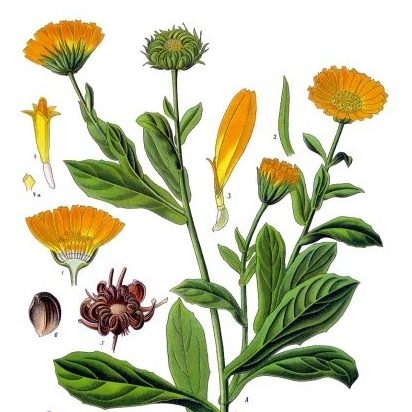
- Optimal for flower harvest (calendula, chamomile, lavender)
- Post-flowering leaves often inferior for most herbs
Seed Set and Fruit Development:
Biochemical Profile:
- Green fruits: High starch, low sugar, often contain protective toxins
- Ripening: Starch converts to sugars, pigments develop (anthocyanins, carotenoids)
- Mature seeds: Concentrated oils, proteins, minerals
5. Senescence and Dormancy Preparation (Autumn)
Physiological State:
- Decreasing day length triggers senescence
- Nutrient translocation from leaves to roots
- Chlorophyll degradation
- Preparation for winter dormancy
Biochemical Profile:
- Leaves: Declining protein, nitrogen; accumulating waste products
- Roots: Maximum accumulation of storage carbohydrates (inulin, starch)
- Roots: Concentration of medicinal compounds in preparation for spring
Harvest Implications:
- Prime time for root harvest
- Autumn dandelion root has 25-40% inulin vs. 2-5% in spring
- Leaves generally poor quality post-senescence
Phytochemical Dynamics Through Growth Stages
Volatile Oils (Terpenes and Phenylpropanoids)
Definition: Complex mixtures of lipophilic compounds produced in specialised structures (glandular trichomes) that volatilise at room temperature.
Function in Plant: Defence against herbivores, antimicrobial protection, pollinator attraction
Production Pattern:
- Essential oils (EOs) stand acknowledged for their aromatic and volatile properties, which are integral to plant survival
- Accumulate in response to light and temperature
- Peak concentration often at early flowering stage
Harvest Timing Example: Thymus capitatus (Thyme)
Essential oil yield and composition vary throughout the vegetation time of the plant. The best time to harvest this species of thyme, for phenol content, is during or immediately before the full bloom
Time of Day Variation:
The essential oils in the leaves are at their highest concentration in mid-morning after dew has evaporated
Why:
- Morning photosynthesis produces precursor compounds
- Cool morning temperatures minimise evaporative loss
- Heat of midday causes volatilisation from trichomes
Flavonoids and Polyphenols
Function in Plant: UV protection, antioxidant defence, pollinator attraction (pigments)
Production Pattern:
- Increase with sun exposure
- Accumulate with plant maturity
- Concentrated in flowers and young leaves
Harvest Timing:
- Flowers at full bloom for maximum flavonoid pigments
- Leaves pre-flowering for balanced profile
Alkaloids
Function in Plant: Potent herbivore deterrents
Production Pattern:
- Variable—some increase with maturity, others peak early
- Often concentrated in specific tissues (roots, seeds)
- Can be toxic in excess
Harvest Considerations:
- Species-specific research essential
- Often concentrated in roots or seeds at maturity
Tannins
Function in Plant: Herbivore deterrent, antimicrobial, wound healing
Production Pattern:
- Increase with tissue age and lignification
- Higher in bark and older leaves
- Concentrated in autumn leaves and bark
Saponins
Function in Plant: Antimicrobial, anti-fungal defence
Production Pattern:
- Often concentrated in roots
- Can increase with plant maturity
Circadian and Diurnal Rhythms
The 24-Hour Phytochemical Cycle
Plants exhibit predictable daily fluctuations in secondary metabolite production, independent of seasonal cycles.
Morning Peak in Volatile Oils
Mechanism:
- Dawn: Photosynthesis begins, producing sugars and precursor molecules
- Mid-morning (9-11am): Peak synthesis of terpenes from photosynthetic products
- Midday: High temperatures cause evaporative loss from glandular trichomes
- Afternoon/Evening: Reduced synthesis, continued loss
Practical Implication:
Essential oil content is often highest in early morning because cooler temperatures reduce evaporation and plants are fully hydrated, helping maintain freshness
Optimal Harvest Window:
After dew evaporation (prevents mold) but before 11am (minimises volatile loss)
Enzyme Activity Patterns
Morning:
- Lower protease and oxidase activity
- Compounds more stable post-harvest
Afternoon:
- Increased enzyme activity from heat stress
- Faster degradation of harvested material
Environmental Factors Affecting Compound Production
Temperature
Effects on Secondary Metabolites:
Moderate Heat Stress (25-30°C):
- Increases volatile oil production
- Enhances synthesis of protective compounds
- May increase bitterness
Extreme Heat (>35°C):
- Volatile oil evaporation
- Degradation of heat-labile compounds
- Plant stress responses may alter chemistry
Cool Temperatures (10-20°C):
- Slower growth but potentially higher compound concentration
- Better for compounds sensitive to heat degradation
Light Intensity and Duration
High Light Exposure:
- Increases volatile oil production
- Enhances flavonoid synthesis (UV protection)
- May increase bitterness in some species
Photoperiod (Day Length):
- Triggers flowering in day-length-sensitive species
- Affects the timing of secondary metabolite shifts
Water Availability
Moderate Water Stress:
- Can increase concentration of secondary metabolites
- Enhances flavour and aroma in some herbs
Severe Drought:
- Reduces overall biomass and yield
- Can make compounds too concentrated (excessive bitterness)
- Premature flowering
Excess Water:
- Dilutes secondary metabolites
- Promotes rapid, watery growth
- Lower concentration of desired compounds
Soil Nutrition
Nitrogen:
- High N promotes vegetative growth and chlorophyll
- Can reduce secondary metabolite production
- Lower N can increase essential oils in some species
Phosphorus and Potassium:
- Essential for overall health
- Balanced nutrition supports optimal compound production
Harvest Protocols by Plant Part
Leafy Aerial Parts
Optimal Timing:
- Growth stage: Pre-flowering to early flowering
- Time of day: Mid-morning (9-11am) after dew dries
- Weather: 2-3 dry days prior, low humidity
- Season: Late spring to early summer for most temperate herbs
Scientific Rationale:
- Pre-flowering: Leaves haven’t yet shifted energy to reproduction
- Morning: Peak volatile oil content, minimal evaporative loss
- Dry conditions: Prevents mold during drying
- Spring/early summer: Maximum leaf production, optimal compound balance
Method:
- Cut stems 5-10cm above soil or above a leaf node
- Use sharp, clean tools for minimal tissue damage
- Leave at least 2/3 of plant biomass for recovery
- Avoid harvesting from water-stressed plants
Examples:
- Mint (Mentha spp.): Pre-flowering, morning, can harvest multiple times per season
- Basil (Ocimum basilicum): Before flowering; continual harvesting encourages bushiness
- Lemon balm (Melissa officinalis): Best fresh, pre-flowering for maximum volatile oils
Flowers
Optimal Timing:
- Growth stage: Full bloom but before pollination/petal drop
- Time of day: Mid-morning, fully open but fresh
- Weather: Dry, sunny conditions for several days
- Season: Peak bloom period (species-specific)
Scientific Rationale:
- Full bloom: Maximum volatile oil and flavonoid content
- Pre-pollination: Flowers maintain structure and fragrance
- Dry conditions: Essential for successful drying without mold
- Morning: Optimal hydration and oil content
Method:
- Individual flowers (calendula, chamomile): Pluck flower heads, leaving bit of stem
- Flowering stems (lavender): Cut entire stems when 1/3 to 1/2 of flowers open
- Handle gently to avoid bruising
- Place in breathable containers (baskets, paper bags)
Examples:
- Calendula (Calendula officinalis): Individual flowers when fully open, daily harvesting
- Chamomile (Matricaria chamomilla): When petals are horizontal (fully open)
- Lavender (Lavandula angustifolia): When 1/3 of spike is in bloom
Roots and Rhizomes
Optimal Timing:
- Growth stage: Post-senescence (autumn) or pre-emergence (early spring)
- Time of day: Any time (less critical than aerial parts)
- Weather: After dry spell for easier digging
- Season: Autumn preferred (maximum storage compound accumulation)
Scientific Rationale:
- Autumn: Maximum translocation of carbohydrates and medicinal compounds to roots
- Spring alternative: Secondary peak before new growth depletes storage
- Dry soil: Easier to dig, less soil compaction, cleaner roots
Biochemical Evidence:
- Dandelion root inulin content: 25-40% in autumn vs. 2-5% in spring
- Burdock root: Highest inulin content late autumn
- Valerian root: Volatile oil content peaks autumn of second year
Method:
- Loosen soil in 30cm radius around plant
- Carefully lift with digging fork to minimise breakage
- For perennials, replant crown portion to ensure regeneration
- Shake off loose soil (don’t wash until ready to process)
Post-Harvest Processing:
- Wash thoroughly in cold water
- Chop or slice while fresh (easier than when dried)
- Begin drying immediately
Berries and Fruits
Optimal Timing:
- Growth stage: Full colour development, slight softness
- Time of day: Cool morning (for delicate berries)
- Weather: Dry conditions
- Season: Species-specific ripening period
Scientific Rationale:
- Full pigmentation: Indicates peak anthocyanin and flavonoid content
- Softness: Sugars have developed; tannins have reduced
- Cool harvest: Reduces respiration and preserves compounds
- Dry conditions: Prevents mold during storage/drying
Biochemical Markers of Ripeness:
- Colour change: Green → red/purple/blue/black indicates anthocyanin development
- Sweetness: Starch conversion to sugars complete
- Reduced astringency: Tannin levels decrease
- Aroma development: Volatile compounds increase
Method:
- Gently harvest to avoid bruising
- Cut clusters (elderberries) or pick individually (rose hips)
- Process quickly—berries are highly perishable
- For rose hips: harvest when deep orange-red and slightly soft (after first frost in frost-prone areas like Central Otago and Canterbury, or late April-May in coastal/northern regions without frost)
Examples:
- Elderberry (Sambucus nigra): Deep purple-black, slightly soft; cluster harvest
- Rose hips (Rosa spp.): Deep orange-red, after first frost (frost regions) or late autumn (coastal regions), firm but giving
Seeds
Optimal Timing:
- Growth stage: Full maturity, beginning to dry on plant
- Time of day: Late morning to afternoon (seeds need to be dry)
- Weather: Several dry days
- Season: Late summer to autumn
Scientific Rationale:
- Full maturity: Maximum oil and protein development
- Dry seeds: Prevent mold, easier to clean and store
- Pre-dehiscence: Harvest before seed capsules shatter and scatter seeds
Method:
- Cut seed heads into paper bag
- Hang in dry area to complete drying
- Thresh seeds from seed heads
- Remove chaff by winnowing
NZ Climate Considerations for Harvest Timing
Understanding New Zealand’s diverse climate zones is essential for applying harvest timing science effectively. The optimal 9-11am harvest window may extend or shorten based on local conditions.
High Humidity Regions (Auckland, Northland, Bay of Plenty, Coromandel)
Climate Characteristics:
- Year-round high humidity (70-85% RH average)
- Moisture-laden air from surrounding ocean
- Humidity remains elevated even on sunny days
- Autumn often drier than summer
Scientific Implications for Harvest:
1. Dew Persistence:
- Takes longer for dew to evaporate (may persist until 10-11am)
- Delayed harvest window: 10am-12pm often optimal
- Risk of harvesting damp material if rushed
2. Volatile Oil Considerations:
- High humidity reduces evaporative loss during midday
- Harvest window can extend slightly later (until 12-1pm)
- However, faster post-harvest processing essential (degradation faster in humid conditions)
3. Post-Harvest Challenges:
- Harvested material must be processed within 2 hours maximum
- Mold risk elevated if processing delayed
- Dehydrator strongly recommended over air-drying
4. Seasonal Timing:
- Offshore winds (westerlies) provide optimal harvest conditions
- Harvest during dry spells between weather systems
- Autumn (March-May) often provides better conditions than summer
Practical Recommendations:
- Monitor weather forecasts for offshore wind patterns
- Harvest in smaller batches for faster processing
- Never harvest if rain forecast within 24 hours
- Morning harvests especially critical (before sea breeze moisture arrives)
Moderate Humidity Regions (Wellington, Manawatu, Wairarapa)
Climate Characteristics:
- Variable humidity (50-75% RH)
- Strong wind patterns (Wellington especially)
- Significant diurnal temperature variation
- Rapid weather changes
Scientific Implications for Harvest:
1. Wind Effects:
- Wellington’s consistent wind dries dew rapidly (can harvest as early as 8-9am)
- Risk of too-rapid drying in strong winds (check plants for adequate hydration)
- Wind reduces midday volatile loss through air movement (cooling effect)
2. Temperature Swings:
- Morning-afternoon temperature differences of 10-15°C common
- Harvest timing window relatively stable (9-11am standard)
- Watch for nor’west conditions (very dry, warm)
3. Nor’west Advantages:
- Föhn wind effect: warm, very dry air
- Excellent harvest conditions (low humidity, stable temperature)
- Extended harvest window: 9am-1pm acceptable
- Time harvests to coincide with nor’west weather when possible
4. Rapid Weather Changes:
- Southerly changes can bring temperature drops and rain within hours
- Harvest early in settled weather windows
- Process immediately before conditions change
Practical Recommendations:
- Harness wind for rapid dew evaporation
- Secure lightweight herbs (calendula petals, flowers) in covered baskets
- Take advantage of nor’west forecasts for major harvests
- Flexible harvest timing based on daily conditions
Low Humidity Regions (Central Otago, Parts of Canterbury, Mackenzie Country)
Climate Characteristics:
- Low humidity (often 30-50% RH)
- Hot, dry summers (25-35°C)
- Cold, dry winters
- Large diurnal temperature range (20°C+ difference)
Scientific Implications for Harvest:
1. Rapid Drying Conditions:
- Dew evaporates very quickly (often by 7-8am)
- Can harvest earlier than humid regions (8-10am optimal)
- Risk of plants becoming water-stressed by midday
2. Volatile Oil Dynamics:
- Extreme midday heat (>30°C) causes rapid volatile loss
- Narrow optimal harvest window: 8-10am ideal
- Afternoon harvest significantly inferior
3. Water Stress Considerations:
- Plants may show stress by 11am-12pm in summer
- Never harvest visibly stressed plants (reduced compounds, altered chemistry)
- Irrigation evening before can improve morning harvest quality
4. Seasonal Variations:
- Summer: Very early harvest essential (7-9am)
- Autumn: Extended window (9-12pm acceptable, moderate temperatures)
- Spring: Risk of frost damage to early growth; harvest after frost risk passes
Practical Recommendations:
- Set alarm for early harvests in summer (before 8am)
- Check soil moisture day before harvest; water if dry
- Autumn provides ideal conditions (moderate temp, low humidity, less stress)
- Take advantage of naturally optimal drying conditions
Coastal vs. Inland Considerations
Coastal (Sea Level, Ocean-Adjacent):
- Higher humidity: Extended dew period, moisture from sea breeze
- Salt exposure: Rinse herbs thoroughly post-harvest
- Moderate temperatures: Less extreme heat/cold
- Consistent conditions: Less day-to-day variation
Inland (Especially Central Plateau, Inland Valleys):
- Lower humidity: Faster dew evaporation, rapid drying
- Temperature extremes: Very hot summers, cold winters
- Higher UV: May increase flavonoid production in plants
- Variable conditions: Greater weather fluctuations
Altitude Effects:
- Higher altitude (>500m): Lower temperatures, often lower humidity
- UV intensity increases: Enhanced secondary metabolite production
- Shorter growing season: Concentrated phytochemical production
- Later spring, earlier autumn: Adjust seasonal timing accordingly
Applying Climate Knowledge to Harvest Decisions
Decision Framework:
Step 1: Know Your Microclimate
- Observe dew patterns over several days
- Note when humidity drops (use hygrometer if available)
- Track temperature patterns through day
Step 2: Adjust Timing to Conditions
- High humidity: Later harvest (10-12pm)
- Low humidity: Earlier harvest (8-10am)
- Variable conditions: Monitor daily, flexible timing
Step 3: Match Plant to Conditions
- Volatile-rich herbs: Prioritise optimal timing strictly
- Less volatile plants: More flexibility acceptable
- Drought-sensitive: Ensure adequate moisture before harvest
Step 4: Post-Harvest Planning
- Humid regions: Immediate processing, dehydrator use
- Dry regions: Air-drying often sufficient
- Variable regions: Adapt method to daily conditions
New Zealand Native Plant Considerations
Cultural Context and Boundaries
IMPORTANT: Rongoā Māori is a complete traditional healing system with its own protocols, spiritual practices, karakia (prayers), cultural frameworks, and deep ancestral knowledge that extends far beyond botanical harvesting techniques.
For Traditional Rongoā Māori Uses:
Please consult with qualified rongoā practitioners. Traditional harvesting protocols, timing, and preparation methods may differ significantly from the Western botanical approaches described in this guide.
To Find Qualified Rongoā Practitioners:
- Contact Te Paepae Motuhake (Rongoā Standards Authority)
- Ask at your local marae
- Contact Māori health providers (Whānau Ora, Māori health services)
- Community health centres can provide referrals
Scope of This Section:
The information below focuses on botanical, phytochemical, and ecological considerations for these plants from a Western scientific perspective. It does not represent rongoā Māori traditional knowledge or practice and should not be used as such.
Kawakawa (Piper excelsum)
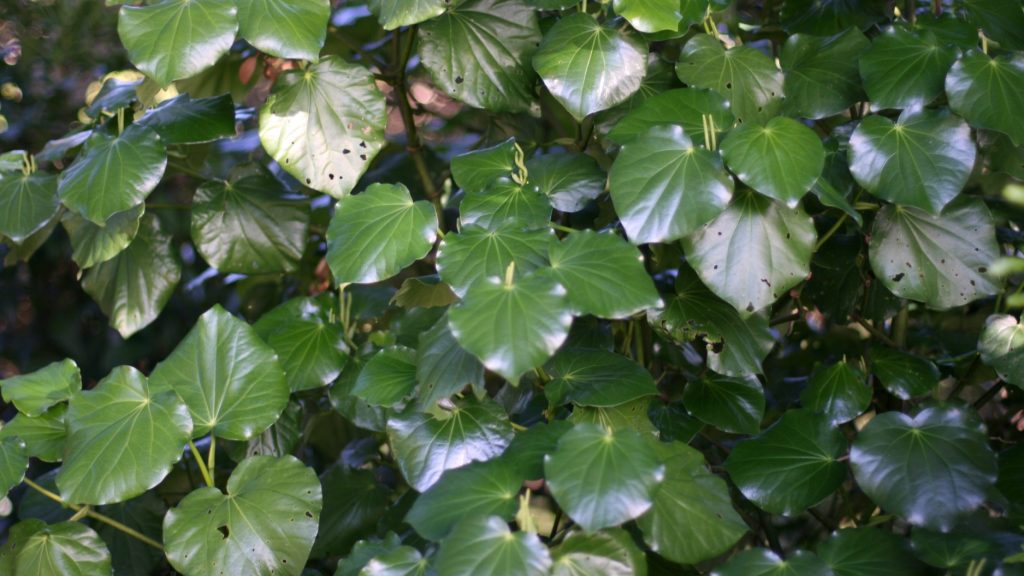
Botanical and Phytochemical Overview:
- Family: Piperaceae
- Key compounds: Myristicin (phenylpropanoid), essential oils, flavonoids
- Traditional and contemporary significance in rongoā Māori
Seasonal Chemistry Variation:
Research on optimal harvest timing for medicinal compounds is limited. Traditional practice and some preliminary phytochemical studies suggest:
Potential Harvest Windows:
- Late summer (February-March): Potentially peak volatile oil content (based on limited studies and traditional knowledge)
- Year-round harvest: Generally acceptable for consistent use (evergreen, relatively stable chemistry)
- Post-flowering: After berries have formed (summer) may indicate peak maturity
Time of Day:
- Standard mid-morning (9-11am) after dew evaporation
- Applies same circadian volatile oil patterns as other species
Sustainable Harvest Protocol (Ecological Perspective):
Individual Plant Limits:
- Maximum 2-3 leaves per plant per harvest
- Spread across plant (not all from one branch)
- Select mature, healthy plants (minimum 1m height)
- Avoid harvesting from small (<50cm) or stressed plants
Population-Level Sustainability:
- Minimum 10 plants for any meaningful harvest
- Rotate between plants: 6-12 month recovery before re-harvesting same individual
- Never harvest >20% of local population
- Assess population health before harvesting
Cultural Considerations:
- “Holey leaves” (damaged by kawakawa looper moth) are culturally preferred and significant
- These leaves indicate robust, healthy plants
- Leaf damage does not affect medicinal quality (compounds remain intact)
- Harvest with respect and gratitude
- Some practitioners offer karakia before harvest; if this aligns with your practice, consider doing so
Conservation Status:
- Not threatened nationally
- Locally declining in some urban areas due to habitat loss
- Cultivation encouraged to reduce pressure on wild populations
- Seedlings available from native plant nurseries throughout NZ
Horopito (Pseudowintera colorata)
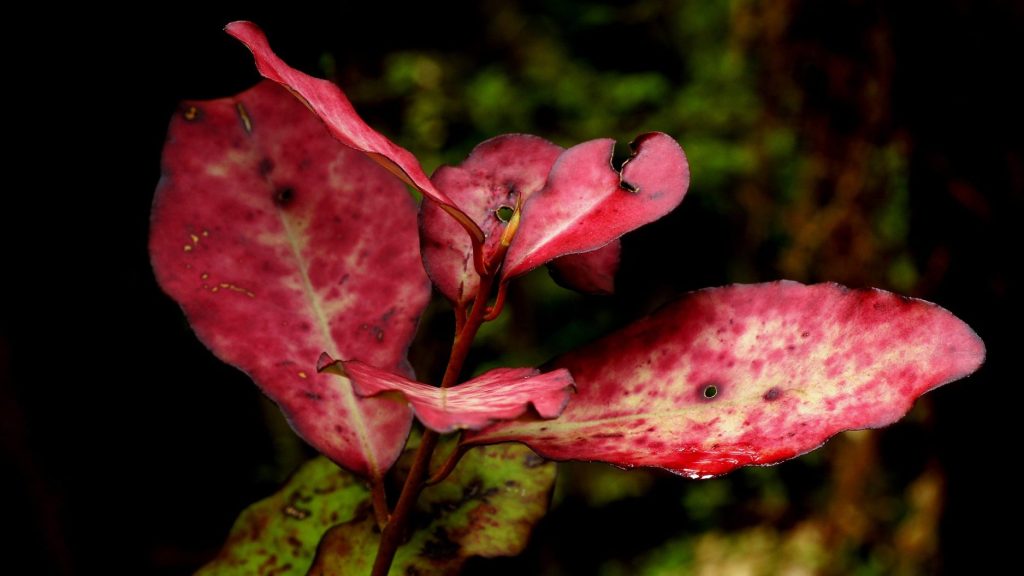
Botanical and Phytochemical Overview:
- Family: Winteraceae
- Key compound: Polygodial (sesquiterpene dialdehyde) – potent antimicrobial
- Slow-growing endemic species
CRITICAL CONSERVATION INFORMATION:
Growth Rate and Maturity:
- 10-20 years to reach harvesting maturity (plants large enough to sustainably harvest from)
- Very slow-growing in wild conditions
- Faster growth possible under cultivation
Harvest Source – CULTIVATION STRONGLY RECOMMENDED:
- Only harvest from cultivated plants whenever possible
- Purchase seedlings/plants from native plant nurseries (widely available in NZ)
- Growing your own ensures sustainable personal supply
- Never wild-harvest from:
- Native bush or forest reserves
- DOC land (illegal without permit)
- Small or isolated wild populations
- Plants <1m tall or <5 years old
If Wild-Harvesting (With Explicit Landowner Permission Only):
- Plant must be mature (minimum 1m tall, well-established, 5+ years old)
- Take maximum 1-2 leaves per plant
- Harvest from maximum 10% of plant’s total foliage
- Allow minimum 12 months regeneration before re-harvesting same plant
- Assess population: Must be abundant, healthy, thriving
- Legal compliance: Check with DOC and regional council regulations
Phytochemical Considerations:
- Year-round availability (evergreen)
- Peppery taste intensity indicates polygodial content (quality marker)
- Very peppery = high medicinal compound content
- Less peppery may indicate stressed plant or suboptimal growing conditions
Biochemical Note:
Polygodial is relatively heat-stable but light-sensitive (UV degradation)
- Harvest any time of day acceptable (volatile oil content less critical than kawakawa)
- However, immediate dark storage essential to preserve polygodial
Why Cultivation Matters:
- Increasing popularity creating harvest pressure on wild populations
- Slow growth means wild populations cannot sustain regular harvesting
- One cultivated plant can provide sustainable personal supply for years
- Reduces ecological impact on native ecosystems
Where to Source Plants:
Available from most native plant nurseries:
- Auckland: Oratia Native Plant Nursery, Native Habitat
- Wellington: Otari Native Plant Nursery
- Christchurch: Motukarara Conservation Nursery
- Online: Trees That Count, NZ Native Plant Network
- Prices typically: $10-25 per plant
Mānuka (Leptospermum scoparium)

Botanical Overview:
- Family: Myrtaceae
- Widespread native shrub
- Multiple cultivars for honey production
Leaf Harvest for Tea:
- Year-round availability (evergreen)
- Small quantities from multiple plants (handful from each)
- Sustainability: Common in many areas but still harvest respectfully
- Method: Clip young branch tips (10-15cm), strip leaves
Flowers:
- Primarily left for honey production (beekeeping)
- If harvesting flowers: only from non-beekeeping areas, small quantities
Conservation Context:
- Generally abundant in appropriate habitats
- Still harvest sustainably (spread across multiple plants)
- Native plant – deserves respect even if common
Sustainable Harvesting Science
Population Dynamics and Harvest Pressure
The 1/3 Rule—Scientific Basis:
Plant Response to Defoliation:
- Plants can tolerate 30-40% biomass removal and recover within one season
- >50% removal significantly impacts:
- Photosynthetic capacity
- Root carbohydrate storage
- Flowering and reproduction
- Disease resistance
Population-Level Effects:
- Overharvesting reduces genetic diversity
- Prevents seed production and recruitment
- Can shift population age structure
- Cumulative effects over years can eliminate local populations
Harvest Impact Assessment
Low-Impact Harvest (Sustainable):
- <33% of individual plant or population
- Plants showing no stress (adequate water, nutrients)
- Abundant, healthy population
- Multiple harvest sites rotated
High-Impact Harvest (Unsustainable):
- >50% removal
- Plants already stressed
- Small, isolated population
- Repeated harvest from same site
Recovery Time by Plant Type
Annuals:
- Single-season lifespan
- Can harvest more liberally if allowing some to seed
- Examples: Cleavers, chickweed
Fast-Growing Perennials:
- Recovery in 2-4 weeks with adequate conditions
- Can harvest multiple times per season
- Examples: Mint, lemon balm, plantain
Slow-Growing Perennials:
- Recovery takes full season or multiple years
- Harvest once per season maximum
- Examples: Comfrey, valerian, horopito (10-20 years to maturity)
Woody Perennials:
- Very slow recovery from hard pruning
- Harvest only mature plants
- Examples: Rosemary, sage (from woody stems), mānuka
Invasive Species Management
Harvest Liberally:
Plants like dandelion, plantain, and nasturtium in New Zealand are introduced species that often outcompete natives. Harvesting them:
- Provides free medicine
- Helps control spread (when removing roots)
- Has minimal ecological impact
- Can be part of weed management strategy
Examples in NZ:
- Plantain (Plantago major, P. lanceolata): Abundant, harvest freely
- Dandelion (Taraxacum officinale): Common, harvest roots and leaves liberally
- Nasturtium (Tropaeolum majus): Weedy in some areas, harvest freely
- Cleavers (Galium aparine): Annual, abundant, harvest before seeding
Legal and Regulatory Compliance
Department of Conservation (DOC) Land:
- Generally NO plant harvesting allowed without special permit
- Includes national parks, reserves, conservation areas
- Penalties for illegal plant removal
- Some native plants additionally protected by law
Council Parks and Reserves:
- Regulations vary by region
- Many councils allow small personal harvests of common plants
- Check your local council website or contact parks department
- Examples:
- Auckland Council: Personal foraging allowed in some parks (check specific park rules)
- Wellington City Council: Generally allowed for personal use (not commercial)
- Christchurch City Council: Varies by park designation
Private Land:
- Always obtain explicit permission from landowner
- Respect property boundaries
- Leave gates as found
Regional Variations:
Different regions have different bylaws – always check local regulations
Protected Species:
Many NZ native plants have legal protections
- Check conservation status: www.nzpcn.org.nz
- Never harvest threatened or endangered species
- Even common natives deserve respectful, sustainable harvesting
Post-Harvest Handling and Enzyme Management
The Enzymatic Degradation Race
What Happens Post-Harvest:
The moment you cut a plant, you start a biochemical countdown:
- Cell damage from cutting ruptures cell walls
- Compartmentalised enzymes (normally separated in living cells) mix with substrates
- Hydrolytic enzymes (glycosidases, esterases, oxidases) begin breaking down medicinal compounds
- Oxidation occurs when cellular contents contact air
Time-Sensitive Degradation:
- Volatile oils: 10-20% loss within first hour in heat
- Vitamin C: 20-30% loss within hours
- Some flavonoids: Oxidation begins immediately
Why this matters: The clock starts ticking the moment you cut. All your careful timing of balsamic time harvest can be undermined by slow post-harvest processing.
Minimising Post-Harvest Degradation
Immediate Actions (Within 2-4 Hours):
- Keep cool: Reduces enzyme activity
- Minimise bruising: Handle gently; don’t compact in containers
- Shade: Prevents heat buildup and photodegradation
- Begin processing: Drying, tincturing, or freezing ASAP
Transportation:
- Use breathable containers (baskets, paper bags)
- Avoid plastic bags (promotes heat and moisture buildup)
- Keep shaded and cool
- Don’t leave in hot vehicles (especially NZ summer temperatures >25°C)
NZ Climate Considerations:
- High humidity regions: Process within 2 hours maximum (faster degradation)
- Moderate regions: Within 3-4 hours acceptable
- Dry regions: Up to 4 hours acceptable if kept cool and shaded
Quality Assessment and Documentation
Field Assessment of Harvest Quality
Visual Indicators:
- Vibrant colour (not yellowed or brown spots)
- No visible pest damage (unless cultural practice accepts, like kawakawa “holey leaves”)
- Firm, turgid tissues (not wilted)
- Appropriate growth stage for plant part
Aromatic Assessment:
- Strong, characteristic aroma (for aromatic herbs)
- No off-odours (fermentation, mold)
- For roots: clean, earthy smell
Moisture Status:
- Surface dry (dew evaporated)
- Not drought-stressed
Record Keeping
Essential Documentation:
- Plant: Common and botanical name
- Location: GPS coordinates or detailed description
- Date and time: Including weather conditions
- Plant part: Leaf, flower, root, etc.
- Growth stage: Pre-flower, full bloom, etc.
- Population health: Assessment of abundance and vigour
Optional but Valuable:
- Photos of plant and habitat
- Soil conditions
- Associated plant species
- Harvest yield
NZ-Specific Records:
- Regional climate (Auckland humidity, Canterbury dryness, etc.)
- Seasonal variations (north vs. south timing differences)
- Microclimate observations specific to your location
Why This Matters:
- Builds personal knowledge base over years
- Allows you to repeat successful harvests
- Tracks seasonal variations
- Contributes to broader understanding of local plants
- Particularly valuable for NZ natives where research is limited
Conclusion: Integrating Knowledge into Practice
Optimal harvesting is the intersection of:
- Plant phenology: Understanding life cycle timing
- Phytochemistry: Knowing when compounds peak
- Environmental awareness: Reading seasonal and daily cues
- Regional climate: Applying universal principles to NZ conditions
- Sustainable practice: Ensuring plant populations persist
- Cultural respect: Honouring traditional knowledge systems
The Learning Process:
- Start with 2-3 plants and master their harvest timing
- Keep detailed records (especially climate/weather conditions)
- Observe the same plants through full seasons
- Note variations based on location and weather
- Build a personal harvest calendar specific to your NZ region (Auckland timing may differ from Otago by weeks)
Remember: Even with all this knowledge, herbs are forgiving. A harvest slightly outside the optimal window still provides medicine. Perfect is the enemy of good. The best harvest is the one that actually happens.
For New Zealand Herbalists Specifically:
Your regional climate knowledge is as important as universal plant science. A textbook might say “harvest at 9am” but your Wellington wind patterns or Auckland humidity may shift that window. Trust your observations, document your results, and build location-specific expertise.
Sources & References
Peer-Reviewed Research
Asgarpanah, J., & Kazemivash, N. (2012). Phytochemistry, pharmacology and medicinal properties of Melissa officinalis L. Journal of Ethnopharmacology, 140(3), 439-446.
Baranauskienė, R., Venskutonis, P. R., Dambrauskienė, E., & Viškelis, P. (2013). Influence of harvesting time on the yield and chemical composition of essential oil from Origanum vulgare L. ssp. vulgare. Zeitschrift für Arznei- und Gewürzpflanzen, 18(2), 60-67.
Buchaillot, A., Caffin, N., & Bhandari, B. (2009). Drying of lemon myrtle (Backhousia citriodora) leaves: retention of volatiles and colour. Drying Technology, 27(3), 445-450.
Carović-Stanko, K., et al. (2016). Medicinal plants of the family Lamiaceae as functional foods—A review. Czech Journal of Food Sciences, 34, 377-390.
Müller, J., & Heindl, A. (2006). Drying of medicinal plants. In: Bogers, R.J., Craker, L.E., Lange, D. (eds) Medicinal and Aromatic Plants. Springer, Dordrecht.
Nezhadali, A., et al. (2014). Chemical variation of leaf essential oil at different stages of plant growth and in vitro antibacterial activity of Thymus vulgaris from Iran. Beni-Suef University Journal of Basic and Applied Sciences, 3, 87-92.
Porter, N. G., & Wilkins, A. L. (1999). Chemical, physical and antimicrobial properties of essential oils of Leptospermum scoparium and Kunzea ericoides. Phytochemistry, 50(3), 407-415.
Books
Applequist, W. L. (2006). The identification of medicinal plants: A handbook of the morphology of botanicals. Missouri Botanical Garden Press.
Bone, K., & Mills, S. (2013). Principles and practice of phytotherapy: Modern herbal medicine (2nd ed.). Churchill Livingstone.
Brooker, S. G., Cambie, R. C., & Cooper, R. C. (1987). New Zealand Medicinal Plants. Heinemann Publishers.
Cech, R. (2000). Making Plant Medicine. Horizon Herbs.
Hoffmann, D. (2003). Medical herbalism: The science and practice of herbal medicine. Healing Arts Press.
Knox, J. (2013). The Forager’s Treasury: The Essential Guide to Finding and Using Wild Plants in Aotearoa New Zealand. Penguin Random House NZ.
Riley, M. (1994). Māori Healing and Herbal: New Zealand Ethnobotanical Sourcebook. Viking Sevenseas NZ Ltd.
Thayer, S. (2006). The Forager’s Harvest: A Guide to Identifying, Harvesting, and Preparing Edible Wild Plants. Forager’s Harvest Press.
Online Resources
Department of Conservation NZ: www.doc.govt.nz (foraging regulations, plant protection)
New Zealand Plant Conservation Network: www.nzpcn.org.nz (conservation status, plant information)
Te Paepae Motuhake (Rongoā Standards Authority) – for qualified rongoā practitioners
United Plant Savers (conservation guidelines): www.unitedplantsavers.org
iNaturalist NZ: https://inaturalist.nz (plant identification, citizen science)
Disclaimer: This guide is for educational purposes only. Correct plant identification is essential and solely your responsibility. Always harvest sustainably and legally. Respect private property, conservation areas, and indigenous plant knowledge. Some plants have specific legal protections under NZ law. This guide presents Western botanical and phytochemical approaches and does not represent rongoā Māori traditional knowledge or practice. For traditional Māori healing uses and protocols, consult qualified rongoā practitioners. When in doubt, don’t harvest.
Note on Pricing: All prices mentioned in this guide are approximate and based on New Zealand suppliers as of December 2025. Prices vary by supplier, season, and market conditions. We recommend checking current prices with your local suppliers.
 The Public Herbarium