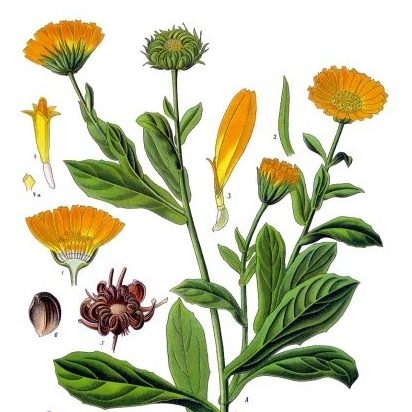

The Science of Preserving Medicinal Compounds Through Dehydration
This comprehensive guide explores the scientific principles underlying effective herb drying. We’ll examine the microbiology of mould prevention, the enzymology of compound degradation, the physics of moisture removal, and evidence-based drying protocols that maximise preservation of therapeutic compounds.
Table of Contents
- The Biochemistry of Fresh vs. Dried Herbs
- Water Activity and Microbial Control
- Enzymatic Degradation Pathways
- Volatile Compound Preservation
- Physics of Moisture Removal
- Drying Methods: Scientific Comparison
- Temperature-Compound Stability Relationships
- Quality Parameters and Assessment
- Equipment Design and Selection
- NZ Climate Considerations
- Troubleshooting and Optimization
- Drying NZ Native Medicinal Plants
The Biochemistry of Fresh vs. Dried Herbs
Moisture Content and Plant Physiology
Fresh Herb Composition:
- Water: 70-90% of fresh weight
- Dry matter: 10-30% (containing all medicinal compounds)
Target Final Moisture Content:
- Leafy material: 8-12% moisture (wet basis)
- Roots and bark: 10-14% moisture
- Flowers: 8-10% moisture
Why these targets?
At moisture levels below 12%, the water activity (aw) drops below 0.6—the threshold below which most microorganisms cannot proliferate.
Why this matters in practice: This is why your carefully dried calendula can still develop mold if stored in a humid bathroom cupboard—environmental moisture can rehydrate the herbs above the safe threshold, allowing mold growth even though the herbs were properly dried initially.
What Happens During Drying
1. Physical Changes:
- Cell water evaporates
- Cell walls collapse
- Volume reduces by 80-90%
- Surface area to volume ratio increases
2. Chemical Changes:
- Enzyme activity slows then stops
- Some compounds concentrate
- Some volatile compounds are lost
- Oxidation of exposed compounds
3. Biological Changes:
- Cellular metabolism ceases
- Enzymatic reactions slow dramatically
- Microbial growth becomes impossible (when aw <0.6)
Water Activity and Microbial Control
Understanding Water Activity (aw)
Definition:
Water activity is the ratio of the water vapour pressure of a substance to the vapour pressure of pure water at the same temperature. Scale: 0 (bone dry) to 1.0 (pure water).
Formula:
aw = p/p₀
where p = vapour pressure of water in the sample, p₀ = vapour pressure of pure water
Why This Matters:
Microorganisms require “free” water (unbound to other molecules) to grow. Water activity measures this available water, not just total moisture content.
Microbial Growth Thresholds
| Organism Type | Minimum aw for Growth |
|---|---|
| Bacteria | 0.90 |
| Yeasts | 0.85-0.88 |
| Molds | 0.80 (most species) |
| Xerophilic molds | 0.60-0.65 |
Target for Dried Herbs: aw < 0.6 to prevent even xerophilic (dry-loving) molds
Practical Implications:
- At 12% moisture content, most herbs achieve aw < 0.6
- Environmental humidity affects final aw (humid storage can rehydrate herbs)
- This is why properly dried herbs stored in humid conditions can still mold
Sorption Isotherms
Different herbs have different relationships between moisture content and water activity (their “sorption isotherm”). This is why:
- Dense roots can tolerate slightly higher final moisture than delicate leaves
- Some herbs feel dry but still have too high aw for safe storage
Enzymatic Degradation Pathways
The Post-Harvest Enzyme Problem
Fresh plant cells contain:
- Hydrolytic enzymes (glycosidases, esterases, lipases)
- Oxidative enzymes (polyphenol oxidases, peroxidases)
- These are normally compartmentalised in different cellular structures
What Happens at Harvest:
- Cutting damages cells
- Compartmentalisation breaks down
- Enzymes mix with their substrates
- Degradation reactions begin
Why this matters in practice: This is why waiting 3 days to dry your harvest results in brown, less potent herbs—enzymes have been actively degrading your medicinal compounds the entire time.
Key Degradative Enzymes
1. Polyphenol Oxidase (PPO)
- Catalyses oxidation of phenolic compounds
- Causes browning (think: cut apple)
- Degrades flavonoids and other polyphenols
- Requires oxygen and water to function
Inhibition Strategy:
- Rapid drying reduces water available for enzyme activity
- Temperatures above 60°C denature (inactivate) the enzyme
- BUT: We can’t use high temperatures without destroying desired compounds
2. Glycosidases
- Cleave sugar molecules from glycosides (a common form of herbal compounds)
- This can convert active compounds to inactive forms
- Very active in fresh plant material
Example:
Many flavonoid glycosides (active forms) can be broken down to their aglycones (sometimes less active forms) by endogenous glycosidases.
Inhibition Strategy:
- Rapid initial drying to reduce water activity before significant degradation occurs
- Some herbalists use brief blanching (hot water dip) to denature enzymes, but this is controversial (can also destroy desired compounds)
3. Lipases and Esterases
- Break down fatty acids and esters
- Particularly problematic for volatile oil-rich plants
- Contribute to rancidity in stored herbs
Inhibition Strategy:
- Rapid drying
- Storage in dark, cool conditions to slow any residual activity
The Race Against Enzymes
The first 24-48 hours post-harvest are critical:
- Fresh herbs at room temperature: Enzymes highly active
- Partially dried herbs: Enzyme activity declining
- Fully dried herbs (aw <0.6): Enzyme activity essentially stopped
Implication: The faster you dry, the more you preserve. But this must be balanced against heat damage.
Volatile Compound Preservation
Chemistry of Volatile Oils
Definition: Volatile oils (essential oils) are complex mixtures of lipophilic compounds that evaporate at room temperature, comprising:
- Monoterpenes (C10): Menthol, linalool, limonene
- Sesquiterpenes (C15): Bisabolol, chamazulene
- Phenylpropanoids: Eugenol, estragole
These compounds are:
- Responsible for aroma
- Often the primary therapeutic agents
- Highly susceptible to heat, light, and oxidation
- Stored in glandular trichomes on plant surface
Mechanisms of Volatile Loss During Drying
1. Evaporation
- Volatiles have low boiling points (150-300°C)
- Even at drying temperatures (35-50°C), some evaporation occurs
- Higher temperatures = exponentially higher loss
Example from research:
Drying peppermint at 60°C resulted in 25-30% volatile oil loss compared to 40°C drying.
2. Trichome Rupture
- Glandular trichomes (oil storage structures) are delicate
- Rapid temperature changes or mechanical handling can rupture them
- Once ruptured, oils evaporate quickly
3. Oxidative Degradation
- Many terpenes contain double bonds susceptible to oxidation
- Exposure to air during drying causes some degradation
- Light accelerates photo-oxidation
Preservation Strategies
Temperature:
Low and consistent. Studies show:
- 35-40°C: Minimal volatile loss for most herbs
- 45-50°C: Acceptable for non-volatile-rich herbs
- >55°C: Significant volatile loss in all aromatic herbs
Time:
Faster is better (within temperature constraints):
- The less time at elevated temperature, the less volatile evaporation
- This is why good airflow is so critical
Darkness:
- Prevents photo-oxidation
- Essential for carotenoids and some terpenes
Covering during drying:
Some traditional methods use cloth or paper bags over hanging herbs. Benefits:
- Traps some volatiles that evaporate
- Provides darkness
- May create slight humidity around herbs, slowing evaporation
- Drawback: Can reduce airflow (must balance)
Physics of Moisture Removal
Heat and Mass Transfer
The Drying Process involves:
1. Heat Transfer to the Herb:
- Convection: Moving air transfers heat to herb surface
- Conduction: Heat moves from surface to interior
- Radiation: Minimal in most drying setups
2. Moisture Movement Within the Herb:
- Liquid diffusion: Water moves from interior to surface through capillary action
- Vapour diffusion: As surface dries, internal moisture vaporises and diffuses outward
3. Moisture Removal from Surface:
- Water evaporates from surface
- Moving air carries water vapour away
- This maintains concentration gradient driving further evaporation
Factors Affecting Drying Rate
Temperature:
Higher temperature increases:
- Evaporation rate (exponential relationship)
- Diffusion rate of moisture within plant
- Risk of compound degradation
Optimal balance: 35-43°C for most herbs
Airflow (Velocity):
Faster airflow:
- Removes saturated air from herb surface more quickly
- Maintains steeper concentration gradient
- Dramatically improves drying rate without heat damage
Critical insight: Doubling airflow speed can halve drying time without any temperature increase. This is why airflow is often more important than temperature.
Humidity (Relative Humidity of Air):
Lower humidity:
- Creates steeper concentration gradient
- Allows more rapid evaporation
- Essential for efficient drying
Challenge in humid climates: Air can only absorb limited moisture before becoming saturated
Surface Area:
Larger surface area:
- More moisture can evaporate simultaneously
- Spreading herbs in single layer maximises this
- Slicing roots thin dramatically increases surface area
Drying Rate Curves
Phase 1: Constant Rate Period
- Surface moisture evaporates
- Drying rate limited by external conditions (temperature, airflow, humidity)
- Water easily accessible
Phase 2: Falling Rate Period
- Internal moisture must diffuse to surface
- Drying rate limited by internal diffusion
- Progressively slower as moisture depletes
Implication: Initial rapid drying, then progressively slower. Don’t judge total time needed by first few hours.
Drying Methods: Scientific Comparison
Air Drying (Ambient Conditions)
Process:
Herbs exposed to ambient air, typically hung or laid on screens
Scientific Advantages:
- No energy cost
- Gentle (minimal heat stress)
- Traditional method with centuries of empirical support
Scientific Limitations:
- Highly dependent on environmental conditions
- Slow drying in humid climates (enzyme degradation continues longer)
- Risk of mold if conditions unfavourable
- Uncontrolled oxidation exposure
- Variable results season to season
Optimal Conditions for Air Drying:
- Relative humidity <50%
- Temperature 20-25°C
- Good air circulation (natural or fan-assisted)
- Darkness
- Time: 5-14 days
When to use: Sturdy, low-volatile herbs (rosemary, thyme, sage) in dry climates
Dehydrator Drying (Forced Air, Controlled Temperature)
Process:
Herbs placed on trays in enclosed chamber with heated air circulation
Scientific Advantages:
- Precise temperature control
- Consistent airflow
- Independent of weather/season
- Faster drying (reduced enzyme activity window)
- Reproducible results
Scientific Limitations:
- Energy cost
- Initial equipment investment
- Can overdry if not monitored
- Some models have poor airflow distribution
Optimal Parameters:
- Temperature: 35-43°C (herb-dependent)
- Airflow: Continuous
- Time: 3-12 hours (herb-dependent)
When to use: Volatile-rich herbs, humid climates, consistent quality requirements
Solar Drying
Process:
Herbs dried using solar heat in enclosed structure (greenhouse effect)
Scientific Advantages:
- No energy cost beyond construction
- Faster than ambient air drying
- Some UV protection if properly designed
Scientific Limitations:
- Temperature fluctuates with sun
- May exceed safe temperatures midday
- Dependent on weather
- Some UV exposure (can degrade compounds)
Optimal Design:
- Ventilation to prevent overheating
- Dark/opaque surfaces (minimize UV)
- Airflow channels
When to use: Dry climates, non-volatile-sensitive herbs, budget constraints
Oven Drying
Scientific Assessment: NOT RECOMMENDED
Why:
- Most ovens cannot maintain temperatures below 50°C
- Poor airflow design
- Temperature fluctuations
- High energy cost
If no alternative:
- Lowest possible setting
- Door ajar
- Use oven thermometer
- Monitor constantly
Temperature-Compound Stability Relationships
Volatile Compounds
Monoterpenes (menthol, linalool, limonene):
- Stable: <40°C
- Moderate loss: 40-50°C
- Significant loss: >50°C
Research basis: Multiple studies show 20-40% volatile loss when drying >50°C vs. <40°C
Flavonoids
Glycosylated flavonoids:
- Stable: <50°C
- Moderate degradation: 50-70°C
- Significant degradation: >70°C
Aglycone flavonoids:
- Generally more heat-stable than glycosides
- Begin degradation >60°C
Vitamins
Vitamin C (Ascorbic Acid):
- Heat-sensitive
- 50% loss at 70°C
- Better retention <40°C
- Also degrades with oxidation and light
Vitamin A (Carotenoids):
- Moderately heat-stable
- Light-sensitive (photo-degradation)
- Darkness more critical than temperature for retention
Tannins
Generally heat-stable:
- Minimal degradation <80°C
- Oxidation more concerning than temperature
Practical Temperature Guidelines by Herb Type
| Herb Category | Optimal Temperature | Critical Compounds | Rationale |
|---|---|---|---|
| High volatile oils (mint, lavender, lemon balm) | 35-40°C | Monoterpenes | Volatile loss significant >40°C |
| Moderate volatiles (thyme, oregano, rosemary) | 38-43°C | Monoterpenes, phenols | Slightly more heat-stable |
| Flowers (calendula, chamomile) | 35-38°C | Carotenoids, volatile esters | Light and heat sensitive |
| Roots (dandelion, burdock) | 40-50°C | Inulin, sesquiterpene lactones | Dense tissue requires higher temp; compounds relatively stable |
| Low volatile content (plantain, nettle) | 40-50°C | Minerals, tannins, some flavonoids | Heat-stable compounds predominate |
Quality Parameters and Assessment
Visual Assessment
Colour Retention:
- Optimal: Closely matches fresh herb colour
- Acceptable: Slight darkening
- Poor: Significant browning, fading to tan/white
Colour indicates:
- Chlorophyll retention (photosynthetic tissue)
- Carotenoid retention (yellow/orange pigments)
- Minimal oxidative degradation
Olfactory Assessment
Aroma Intensity:
- Optimal: Strong characteristic aroma when crushed
- Acceptable: Moderate aroma
- Poor: Weak or musty aroma
Aroma indicates:
- Volatile oil retention
- Absence of mold (musty smell = microbial growth)
- Proper drying conditions
Physical Assessment
Texture:
- Leaves: Crisp, crumble easily
- Stems: Snap cleanly, don’t bend
- Flowers: Dry but not powdery; petals separate
- Roots: Hard, snap with effort
Moisture indicators:
- Bending = too much moisture
- Powdering easily = potentially overdried
- Leathery = definitely too moist
Quantitative Methods (Research/Commercial)
Moisture Content Determination:
- Oven drying method: Weigh, dry at 105°C until constant weight, recalculate moisture %
- Moisture meters: Electronic (resistance or capacitance-based)
Target: 8-12% moisture for most herbs
Water Activity Measurement:
- aw meter: Direct measurement of water activity
- Target: <0.6
Volatile Oil Content:
- Steam distillation: Extract and measure oil yield
- GC-MS (Gas Chromatography-Mass Spectrometry): Identify and quantify specific volatile compounds
HPLC Analysis (High-Performance Liquid Chromatography):
- Quantifies specific compounds (flavonoids, phenolic acids, etc.)
- Research/commercial quality control
- Shows exactly which compounds are retained
Equipment Design and Selection
Dehydrator Selection Criteria
Temperature Control:
- Essential: Adjustable temperature down to 35°C
- Avoid: Fixed high-temperature models (60°C+)
- Best: Digital control with 1-5°C increments
Airflow Design:
- Horizontal airflow: Better uniformity
- Vertical airflow: Acceptable if fan powerful enough
- Stacking trays: Can create “dead zones” without airflow
- Best: Rear-mounted fan with horizontal flow across all trays
Tray Material and Design:
- Mesh trays: Good airflow, herbs don’t sit in puddles
- Solid trays: Can be used with mesh liners
- Material: Food-grade plastic or stainless steel
- Avoid: Screens so large that small herbs fall through
Capacity:
- Small (4-6 trays): Fine for personal use
- Medium (8-10 trays): Better for regular/larger harvests
- Consider: Do you want to dry one harvest or multiple herb types simultaneously?
Power and Efficiency:
- 200-500W typical
- More power ≠ better: Temperature control matters more than wattage
- Energy cost: ~NZ$0.10-0.30 per drying cycle (based on average NZ electricity rates of $0.25-0.30/kWh)
Budget Guide (NZ Prices):
- Budget: $80-120 (may lack low-temperature settings)
- Mid-range: $150-220 (usually adequate)
- High-end: $250-400 (professional features, more capacity)
Budget options: Second-hand dehydrators on Trade Me often $40-80. Basic models are adequate for most home herbalists. Community tool libraries in Auckland, Wellington, and Christchurch may have dehydrators available for loan.
Where to Purchase in NZ:
- Budget models: The Warehouse, Kmart ($80-120)
- Mid-range: Briscoes, Farmers, Noel Leeming ($150-220)
- Professional: Commonsense Organics, specialty kitchen stores ($250-400)
- Second-hand: Trade Me, Facebook Marketplace, op shops (often $40-100)
- Online: Mighty Ape, Trade Depot, Amazon AU (check shipping costs)
Recommended Features:
- Temperature range: 35-70°C minimum
- Timer (convenient but not essential)
- Clear trays or door (lets you check without opening)
- Adequate capacity for your needs
Alternative: DIY Air-Drying Without Equipment
If purchasing a dehydrator isn’t possible, the scientific principles in this guide can still inform your air-drying approach:
Maximise airflow:
- Use fans (even small desk fans help)
- Position herbs where air naturally circulates
- Space herbs generously (single layer, no touching)
Control temperature:
- Choose coolest drying location in summer (to avoid >45°C)
- Choose warmest location in winter (but monitor for overheating)
- Avoid locations with extreme temperature swings
Ensure darkness:
- Cover drying area with cloth or paper
- Use cupboards or spare rooms with curtains closed
- Darkness protects compounds from photo-degradation
Monitor humidity:
- Use dehumidifier if available (especially in Auckland, Northland, coastal areas)
- Dry during periods of low humidity when possible
- Check weather forecasts: dry after several dry days
NZ Climate Considerations
Understanding New Zealand’s diverse climate zones is essential for applying drying science effectively. The same drying method will produce vastly different results in Auckland versus Central Otago.
High Humidity Regions
Affected Areas: Auckland, Northland, Bay of Plenty, Coromandel, coastal areas nationwide
Climate Characteristics:
- Year-round high humidity (average 70-85% RH)
- Moisture-laden air from surrounding ocean
- Humidity remains high even on sunny days
- Seasonal variation limited
Scientific Challenges:
- Slow drying rates: High ambient humidity reduces concentration gradient for evaporation
- Extended enzyme activity window: Longer drying time = more opportunity for enzymatic degradation
- Elevated mold risk: Xerophilic molds can grow at aw 0.60-0.65; marginal drying creates risk
- Rehydration during storage: Even properly dried herbs can reabsorb moisture from humid air
Evidence-Based Solutions:
- Dehydrator strongly recommended:
- Provides controlled low-humidity environment regardless of outdoor conditions
- Reduces drying time by 50-75% compared to air-drying in humid conditions
- Nearly eliminates mold risk during drying
- If air-drying:
- Use dehumidifier in drying room (target <50% RH)
- Expect 50-100% longer drying times than estimates
- Check daily for mold (first 72 hours most critical)
- Consider smaller batches (less moisture load in air)
- Timing strategies:
- Dry during offshore wind conditions (lower humidity)
- Autumn (March-May) often drier than summer in northern regions
- Monitor weather: dry after 2-3 consecutive dry days
- Storage considerations:
- Use desiccant packets in storage jars
- Store in coolest, driest part of house
- Check stored herbs monthly for moisture reabsorption
Moderate Humidity Regions
Affected Areas: Wellington, Wairarapa, Manawatu, parts of Canterbury
Climate Characteristics:
- Variable humidity (50-75% RH)
- Strong wind patterns (Wellington especially)
- Significant diurnal temperature variation
- Seasonal humidity changes
Scientific Considerations:
- Wellington’s wind:
- Can be harnessed for excellent air-drying (natural airflow)
- Risk: Too-rapid surface drying before internal moisture diffuses (case hardening)
- Monitor herbs in very windy conditions; move to less exposed location if drying too fast
- Temperature variability:
- Canterbury nor’westers: Very dry, warm conditions ideal for rapid drying
- Southerly changes: Temperature and humidity can shift dramatically within hours
- Solution: Use dehydrator for consistency, or choose stable drying location
- Seasonal considerations:
- Summer: Generally good drying conditions
- Autumn: Variable but often excellent
- Winter: Slower drying; may need supplemental heat (hot water cupboard effective)
- Spring: Variable; monitor conditions closely
Low Humidity Regions
Affected Areas: Central Otago, parts of Canterbury, Mackenzie Country
Climate Characteristics:
- Low humidity (often 30-50% RH)
- Hot, dry summers
- Cold, dry winters
- Large diurnal temperature range
Scientific Advantages:
- Rapid air-drying: Low humidity creates steep concentration gradient
- Reduced mold risk: Herbs dry quickly enough to prevent microbial growth
- Year-round drying possible: Even winter has low humidity
Considerations:
- Risk of too-rapid drying:
- Surface can dry and form barrier before internal moisture escapes
- Solution: Moderate airflow; don’t use excessive fan speed
- Watch for case hardening (hard exterior, moist interior)
- Temperature extremes:
- Summer: Can exceed 40°C in drying spaces; monitor temperature
- Winter: May be too cold for efficient drying; gentle heat source helpful
- Optimal approach:
- Air-drying very effective
- Dehydrator still useful for consistency and overnight drying
- Take advantage of natural conditions (don’t over-engineer)
Regional Airflow Patterns
Wellington:
- Consistent strong winds provide excellent natural airflow
- Can harness for air-drying year-round
- Monitor for excessive drying speed
Canterbury Nor’westers:
- Very dry, warm föhn winds
- Excellent drying conditions (low humidity, warm temperature)
- Time harvests to coincide with nor’west conditions when possible
Auckland Sea Breeze:
- Brings moisture from ocean
- Dry during offshore (westerly) winds when possible
- Morning harvests (before sea breeze develops) for immediate drying
Altitude Considerations
Higher Altitude (>500m):
- Lower air pressure affects evaporation rate
- Generally drier air
- Cooler temperatures (may need supplemental heat)
Coastal (Sea Level):
- Higher humidity from ocean proximity
- Salt-laden air (ensure clean drying environment)
- Moderate temperatures
Troubleshooting and Optimisation
Diagnostic Flowchart
Herbs developing mold?
→ Check: aw >0.6? → Increase airflow, reduce humidity, increase temperature 3-5°C
→ Check: Overcrowding? → Spread herbs thinner, reduce batch size
→ Check: Ambient humidity? → Use dehumidifier or dehydrator
Herbs losing colour?
→ Check: Light exposure? → Move to dark location, cover herbs
→ Check: Temperature >40°C? → Reduce temperature to 35-38°C
→ Check: Oxidation (browning)? → Minimise handling, ensure freshness at harvest
Herbs losing aroma?
→ Check: Temperature >43°C? → Reduce temperature to 35-40°C maximum
→ Check: Time >48h? → Improve airflow for faster drying
→ Check: Storage conditions? → Ensure airtight, dark storage immediately after drying
Uneven drying?
→ Check: Airflow blocked? → Improve air circulation, don’t overcrowd
→ Check: Different plant parts mixed? → Separate leaves, stems, flowers
→ Check: Tray rotation needed? → Rotate positions in dehydrator partway through
Problem: Mold During Drying
Causes:
- Insufficient airflow
- Too-high humidity
- Herbs packed too densely
- Temperature too low (slowing drying below safe threshold)
Solutions:
- Increase airflow: Add fan, improve ventilation
- Reduce humidity: Use dehumidifier in drying room
- Spread herbs thinner: More space between pieces
- Increase temperature slightly: From 35°C to 40°C (within safe range)
- Dry in smaller batches: Less moisture load in the air
Prevention:
- Start with surface-dry herbs (no dew/rainwater)
- Ensure good airflow from the beginning
- Monitor first 24 hours closely (highest mold risk period)
Problem: Loss of Colour
Causes:
- Temperature too high
- Light exposure
- Over-drying (excessive time)
- Oxidation during drying
Solutions:
- Lower temperature: Try 35-38°C instead of 40-45°C
- Ensure darkness: Cover or place in dark room
- Shorten drying time: Improve airflow to dry faster at lower temp
- Check for oxidation: Minimise handling, ensure fresh herbs
Problem: Loss of Aroma
Causes:
- Temperature too high (volatile evaporation)
- Drying time too long
- Improper storage post-drying
Solutions:
- Lower temperature: Stay at 35-40°C maximum
- Improve airflow: Dry faster to minimise exposure time
- Immediate proper storage: Airtight containers as soon as cool
Problem: Uneven Drying
Causes:
- Poor airflow distribution
- Overcrowding
- Different plant parts with different moisture contents mixed
- Temperature stratification in drying space
Solutions:
- Rotate trays/position: If using dehydrator, rotate tray positions partway through
- Separate by plant part: Dry stems, leaves, flowers separately
- Remove dry pieces: As they finish, remove them (prevents over-drying some while waiting for others)
- Check airflow: Ensure all areas receive moving air
Optimisation Strategies
For Maximum Volatile Retention:
- Temperature: 35-38°C
- Duration: As short as possible (maximise airflow)
- Darkness: Complete
- Start drying within 2 hours of harvest
For Maximum Colour Retention:
- Temperature: 35-40°C
- Darkness: Essential
- Minimal handling
- Rapid initial drying
For Humid Climates (Auckland, Northland, Coastal NZ):
- Dehydrator strongly recommended
- Consider dehumidifier in drying room if air-drying
- Increase temperature slightly (40-43°C) to speed drying
- Smaller batches
- Monitor very closely
For Dry Climates (Central Otago, Canterbury):
- Air-drying very effective
- Monitor for too-rapid surface drying
- Take advantage of naturally optimal conditions
Drying NZ Native Medicinal Plants
Cultural Context
Important: Rongoā Māori is a complete traditional healing system with its own protocols, spiritual practices, and cultural frameworks. This guide presents Western scientific approaches to drying plant material and does not replace or represent traditional Māori knowledge systems.
Respect and Appropriate Boundaries:
- Traditional Māori medicine encompasses far more than physical preparation methods
- Karakia (prayer), tikanga (cultural protocols), and whakapapa (genealogical connections) are integral to rongoā practice
- The information below is limited to botanical/chemical considerations for drying and does not constitute rongoā Māori instruction
For Traditional Rongoā Māori Uses:
Please consult with qualified rongoā practitioners. Traditional preparation methods may differ significantly from the Western approaches described in this guide. Organisations such as Te Paepae Motuhake (Rongoā Standards Authority) can provide guidance on finding qualified practitioners.
Kawakawa (Piper excelsum)
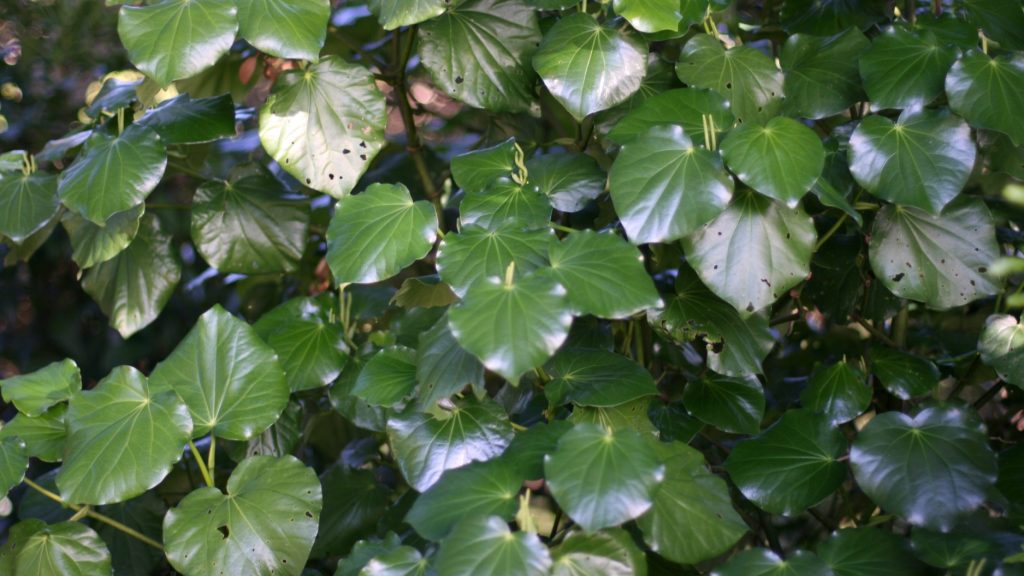
Botanical and Chemical Overview:
- Family: Piperaceae
- Key compounds: Myristicin (phenylpropanoid), essential oils, tannins
- Traditional significance: Highly valued in rongoā Māori; leaves with insect holes (“holey leaves”) particularly treasured
Scientific Drying Considerations:
Optimal temperature: 35-38°C
- Myristicin is moderately heat-sensitive
- Essential oil content decreases significantly above 40°C
- Lower temperatures preserve aromatic compounds better
Drying time: 3-7 days (method and humidity dependent)
- Thin leaves dry relatively quickly
- Monitor for complete crispness
Quality indicators:
- Colour: Should retain green colour (browning indicates oxidation or excessive heat)
- Aroma: Distinctive peppery scent should remain strong when crushed
- Texture: Crisp, brittle when fully dry
- “Holey leaves”: Insect damage is culturally significant and indicates robust plants; these leaves dry the same as undamaged ones
Harvest Sustainability:
- Maximum: 1-2 leaves per plant
- Spread harvest: Across multiple plants (minimum 10 plants for any meaningful harvest)
- Never strip: A single plant should never be completely defoliated
- Regeneration: Allow 6-12 months before re-harvesting same plant
Storage:
- Airtight containers, dark location
- Maintains potency for 12-18 months when properly dried and stored
- Monitor for moisture reabsorption in humid climates
Cultural Notes:
- Kawakawa is a taonga (treasured plant)
- Harvest with respect and gratitude
- Consider karakia (prayer) before and after harvest if this aligns with your practice, or simply maintain a mindful, respectful approach
- Cultivation strongly encouraged to reduce pressure on wild populations
Horopito (Pseudowintera colorata)
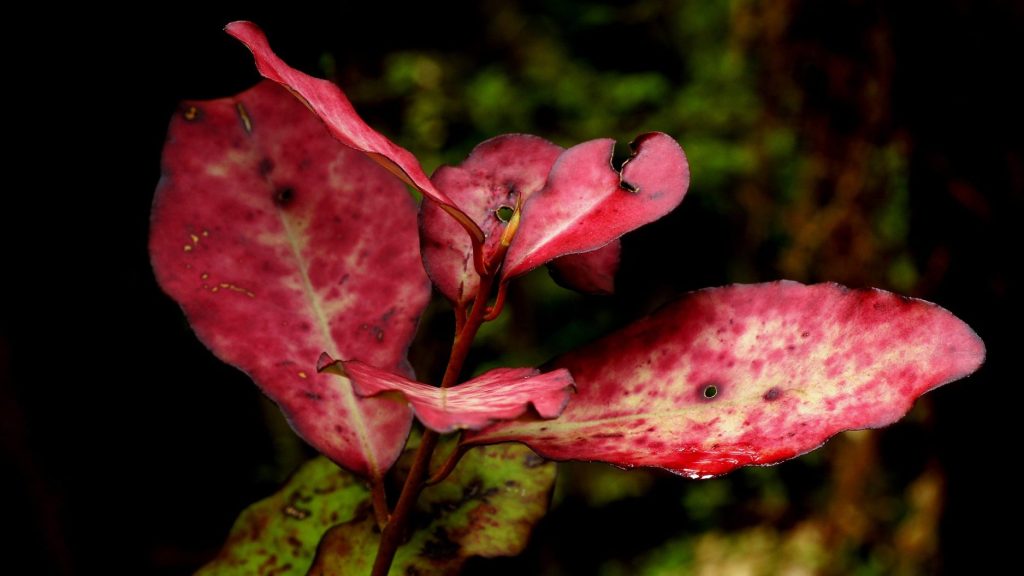
Botanical and Chemical Overview:
- Family: Winteraceae
- Key compound: Polygodial (sesquiterpene dialdehyde) – potent antimicrobial
- Conservation status: Not threatened, but slow-growing
Scientific Drying Considerations:
Optimal temperature: 35-40°C
- Polygodial is relatively heat-stable (more so than many monoterpenes)
- However, compound degrades with UV exposure
- Temperature less critical than darkness
Drying notes:
- Darkness essential: UV exposure significantly degrades polygodial
- Drying time: 5-10 days (thicker leaves than kawakawa)
- Colour retention: Should maintain reddish-green colour on underside
Quality indicators:
- Peppery taste: Should be intensely hot/peppery when chewed (indicates polygodial retention)
- Colour: Green upper surface, reddish-purple underside
- Texture: Thick, leathery before drying; crisp when dry
Harvest Sustainability – CRITICAL:
- Horopito is slow-growing (may take 10-20 years to reach harvesting maturity)
- Only harvest from cultivated plants or with explicit permission from landowners
- Never wild-harvest from native bush/reserves
- If cultivating: Wait until plant is well-established (minimum 3-4 years old)
- Maximum harvest: 10-15% of foliage per plant per year
Storage:
- Darkness essential (polygodial photo-sensitive)
- Airtight containers
- Cool conditions
- 12-24 months potency if properly stored
Conservation Context:
- While not officially threatened, habitat loss and overharvesting are concerns
- Growing your own horopito strongly encouraged
- Seeds and seedlings available from native plant nurseries throughout NZ
Other NZ Native Plants
General Principles for Native Medicinal Plants:
- Cultivation preferred over wild harvesting:
- Reduces pressure on wild populations
- Ensures sustainable supply
- Often provides better quality material (consistent growing conditions)
- Department of Conservation guidelines:
- Never harvest from DOC land without permit
- Many natives are protected under law
- Even common species should be harvested respectfully and sustainably
- Research limitations:
- Many NZ natives have limited scientific research on optimal drying parameters
- Traditional methods may be more appropriate than Western approaches
- When in doubt, use general principles: low temperature (35-40°C), darkness, good airflow
- Taonga species:
- Many native plants are culturally significant to Māori
- Harvest with respect and gratitude
- Consider supporting Māori-led conservation and cultivation initiatives
If considering working with native plants:
- Research thoroughly before harvesting
- Consult regional council regulations
- Consider attending workshops on native plant identification and sustainable use
- Support native plant nurseries and conservation projects
Conclusion: Integrating Science into Practice
Effective herb drying is achieved by understanding and managing:
1. Biological Factors:
- Enzyme deactivation through water removal
- Microbial prevention through low water activity
2. Chemical Factors:
- Volatile compound preservation through low temperatures
- Antioxidant preservation through darkness and minimal oxygen exposure
3. Physical Factors:
- Moisture removal through temperature, airflow, and humidity control
- Heat transfer optimisation
4. Environmental Factors (NZ-Specific):
- Regional humidity challenges (Auckland vs. Central Otago)
- Seasonal timing for optimal conditions
- Climate-appropriate method selection
The Balancing Act:
- Fast drying (prevents mold, reduces enzyme activity)
- vs.
- Low temperature (preserves volatile compounds)
Solution: Maximise airflow rather than temperature to achieve fast drying without heat damage.
The Perfect Dried Herb:
- Moisture content: 8-12% (aw <0.6)
- Colour: Vibrant, close to fresh
- Aroma: Strong when crushed
- Texture: Crisp, brittle
This is achievable with:
- Appropriate temperature (35-43°C)
- Excellent airflow (dehydrator or very well-ventilated space)
- Darkness (protection from photo-degradation)
- Attention to detail (monitoring, adjusting)
- Climate-appropriate strategies for your NZ region
Quick Reference: Optimal Drying Parameters by Herb
| Herb | Optimal Temp | Critical Compounds | Special Considerations | Drying Time |
|---|---|---|---|---|
| Peppermint | 35-40°C | Menthol (monoterpene) | High volatile loss >45°C | 3-6 hours (dehydrator) |
| Calendula | 35-38°C | Carotenoids, flavonoids | Light-sensitive; darkness essential | 6-10 hours (dehydrator) |
| Thyme | 38-43°C | Thymol, carvacrol | More heat-stable than mints | 4-8 hours (dehydrator) |
| Chamomile | 35-38°C | Bisabolol, apigenin | Delicate flowers; gentle handling | 5-8 hours (dehydrator) |
| Rosemary | 38-43°C | Rosmarinic acid, carnosol | Relatively heat-stable | 6-10 hours (dehydrator) |
| Dandelion root | 40-45°C | Sesquiterpene lactones, inulin | Dense tissue; slice thinly (5mm) | 12-24 hours (dehydrator) |
| Kawakawa | 35-38°C | Myristicin, essential oils | Cultural significance; harvest sustainably | 3-7 days (air-dry) |
| Horopito | 35-40°C | Polygodial | Darkness critical; cultivate only | 5-10 days (air-dry) |
Research Limitations and Knowledge Gaps
Areas with Strong Research Base:
- Common culinary/aromatic herbs (mint, thyme, sage, chamomile, lavender)
- Commercial crop optimisation (temperature/time/quality relationships)
- Volatile oil retention studies
- Water activity and microbial safety
Areas with Limited Research:
- Many NZ native species (kawakawa, horopito, koromiko, etc.)
- Lesser-known medicinal herbs globally
- Traditional vs. modern drying method comparisons for specific compounds
- Long-term storage stability beyond 12-18 months
- Interaction effects between drying parameters and subsequent extraction methods
Implications for Practice:
When research is limited for a specific herb:
- Apply general evidence-based principles (low temperature, darkness, good airflow)
- Observe quality indicators closely (colour, aroma, texture)
- Start with conservative parameters (lower temperature, monitor frequently)
- Document your results for future reference
- Err on the side of caution (gentler drying, more monitoring)
For NZ natives specifically:
- Consult traditional knowledge where appropriate and accessible
- Start with gentlest possible drying conditions
- Prioritise cultivation to allow experimentation without ecological impact
Sources & References
Peer-Reviewed Research
Argyropoulos, D., & Müller, J. (2014). Changes of essential oil content and composition during convective drying of lemon balm (Melissa officinalis L.). Industrial Crops and Products, 52, 118-124.
Buchaillot, A., Caffin, N., & Bhandari, B. (2009). Drying of lemon myrtle (Backhousia citriodora) leaves: retention of volatiles and colour. Drying Technology, 27(3), 445-450.
Chan, E. W. C., Lim, Y. Y., Wong, S. K., Lim, K. K., Tan, S. P., Lianto, F. S., & Yong, M. Y. (2009). Effects of different drying methods on the antioxidant properties of leaves and tea of ginger species. Food Chemistry, 113(1), 166-172.
Díaz-Maroto, M. C., Pérez-Coello, M. S., & Cabezudo, M. D. (2002). Effect of drying method on the volatiles in bay leaf (Laurus nobilis L.). Journal of Agricultural and Food Chemistry, 50(16), 4520-4524.
Müller, J., Conrad, T., & Thome, J. (1996). Drying of medicinal plants in solar dryer. Acta Horticulturae, 426, 67-74.
Müller, J., & Heindl, A. (2006). Drying of medicinal plants. In: Bogers, R.J., Craker, L.E., Lange, D. (eds) Medicinal and Aromatic Plants. Springer, Dordrecht.
Orphanides, A., Goulas, V., & Gekas, V. (2016). Drying technologies: Vehicle to high-quality herbs. Food Engineering Reviews, 8(2), 164-180.
Rahimmalek, M., & Goli, S. A. H. (2013). Evaluation of six drying treatments with respect to essential oil yield, composition and colour characteristics of Thymys daenensis subsp. daenensis. Celak leaves. Industrial Crops and Products, 42, 613-619.
Books
Bone, K., & Mills, S. (2013). Principles and practice of phytotherapy: Modern herbal medicine (2nd ed.). Churchill Livingstone.
Cech, R. (2000). Making Plant Medicine. Horizon Herbs.
Green, J. (2000). The Herbal Medicine-Maker’s Handbook: A Home Manual. Chelsea Green Publishing.
Extension Services and Technical Resources
National Center for Home Food Preservation. Drying: Herbs. University of Georgia. nchfp.uga.edu
Penn State Extension. (2025). Let’s Preserve: Drying Herbs. extension.psu.edu
Oregon State University Extension. (2025). Drying Herbs. extension.oregonstate.edu
Food Science References
Labuza, T. P., & Altunakar, B. (2007). Water activity prediction and moisture sorption isotherms. In G. V. Barbosa-Cánovas (Ed.), Water Activity in Foods. Blackwell Publishing.
New Zealand-Specific Resources
Brooker, S. G., Cambie, R. C., & Cooper, R. C. (1987). New Zealand Medicinal Plants. Heinemann Publishers.
Riley, M. (1994). Māori Healing and Herbal: New Zealand Ethnobotanical Sourcebook. Viking Sevenseas NZ Ltd.
Disclaimer: This guide is for educational purposes only. Proper drying is essential for safe herbal preparations. Moldy herbs should be discarded completely. When in doubt about herb quality, err on the side of caution. This guide provides scientific information but does not constitute professional advice for commercial herb production. Information on NZ native plants is provided from a Western botanical perspective and does not represent rongoā Māori traditional knowledge or practice.
Note on Pricing: All prices mentioned in this guide are approximate and based on New Zealand suppliers as of December 2025. Prices vary by supplier, season, and market conditions. We recommend checking current prices with your local suppliers.
 The Public Herbarium