What You Need to Know to Stay Safe
When you take herbs alongside pharmaceutical medications, they can interact inside your body in ways that matter for your health. These interactions can make medications less effective—or sometimes too effective, leading to dangerous side effects.
This guide will help you understand how these interactions happen, which combinations are risky, and how to use herbs safely with your medications.
Why Drug-Herb Interactions Happen
Your body processes everything you ingest—food, herbs, and medications—through the same systems. When herbs and drugs use the same processing pathways, they can interfere with each other.
A Note on Rongoā Māori and Western Medications
Rongoā Māori is the traditional Māori healing system with its own knowledge about plant interactions and safe use alongside Western treatments.
Important context:
This guide covers interactions between Western herbal supplements and pharmaceutical medications from a Western medical perspective. However:
- Rongoā Māori has its own protocols for combining traditional Māori healing with Western medicine
- Qualified rongoā practitioners (tohunga rongoā) have expertise in managing these interactions from a traditional Māori perspective
- Some native plants used in rongoā Māori may have interactions not covered in Western herb-drug interaction databases
If you are using rongoā Māori:
- Inform both your rongoā practitioner and your Western healthcare provider
- Qualified rongoā practitioners understand how to work alongside Western medicine safely
- Do not assume Western herb-drug interaction information applies to rongoā Māori preparations
- For guidance on rongoā Māori approaches, consult qualified rongoā practitioners
This guide provides information on Western herbal supplements and medications while acknowledging that rongoā Māori represents a distinct knowledge system requiring its own expertise.
The Two Main Types of Interactions
1. Pharmacokinetic Interactions (How Your Body Processes Substances)
This is when an herb changes how much of a medication ends up in your bloodstream:
- The liver’s processing plant: Your liver uses specialized enzymes (called cytochrome P450 enzymes) to break down most medications. Some herbs speed these enzymes up, making medications break down faster than intended (you get too little effect). Other herbs slow the enzymes down, making medications build up in your system (you get too much effect—potentially toxic levels).
- The intestinal gateway: Your intestines have transporter proteins that control what gets absorbed. Herbs can interfere with these, changing how much medication enters your bloodstream.
Example: St John’s Wort speeds up liver enzymes dramatically. If you’re taking birth control pills, St John’s Wort can make your body break down the hormones so fast that you’re no longer protected against pregnancy. This is a pharmacokinetic interaction—the herb changed how much active medication stayed in your body.
2. Pharmacodynamic Interactions (How Substances Affect Your Body)
This is when an herb and a medication have similar or opposite effects:
- Additive effects: An herb and a drug both do the same thing, so the combined effect is stronger than intended
- Antagonistic effects: An herb and a drug have opposite actions, canceling each other out
Example: If you take valerian (a sedating herb) alongside a prescription sleeping pill, both substances calm your nervous system. Together, they might make you excessively drowsy or affect your breathing. This is a pharmacodynamic interaction—the effects added together.
High-Risk Herb: St John’s Wort

The big one to know about: St John’s Wort (Hypericum perforatum) is the most problematic herb for drug interactions. It affects approximately 50% of all prescription medications.
How It Works
St John’s Wort contains a compound called hyperforin that dramatically activates liver enzymes (particularly CYP3A4). Once activated, these enzymes work overtime breaking down medications—often reducing drug levels by 20-90%.
What It Affects
St John’s Wort reduces the effectiveness of:
- Birth control pills (risk of unwanted pregnancy)
- Antidepressants (reduced therapeutic effect, possible dangerous serotonin syndrome if certain types)
- Blood thinners like warfarin (risk of blood clots)
- Heart medications like digoxin
- Immunosuppressants like cyclosporine (risk of organ rejection in transplant patients)
- HIV medications (treatment failure)
- Chemotherapy drugs (reduced cancer treatment effectiveness)
- Many others
The Timeline
- Effects begin within 3-7 days of starting St John’s Wort
- Maximum effect occurs after 10-14 days
- Effects persist for 1-2 weeks after stopping St John’s Wort
Bottom line: Only use St John’s Wort if you are not taking any other medications, or under close medical supervision with careful monitoring.
Common Medication Categories and Their Herbal Interactions
Blood Thinners (Anticoagulants)
Medications: Warfarin, rivaroxaban, dabigatran, apixaban, aspirin, clopidogrel
How they work: Prevent blood clot formation
Problematic herbs:
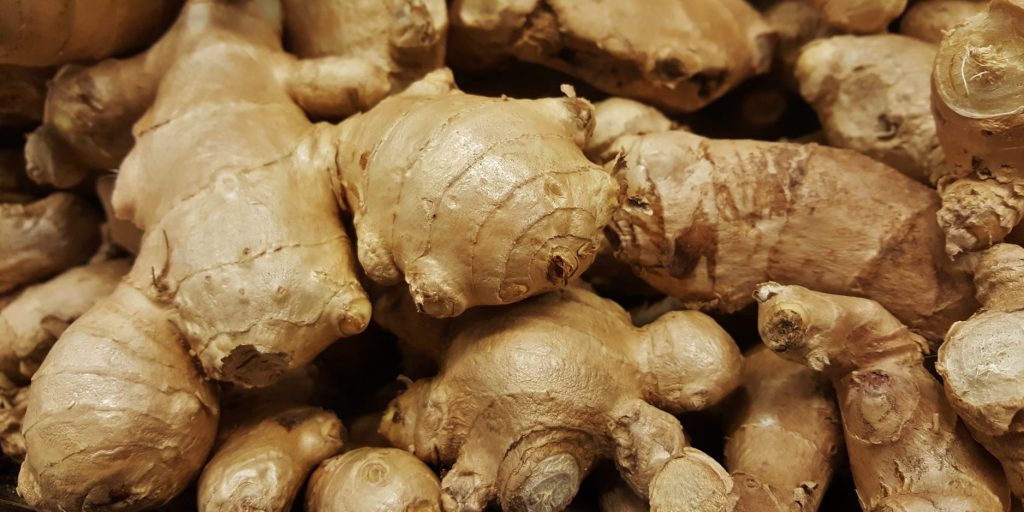
- Ginger (high doses above 4g/day dried)
- Garlic (high doses above 4g/day fresh or equivalent)
- Ginkgo biloba
- Feverfew
- Turmeric/curcumin (high therapeutic doses)
- Dong quai
- Danshen
Why it matters: These herbs have mild blood-thinning properties. Combined with anticoagulant medications, they increase the risk of bleeding and bruising—which can be dangerous, especially with internal bleeding or before surgery.
What’s safe: Culinary amounts of ginger, garlic, and turmeric in food are generally fine. It’s the concentrated therapeutic doses in supplements that cause problems.
What to do:
- Tell your doctor about all herbs you’re using
- Have your blood clotting monitored more frequently
- Stop therapeutic doses of these herbs 1-2 weeks before surgery
Blood Pressure Medications
Medications: Enalapril, lisinopril, metoprolol, amlodipine, losartan, hydrochlorothiazide
How they work: Lower blood pressure through various mechanisms
Problematic herbs:
- Licorice root (can raise blood pressure and counteract medication)
- Ginseng (may affect blood pressure unpredictably)
- Yohimbe (raises blood pressure—dangerous combination)
- Hawthorn (can lower blood pressure further—needs monitoring)
Why it matters: You need blood pressure medications to work consistently. Herbs that raise blood pressure (like licorice) can make your medication ineffective. Herbs that lower blood pressure (like hawthorn) can make your medication work too well, causing dizziness, fainting, or dangerous drops in blood pressure.
What to do:
- Avoid licorice if you have high blood pressure or take blood pressure medication
- If using hawthorn, monitor your blood pressure carefully and work with your doctor
- Never stop blood pressure medication without medical supervision
Diabetes Medications
Medications: Metformin, insulin, glipizide, glyburide
How they work: Lower blood sugar levels
Problematic herbs:
- Fenugreek
- Cinnamon (high therapeutic doses)
- Gymnema
- Bitter melon
- Ginseng
Why it matters: These herbs can lower blood sugar. Combined with diabetes medication, blood sugar might drop dangerously low (hypoglycemia), causing shakiness, sweating, confusion, loss of consciousness, or even seizures.
What’s safe: Normal cooking amounts of cinnamon and fenugreek are fine.
What to do:
- Monitor blood sugar more frequently if using these herbs
- Watch for signs of low blood sugar (sweating, shakiness, rapid heartbeat, confusion)
- Tell your doctor so they can adjust medication doses if needed
Antidepressants and Anti-Anxiety Medications
Medications: SSRIs (fluoxetine, sertraline, citalopram), SNRIs (venlafaxine), tricyclics, MAOIs, benzodiazepines (diazepam, lorazepam, alprazolam)
Problematic herbs:
- St John’s Wort (MAJOR—can cause serotonin syndrome or make medications ineffective)
- Valerian (may increase sedation with benzodiazepines)
- Kava (increases sedation, liver concerns)
- Passionflower (may increase sedation)
- SAMe (may increase serotonin too much)
- 5-HTP (may increase serotonin too much)
Why it matters: Serotonin syndrome is a potentially life-threatening condition that occurs when serotonin levels become too high. Symptoms include confusion, rapid heart rate, high blood pressure, dilated pupils, muscle rigidity, and severe cases can cause seizures and death.
What to do:
- NEVER combine St John’s Wort with antidepressants
- Tell your doctor before using any sedating herbs with anti-anxiety medications
- If you develop symptoms of serotonin syndrome, get emergency help immediately
Immunosuppressants (After Transplant or for Autoimmune Conditions)
Medications: Cyclosporine, tacrolimus, methotrexate, azathioprine
How they work: Suppress immune system to prevent organ rejection or manage autoimmune disease
Problematic herbs:
- Echinacea (stimulates immune system)
- Astragalus (stimulates immune system)
- Cat’s claw (stimulates immune system)
- Medicinal mushrooms (reishi, maitake, turkey tail—stimulate immune system)
- St John’s Wort (reduces medication levels)
- Turmeric (high doses may affect drug metabolism)
Why it matters: Immunosuppressants have very narrow therapeutic windows—small changes in drug levels can mean the difference between organ rejection and adequate immunosuppression. Immune-stimulating herbs can directly counteract the medication’s purpose.
What to do:
- Avoid all immune-stimulating herbs if taking immunosuppressants
- These medications require regular blood level monitoring
- Discuss any herbs with your transplant team or rheumatologist
Thyroid Medications
Medications: Levothyroxine (Synthroid, Eltroxin), carbimazole
How they work: Regulate thyroid hormone levels
Problematic herbs:
- Kelp/seaweed (high iodine content)
- Bugleweed (affects thyroid function)
- Lemon balm (large amounts may affect thyroid)
- Soy (large amounts may interfere with absorption)
Why it matters: Thyroid medication needs to be absorbed properly and work consistently. High iodine intake from kelp can interfere with thyroid function. Taking herbs at the same time as thyroid medication can reduce absorption.
What to do:
- Take thyroid medication on an empty stomach
- Take herbs at least 2-3 hours away from thyroid medication
- Avoid kelp supplements if you have thyroid issues
- Regular thyroid function tests are important
Birth Control Pills and Hormone Replacement Therapy
Medications: Combined oral contraceptives, progesterone-only pills, estrogen therapy
Problematic herbs:
- St John’s Wort (MAJOR—reduces effectiveness, pregnancy risk)
- Chaste tree/Vitex (affects hormones)
- Black cohosh (affects estrogen)
- Red clover (contains phytoestrogens)
- Saw palmetto (affects hormones)
Why it matters: St John’s Wort is the critical one here—it can reduce birth control effectiveness by 20-50%, significantly increasing pregnancy risk. Other herbs may affect hormone levels but the risk is less clear.
What to do:
- NEVER use St John’s Wort with hormonal contraceptives
- If you must use it, use additional barrier contraception (condoms)
- Tell your doctor about any hormone-affecting herbs
Herbs That Are Generally Safe With Most Medications
These herbs have minimal known drug interactions when used in normal amounts:
Culinary herbs in food amounts:
- Chamomile tea
- Peppermint tea
- Ginger (culinary amounts)
- Lemon balm
- Lavender (external use or occasional tea)
- Rosemary, thyme, sage, basil (cooking amounts)
- Most kitchen herbs
Important: “Generally safe” doesn’t mean zero risk. Always inform healthcare providers about everything you’re using.
How to Use Herbs Safely With Medications
1. Communication is Essential
Tell your doctor about:
- All herbs, vitamins, and supplements you’re taking
- Herbal teas you drink regularly
- Over-the-counter medications
- How much you’re taking and how often
Tell your pharmacist:
- Pharmacists are experts in drug interactions
- They can check for interactions when you pick up prescriptions
- This service is free at New Zealand pharmacies
2. Timing Can Help (But Isn’t Always Enough)
Taking herbs and medications at different times can reduce some interactions:
- General rule: 2-3 hours apart
- Particularly important for: thyroid medications, antibiotics, minerals (iron, calcium)
However: Timing doesn’t protect against systemic interactions (like St John’s Wort affecting liver enzymes). Those effects last all day regardless of timing.
3. Start Low, Go Slow
- Begin with small amounts of new herbs
- Observe how you feel
- Watch for unusual symptoms
- Increase gradually if no problems
4. Keep Records
Track:
- What herbs you’re using
- Doses and frequency
- Any changes in how you feel
- Bring this list to medical appointments
5. Watch for Warning Signs
Stop herbs and contact your doctor if you experience:
- Unusual bleeding or bruising
- Dizziness or fainting
- Rapid or irregular heartbeat
- Severe headache
- Confusion or mental changes
- Nausea or vomiting
- Skin rashes
- Unusual tiredness
- Any concerning symptoms
6. Special Situations
Before surgery:
Stop these herbs 1-2 weeks before surgery:
- Garlic (high doses)
- Ginger (high doses)
- Ginkgo
- Ginseng
- St John’s Wort
- Vitamin E (high doses)
- Any blood-thinning herbs
Why: Risk of excessive bleeding or interactions with anesthesia
Tell your surgeon and anesthetist about all herbs you’ve been using.
Common Questions
Q: Can I just take herbs at a different time of day than my medication?
A: Sometimes this helps (especially with absorption issues), but it won’t prevent all interactions. Herbs like St John’s Wort affect your liver enzymes 24/7, so timing doesn’t matter.
Q: Are “natural” herbs safer than medications when it comes to interactions?
A: No. “Natural” doesn’t mean “safe” or “interaction-free.” Many herbs contain powerful compounds that affect the same body systems as medications.
Q: What if I’ve been taking an herb and medication together with no problems?
A: Some interactions take weeks to develop (like St John’s Wort). Others might not cause obvious symptoms but could reduce medication effectiveness. It’s still important to check.
Q: Can I stop my medication and just use herbs instead?
A: Never stop prescription medication without medical supervision. This can be extremely dangerous. Herbs and medications serve different purposes.
Resources in New Zealand
National Poisons Centre: 0800 764 766 (24 hours)
- For poisoning emergencies
- Can provide information on herb-drug interactions
Your Pharmacist:
- Free interaction checks
- Expert knowledge
- Available at all New Zealand pharmacies
Your GP:
- Can adjust medication doses if needed
- Monitors for interaction effects
- Coordinates your overall care
Final Thoughts
Herb-drug interactions are real and can be serious, but they’re manageable with:
- Open communication with healthcare providers
- Knowledge of high-risk combinations
- Common sense and caution
- Attention to how you feel
The vast majority of problems occur with:
- St John’s Wort (the major offender)
- Herbs in large therapeutic doses (not culinary amounts)
- Medications with narrow therapeutic windows
- People who don’t inform their doctors about herb use
When in doubt:
- Ask your pharmacist (free, quick, knowledgeable)
- Start with herbs known to be safe
- Use smaller amounts
- Keep your healthcare team informed
Your safety is more important than any herb. There’s no herb so beneficial that it’s worth risking dangerous interactions with necessary medications.
If you’re taking medications with narrow therapeutic windows (blood thinners, immunosuppressants, transplant drugs, chemotherapy), be extra cautious and work closely with your healthcare team before adding any herbs.
Remember: herbs are powerful plant medicine. They deserve the same respect and careful consideration as pharmaceutical medications.
Sources & Further Reading
Key References on Herb-Drug Interactions:
Williamson, E. M., Driver, S., & Baxter, K. (Eds.). (2013). Stockley’s Herbal Medicines Interactions (2nd ed.). Pharmaceutical Press.
[Definitive professional reference on herb-drug interactions]
Bone, K., & Mills, S. (2013). Principles and Practice of Phytotherapy: Modern Herbal Medicine (2nd ed.). Churchill Livingstone.
[Comprehensive herbal pharmacology including drug interactions]
Chen, X. W., Sneed, K. B., Pan, S. Y., et al. (2012). Herb-drug interactions and mechanistic and clinical considerations. Current Drug Metabolism, 13(5), 640-651. https://doi.org/10.2174/1389200211209050640
[Peer-reviewed review of interaction mechanisms]
Izzo, A. A., & Ernst, E. (2009). Interactions between herbal medicines and prescribed drugs: An updated systematic review. Drugs, 69(13), 1777-1798. https://doi.org/10.2165/11317010-000000000-00000
[Systematic review of clinical evidence]
St John’s Wort Specific:
Zhou, S., Gao, Y., Jiang, W., Huang, M., Xu, A., & Paxton, J. W. (2003). Interactions of herbs with cytochrome P450. Drug Metabolism Reviews, 35(1), 35-98.
[Detailed CYP450 interaction mechanisms]
Henderson, L., Yue, Q. Y., Bergquist, C., Gerden, B., & Arlett, P. (2002). St John’s wort (Hypericum perforatum): drug interactions and clinical outcomes. British Journal of Clinical Pharmacology, 54(4), 349-356.
[Clinical case reports of St John’s Wort interactions]
Blood Thinners:
Ulbricht, C., Chao, W., Costa, D., et al. (2008). Clinical evidence of herb-drug interactions: a systematic review by the Natural Standard Research Collaboration. Current Drug Metabolism, 9(10), 1063-1120.
[Comprehensive review including anticoagulant interactions]
NZ Resources:
New Zealand Formulary (NZF)
- Website: www.nzf.org.nz
- Includes drug interaction checker
Medsafe – New Zealand Medicines and Medical Devices Safety Authority
- Website: www.medsafe.govt.nz
- Information on medication safety and interactions
National Poisons Centre
- Phone: 0800 764 766 (24/7)
- Website: www.poisons.co.nz
- Expert advice on herb-drug interactions
Disclaimer: This guide is for educational purposes only and is not medical advice. Herb-drug interactions are complex and individual responses vary. Always consult your doctor, pharmacist, or qualified healthcare provider before combining herbs with medications. Never stop or change prescription medications without medical supervision – this can be dangerous.
This guide covers Western herbal supplements and pharmaceutical medications. It is not a substitute for traditional indigenous knowledge systems including rongoā Māori. For rongoā Māori approaches to plant medicine and interactions with Western medications, consult qualified rongoā practitioners (tohunga rongoā).
The interaction information represents current scientific understanding but is not comprehensive – not all possible interactions are known or documented. Individual factors (genetics, health status, other medications, doses) affect interaction risk. When in doubt, consult healthcare professionals. Children under 2 years should not receive herbal supplements without specialist guidance.
The author and publisher assume no liability for adverse reactions, drug interactions, or treatment decisions made based on this information. In case of emergency or suspected interaction, contact the National Poisons Centre (0800 764 766) or Emergency Services (111) immediately.
Note on Pricing: All prices mentioned in this guide are approximate and based on New Zealand suppliers as of December 2025. Prices vary by supplier, season, and market conditions. We recommend checking current prices with your local suppliers.
 The Public Herbarium