General Wellness: Your Complete Herbal Guide
Preventive approach (build health before illness), accessible daily practices, holistic body-systems support, sustainable long-term wellness, free/low-cost herbs in NZ.
Understanding Wellness Herbalism
What Makes Wellness Herbs Different
Wellness herbs (tonics, nutritives) vs. medicinal herbs:
- Gentle: Food-like in safety, can be used daily for long periods
- Nourishing: Provide vitamins, minerals, and other nutrients
- Preventive: Build resilience rather than treat acute illness
- Cumulative: Work slowly over time, not quick fixes
Mainstream medicine: Wait until sick, treat disease
Wellness herbalism: Support health daily, prevent when possible, treat gently when needed
The Power of Consistency
Key principle: Regular small doses are more effective than occasional large doses.
Example:
- Drinking nettle infusion daily for months → noticeable increase in energy, stronger nails, better hair, improved iron levels
- Drinking nettle tea once when you remember → minimal effect
Think of wellness herbs like:
- Good nutrition (daily vegetables, not once-a-week vitamin bomb)
- Exercise (regular walking, not occasional marathon)
- Sleep hygiene (consistent bedtime, not binge sleeping on weekends)
Your Wellness Herb Toolkit
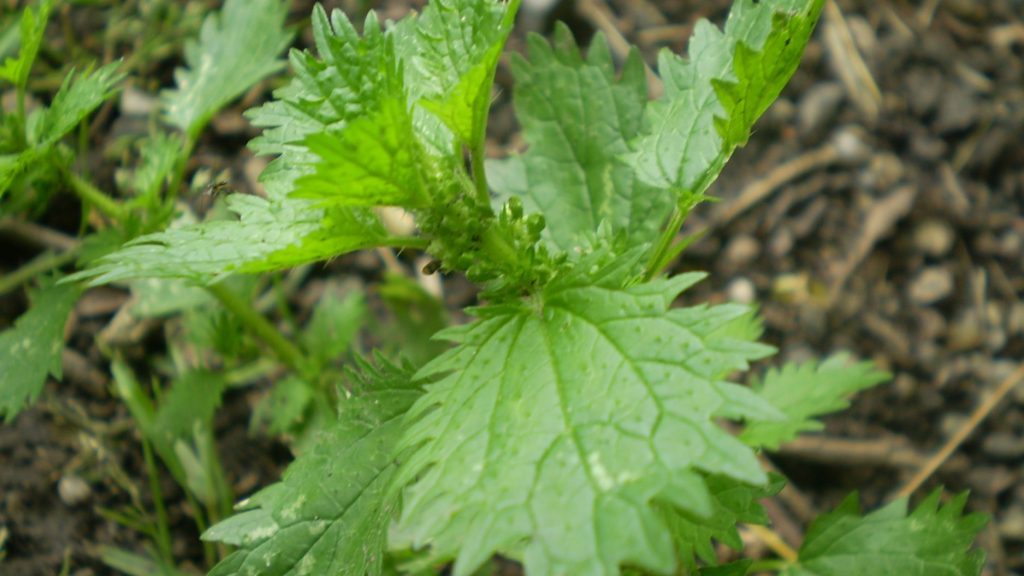
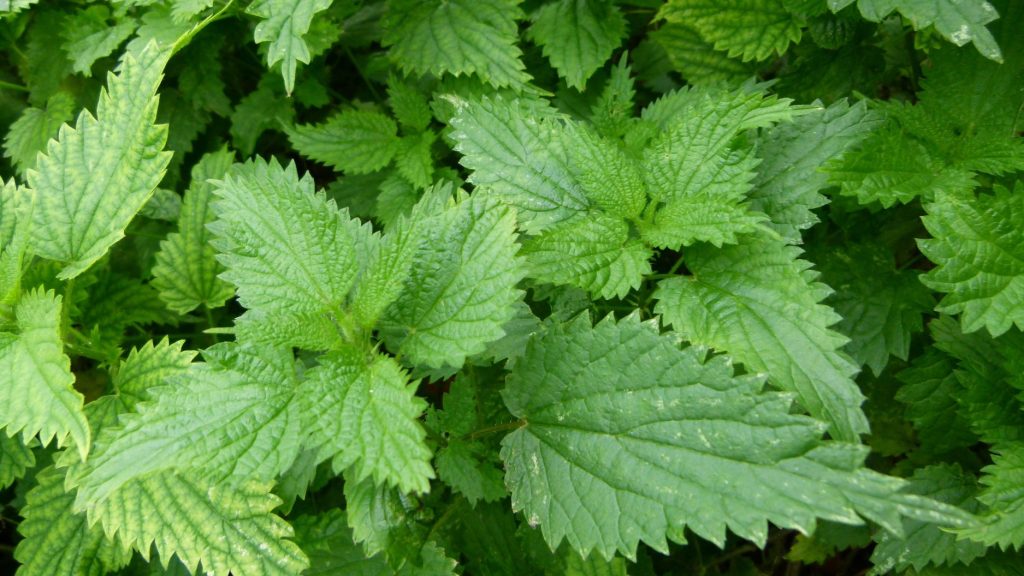
1. Nettle Leaf (Urtica dioica) – The Mineral Powerhouse
Why it’s essential:
Nettle is one of the most nutrient-dense herbs available. It’s like a multivitamin from the earth—providing minerals and vitamins in forms your body can easily absorb and use.
What it offers:
- Rich in minerals: Iron, calcium, magnesium, potassium, silica, zinc
- Vitamins: A, C, K, B vitamins
- Protein: Surprisingly protein-rich for a plant
- Chlorophyll: Blood-building, energising
- Anti-inflammatory: Reduces general inflammation
- Gentle diuretic: Supports kidney function, reduces water retention
Who benefits most:
- Everyone! Nettle is the foundation wellness herb
- People with low energy (iron supports energy)
- Those prone to anaemia (menstruating women, vegetarians)
- Seasonal allergies (natural antihistamine)
- Joint inflammation (anti-inflammatory)
- Pregnant and breastfeeding women (very nourishing—check with midwife/doctor)
- Elderly (mineral support for bones)
How to use:
Strong Nourishing Infusion (BEST METHOD):
- Add 1/4 cup (about 30g) dried nettle leaf to 1 litre jar
- Fill with boiling water
- Cover, steep 4-8 hours (or overnight)
- Strain
- Drink 1-2 cups daily (can drink warm or cold)
- Store remainder in fridge (use within 24-36 hours)
Why long infusion: Minerals extract better with extended steeping. Short tea doesn’t get the full benefit.
Regular Tea (simpler but less potent):
- 1-2 teaspoons dried nettle per cup
- Steep 10-15 minutes
- 2-3 cups daily
Fresh Nettle (Spring):
- Wear gloves! Fresh nettle stings
- Pick young tops in early spring
- Steam or sauté like spinach (cooking removes sting)
- Add to soups, omelettes, pesto
Taste: Grassy, earthy, mineral. Add lemon and honey if needed. Many people grow to love the taste.
Cost (NZ): Dried nettle leaf $10-18/100g (health food stores, online)
Safety: Very safe. Rare allergic reactions. Can enhance diuretic medications (usually beneficial). Safe in pregnancy (traditional use, but check with your provider).
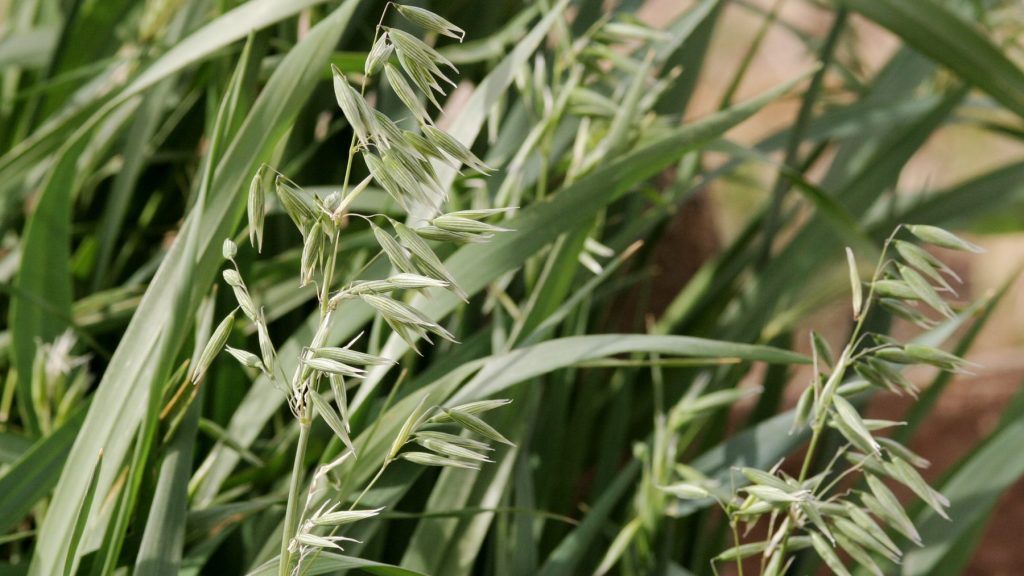
2. Oatstraw (Avena sativa) – The Nervous System Nourisher
Why it’s valuable:
Oatstraw is gentle, calming, and deeply nourishing—particularly for the nervous system. It’s not a quick fix for stress, but rather a long-term tonic that rebuilds depleted reserves.
What it offers:
- Nourishes nervous system: Rebuilds after stress, burnout
- Rich in minerals: Calcium, magnesium, silica, iron
- Supports bones: Silica essential for bone health
- Calming without sedation: Gently reduces nervous tension
- Skin and hair health: Silica supports collagen, healthy tissue
- Energy: Not stimulating, but provides sustained vitality
Who benefits most:
- Stressed, overwhelmed, burnt-out people
- Those with nervous exhaustion
- Osteoporosis prevention (especially postmenopausal women)
- Weak nails, thinning hair (silica support)
- Anyone needing general nourishment
How to use:
Strong Nourishing Infusion:
- Same method as nettle (1/4 cup dried oatstraw in 1 litre water, steep overnight)
- Drink 1-2 cups daily
- Can combine with nettle (1/8 cup each)
Tea:
- 1-2 tablespoons simmered 15 minutes
- 2-3 cups daily
Food as Medicine:
- Regular oatmeal for breakfast (whole oats, not instant)
- Provides similar (though less concentrated) benefits
Taste: Mild, slightly sweet, pleasant
Timeline: Effects are cumulative. Most people notice benefits after 2-4 weeks of daily use. Full effects may take 2-3 months.
Cost (NZ): Dried oatstraw $10-18/100g
Safety: Very safe. Gluten-free (oats naturally gluten-free; check for cross-contamination if coeliac).
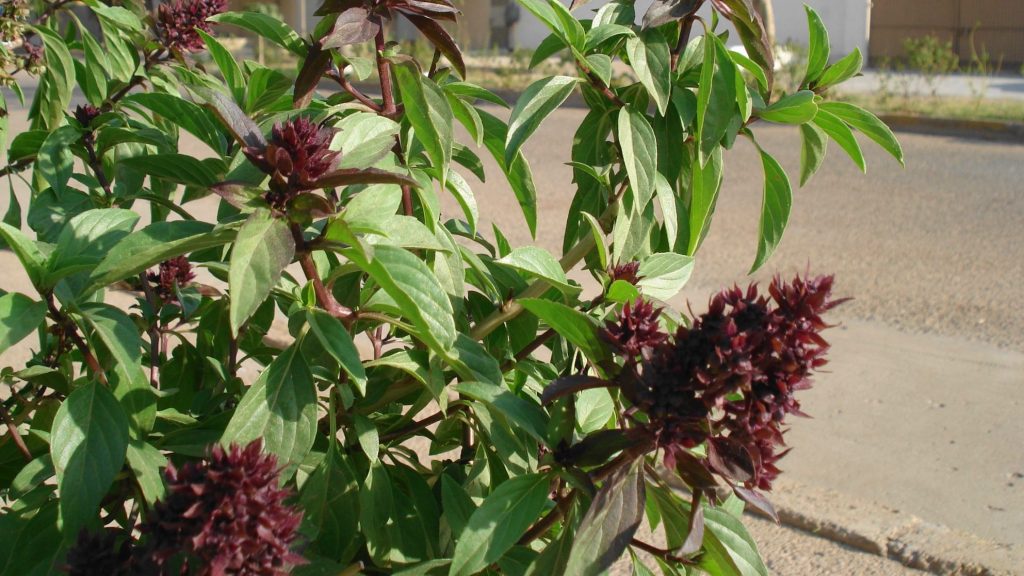
3. Tulsi / Holy Basil (Ocimum sanctum) – The Adaptogenic Balancer
Why it helps:
Tulsi is one of the most important Ayurvedic herbs. As an adaptogen, it helps your body handle stress better, supporting resilience and balance.
What it offers:
- Adaptogenic: Helps body adapt to stress, normalises stress response
- Reduces cortisol: Lowers stress hormone when elevated
- Immune support: Strengthens resistance to illness
- Respiratory support: Antimicrobial, soothes airways
- Mental clarity: Reduces stress-related brain fog
- Mood support: Gentle uplifting effects
- Balancing: Neither overly stimulating nor sedating
Who benefits most:
- People under chronic stress
- Those prone to frequent colds/infections
- Respiratory issues (asthma, allergies, frequent coughs)
- Need for emotional balance and resilience
How to use:
Daily Tea:
- Use 1-2 teaspoons dried tulsi
- Steep 10 minutes
- Drink 1-3 cups daily
Fresh Tulsi (if growing):
- Handful fresh leaves per cup
- Steep 5-10 minutes
- Delicious and aromatic
Tincture:
- 2-4ml, 2-3 times daily
Timing: Morning and afternoon (some find it slightly stimulating before bed)
Taste: Spicy, clove-like, warming, peppery. Pleasant and aromatic.
Important: Like all adaptogens, works best with consistent use (at least 2-3 weeks to notice effects).
Cost (NZ): Dried tulsi $12-20/50g
Safety: Very safe for daily use. May slightly lower blood sugar (monitor if diabetic). Generally safe during pregnancy/breastfeeding at normal doses (check with provider).
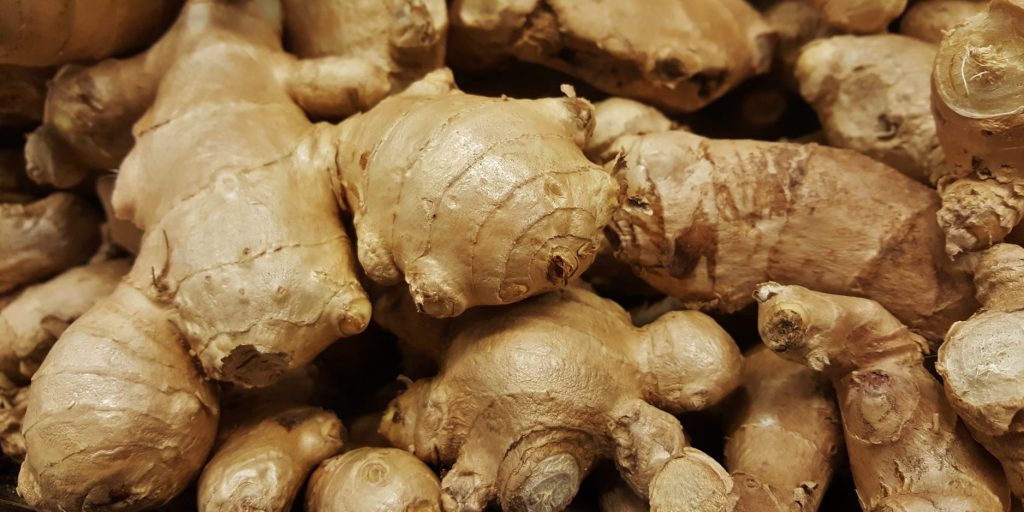
4. Ginger (Zingiber officinale) – The Universal Wellness Herb
Why it’s everywhere:
Ginger appears in almost every guide because it’s incredibly versatile—supporting digestion, circulation, inflammation, immunity, and more.
What it offers:
- Improves circulation: Warming, increases blood flow
- Anti-inflammatory: Reduces inflammation throughout body
- Digestive support: Prevents nausea, improves digestion
- Immune support: Antimicrobial, warming for colds
- Pain relief: Helps with muscle aches, joint pain
- Warming: Excellent for cold people, poor circulation
Who benefits most:
- Everyone! Ginger is universally beneficial
- Poor circulation (cold hands/feet)
- Joint pain or inflammation
- Digestive issues
- Frequent colds
- General wellness
How to use:
Fresh Ginger Tea:
- Slice 3-5cm piece fresh ginger (skin on—has compounds too)
- Simmer in 2 cups water 10-15 minutes
- Strain, add honey and lemon
- Drink daily or as needed
In Food:
- Add liberally to cooking (stir-fries, soups, curries)
- Grate into smoothies
- Make ginger honey: Grate ginger, mix with honey, take 1 teaspoon daily
Golden Milk (with Turmeric):
- Heat 1 cup milk (dairy or plant-based)
- Add 1/2 teaspoon each: turmeric powder, ginger powder
- Add pinch black pepper (activates turmeric)
- Sweeten with honey
- Drink before bed (anti-inflammatory, warming, delicious)
Cost (NZ): Fresh ginger $3-6/100g (supermarkets); dried powder $5-10/100g
Safety: Very safe. Avoid very high doses with blood thinners. Safe in pregnancy at culinary amounts.
5. Lemon Balm (Melissa officinalis) – The Uplifting Calmer

Why it’s special:
Lemon balm is simultaneously calming and uplifting—it reduces anxiety without causing drowsiness and lifts mood gently.
What it offers:
- Reduces anxiety: Calms without sedation
- Uplifts mood: Gentle antidepressant effects
- Digestive support: Calms stress-related digestive upset
- Antiviral: Particularly for cold sores (Herpes simplex)
- Cognitive support: Improves calm focus
- Pleasant taste: Makes herbal blends delicious
Who benefits most:
- Anxious people who need calm clarity
- Mild depression or low mood
- Stress-related digestive issues
- Cold sore sufferers
- Anyone wanting gentle daily nervous system support
How to use:
Daily Tea:
- Use 1-2 teaspoons dried lemon balm (or small handful fresh)
- Steep 10-15 minutes (cover to retain volatile oils)
- Drink 2-3 cups daily
Fresh Lemon Balm (very easy to grow):
- Handful fresh leaves per cup
- Steep 5 minutes
- Delicious lemony flavour
Tincture:
- 2-4ml, 2-3 times daily
Taste: Lemony, pleasant, slightly minty. One of the most delicious herbs.
Cost (NZ): Dried $10-15/50g; fresh plant $5-10 (spreads readily—grows like a weed!)
Safety: Very safe. Safe during pregnancy/breastfeeding. May reduce thyroid hormone activity theoretically (not clinically significant at normal doses).
6. Raspberry Leaf (Rubus idaeus) – The Women’s Tonic

Why it’s traditional:
Raspberry leaf has been used for centuries as a women’s health herb, particularly during pregnancy and for reproductive health.
What it offers:
- Uterine tonic: Tones uterine muscles
- Mineral-rich: Iron, calcium, magnesium
- Supports female reproductive health: Throughout life
- Pregnancy support: Traditional third-trimester tonic
- Postpartum recovery: Supports uterine healing
- Menstrual support: May reduce cramping, heavy bleeding
Who benefits most:
- Pregnant women (especially third trimester)
- Women trying to conceive
- Menstruating women (irregular cycles, cramping)
- Postpartum recovery
- General women’s wellness
How to use:
Nourishing Infusion:
- 1/4 cup dried leaf in 1 litre water
- Steep 4 hours or overnight
- Drink 1-2 cups daily
Tea:
- 1-2 teaspoons per cup
- Steep 10-15 minutes
- 2-3 cups daily
Pregnancy use: Generally recommended from second trimester onward. Check with midwife/doctor. Many midwives actively recommend raspberry leaf tea in third trimester.
Taste: Pleasant, slightly astringent, tea-like
Cost (NZ): Dried leaf $8-15/50g
Safety: Very safe. Traditional use throughout pregnancy (though some sources recommend waiting until second trimester). Safe during breastfeeding.
Daily Wellness Blends
Everyday Vitality Tea
For general daily wellness
Ingredients:
- 2 parts nettle leaf (mineral-rich, energising)
- 1 part tulsi (adaptogenic, stress support)
- 1 part lemon balm (calming, uplifting)
- 1 part ginger (warming, digestive)
Method:
- Mix dried herbs in jar
- Use 1-2 teaspoons per cup
- Steep 10-15 minutes
- Drink 2-3 cups daily
Why it works: Nettle provides nutrients; tulsi supports stress resilience; lemon balm uplifts and calms; ginger warms and supports circulation.
Golden Milk (Anti-Inflammatory Tonic)
Traditional Ayurvedic wellness drink
Ingredients:
- 1 cup milk (dairy or plant-based)
- 1/2 teaspoon turmeric powder
- 1/2 teaspoon ginger powder (or fresh grated)
- Pinch black pepper (essential—activates turmeric)
- Pinch cinnamon
- Honey to taste
Method:
- Heat milk gently (don’t boil)
- Whisk in spices
- Simmer 5 minutes
- Add honey after removing from heat
- Drink warm, ideally before bed
Why it works: Turmeric is powerfully anti-inflammatory (supports joints, brain, overall health). Ginger adds circulation and warmth. Black pepper increases turmeric absorption by 2000%.
Daily Wellness Routine
Morning (Upon Waking)
Hydration:
- Glass of room-temperature water (rehydrates after sleep)
- Optional: Add lemon juice and small pinch cayenne (wakes up digestion)
Breakfast:
- Nourishing herbal infusion (nettle-oatstraw blend), 1 cup alongside breakfast
- OR everyday vitality tea
Midday
With Lunch:
- Continue sipping nourishing infusion
- OR digestive tea if needed (peppermint, ginger, fennel)
Afternoon (3-4pm):
- Tulsi tea (adaptogenic support through afternoon)
- OR lemon balm tea (calming, uplifting)
Evening
With or After Dinner:
- Digestive tea if heavy meal
- Begin transitioning to calming herbs
Before Bed:
- Chamomile, lemon balm, or lavender tea (See Sleep guide)
- OR Golden Milk (anti-inflammatory, warming, delicious)
Seasonal Wellness
Spring (September-November in NZ)
Focus: Renewal, gentle cleansing, allergy support
Herbs:
- Nettle: Daily for allergies (start before allergy season), “spring tonic”
- Dandelion leaf and root: Liver support, gentle cleansing
- Cleavers: Lymphatic support
- Fresh herbs from garden
Practices:
- Fresh nettle daily for allergies
- Lighter diet with fresh greens
- Begin foraging for fresh herbs
Summer (December-February)
Focus: Vitality, staying cool, hydration
Herbs:
- Cooling herbs: Mint, lemon balm (iced teas)
- Hydrating herbs: Hibiscus
- Fresh herbs from garden
Practices:
- Iced herbal teas
- Fresh herb salads
- Harvest and dry herbs for winter
Autumn (March-May)
Focus: Preparing for winter, immune support
Herbs:
- Echinacea: Immune support (start before getting sick)
- Elderberry: Antiviral, immune support
- Garlic: Antimicrobial
- Warming herbs: Ginger, cinnamon
Practices:
- Begin immune-supporting herbs
- Make elderberry syrup for winter
- Make fire cider (See Kitchen Herbalism guide)
Winter (June-August)
Focus: Staying well, warmth, maintaining energy
Herbs:
- Continue immune herbs
- Warming spices: Ginger, cinnamon, cayenne
- Adaptogens: For energy despite cold and dark
- Continue nourishing infusions
Practices:
- Hot herbal drinks throughout day
- Golden Milk before bed
- Fire cider daily
Building Your Practice
Week 1-2: Start Simple
- Choose ONE nourishing herb (nettle or oatstraw)
- Make infusion or tea daily
- Notice how you feel
Week 3-4: Add Variety
- Add evening relaxation tea (chamomile or lemon balm)
- Establish morning infusion routine
- Continue consistency
Week 5-6: Personalise
- Add herbs for specific needs (tulsi for stress, ginger for circulation)
- Create personal blends
- Establish sustainable routine
Ongoing: Maintain and Adjust
- Adjust with seasons
- Listen to your body
- Add or remove herbs as needed
- Maintain consistency (this is key!)
Where to Source in NZ
Dried herbs:
- Lotus Oils NZ (lotusoils.co.nz): Comprehensive selection
- Cottage Hill Herbs (cottagehill.co.nz): Organic/wildcrafted, $12-28/50g
- Herbshop NZ (herbshop.co.nz): Organic focus, $15-30/50g
- Bin Inn (bulk stores): Some herbs
- Health food stores: Most cities/towns
Typical costs:
- Nettle leaf: $10-18/100g
- Oatstraw: $10-18/100g
- Tulsi: $12-20/50g
- Lemon balm: $10-15/50g
- Raspberry leaf: $8-15/50g
- Ginger (fresh): $3-6/100g (supermarkets)
Growing herbs:
- Lemon balm: $5-10/plant (spreads readily)
- Mint varieties: $5-10/plant
- Many wellness herbs easy to grow at home
Summary: Your Wellness Foundation
Daily essentials:
- Nourishing infusion (nettle-oatstraw) – 1-2 cups
- Adequate water (2-3 litres)
- Whole foods diet
- Regular movement
- Quality sleep
Seasonal additions:
- Tulsi for stress support
- Immune herbs in autumn/winter
- Fresh herbs in spring/summer
- Adjust as needed
Remember:
- Consistency over intensity
- Gentle, daily practices
- Listen to your body
- Herbs support healthy lifestyle, don’t replace it
- Build slowly and sustainably
These gentle, nourishing herbs provide a foundation for lifelong wellness, supporting your body’s natural resilience and vitality.
Budget-Friendly General Wellness
Low-cost daily wellness ($5-15/month):
- Nettle tea (foraged): FREE, nutritive tonic (minerals, protein)
- Rosemary (garden): FREE, circulation/cognition/antioxidant
- Thyme (garden): FREE, antimicrobial/respiratory
- Garlic (kitchen): $4-8/bulb, immune/cardiovascular
- Ginger (kitchen): $3-6/100g, anti-inflammatory/digestive
Total: $7-14/month (less if growing/foraging)
Free daily wellness herbs:
- Garden: Rosemary, thyme, sage, oregano, mint, lemon balm
- Foraged: Nettle, dandelion, plantain, cleavers
- Kitchen: Garlic, onions, ginger, turmeric
Daily wellness practices (free):
- Morning nettle tea (mineral-rich start)
- Garlic in cooking (immune/cardiovascular)
- Herbal tea throughout day (hydration + phytochemicals)
- Garden time (connection to plants, movement, sunlight)
Seasonal wellness support:
- Spring: Nettle tea (detox/allergies) = FREE
- Summer: Mint/lemon balm tea (cooling) = FREE
- Autumn: Elderberry syrup (immune prep) = $3-5
- Winter: Fire cider + thyme tea (respiratory) = $20-30 batch
NZ budget note: Commercial wellness supplements $30-60/month. Garden herbs + foraged nettles + kitchen garlic/ginger provide comprehensive support for $7-14/month.
References
Bone, K., & Mills, S. (2013). Principles and practice of phytotherapy: Modern herbal medicine (2nd ed.). Churchill Livingstone.
Chevallier, A. (2016). Encyclopedia of herbal medicine (3rd ed.). Dorling Kindersley.
Grieve, M. (1931). A modern herbal. Dover Publications.
Disclaimer: Does not represent rongoā Māori methods. For rongoā knowledge, consult Te Paepae Motuhake.
Medical Disclaimer: This guide is for educational purposes only and is not medical advice. Consult qualified healthcare practitioners before using herbal remedies, especially if pregnant, nursing, taking medications, or having medical conditions.
Note on Pricing: All prices mentioned in this guide are approximate and based on New Zealand suppliers as of January 2026. Prices vary by supplier, season, and market conditions. We recommend checking current prices with your local suppliers.
 The Public Herbarium