Energy & Focus: Your Complete Herbal Guide
Natural energy support without caffeine crashes, sustainable focus without stimulant dependency, addresses root causes (stress, poor sleep, nutrition), accessible herbs available in NZ.
Understanding Energy and Focus
Where Energy Comes From
True energy comes from:
- Mitochondrial function: “Powerhouses” in your cells create ATP (cellular energy)
- Stress hormone balance: Chronic stress depletes energy reserves
- Neurotransmitters: Brain chemicals that support focus, motivation, mood
- Blood flow: Oxygen and nutrients delivered to brain and muscles
- Sleep quality: Restorative sleep essential for daytime energy
What drains energy:
- Chronic stress: Keeps body in “fight or flight” mode, exhausting
- Poor sleep: Prevents cellular repair and restoration
- Nutrient deficiencies: B vitamins, iron, magnesium needed for energy production
- Blood sugar imbalances: Crashes after high-sugar foods
- Inflammation: Immune system activation drains resources
Herbal strategies target these root causes
Your Energy & Focus Herb Toolkit
1. Rosemary (Rosmarinus officinalis) – The Mental Clarity Herb

Why it’s essential:
Rosemary is a gentle mental stimulant that improves concentration and memory. The scent alone has been shown to enhance cognitive performance.
What it does:
- Improves memory and focus: Active compounds support brain function
- Increases alertness: Stimulating without causing jitters
- Enhances blood flow to brain: Better oxygen and nutrient delivery
- Antioxidant: Protects brain cells from damage
- Uplifting: Improves mood and motivation
How to use:
Aromatherapy (very effective):
- Smell fresh rosemary leaves (crush slightly to release oils)
- Keep potted rosemary plant on desk
- Use 2-3 drops essential oil in diffuser
- Inhale directly from essential oil bottle (don’t apply undiluted to skin)
Rosemary Tea:
- Use 1 teaspoon dried rosemary (or 1 tablespoon fresh)
- Steep in hot water 5-10 minutes
- Strain
- Drink 1-2 cups in morning or when needing focus
In food:
- Add liberally to cooking (Mediterranean herb)
- Roast vegetables with rosemary
- Use in soups, stews, bread
Dosing: 1-2 teaspoons dried herb daily (tea); aromatherapy as needed
Cost (NZ): Fresh rosemary $3-5/bunch (supermarkets); dried $5-10/50g; essential oil $10-20
Grow your own: Extremely easy. Perennial shrub, drought-tolerant. $8-15/plant at garden centres.
Safety: Very safe as culinary herb. Avoid very high doses during pregnancy. Essential oil is potent — don’t ingest undiluted.
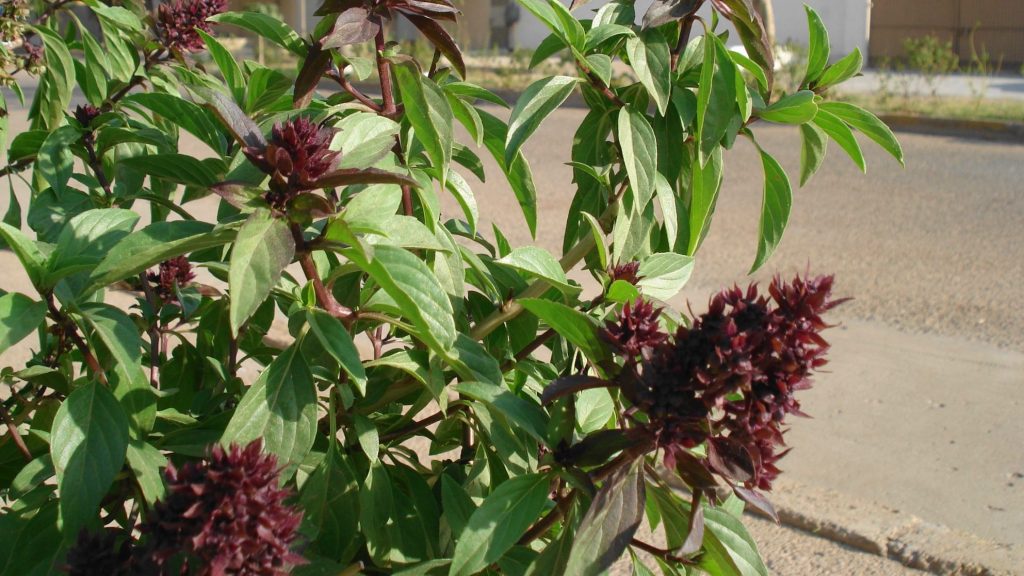
2. Tulsi / Holy Basil (Ocimum sanctum) – The Adaptogenic Powerhouse
Why it’s valuable:
Tulsi is one of the most important Ayurvedic herbs. As an adaptogen, it helps your body handle stress better, which indirectly improves energy and mental clarity.
What it does:
- Adaptogenic: Helps body adapt to stress, normalises stress response
- Reduces cortisol: Lowers stress hormone when elevated
- Improves mental clarity: Reduces brain fog caused by stress
- Immune support: Strengthens overall resilience
- Balancing energy: Not overly stimulating or sedating
- Mood support: Gentle antidepressant and anxiolytic effects
Best for:
- Stress-induced fatigue (“tired but wired”)
- Mental fog from chronic stress
- Supporting energy during demanding periods
- Long-term stress resilience
How to use:
Tulsi Tea:
- Use 1-2 teaspoons dried tulsi (or handful fresh leaves)
- Steep 10 minutes
- Drink 1-3 cups daily
Tincture:
- 2-4ml, 2-3 times daily
Powder:
- 1/2-1 teaspoon in smoothies or warm milk
Timing: Morning and afternoon (not right before bed for some people — can be slightly stimulating)
Taste: Spicy, clove-like, warming, slightly peppery
Important: Adaptogens work best with consistent use (at least 2-3 weeks). This isn’t a quick fix — it builds resilience over time.
Cost (NZ): Dried tulsi $12-20/50g (health food stores, online)
Safety: Very safe for daily use. May slightly lower blood sugar (monitor if diabetic). Generally safe during pregnancy/breastfeeding at normal doses.
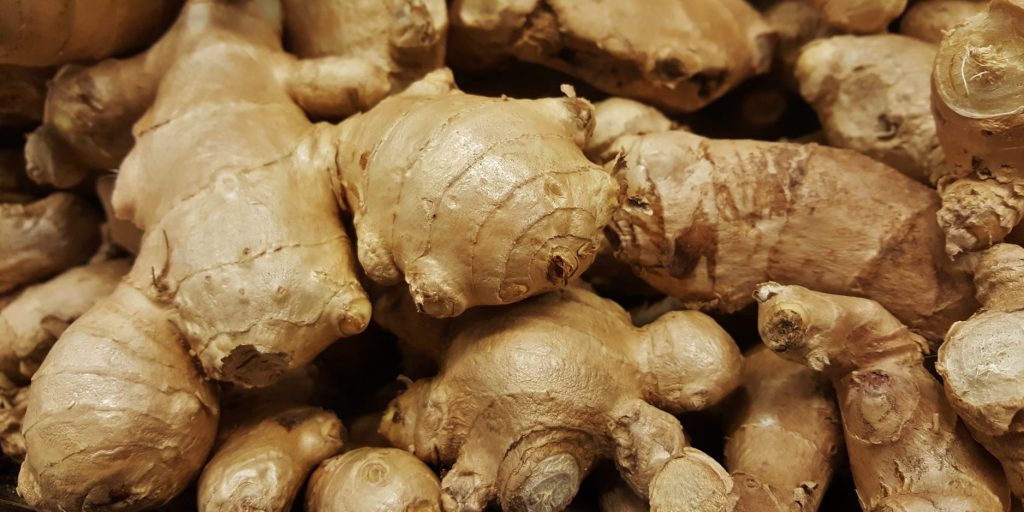
3. Ginger (Zingiber officinale) – The Circulatory Stimulant
Why it helps:
Ginger improves circulation, getting more oxygen-rich blood flowing to your brain and muscles. This creates gentle, warming energy.
What it does:
- Improves blood flow: Peripheral vasodilation (widens blood vessels)
- Enhances brain circulation: More oxygen and nutrients to brain
- Warming energy: Gentle stimulation without jitters
- Anti-inflammatory: Reduces inflammation that drains energy
- Digestive support: Better digestion supports energy (nutrients absorbed)
Best for:
- Morning energy boost
- Mental clarity
- Cold hands/feet (poor circulation)
- Gentle, warming stimulation
How to use:
Fresh Ginger Tea (Best):
- Slice 3-5cm piece fresh ginger (don’t peel — skin has compounds too)
- Simmer in 2 cups water 10-15 minutes
- Strain, add honey and lemon if desired
- Drink in morning or afternoon
In food:
- Add to stir-fries, soups, smoothies
- Grate into oatmeal
- Make ginger honey: Grate ginger, mix with honey, take 1 teaspoon
Crystallised ginger:
- Convenient snack for gentle energy boost
- Available at health food stores, Asian markets
Cost (NZ): Fresh ginger $3-6/100g (supermarkets); crystallised $5-10/100g
Safety: Very safe. Avoid very high doses with blood thinners. Safe in pregnancy at culinary amounts.
4. Lemon Balm (Melissa officinalis) – The Anxiety-Relieving Focuser

Why it’s unique:
Lemon balm calms anxiety without causing drowsiness, which actually improves focus. By quieting the mental “noise,” it allows you to concentrate better.
What it does:
- Reduces anxiety: GABAergic (enhances calming neurotransmitter)
- Improves focus: Calm mind = better concentration
- Mild antidepressant: Uplifts mood
- Digestive support: Calms stress-related digestive upset
- Gentle: Not sedating at normal doses
Best for:
- Anxiety-induced poor focus (“mind racing”)
- Stress-related mental fog
- When you need calm clarity (studying, working)
- Nervous energy
How to use:
Lemon Balm Tea:
- Use 2-3 teaspoons dried lemon balm (or large handful fresh)
- Steep 10-15 minutes covered
- Drink when feeling distracted, anxious, or mentally scattered
- Can drink 2-4 cups daily
Tincture:
- 2-4ml as needed for anxiety/focus
- Can take 2-3 times daily
Fresh in food:
- Add fresh leaves to salads
- Infuse in cold water (refreshing summer drink)
- Use in pesto
Timing: As needed when stressed or scattered; or regularly 2-3 times daily
Taste: Lemony, pleasant, mild
Cost (NZ): Dried lemon balm $10-15/50g; tincture $20-35
Grow your own: Easy to grow, spreads readily. $5-10/plant. Perennial.
Safety: Very safe. Can enhance effects of sedative medications (additive effect).
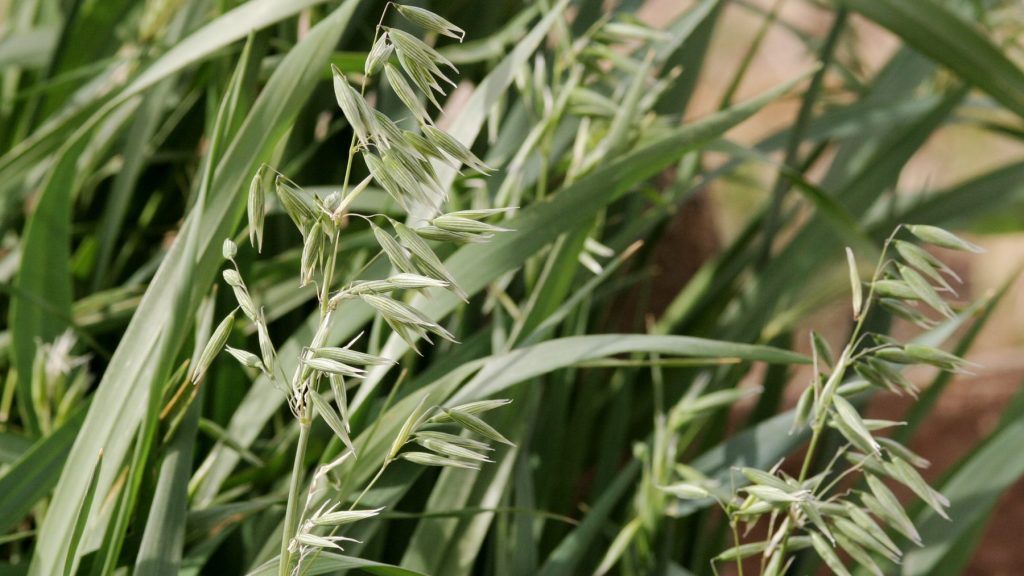
5. Oatstraw (Avena sativa) – The Nervous System Nourisher
Why it matters:
Oatstraw is a nervine tonic — it nourishes and restores a burnt-out nervous system. Think of it as food for your nerves, building long-term resilience.
What it does:
- Nervous system tonic: Rebuilds depleted nervous system
- Provides key nutrients: B vitamins, magnesium, silica, minerals
- Reduces nervous exhaustion: Addresses burnout, depletion
- Gentle, sustained energy: Not stimulating, builds capacity
- Mood support: Addresses irritability from stress
Best for:
- Burnout, exhaustion from chronic stress
- “Running on empty” feeling
- Nervous exhaustion
- Long-term stress resilience building
How to use:
Oatstraw Infusion (Best Method):
- Add 1/4 cup (30g) dried oatstraw to 1 litre jar
- Fill with boiling water
- Cover, steep 4-8 hours (or overnight)
- Strain
- Drink throughout day (can drink cold or warm)
Why long infusion: Extracts minerals and nutrients better than short tea
Oat Tea (Simpler):
- Simmer 1-2 tablespoons oatstraw in 2 cups water for 15 minutes
- Strain, drink
In food:
- Eat oatmeal for breakfast (provides some similar benefits)
Timing: Daily, consistently, for at least 2-3 weeks to notice effects. This is a tonic — works slowly but deeply.
Taste: Mild, slightly sweet, pleasant
Cost (NZ): Dried oatstraw $10-18/100g (health food stores, online)
Safety: Very safe. Gluten-free (oats naturally gluten-free; check for cross-contamination if celiac).
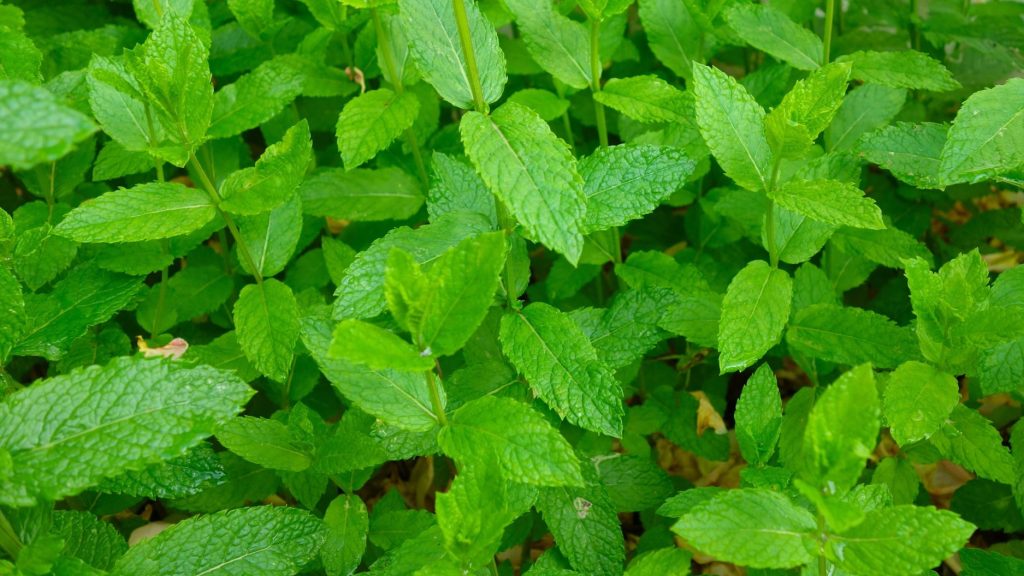
6. Peppermint (Mentha piperita) – The Invigorating Clarifier
Why it helps:
The scent of peppermint is naturally invigorating and can help clear mental fog. It’s refreshing and uplifting.
What it does:
- Mental refreshment: Scent clears foggy feeling
- Improves alertness: Stimulating aroma
- Enhances mood: Uplifting scent
- Digestive support: Better digestion supports energy
- Cooling: Refreshing quality
How to use:
Aromatherapy:
- Smell fresh peppermint leaves
- Use 2-3 drops essential oil in diffuser
- Apply diluted peppermint oil to temples (test small area first)
Peppermint Tea:
- Use 1-2 teaspoons dried peppermint
- Steep 10 minutes covered (keeps volatile oils)
- Drink when needing mental refreshment
Timing: Morning or afternoon
Cost (NZ): Fresh peppermint $3-5/bunch; dried $8-12/50g; essential oil $8-20
Grow your own: Extremely easy, almost invasive. $5-10/plant.
Safety: Very safe. Avoid if you have reflux (can relax lower esophageal sphincter).
Simple Energy & Focus Preparations
Morning Mental Clarity Tea
For starting your day with focus
Ingredients:
- 1 part rosemary
- 1 part peppermint
- 1/2 part ginger
Method:
- Mix dried herbs
- Use 1 tablespoon per cup
- Steep 10 minutes
- Strain
- Drink in morning
Why it works: Rosemary improves memory/focus; peppermint clears mental fog; ginger improves circulation
The Sustained Energy Brew
For all-day energy without crashes
Ingredients:
- 1/4 cup oatstraw
- 1 tablespoon dried tulsi
- 5cm piece fresh ginger, sliced
Method:
- Add oatstraw to 1 litre jar, fill with boiling water
- Cover, steep overnight
- In morning, strain
- Simmer tulsi and ginger in 2 cups water for 10 minutes
- Strain, combine with oatstraw infusion
- Drink throughout day (can drink warm or cold)
Why it works: Oatstraw nourishes nervous system; tulsi provides adaptogenic support; ginger improves circulation
Stress-Focus Tincture Blend
For when stress is interfering with concentration
Ingredients:
- 2 parts lemon balm (calms anxiety)
- 2 parts tulsi (adaptogenic)
- 1 part rosemary (mental clarity)
- 40% alcohol (vodka or brandy)
Method:
- Combine dried herbs in jar
- Use 1:5 ratio (1 part herbs to 5 parts alcohol by volume)
- Cover with alcohol
- Steep 4 weeks, shaking daily
- Strain
Use: 2-4ml (about 1/2-1 teaspoon) 2-3 times daily when stressed
Alternative: Buy individual tinctures and combine
Lifestyle Support for Energy and Focus
Sleep is Non-Negotiable
The foundation of energy:
- Adults need 7-9 hours quality sleep
- Sleep is when body repairs, consolidates memories, recharges
- Even best energy herbs can’t compensate for chronic poor sleep
Sleep hygiene basics:
- Consistent sleep/wake times (even weekends)
- Dark, cool bedroom (18-20°C ideal)
- No screens 1 hour before bed
- Wind-down routine (chamomile tea, reading, gentle stretching)
Herbal sleep support:
- Chamomile tea before bed
- Passionflower tincture (calming, improves sleep quality)
- Lavender aromatherapy (put drop on pillow)
Movement Improves Energy
Seems paradoxical but true:
- Exercise increases mitochondrial function (more cellular energy)
- Improves circulation (better oxygen delivery)
- Reduces stress hormones
- Improves sleep quality
Start small:
- 10-minute morning walk
- Stretching breaks every hour
- Dancing to favorite song
- Gardening, housework counts!
Blood Sugar Balance
Energy crashes often from blood sugar swings:
Poor energy pattern:
- Sugary breakfast → blood sugar spike → crash by 10am → need coffee/sugar → repeat
Better energy pattern:
- Protein + complex carbs + healthy fat → stable blood sugar → sustained energy
Examples:
- Porridge with nuts and berries (not instant oats loaded with sugar)
- Eggs and toast with avocado
- Smoothie with protein powder, greens, nut butter
Throughout day:
- Eat every 3-4 hours
- Include protein with each meal/snack
- Avoid refined sugars and white carbs
Hydration
Dehydration = fatigue and poor focus:
- Even mild dehydration (1-2%) impairs cognitive function
- Aim for 2-3 litres water daily (more if exercising or hot weather)
- Herbal teas count toward hydration
- Coffee/black tea are mild diuretics (need extra water to compensate)
Test: If urine is dark yellow, you’re dehydrated. Aim for pale yellow.
Stress Management
Chronic stress is the #1 energy thief:
Why stress depletes energy:
- Keeps body in sympathetic (“fight or flight”) mode
- Elevates cortisol (initially energising, but depleting long-term)
- Disrupts sleep
- Causes muscle tension (wastes energy)
- Impairs digestion (poor nutrient absorption)
Stress reduction strategies:
- Deep breathing: 5 minutes daily (4 counts in, 6 counts out)
- Meditation: Even 10 minutes helps
- Nature time: Walking in green spaces reduces cortisol
- Social connection: Supportive relationships buffer stress
- Boundaries: Learn to say no
Herbal support:
- Adaptogens (tulsi, ashwagandha — see below)
- Lemon balm for acute anxiety
- Chamomile for winding down
Nutrient Support
Key nutrients for energy:
B vitamins: Essential for cellular energy production
- Found in: Whole grains, legumes, dark leafy greens, eggs, meat
- Oatstraw provides B vitamins
Magnesium: Required for 300+ enzymatic reactions, including energy production
- Found in: Dark leafy greens, nuts, seeds, whole grains, legumes
- Many people deficient
Iron: Needed for oxygen transport in blood
- Found in: Red meat, dark leafy greens, legumes
- Especially important for menstruating women
- Nettle tea is iron-rich
Omega-3 fatty acids: Support brain function
- Found in: Fatty fish, flaxseeds, chia seeds, walnuts
Beyond the Basics: Other Helpful Adaptogens
These aren’t on our main herb list but are worth knowing about:
Ashwagandha (Withania somnifera)
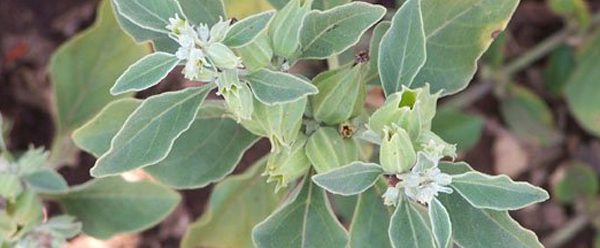
A powerful stress-reducer:
- Reduces cortisol (stress hormone)
- Improves sleep quality (helps with stress-induced insomnia)
- Supports thyroid function
- Gentle, calming energy (not stimulating)
How to use:
- Powder: 1/2-1 teaspoon in warm milk with honey (traditional)
- Capsules: 300-600mg daily
- Best taken in evening (calming for most people)
Cost (NZ): Powder $20-35/100g; capsules $25-45
Safety: Generally safe. Avoid in pregnancy. May affect thyroid medications (consult doctor).
Rhodiola (Rhodiola rosea)
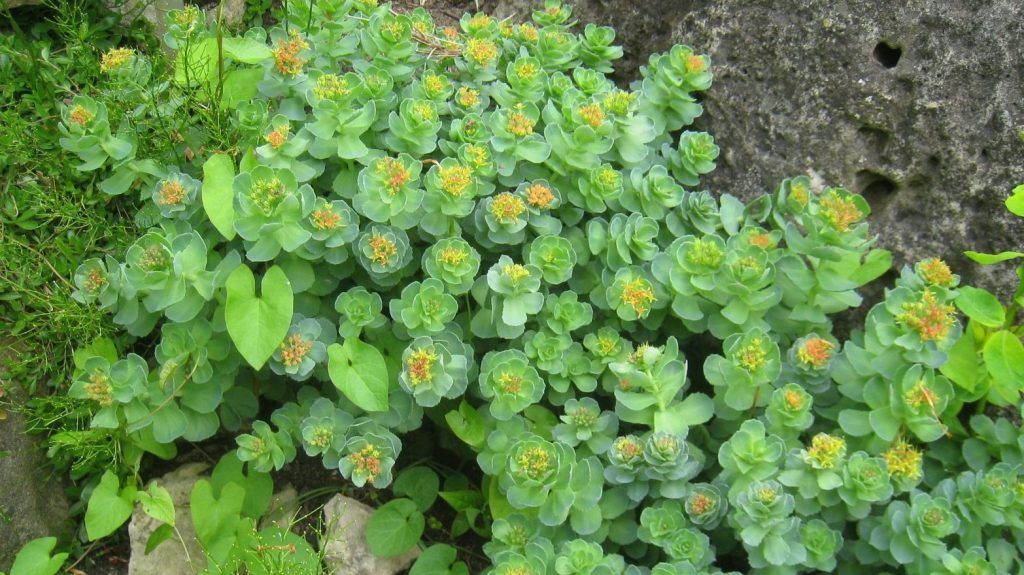
For mental performance under stress:
- Reduces fatigue
- Improves mental performance during stressful periods
- Enhances physical endurance
- Mood support
How to use:
- Tincture: 2-4ml in morning
- Capsules: 200-400mg in morning
- Important: Take in morning or early afternoon (can be stimulating)
Cost (NZ): $30-50 for quality extract
Safety: Generally safe. May be too stimulating for some people. Take breaks (use 2-3 weeks, break 1 week).
Energy Herb Strategies by Pattern
For “Tired and Wired” (Stressed, Exhausted, Can’t Relax):
- Primary: Tulsi (adaptogenic stress support)
- Add: Lemon balm (calms anxiety)
- Add: Oatstraw (nourishes nervous system)
- Lifestyle: Prioritise sleep, stress reduction
For Mental Fog and Poor Concentration:
- Primary: Rosemary (mental clarity, focus)
- Add: Ginger (improves circulation to brain)
- Add: Peppermint (refreshing, clears fog)
- Lifestyle: Hydration, blood sugar balance
For Burnout and Depletion:
- Primary: Oatstraw (nervous system tonic — daily for weeks)
- Add: Tulsi (adaptogenic support)
- Add: Ashwagandha (stress recovery)
- Lifestyle: Rest, adequate sleep, reduce demands
For Low Energy and Sluggishness:
- Primary: Ginger (warming, circulatory stimulant)
- Add: Rosemary (gentle stimulation)
- Add: Peppermint (invigorating)
- Lifestyle: Movement, hydration, thyroid check (rule out hypothyroid)
For Stress-Related Poor Focus:
- Primary: Lemon balm (calms anxiety without sedation)
- Add: Tulsi (adaptogenic)
- Add: Rosemary (focus)
- Lifestyle: Breathing exercises, meditation
When to Seek Professional Help
See a healthcare provider if:
Red flags:
- Persistent fatigue lasting >2-3 weeks despite adequate rest
- Fatigue so severe you can’t work or do daily activities
- Sudden onset of severe fatigue
- Fatigue with other symptoms (unexplained weight loss/gain, pain, fever, night sweats)
- Depression, thoughts of self-harm
- Significant sleep disturbances (insomnia, excessive sleeping)
Possible underlying causes needing medical evaluation:
- Thyroid disorders: Hypothyroidism (low thyroid) causes fatigue
- Anemia: Low iron or B12 common, easily treated
- Sleep apnea: Disrupts sleep quality
- Depression/anxiety: Mental health significantly affects energy
- Chronic fatigue syndrome (ME/CFS): Specific diagnostic criteria
- Autoimmune conditions: Can cause profound fatigue
- Heart or lung conditions: Affect oxygen delivery
Remember: Herbs support healthy function. They don’t replace medical care for serious conditions.
Where to Source in NZ
Fresh herbs:
- Rosemary, peppermint, lemon balm: Grow your own or buy fresh at supermarkets/greengrocers
- Ginger: All supermarkets
Dried herbs:
- Lotus Oils NZ (online): Comprehensive selection
- Cottage Hill Herbs (online)
- Herbshop NZ (online)
- Bin Inn (bulk stores): Some herbs
- Health food stores: Most cities/towns
Quality tinctures:
- Look for organic, NZ-made when possible
- Kiwiherb (NZ brand, available at pharmacies and health stores)
- Artemis (NZ brand)
- Harker Herbals (NZ brand)
Typical costs:
- Rosemary (fresh): $3-5/bunch; dried $5-10/50g
- Tulsi (dried): $12-20/50g
- Ginger (fresh): $3-6/100g
- Lemon balm (dried): $10-15/50g
- Oatstraw (dried): $10-18/100g
- Peppermint (dried): $8-12/50g
- Ashwagandha powder: $20-35/100g
- Rhodiola capsules: $30-50
- Quality tinctures: $20-40
Growing herbs:
- Rosemary: $8-15/plant (perennial)
- Peppermint: $5-10/plant (perennial, spreads)
- Lemon balm: $5-10/plant (perennial)
- Tulsi: $8-12/plant (annual in most of NZ)
- All easy to grow
Summary: Your Energy & Focus Action Plan
For immediate mental clarity (today):
- Smell fresh rosemary or use aromatherapy
- Drink rosemary-peppermint-ginger tea
- Take short walk outside (10 minutes)
- Drink water (dehydration check)
For this week:
- Start daily oatstraw infusion (nervous system nourishment)
- Add tulsi tea 1-2 times daily (adaptogenic support)
- Improve sleep hygiene (consistent bedtime, dark room)
- Balance blood sugar (protein + complex carbs at breakfast)
For this month and beyond:
- Continue oatstraw and tulsi daily
- Add other herbs as needed (rosemary for focus, lemon balm for stress)
- Establish stress management practices (breathing, meditation)
- Regular movement (daily walks, stretching)
- Evaluate and address sleep quality
Remember:
- Sustainable energy comes from supporting your body’s natural systems, not forcing stimulation
- Adaptogens and tonics (tulsi, oatstraw) work slowly — give them 2-3 weeks minimum
- Sleep, stress management, and nutrition are foundational — herbs enhance but don’t replace
- Listen to your body
- Persistent fatigue needs medical evaluation
These gentle, effective herbs can help you reclaim natural energy and mental clarity, supporting you to thrive rather than just survive.
Budget-Friendly Energy & Focus Support
Low-cost daily support ($5-10/month):
- Rosemary (garden herb): FREE, stimulates circulation/cognition
- Peppermint (garden): FREE, mental clarity, cooling
- Green tea (supermarket): $3-5/100g, gentle sustained energy
- Ginger (fresh): $3-6/100g, warming, circulation
Total: $6-11/month
Free options:
- Garden rosemary, thyme, peppermint (all support circulation/clarity)
- Nettle (foraged): Mineral-rich, sustainable energy
- Dandelion root (foraged): Liver support = sustained energy
NZ budget note: Rhodiola/ashwagandha expensive ($20-40/50g dried). Start with accessible herbs (rosemary, green tea, ginger) and add adaptogens only if budget allows.
References
Bone, K., & Mills, S. (2013). Principles and practice of phytotherapy: Modern herbal medicine (2nd ed.). Churchill Livingstone.
Panossian, A., & Wikman, G. (2010). Effects of adaptogens on the central nervous system and the molecular mechanisms associated with their stress-protective activity. Pharmaceuticals, 3(1), 188-224.
Pase, M. P., Kean, J., Sarris, J., Neale, C., Scholey, A. B., & Stough, C. (2012). The cognitive-enhancing effects of Bacopa monnieri: A systematic review of randomized, controlled human clinical trials. Journal of Alternative and Complementary Medicine, 18(7), 647-652.
Moss, M., Cook, J., Wesnes, K., & Duckett, P. (2003). Aromas of rosemary and lavender essential oils differentially affect cognition and mood in healthy adults. International Journal of Neuroscience, 113(1), 15-38.
Disclaimer: Does not represent rongoā Māori methods. For rongoā knowledge, consult Te Paepae Motuhake.
Medical Disclaimer: This guide is for educational purposes only and is not medical advice. Consult qualified healthcare practitioners before using herbal remedies, especially if pregnant, nursing, taking medications, or having medical conditions. Persistent fatigue or cognitive issues require appropriate medical evaluation and care.
Note on Pricing: All prices mentioned in this guide are approximate and based on New Zealand suppliers as of December 2025. Prices vary by supplier, season, and market conditions. We recommend checking current prices with your local suppliers.
 The Public Herbarium