Digestive Support: Your Complete Herbal Guide
Natural digestive support without dependency on antacids, addresses root causes (inflammation, motility, microbiome), accessible herbs in NZ, gentle long-term use, holistic gut-health approach.
Understanding Your Digestive System
How Digestion Works (Simple Version)
The journey of food:
- Mouth: Chewing breaks down food; saliva adds enzymes
- Stomach: Acid and enzymes break down proteins; churns food into liquid
- Small intestine: Most nutrient absorption; bile (from liver) digests fats; enzymes break down carbs and proteins
- Large intestine: Absorbs water; gut bacteria ferment fibre; forms waste
What can go wrong:
- Too little stomach acid: Poor protein digestion, bloating
- Too little bile: Poor fat digestion, gallbladder issues
- Gut inflammation: Pain, irregular bowels
- Stress: Shuts down digestion (fight-or-flight response)
- Dysbiosis: Imbalanced gut bacteria
Herbal support targets these issues
Your Digestive Herb Toolkit
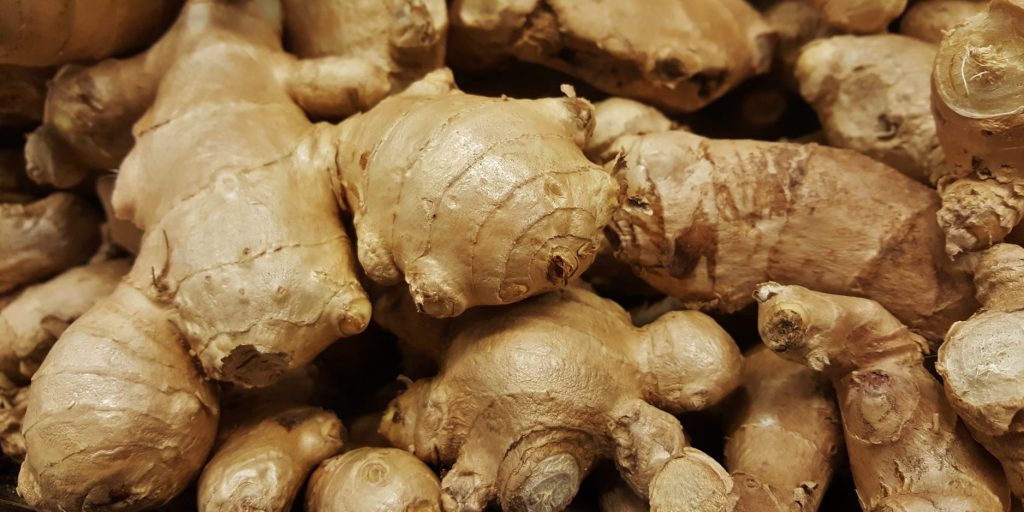
1. Ginger (Zingiber officinale) – The Universal Digestive Aid
Why it’s essential:
Ginger is the go-to herb for almost any digestive complaint. It’s gentle enough for pregnancy nausea yet powerful enough for serious digestive issues.
What it does:
- Relieves nausea: Works on multiple pathways (better than many medications for some people)
- Stimulates digestion: Increases saliva, bile, stomach acid (in healthy amounts)
- Moves things along: Helps food empty from stomach (great for bloating)
- Reduces inflammation: Soothes inflamed gut lining
- Expels gas: Carminative (helps gas move through system)
How to use:
For nausea:
- Chew small piece of fresh ginger (or crystallised ginger candy)
- Sip ginger tea slowly
- Take every 15-30 minutes as needed
For general digestive support:
- Drink ginger tea 15-20 minutes before meals (stimulates digestion)
- OR after meals (helps with bloating, gas)
Strong Ginger Tea:
- Slice 3-5cm piece fresh ginger (don’t peel — skin has compounds too)
- Simmer in 2 cups water for 10-15 minutes
- Strain, add honey and lemon if desired
- Drink 1-2 cups as needed
In food:
- Add liberally to cooking (stir-fries, soups, curries)
- Grate into smoothies
- Make ginger honey: Grate ginger, mix with honey, take 1 teaspoon as needed
Dosing: 1-3g dried ginger daily (about 10-15g fresh); for nausea, use as needed
Cost (NZ): Fresh ginger $3-6/100g (supermarkets)
Safety: Very safe. Avoid very high doses (>5g dried daily) if taking blood thinners. Safe in pregnancy at normal food/tea amounts (1-2g daily).
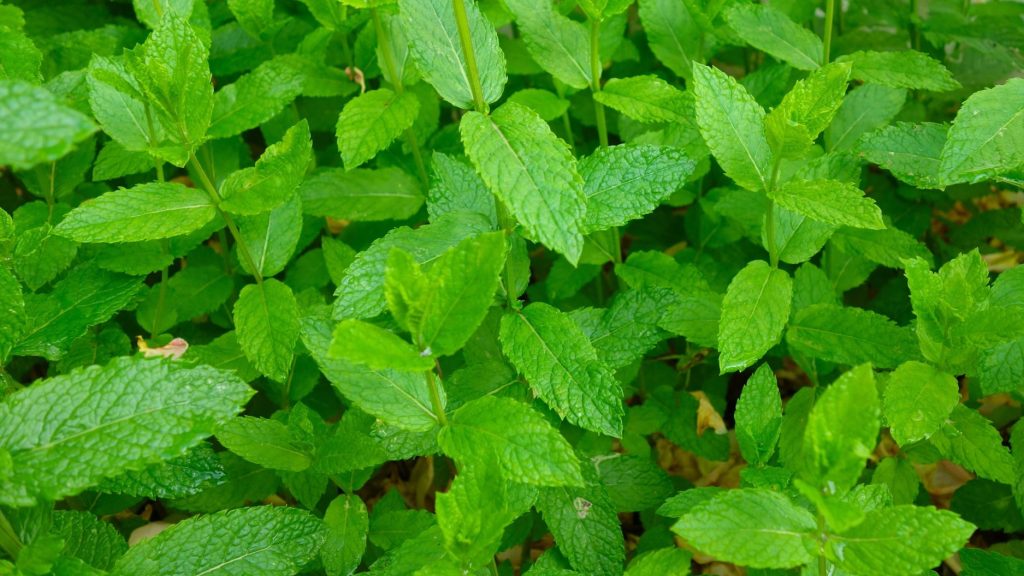
2. Peppermint (Mentha piperita) – The Gas and Bloating Reliever
Why it works:
Peppermint relaxes the smooth muscles of your digestive tract. This helps gas move through, reduces cramping, and eases that tight, bloated feeling.
What it does:
- Antispasmodic: Stops cramping and spasms in intestines
- Carminative: Helps expel trapped gas
- Cooling: Soothes irritation
- Antimicrobial: Helps balance gut bacteria
Best for:
- Bloating after meals
- Gas and cramping
- Irritable bowel syndrome (IBS)
- Indigestion
How to use:
Peppermint Tea (After Meals):
- Use 1-2 teaspoons dried peppermint OR handful fresh leaves
- Steep in hot water 10 minutes (covered — keeps volatile oils in)
- Strain
- Drink after meals when bloated
Enteric-Coated Peppermint Oil Capsules:
- Best for IBS (coated so oil reaches intestines, not stomach)
- Follow product instructions
- Usually 1-2 capsules, 2-3 times daily between meals
- Available at pharmacies, health food stores
Cost (NZ): Dried peppermint $8-12/50g; enteric capsules $15-30
Safety:
- Avoid if you have reflux/GERD: Can relax lower oesophageal sphincter (valve between stomach and oesophagus), worsening heartburn
- Don’t use peppermint essential oil on infants’ faces: Can cause breathing difficulties
- Generally very safe as tea
Grow your own: Extremely easy — almost invasive. Grows in pots or garden. $5-10/plant at garden centres.
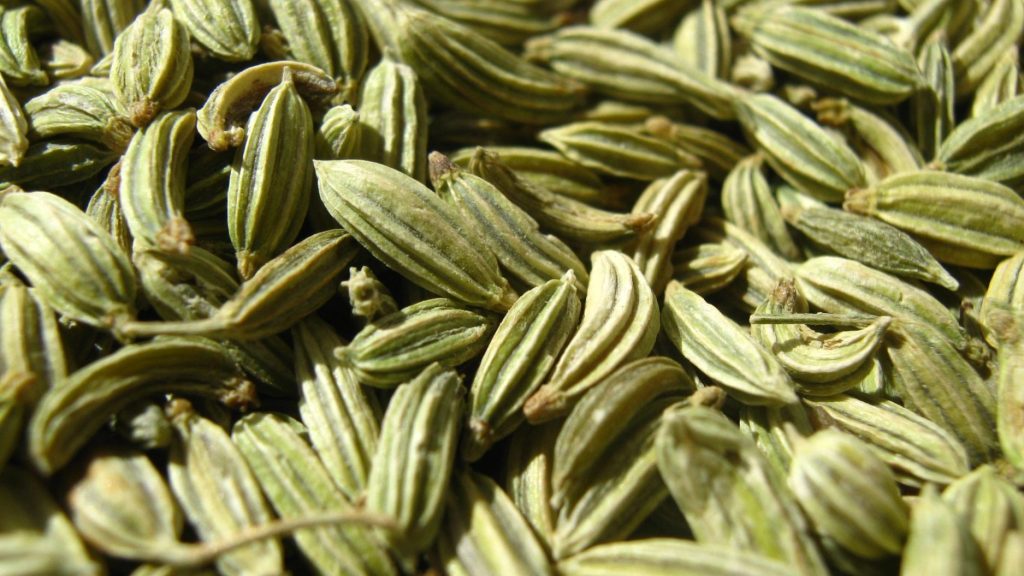
3. Fennel Seed (Foeniculum vulgare) – The Gentle Carminative
Why it’s valuable:
Fennel is so gentle it’s given to babies for colic. Yet it’s powerful enough to relieve adult digestive issues.
What it does:
- Relieves gas and bloating: Antispasmodic and carminative
- Reduces cramping: Relaxes intestinal muscles
- Stimulates digestion: Increases digestive secretions
- Sweet taste: Pleasant, makes it easy to use
Best for:
- Gas and bloating
- Cramping
- Children’s digestive issues (very safe)
- After heavy meals
How to use:
Chew Seeds (Traditional):
- Chew 1/2-1 teaspoon fennel seeds after meals
- Slow chewing releases oils
- Swallow or spit out seeds (both work)
Fennel Tea:
- Crush 1 teaspoon fennel seeds (releases oils)
- Steep in hot water 10 minutes
- Strain
- Drink after meals
In cooking:
- Add seeds to bread, soups, roasted vegetables
- Use bulb as vegetable (same digestive benefits)
Cost (NZ): Fennel seeds $3-8/100g (bulk stores, spice section)
Safety: Very safe. Avoid medicinal amounts during pregnancy (culinary use fine). Safe for children in appropriate doses.
4. Dandelion Root (Taraxacum officinale) – The Liver and Bile Supporter

Why it matters:
Your liver produces bile (essential for digesting fats). Bitter herbs like dandelion stimulate bile flow, helping your body digest fats properly and supporting liver function.
What it does:
- Stimulates bile production: Helps digest fats
- Supports liver function: Gentle liver tonic
- Mild laxative: Supports regular bowel movements
- Stimulates appetite: The bitter taste triggers digestion
Best for:
- Sluggish digestion (especially after fatty foods)
- Poor fat digestion
- Constipation
- Supporting liver health
How to use:
Dandelion “Coffee” (Roasted Root):
- Buy roasted dandelion root (health food stores, online)
- Brew like coffee: 1-2 teaspoons per cup
- Simmer 10 minutes
- Drink before meals (stimulates digestion) OR as coffee substitute
Dandelion Root Tea (Raw Root):
- Simmer 1-2 teaspoons dried root in 2 cups water
- Simmer 15 minutes
- Strain
- Drink 1-2 cups daily, before meals
Tincture:
- 2-5ml, 3 times daily before meals
- Bitter taste = therapeutic (means it’s working!)
Fresh Leaves (Spring):
- Add to salads (very bitter — start small)
- Sauté like spinach
Cost (NZ): Dried root $12-20/100g; roasted root $15-25/100g; tincture $20-35
Safety: Very safe. May cause mild stomach upset initially (bitter herbs can do this). Caution if you have gallstones (consult practitioner). Mild diuretic.
5. Chamomile (Matricaria recutita) – The Soother

Why it helps:
Chamomile is anti-inflammatory and calming — perfect for stress-related digestive issues and inflammation.
What it does:
- Anti-inflammatory: Soothes inflamed gut lining
- Antispasmodic: Reduces cramping
- Nervine: Calms nervous system (stress affects digestion!)
- Mild antimicrobial: Supports gut health
Best for:
- Stress-related digestive upset
- Inflammatory bowel conditions (as supportive therapy)
- Cramping
- General digestive discomfort
How to use:
Chamomile Tea:
- Use 2 teaspoons dried flowers (or 2 tea bags)
- Steep 10 minutes covered
- Strain
- Drink between meals OR before bed
Frequency: 2-3 cups daily as needed
Cost (NZ): Chamomile tea bags $5-8; bulk flowers $10-15/50g
Safety: Very safe. Rare allergy (usually in people allergic to ragweed/Asteraceae family).
6. Marshmallow Root (Althaea officinalis) – The Protective Coating
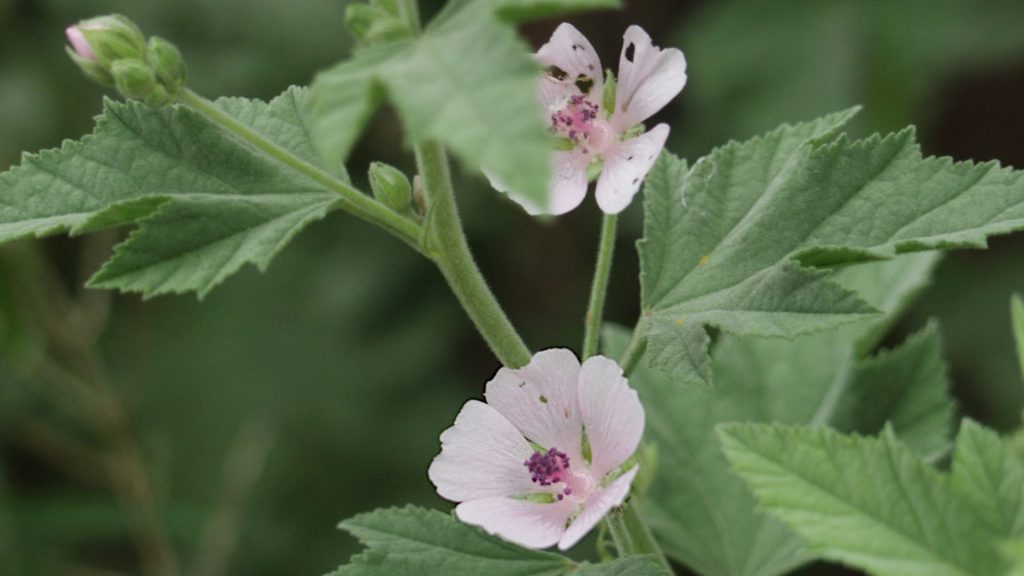
Why it’s unique:
Marshmallow is a demulcent — it creates a soothing, protective coating on irritated tissues. Perfect for heartburn and inflammatory conditions.
What it does:
- Coats and protects: Slimy mucilage coats irritated tissues
- Soothes inflammation: Reduces irritation
- Supports healing: Protects while tissues heal
Best for:
- Heartburn and acid reflux
- Gastritis (stomach inflammation)
- Inflammatory bowel disease (supportive)
- Any irritated digestive tissues
How to use:
Cold Infusion (Best Method):
- Add 1-2 teaspoons dried marshmallow root to cup of COLD water
- Cover, leave 4-8 hours (or overnight)
- Strain (liquid will be slimy — this is good!)
- Drink 1-3 times daily
Why cold: Heat destroys the mucilage. Cold extraction preserves it.
Cost (NZ): Dried marshmallow root $15-25/100g
Safety: Very safe. May interfere with absorption of other medications (take 1-2 hours apart).
Simple Digestive Preparations
After-Dinner Digestive Tea
For bloating, gas, general discomfort after meals
Ingredients:
- 1 part peppermint
- 1 part fennel seeds
- 1/2 part ginger
Method:
- Mix dried herbs
- Use 1 tablespoon per cup
- Steep 10 minutes
- Drink after meals
Why it works: Peppermint and fennel expel gas; ginger stimulates digestion
Digestive Bitters Tincture
To take before meals to stimulate digestion
Ingredients:
- 1 part dandelion root
- 1 part orange peel (dried)
- 1/2 part ginger root
- 1/2 part gentian root (very bitter — optional, from health stores)
- Vodka or brandy (40% alcohol)
Method:
- Fill jar 1/3 full with dried herb mixture
- Cover with alcohol
- Steep 4 weeks, shaking daily
- Strain
Use: 1/2-1 teaspoon 15 minutes before meals
Why it works: Bitter taste stimulates saliva, stomach acid, bile, enzymes — preps digestive system
Alternative: Buy ready-made bitters (health food stores, $20-40)
Soothing Gut Tea
For inflammation, irritation, general upset
Ingredients:
- 2 parts chamomile flowers
- 1 part marshmallow root
- 1 part fennel seeds
- 1/2 part peppermint (optional — omit if you have reflux)
Method:
- Mix herbs
- For marshmallow: Cold-infuse 1-2 hours OR make hot tea with other herbs and add marshmallow cold infusion
- Drink 2-3 cups daily between meals
Why it works: Chamomile soothes inflammation; marshmallow coats and protects; fennel reduces gas; peppermint relaxes
Lifestyle Support for Digestion
Eat Mindfully
Digestion starts in the brain:
- Sit down to eat (no eating while working/driving)
- Take deep breaths before eating (activates parasympathetic nervous system = “rest and digest”)
- Chew thoroughly (20-30 times per bite)
- Eat slowly (20 minutes minimum per meal)
Why: Stress shuts down digestion. Calm state = optimal digestion.
Bitter is Better
Include bitter foods:
- Dandelion greens, arugula, radicchio
- Lemon (especially before meals)
- Apple cider vinegar (1 tablespoon in water before meals)
Why: Bitter taste triggers digestive cascade (saliva, acid, bile, enzymes)
Support Your Microbiome
Eat fermented foods:
- Sauerkraut, kimchi, kefir, yogurt, kombucha
- Provides beneficial bacteria
Eat fibre:
- Vegetables, fruits, whole grains, legumes
- Feeds beneficial bacteria
Why: Healthy gut bacteria essential for digestion, immunity, overall health
Manage Stress
Stress = poor digestion:
- Practice deep breathing
- Regular exercise (gentle walking after meals helps)
- Adequate sleep
- Stress-reducing herbs (chamomile, lemon balm, passionflower)
Digestive Issues and Herbal Choices
For Indigestion/Bloating:
- First choice: Peppermint or fennel tea after meals
- Add: Ginger if nausea present
- Prevention: Bitters before meals
For Heartburn/Reflux:
- First choice: Marshmallow root (cold infusion)
- Add: Chamomile
- Avoid: Peppermint (can worsen reflux)
- Also: Eat smaller meals, don’t lie down after eating
For Nausea:
- First choice: Ginger (tea, chew fresh, capsules)
- Add: Peppermint tea
- When: As soon as nausea starts; repeat as needed
For Constipation:
- First choice: Dandelion root (stimulates bile, gentle laxative)
- Add: Drink more water, eat more fibre
- Avoid: Stimulant laxatives long-term (senna, cascara — create dependence)
For Diarrhea:
- First choice: Chamomile tea (anti-inflammatory, calming)
- Add: Stay hydrated (electrolyte solutions)
- When to worry: If lasts >2 days, blood present, severe pain
For Stress-Related Digestive Issues:
- First choice: Chamomile tea (calming + digestive)
- Add: Ginger, peppermint as needed for symptoms
- Also: Address underlying stress (breathing, meditation, adequate sleep)
When to Seek Professional Help
See a healthcare provider if:
Red flags:
- Blood in stool or vomit (or black, tarry stools)
- Severe, sudden abdominal pain
- Unexplained weight loss
- Persistent vomiting
- Difficulty swallowing
- Symptoms lasting >2 weeks despite treatment
Ongoing issues:
- Chronic heartburn (>twice weekly for weeks)
- Change in bowel habits (diarrhea or constipation >2 weeks)
- New digestive symptoms over age 50
Remember: Herbs support healthy digestion but don’t replace medical care for serious conditions.
Where to Source in NZ
Fresh herbs:
- Ginger: All supermarkets ($3-6/100g)
- Fennel bulb: Supermarkets, greengrocers
- Peppermint, chamomile: Grow your own
Dried herbs:
- Lotus Oils NZ (online)
- Cottage Hill Herbs (online)
- Herbshop NZ (online)
- Bin Inn (bulk stores)
- Health food stores
Typical costs:
- Ginger (fresh): $3-6/100g
- Peppermint (dried): $8-12/50g
- Fennel seeds: $3-8/100g
- Chamomile: $10-15/50g
- Dandelion root: $12-20/100g
- Marshmallow root: $15-25/100g
- Bitters tincture (ready-made): $20-40
Growing:
- Peppermint: Extremely easy, $5-10/plant
- Chamomile: Annual, easy from seed
- Fennel: Easy perennial, $5-10/plant
Summary: Your Digestive Support Action Plan
For daily digestive health:
- Eat mindfully (slow, chew well, relaxed)
- Include bitter foods
- Drink herbal tea after meals (peppermint, fennel)
- Support gut bacteria (fermented foods, fibre)
- Manage stress
For occasional upset:
- Identify issue (nausea → ginger; bloating → peppermint/fennel; heartburn → marshmallow)
- Use appropriate herb immediately
- Address root cause (stress, food choices, eating habits)
For ongoing issues:
- Try herbal support for 2 weeks
- If no improvement, see healthcare provider
- Herbs can support medical treatment (discuss with doctor)
Remember:
- Your gut health affects overall health
- Herbs work best alongside healthy eating and stress management
- Listen to your body
- Persistent or severe issues need medical evaluation
These gentle, effective herbs can transform your relationship with food and support comfortable, healthy digestion.
Budget-Friendly Digestive Support
Low-cost daily support ($2-8/month):
- Peppermint (garden): FREE, gas/bloating/IBS
- Ginger (fresh): $3-6/100g, nausea/inflammation
- Fennel (garden or $4-8/50g seeds): Gas, bloating, colic
- Chamomile (garden or $8-12/50g): Inflammation, cramping
Total: $3-8/month (free if growing herbs)
Free digestive herbs:
- Garden: Peppermint, fennel, thyme, rosemary, lemon balm
- Foraged: Dandelion root (roasted = digestive bitter), plantain (soothing)
- Kitchen: Ginger, garlic (antimicrobial)
Specific conditions (free/low-cost):
- Nausea: Fresh ginger tea (grate 1-2cm, steep 10min) = $0.50
- Gas/bloating: Peppermint or fennel tea = FREE
- Indigestion: Chamomile tea = FREE (garden) or $0.20/cup
- Constipation: Dandelion root decoction = FREE (foraged)
NZ budget note: Slippery elm expensive ($25-35/100g). Use plantain leaf tea (free) or marshmallow root ($8-12/50g) as demulcent alternatives.
Emergency digestive relief (free):
- Ginger tea for nausea (fresh or dried)
- Peppermint tea for gas/cramping
- Chamomile tea for inflammation/upset
References
McKay, D. L., & Blumberg, J. B. (2006). A review of the bioactivity and potential health benefits of peppermint tea (Mentha piperita L.). Phytotherapy Research, 20(8), 619-633.
Bone, K., & Mills, S. (2013). Principles and practice of phytotherapy: Modern herbal medicine (2nd ed.). Churchill Livingstone.
Disclaimer: Does not represent rongoā Māori methods. For rongoā knowledge, consult Te Paepae Motuhake.
Medical Disclaimer: This guide is for educational purposes only and is not medical advice. Consult qualified healthcare practitioners before using herbal remedies, especially if pregnant, nursing, taking medications, or having medical conditions. Seek appropriate medical care for persistent or severe digestive issues.
Note on Pricing: All prices mentioned in this guide are approximate and based on New Zealand suppliers as of December 2025. Prices vary by supplier, season, and market conditions. We recommend checking current prices with your local suppliers.
 The Public Herbarium