
Gastrointestinal Physiology, Microbiome Modulation, and Phytotherapeutic Mechanisms
Natural digestive support without dependency on antacids, addresses root causes (inflammation, motility, microbiome), accessible herbs in NZ, gentle long-term use, holistic gut-health approach, using western gastroenterology, gut physiology, phytochemical mechanisms for digestive support.
The Digestive System: Anatomy and Physiology
Overview of Digestive Anatomy
The digestive system comprises the gastrointestinal (GI) tract — a continuous tube from mouth to anus — and accessory organs including the liver, pancreas, and gallbladder. The GI tract hollow organs include the mouth, oesophagus, stomach, small intestine (duodenum, jejunum, ileum), large intestine (cecum, colon, rectum), and anus.
The small intestine extends 9-18 feet and serves as the primary site for nutrient absorption. The duodenum continues food breakdown, while the jejunum and ileum are mainly responsible for nutrient absorption.
The large intestine (5-7 feet) processes waste and absorbs remaining water. Bacteria in the large intestine help break down remaining nutrients and make vitamin K.
The Three Phases of Digestion
There are three phases of digestion: Cephalic phase where chewing, tasting, and swallowing stimulate neural processes to increase blood flow in the celiac artery; Gastric phase where stomach extension triggers mechanical receptors which elicit increases of celiac blood flow (15-30 minutes after ingestion); and Intestinal phase which begins with gastric emptying and continues until the meal is absorbed.
Why this matters: Understanding these phases explains why bitter herbs work best 15-20 minutes before meals (stimulating the cephalic phase) while carminatives work after meals (addressing the gastric phase).
Digestive Secretions: The Chemical Players
Stomach Acid (Hydrochloric Acid – HCl)
G-cells secrete gastrin, a hormone that acts in an endocrine fashion to stimulate the secretion of hydrochloric acid by parietal cells. The stomach maintains a highly acidic environment (pH 0.8-3.5) essential for:
- Protein denaturation: Unfolds protein structures, exposing peptide bonds
- Pepsinogen activation: HCl converts pepsinogen to pepsin (proteolytic enzyme)
- Antimicrobial action: This acid sterilises food and reduces microbial load in the upper digestive tract
- Mineral absorption: Acidic environment necessary for iron, calcium, zinc absorption
Low stomach acid (hypochlorhydria) results in poor protein digestion, bloating, GERD (paradoxically), and increased infection risk. Many digestive complaints stem from insufficient, not excessive, stomach acid.
Bile
Bile contains a mixture of bile salts, cholesterol, fatty acids, bilirubin, and electrolytes that help emulsify hydrophobic lipids in the small intestine, which is necessary for access and action by pancreatic lipase, which is hydrophilic.
Bile production and flow:
- Produced continuously by hepatocytes in the liver
- Stored and concentrated in gallbladder (30-50ml capacity)
- After being produced in the liver, bile flows down to the gallbladder where it is stored until it needs to be released
- The release of bile is mainly regulated by cholecystokinin (CCK), a peptide hormone produced by cells in the small intestine in response to acidity and fat
Bile functions:
- Emulsification: Breaks large fat globules into small droplets (increases surface area)
- Alkalinisation: Bile is an alkaline fluid (pH ~7.5-8) that helps to neutralise chyme that has been released from the highly acidic stomach
- Waste elimination: Carries bilirubin, cholesterol, drugs for excretion
Why this matters for herbs: Bitter herbs stimulate bile production and flow, essential for fat digestion. Poor bile flow leads to gallbladder sludge, fat malabsorption, deficiency of fat-soluble vitamins (A, D, E, K).
Pancreatic Enzymes
Each day, your pancreas makes about 8 ounces of digestive juice filled with enzymes. The pancreas produces:
Proteolytic enzymes (protein digestion):
- Trypsinogen, procarboxypeptidase, and chymotrypsinogen are activated in the duodenum
- The intestinal enzyme enteropeptidase converts trypsinogen to the active trypsin. Trypsin also converts pancreatic enzymes procarboxypeptidase and chymotrypsinogen to their active forms
Lipolytic enzymes (fat digestion):
- Lipase works together with bile, which your liver produces, to break down fat in your diet
Carbohydrate enzymes:
- Pancreatic amylase: Breaks starch into maltose
- The disaccharidases include maltase, lactase, and sucrase
Nucleases:
- There are two nucleases in pancreatic juice — deoxyribonuclease, which digests DNA, and ribonuclease, which digests RNA
Bicarbonate: The pancreatic and bile juices contain bicarbonate: it reduces the acidity of the chyme to allow optimal enzymatic function and prevent damage to the small intestine. The small intestine requires pH 6-7 for enzymes to function optimally.
The Bitter Taste Pathway: Mechanism of Action
Bitter Taste Receptors (T2Rs)
When a bitter herb is consumed, 26 membrane proteins called type-2 taste receptors (TAS2Rs), also known as bitter taste receptors, are activated. These receptors are in your mouth and throughout your gastrointestinal tract.
Distribution:
- Tongue (taste buds on posterior third, most sensitive to bitter)
- Throughout entire GI tract (stomach, small intestine, colon)
- Even in respiratory tract, brain
The Cephalic-Vagal Reflex
The cephalic vagal reflex model proposes that stimulation of the oropharyngeal bitter receptors acts reflexively to increase saliva and vagal stimulation to the digestive organs.
Detailed mechanism:
- Taste detection: Bitter taste sensation arrives at the brainstem. The reflex “bounce” triggers salivation right away. But the nerve signal continues past the brainstem to the structures of the limbic system, including the thalamus and hypothalamus
- Central processing: Bitter stimuli pass primarily by way of the glossopharyngeal nerve to a special group of cells in the cerebral cortex. The taste is interpreted there as bitter
- Vagal activation: When the bitter taste sensation arrives there, another signal travels out of the hypothalamus on the vagus nerve and touches off the production of digestive juices in the stomach, pancreas, and liver
- Rapid response: Within a few seconds of tasting an herb like gentian, this signal from the vagus nerve starts activating the production of pepsin (a proteolytic enzyme in the stomach), pancreatic digestive enzymes (including amylases, proteases, and lipases), and bile secreted from the liver
The vagus nerve is the tenth cranial nerve, extending from the brainstem to the abdomen. Its main role is to control automatic functions, such as breathing, digestion, and heart rate. The vagus nerve is a crucial part of your parasympathetic nervous system.
Parasympathetic activation = “Rest and Digest”:
- Opposite of sympathetic “fight or flight”
- Bitter receptors on the tongue stimulate the vagus nerve, resulting in: The release of hormones that control satiety and gut motility (CCK, leptin & ghrelin), The secretion of gastric acid and pancreatic enzymes
Hormonal Cascades
Gastrin:
Gastrin also sends feed-forward information to the liver and pancreas, reinforcing the neuronal signals that have been coming through the vagus nerve. This may be part of the mechanism that the bitter-tasting herb gentian uses to increase the production of gastric juices.
Cholecystokinin (CCK):
- Released from I-cells in duodenum in response to fats and proteins
- Triggers the release of cholecystokinin (CCK) a peptide hormone that signals the release of pancreatic enzymes and bile production and flow
- Also signals satiety to brain (reduces appetite)
Secretin:
- In order to neutralise the acidic chyme, a hormone called secretin stimulates the pancreas to produce alkaline bicarbonate solution and deliver it to the duodenum
Somatostatin:
- Somatostatin is released by the pancreas and gastric mucosa in response to increased levels of acid and works to inhibit several hormones including gastrin, insulin and glucagon, as well as decreasing secretions from the gallbladder and pancreas. In this way, it slows down the gastrointestinal system as a whole
The Hyperaemia Model
Results from research indicate that some bitter tastants elicit a cephalic response increasing peripheral vascular resistance (PVR). During digestion, postprandial hyperaemia (PPH) places demands of the cardiovascular system which are met by increased cardiac activity so as to prevent postprandial hypotension. The increased PVR supports this cardiac activity and facilitates adequate PPH.
Translation: Bitter herbs increase blood flow to digestive organs, supporting the increased metabolic demand during digestion. This prevents the “food coma” drop in blood pressure.
Carminative Action: The Science of Gas Relief
What Are Volatile Oils?
Carminatives derive their action from essential oils (volatile oils) — complex mixtures of lipophilic compounds that evaporate readily at room temperature, giving plants their aroma.
Key chemical classes in carminatives:
- Monoterpenes: Menthol (peppermint), anethole (fennel), limonene (citrus)
- Sesquiterpenes: Zingiberene (ginger), bisabolol (chamomile)
- Phenylpropanoids: Eugenol (cloves), cinnamaldehyde (cinnamon)
Multiple Mechanisms of Carminative Action
1. Smooth Muscle Relaxation (Antispasmodic)
Pharmacological studies performed on isolated smooth muscle preparations have demonstrated a decrease in muscle tone and a decrease in spontaneous contractility when carminatives are added to the perfusion bath.
Calcium channel blockade:
Menthol activates transient receptor potential (TRP) channels, such as TRPA1 in interstitial cells of Cajal, within the enteric nervous system, thereby inhibiting spasms and promoting coordinated contractions. Anethole similarly demonstrates antispasmodic properties by relaxing gastrointestinal smooth muscle via calcium channel blockade.
How it works:
- Smooth muscle contraction requires Ca²⁺ influx through voltage-gated calcium channels
- Volatile oils block these channels → reduced Ca²⁺ entry → reduced contraction
- Result: Relaxation of intestinal muscles, reduced cramping, easier gas passage
2. Modulation of Intestinal Motility
Carminative herbs modulate intestinal contractions by reducing the force and spontaneity of intestinal contractions. Cells that line the intestinal membrane and smooth muscle cells are affected.
Not simply “relaxants”: It should be noted that carminatives are NOT necessarily muscle relaxants, but are useful (and synonymous with) antispasmodics.
The distinction: Carminatives don’t eliminate all muscle tone (which would cause constipation), they normalise abnormal contractions — reducing excessive spasms while maintaining coordinated peristalsis.
3. Stimulation of Gastric Emptying
These compounds help increase gastric emptying and are mildly irritating to the gastric mucosa so that peristalsis is increased, thereby relieving cramping and expelling gas.
Mechanism:
- Mild irritation of gastric lining → increased motility
- Faster stomach emptying → less fermentation → less gas
- Particularly relevant for ginger and warming carminatives
4. Reduction of Surface Tension (Anti-foaming)
Oxygenated compounds like terpenes increase in activity and small water bubbles are combined to form larger water droplets. Naturally, this reduction in force also decreases abdominal pain.
Gas in the intestines exists as small bubbles creating foam. Modern drugs used for the same purpose include simethicone, which simply lowers the surface tension of gas bubbles.
Volatile oils work similarly:
- Reduce surface tension of gas bubbles
- Small bubbles coalesce into larger bubbles
- Larger bubbles easier to expel as belching or flatus
- Reduces bloated feeling and pressure
5. Antimicrobial Effects
Peppermint oil shows potent antibacterial activity against gas-producing pathogens like Escherichia coli, inhibiting their proliferation in the gut lumen. This antimicrobial action, combined with suppression of pro-inflammatory mediators, helps alleviate irritation that exacerbates flatulence.
Excessive gas often results from:
- Bacterial overgrowth in small intestine (SIBO)
- Dysbiosis (imbalanced gut flora)
- Fermentation by pathogenic bacteria
Carminatives’ antimicrobial action reduces populations of gas-producing organisms.
6. Stimulation of Bile Flow
Compounds within the oils are broken down which promotes the movement of bile substances such as bile salts from the liver, into the bile duct, and then into the intestines.
Better fat emulsification → better fat digestion → less undigested fat → less fermentation → less gas.
Specific Carminative Mechanisms
Peppermint (Menthol):
- Menthol has antispasmodic properties, relaxing the intestinal smooth muscle and causing the pain-sensing fibres in the gut to become temporarily less sensitive
- TRPM8 activation (cooling sensation)
- Reduces visceral hypersensitivity (pain perception)
- Clinical evidence: In clinical studies, it has been shown to reduce bloating
Caution: Following the ingestion of carminatives, a pattern of oesophageal reflux occurred. Reflux was attributed to relaxation of the lower oesophageal sphincter. This explains why peppermint can worsen GERD.
Fennel (Anethole, Fenchone):
- Calcium channel blockade (smooth muscle relaxation)
- Fennel acts as an antispasmodic in the colon to reduce bloating, and also relaxes the smooth muscles of the digestive system to stimulate bile flow and reduce pain during digestion
- Gentle enough for infants (traditional use for colic)
Ginger (Gingerols, Shogaols):
- Ginger’s natural compounds can help speed up the emptying of the stomach, soothing bloating and discomfort often associated with slow digestion
- 5-HT3 serotonin receptor antagonism (anti-nausea)
- Stimulates gastric motility and secretions
- Warming, stimulating rather than relaxing
Individual Herb Pharmacology
Ginger (Zingiber officinale)

Constituents
Gingerols: Primary compounds in fresh ginger (0.3-3% fresh weight)
- [6]-gingerol most abundant
- [8]-gingerol, [10]-gingerol also present
- Responsible for pungency
Shogaols: Formed when ginger is dried or heated
- [6]-shogaol most important
- More potent than gingerols
- Better membrane penetration
- Higher in dried/cooked ginger
Zingiberene: Sesquiterpene (15-30% essential oil), contributes aroma
Paradols: Formed from shogaols with extended heating
Mechanisms of Action
1. Anti-Nausea (Antiemetic)
Multiple pathways contribute to ginger’s powerful anti-nausea effects:
Serotonin receptor antagonism:
- Blocks 5-HT3 receptors in GI tract and chemoreceptor trigger zone
- Similar mechanism to ondansetron (Zofran) but gentler
- Prevents vagal afferent stimulation that triggers vomiting
Gastrokinetic effects:
- Accelerates gastric emptying (speeds movement of food from stomach)
- Reduces gastric dysrhythmias (abnormal electrical activity)
- Helps with nausea from delayed gastric emptying
Vestibular effects:
- May affect inner ear balance centres
- Explains effectiveness for motion sickness
Clinical evidence:
- Pregnancy nausea: Multiple RCTs show 1-2g daily reduces nausea/vomiting
- Post-operative nausea: Meta-analyses show modest benefit
- Motion sickness: Studies show comparable to dimenhydrinate
- Chemotherapy-induced nausea: Adjunctive benefit when combined with antiemetics
2. Anti-Inflammatory
COX-2 and 5-LOX inhibition:
- Gingerols inhibit cyclooxygenase-2 (COX-2) enzyme
- Also inhibits 5-lipoxygenase (5-LOX)
- Dual-pathway inhibition (like turmeric but less potent)
- Reduces prostaglandin E2 (PGE2) and leukotriene B4 (LTB4)
NF-κB pathway suppression:
- Gingerols prevent nuclear factor-kappa B activation
- Reduces transcription of inflammatory genes
- Broad anti-inflammatory effect
Result: Reduces gut inflammation, helpful in inflammatory bowel conditions
3. Digestive Stimulant
Increases secretions:
- Stimulates saliva production (begins starch digestion)
- Increases gastric secretions (HCl, pepsin)
- Promotes bile flow
- Enhances pancreatic enzyme secretion
Mechanism: Mild irritation of gastric mucosa triggers reflex secretion
4. Carminative
- Relaxes intestinal smooth muscle (modest effect)
- Promotes gas expulsion
- Reduces bloating and cramping
5. Circulatory Stimulant
- Increases peripheral blood flow
- Creates warming sensation
- Helpful for poor circulation, cold extremities
- Supports digestive blood flow (hyperaemia)
Pharmacokinetics
Absorption:
- Gingerols absorbed in small intestine
- Peak plasma levels 30-60 minutes after ingestion
Metabolism:
- Hepatic metabolism via P450 enzymes
- Glucuronidation and sulfation
- Some conversion between gingerols/shogaols
Excretion:
- Primarily urinary
- Some fecal excretion
- Half-life 1-3 hours
Bioavailability considerations:
- Lipophilic compounds — better absorbed with food/fats
- Dried ginger has more shogaols (more potent)
- Fresh ginger has more gingerols (gentler)
Clinical Applications
Dosing:
- Fresh ginger: 10-30g daily (about 2-6cm piece)
- Dried ginger: 1-3g daily
- For nausea: Start with 250-500mg, repeat every 4 hours as needed
- Tea: Simmer 3-5 slices fresh ginger in 2 cups water, 10-15 minutes
Forms:
- Fresh root (most versatile)
- Dried/powdered (more concentrated)
- Capsules/tablets (standardised extracts)
- Tincture (1:5, 40% alcohol): 2-4ml TID
- Crystallised ginger candy (convenient for nausea)
Safety:
- Very safe
- Avoid high doses (>5g dried daily) with blood thinners (modest antiplatelet effect)
- Safe in pregnancy at normal doses (1-2g daily)
- May cause heartburn in sensitive individuals
- Hold before surgery (theoretical bleeding risk)
Peppermint (Mentha piperita)

Constituents
Essential oil (0.3-4% dried leaves):
- Menthol: 30-50% (most active compound)
- Menthone: 10-30%
- 1,8-cineole: 5-10%
- Menthyl acetate: 3-10%
- Isomenthone, pulegone (trace)
Flavonoids: Hesperidin, luteolin (contribute to antispasmodic effect)
Rosmarinic acid: Phenolic compound, anti-inflammatory
Mechanisms of Action
1. Smooth Muscle Relaxation
Calcium channel blockade:
- Menthol blocks voltage-gated calcium channels
- Prevents Ca²⁺ influx into smooth muscle cells
- Result: Muscle relaxation
TRP channel modulation:
- Activates TRPM8 (cold receptor)
- Also modulates TRPA1
- Complex effects on enteric nervous system
Direct effect on muscle:
- Works on isolated smooth muscle preparations
- Dose-dependent relaxation
- Effective throughout GI tract
Clinical significance: This mechanism explains both benefits (gas/bloating relief) and caution (can relax lower esophageal sphincter → worsen reflux).
2. Antispasmodic
Reduces abnormal contractions in:
- Oesophagus (but can worsen reflux via sphincter relaxation)
- Stomach
- Small intestine
- Colon (particularly beneficial for IBS)
IBS evidence: Multiple systematic reviews and meta-analyses show enteric-coated peppermint oil reduces IBS symptoms, particularly pain and bloating. Considered first-line botanical therapy for IBS.
3. Analgesic (Pain Relief)
Visceral hypersensitivity reduction:
- Menthol causes the pain-sensing fibres in the gut to become temporarily less sensitive
- Desensitises TRPV1 (pain receptor)
- Reduces referred pain from viscera
Gate control theory:
- TRPM8 activation (cooling sensation)
- Provides competing sensory input
- Reduces pain signal transmission
4. Antimicrobial
Broad-spectrum antimicrobial activity against:
- Bacteria: E. coli, Salmonella, H. pylori, Staph aureus
- Fungi: Candida species
- Viruses: Herpes simplex, influenza
Mechanism: Disrupts microbial cell membranes (lipophilic oils penetrate phospholipid bilayer)
Clinical relevance: May help rebalance gut flora, reduce SIBO, control pathogenic overgrowth
5. Anti-Inflammatory
- COX-2 inhibition (reduces prostaglandins)
- Reduces pro-inflammatory cytokines
- Rosmarinic acid scavenges free radicals
Pharmacokinetics
Absorption:
- Enteric-coated capsules: Designed to release in small intestine
- Tea/tincture: Some absorption in stomach/upper GI (local effect begins immediately)
- Volatile oils absorbed through mucous membranes
Metabolism:
- Hepatic glucuronidation
- Excreted in urine as menthol glucuronide
Why enteric coating matters:
- Prevents degradation in stomach acid
- Delivers active compounds to intestines
- Reduces heartburn risk
- More effective for IBS
Clinical Applications
Forms and dosing:
Tea (non-coated):
- 1-2 teaspoons dried leaves per cup
- Steep 10 minutes COVERED (keeps volatile oils from evaporating)
- 2-3 cups daily after meals
- Best for: Upper GI issues, bloating, nausea, general digestive discomfort
Enteric-coated capsules:
- 0.2-0.4ml peppermint oil per capsule
- 1-2 capsules 2-3 times daily between meals
- Best for: IBS, small intestine issues, chronic bloating
- Take 30-60 minutes before meals
Tincture:
- 1:5, 60% alcohol
- 2-4ml TID
- Can add to water
Essential oil (external):
- Dilute in carrier oil (1-3% dilution)
- Massage onto abdomen for cramping
- Inhalation for nausea
Safety:
Contraindications:
- GERD/reflux (can worsen symptoms)
- Hiatal hernia
- Gallstones (theoretical concern — may cause gallbladder contractions)
Cautions:
- Keep essential oil away from infants’ faces (can cause apnea)
- Avoid undiluted essential oil internally
- May interact with drugs metabolised by CYP3A4 (theoretical)
Pregnancy: Tea is safe; avoid medicinal doses in first trimester
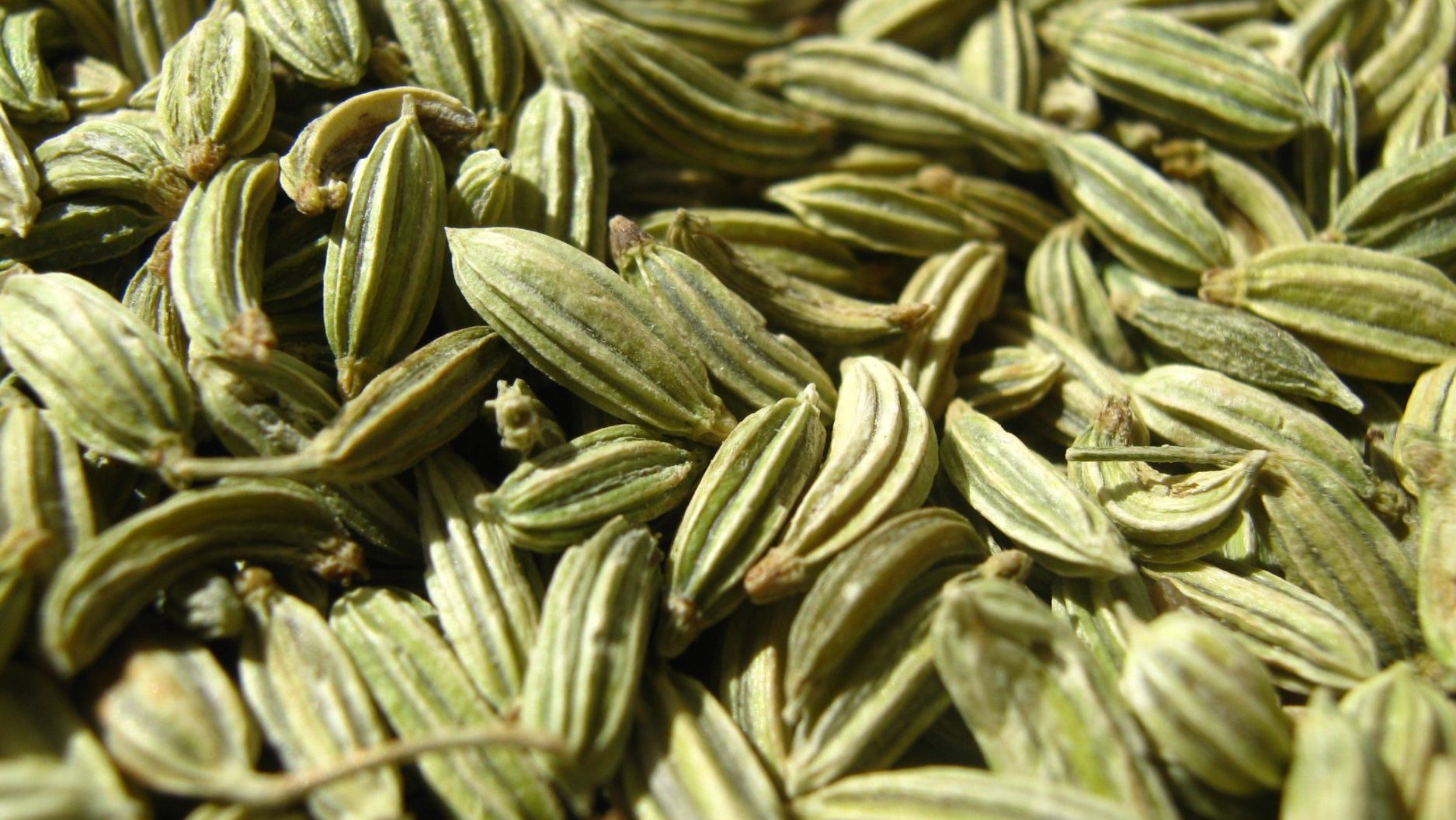
Fennel (Foeniculum vulgare)

Constituents
Essential oil (2-6% in seeds):
- Trans-anethole: 50-70% (primary active)
- Fenchone: 15-20%
- Estragole (methyl chavicol): 2-5%
- Limonene, α-pinene, camphene (minor)
Fixed oils: 10-20% (fatty acids)
Flavonoids: Quercetin, kaempferol (anti-inflammatory, antioxidant)
Mechanisms of Action
1. Antispasmodic
Calcium channel blockade (anethole):
- Similar mechanism to peppermint but gentler
- Relaxes smooth muscle throughout GI tract
- Reduces cramping and spasms
Effect on neurotransmission:
- Modulates acetylcholine release
- Reduces excessive cholinergic stimulation of smooth muscle
2. Carminative
Anti-foaming:
- Reduces surface tension of gas bubbles
- Facilitates gas expulsion
- Reduces bloated feeling
Promotes gastric emptying:
- Mild prokinetic effect
- Faster stomach emptying → less fermentation
3. Cholagogue (Bile Stimulant)
- Stimulates bile production
- Promotes bile flow
- Improves fat digestion
- Reduces symptoms of inadequate bile (bloating after fatty foods, loose stools)
4. Oestrogenic Activity (Mild)
Trans-anethole: Weak phytoestrogen
- Binds estrogen receptors
- May explain traditional use for lactation support
- Also traditional use for menstrual cramping
Clinical relevance: Caution in hormone-sensitive conditions, pregnancy
5. Antimicrobial
Essential oil exhibits activity against:
- Bacteria: E. coli, Salmonella, Staph. aureus
- Fungi: Candida, Aspergillus
Clinical Applications
Forms and dosing:
Seeds (traditional method):
- Chew 1/2-1 teaspoon after meals
- Releases oils slowly
- Can spit out seeds or swallow
Tea:
- Crush 1 teaspoon seeds (releases oils)
- Steep 10 minutes covered
- 2-3 cups daily
Tincture:
- 1:5, 60% alcohol
- 2-4ml TID
Essential oil:
- Internal: 0.1-0.6ml daily (in capsules)
- Topical: Dilute in carrier oil, massage abdomen
Typical uses:
- Bloating and gas (especially after meals)
- Infant colic (very dilute tea)
- IBS symptoms
- Sluggish digestion
- Menstrual cramping
Safety:
Generally very safe
- One of few herbs safe for infants/children (appropriate doses)
- Safe in pregnancy at culinary doses
- Avoid medicinal amounts during pregnancy (oestrogenic activity)
Contraindications:
- Hormone-sensitive cancers (theoretical concern)
- Allergy to Apiaceae family (celery, carrot, parsley)
Rare: Allergic reactions, skin sensitivity (essential oil)
Dandelion Root (Taraxacum officinale)

Constituents
Bitter compounds (sesquiterpene lactones):
- Taraxacin
- Taraxacoside
- Related lactones
- Responsible for intensely bitter taste
Inulin: 25-40% in autumn roots (prebiotic fibre)
Triterpenes: Taraxasterol, taraxerol (anti-inflammatory)
Phenolic acids: Chlorogenic acid, caffeic acid (antioxidant)
Sterols: β-sitosterol
Minerals: Potassium (diuretic effect)
Mechanisms of Action
1. Bitter Action (See Bitter Pathway section)
Activates bitter taste receptors → vagal stimulation → cascade of digestive secretions:
- Increased saliva
- Increased gastric acid (HCl)
- Increased pepsin
- Increased bile flow
- Increased pancreatic enzyme secretion
Specific to dandelion: Very potent bitter (detectable at low concentrations)
2. Cholagogue and Choleretic
- Cholagogue: Promotes bile flow from gallbladder
- Choleretic: Increases bile production in liver
Mechanism:
- Bitter compounds stimulate vagal pathways
- Direct stimulation of hepatocytes
- Increased bile acid synthesis
- Improved bile flow through cystic duct
Clinical effects:
- Improved fat digestion
- Reduced bloating after fatty meals
- Gallbladder support (prevents sludge formation)
- Mild laxative effect (bile stimulates colonic motility)
3. Hepatic (Liver Support)
Mechanisms:
- Increases bile flow (helps eliminate toxins)
- Antioxidant activity (protects hepatocytes)
- Mild anti-inflammatory (reduces liver inflammation)
Traditional use: “Liver tonic” for sluggish liver, poor digestion
Modern understanding: Supports Phase II detoxification, protects against oxidative stress
4. Mild Laxative
Multiple mechanisms:
- Bile stimulation → increased colonic motility
- Prebiotic fibre (inulin) → increased stool bulk
- Gentle stimulation of intestinal secretions
Character: Very gentle, non-habit-forming (unlike stimulant laxatives)
5. Prebiotic
Inulin (in roots):
- Fructo-oligosaccharide (FOS)
- Not digested in upper GI
- Fermented by beneficial bacteria in colon
- Feeds Bifidobacteria, Lactobacilli
- Produces short-chain fatty acids (butyrate — anti-inflammatory)
Clinical Applications
Forms and dosing:
Roasted root “coffee”:
- 1-2 teaspoons per cup
- Simmer 10-15 minutes
- 1-3 cups daily
- Best before meals (stimulates digestion)
Raw root decoction:
- 1-2 teaspoons dried root
- Simmer 15 minutes
- More bitter than roasted
- More potent digestive stimulant
Tincture:
- 1:5, 40% alcohol
- 2-5ml TID before meals
- Very bitter — add to small amount water
Powder:
- 2-8g daily in capsules or added to food
Fresh leaves (spring):
- Add to salads (very bitter!)
- Sauté like greens
- Rich in vitamins A, C, K, minerals
Typical applications:
- Sluggish digestion
- Poor appetite
- Constipation (mild, chronic)
- Bloating after fatty foods
- Supporting liver function
- Prebiotic support for gut flora
Safety:
Very safe herb
- Edible plant (food and medicine)
- No significant toxicity
Cautions:
- Gallstones: May stimulate gallbladder contractions (consult practitioner)
- Bile duct obstruction: Contraindicated
- Allergic reactions (rare, usually in those allergic to Asteraceae family)
- Mild diuretic effect (potassium-sparing due to high K+ content)
Pregnancy/lactation: Traditionally considered safe; avoid large medicinal doses
Drug interactions:
- May enhance diuretic medications
- Theoretical interaction with diabetes medications (may lower blood sugar slightly)
- May alter drug metabolism (mild CYP450 effects — likely clinically insignificant)
Chamomile (Matricaria recutita)

Constituents
Essential oil (0.3-1.5%):
- α-bisabolol: 50% (anti-inflammatory, antispasmodic)
- Chamazulene: 1-15% (blue compound, anti-inflammatory)
- Bisabolol oxides
- Farnesene, spiroethers
Flavonoids:
- Apigenin: Primary flavonoid, anxiolytic, antispasmodic
- Luteolin, quercetin: Anti-inflammatory
Coumarins: Herniarin, umbelliferone
Matricin: Converted to chamazulene during distillation
Mechanisms of Action
1. Anti-Inflammatory
Multiple pathways:
COX-2 inhibition:
- Reduces prostaglandin synthesis
- α-bisabolol particularly active
LOX inhibition:
- Reduces leukotriene synthesis
- Chamazulene active
Antioxidant:
- Flavonoids scavenge reactive oxygen species (ROS)
- Protects tissues from oxidative damage
Reduced cytokine production:
- Decreases TNF-α, IL-1β, IL-6
- Reduces inflammatory signaling
Clinical effect: Soothes inflamed gut lining (gastritis, inflammatory bowel disease, irritation)
2. Antispasmodic
Apigenin mechanism:
- GABA-A receptor positive allosteric modulation
- Enhances GABA inhibitory effects
- Reduces smooth muscle contractility
α-bisabolol:
- Direct smooth muscle relaxant
- Calcium channel modulation
Result: Reduces cramping, spasms in digestive tract
3. Anxiolytic (Anti-Anxiety)
The gut-brain connection: Stress directly impacts digestion
- Sympathetic activation → reduced digestive function
- Anxiety → altered gut motility, visceral hypersensitivity
- Chronic stress → IBS, functional dyspepsia
Chamomile addresses this:
- Apigenin binds benzodiazepine receptors on GABA-A complex
- Enhances GABAergic neurotransmission
- Reduces anxiety (mild effect, gentle)
- Activates parasympathetic “rest and digest” state
Clinical evidence: RCTs show chamomile reduces anxiety symptoms (mild-moderate GAD)
Digestive relevance: By reducing anxiety, chamomile indirectly improves stress-related digestive issues
4. Mild Antimicrobial
Activity against:
- H. pylori (in vitro studies)
- Various bacteria and fungi
- Anti-parasitic activity
Mechanism: Essential oil disrupts microbial membranes
5. Carminative (Mild)
- Contains volatile oils (carminative properties)
- Gentle gas relief
- Not as potent as peppermint or fennel
Clinical Applications
Forms and dosing:
Tea (most common):
- 2-3 teaspoons dried flowers (or 2 tea bags)
- Steep 10 minutes covered
- 2-4 cups daily between meals
- Can drink before bed (sleep support)
Tincture:
- 1:5, 45% alcohol
- 3-5ml TID
Essential oil:
- Not commonly used internally (apigenin not in essential oil)
- Topical use (diluted): Anti-inflammatory for skin
Typical applications:
- Stress-related digestive upset
- Cramping, spasms
- Inflammatory bowel conditions (supportive)
- General digestive discomfort
- Sleep support (addresses sleep-gut connection)
Best combined with:
- Peppermint (IBS)
- Lemon balm (stress, anxiety)
- Ginger (nausea, inflammation)
Safety:
Very safe herb
- Extensively studied
- Minimal side effects
Rare reactions:
- Allergic reactions (usually in those with Asteraceae allergy — ragweed, chrysanthemum)
- Contact dermatitis (topical use)
Pregnancy/lactation: Generally considered safe; extensive traditional use
Drug interactions:
- Theoretical interaction with anticoagulants (coumarins — likely clinically insignificant)
- May enhance sedative medications (additive effect)
Marshmallow Root (Althaea officinalis)

Constituents
Mucilage (10-30%):
- Polysaccharides: Long chains of sugars
- Arabinogalactans
- Galacturonorhamnan
- Highly viscous in water
Flavonoids: Quercetin, kaempferol, diosmetin
Phenolic acids: Caffeic acid, salicylic acid, p-coumaric acid
Asparagine: Amino acid (10% dried root)
Mechanisms of Action
1. Demulcent (Protective Coating)
What is mucilage?
- Large polysaccharide molecules
- Highly hydrophilic (water-loving)
- Forms viscous, slimy gel in water
- Cannot be absorbed (molecules too large)
How it works:
- Mucilage coats mucous membranes
- Creates physical barrier between irritated tissue and irritants (acid, bile, enzymes)
- Protects while tissues heal
- Reduces contact with pain receptors (soothing effect)
Where it works:
- Esophagus (reflux, esophagitis)
- Stomach (gastritis, ulcers)
- Small intestine (inflammatory conditions)
- Colon (inflammatory bowel disease, irritation)
2. Anti-Inflammatory
Mechanisms beyond physical barrier:
Antioxidant activity:
- Flavonoids scavenge free radicals
- Reduces oxidative stress in inflamed tissues
Immunomodulation:
- Polysaccharides may modulate immune response
- Reduces excessive inflammatory response
Inhibits complement:
- May reduce complement activation
- Decreases inflammatory cascade
3. Tissue Healing Support
Vulnerary properties:
- Promotes tissue regeneration
- Supports mucosal healing
- Traditional wound-healing herb (internal and external)
Mechanism:
- Provides soothing environment for healing
- May stimulate epithelial cell proliferation
- Nutritive support (amino acids, minerals)
4. Mild Diuretic
- Traditional use for urinary tract irritation
- Asparagine content may contribute
- Soothes inflamed urinary mucosa
Clinical Applications
Preparation is KEY for marshmallow:
Cold Infusion (BEST METHOD):
Why cold? Heat destroys mucilage.
- Add 1-2 teaspoons dried marshmallow root to cup COLD water
- Cover, refrigerate or leave at room temperature 4-8 hours (or overnight)
- Strain (liquid will be slimy — this is good!)
- Drink 1-3 times daily
Texture: Slippery, slightly sweet, mucilaginous (slimy)
Decoction (less ideal but acceptable):
- If you must use heat, simmer very gently (<5 minutes)
- Will extract some constituents but less mucilage
- Better than nothing
Powder:
- Can mix powder directly in water
- Releases mucilage without heating
- 5-10g daily
Tincture:
- NOT ideal for marshmallow (alcohol doesn’t extract mucilage well)
- May use glycerite instead
Typical applications:
- GERD, acid reflux, heartburn
- Gastritis (inflamed stomach lining)
- Peptic ulcers (complementary to medical treatment)
- Inflammatory bowel disease (IBD — complementary)
- Esophagitis
- General GI irritation
Best combined with:
- Chamomile (inflammation, spasms)
- Licorice (DGL for upper GI)
- Slippery elm (similar demulcent action)
Safety:
Extremely safe
- Food-grade herb
- No known toxicity
Considerations:
Drug absorption:
- Mucilage may slow absorption of oral medications
- Solution: Take medications 1-2 hours apart from marshmallow
Diabetes:
- May slightly lower blood sugar (theoretical)
- Monitor if diabetic
Pregnancy/lactation: Considered safe; traditional use extensive
Practical Clinical Applications
Digestive Symptom Patterns and Herbal Choices
Indigestion after meals (bloating, fullness):
- Pattern: Inadequate digestive secretions, slow gastric emptying
- Herbs: Ginger (stimulates secretions, motility), Peppermint (carminative), Fennel (carminative)
- Timing: Peppermint/Fennel AFTER meals; Ginger BEFORE or after
Heartburn, acid reflux:
- Pattern: Esophageal irritation, possibly lower esophageal sphincter dysfunction
- Herbs: Marshmallow root (protective coating), Chamomile (anti-inflammatory, soothing)
- AVOID: Peppermint (relaxes LES), strong carminatives
- Lifestyle: Elevate head of bed, eat smaller meals, avoid triggers
Nausea:
- Pattern: Various causes — pregnancy, motion sickness, post-operative, digestive upset
- Herb: Ginger (first choice — multiple anti-nausea mechanisms)
- Form: Fresh ginger, crystallised ginger, tea (sip slowly)
- Timing: At first sign of nausea, repeat as needed
Gas and bloating:
- Pattern: Trapped gas, fermentation, inadequate bile
- Herbs: Peppermint (strongest carminative), Fennel (gentle carminative), Dandelion root (bile stimulation for fat-related bloating)
- Timing: After meals or as needed
Constipation (mild, chronic):
- Pattern: Slow transit, inadequate bile flow
- Herbs: Dandelion root (cholagogue, mild laxative), adequate hydration, fibre
- AVOID: Stimulant laxatives long-term (senna, cascara — cause dependence)
- Also: Address diet (fibre), hydration, movement
Diarrhea (acute):
- Pattern: Inflammation, infection, nervous system overactivity
- Herbs: Chamomile (anti-inflammatory, calming)
- Also: Hydration critical (electrolyte solutions)
- When to worry: >2 days, blood, severe pain, dehydration
Stress-related digestive issues (IBS, functional dyspepsia):
- Pattern: Gut-brain axis dysfunction, visceral hypersensitivity
- Herbs: Chamomile (anxiolytic, antispasmodic), Peppermint (IBS symptoms), Lemon balm (stress, anxiety)
- Also: Stress management, breathing exercises, adequate sleep
Sluggish digestion (poor appetite, feeling heavy after eating):
- Pattern: Inadequate digestive secretions, low digestive “fire”
- Herbs: Bitters (dandelion root, gentian) 15-20 minutes BEFORE meals
- Why before: Stimulates cephalic phase, primes digestive system
Poor fat digestion (bloating after fatty foods, pale stools):
- Pattern: Inadequate bile production/flow
- Herbs: Dandelion root (cholagogue/choleretic), Bitters
- When to worry: Persistent pale stools (possible bile duct obstruction — see doctor)
Formulation Principles
Synergy in herbal formulas:
Example: Digestive Tea Blend
- 2 parts Peppermint (carminative, primary action)
- 1 part Fennel (carminative, flavour)
- 1 part Chamomile (anti-inflammatory, calming)
- 1/2 part Ginger (warming, stimulant)
Why this works:
- Peppermint provides strongest gas relief
- Fennel adds gentle carminative action, pleasant flavour
- Chamomile soothes inflammation, addresses stress component
- Ginger adds warmth, stimulates digestion
Timing: After meals for gas/bloating
Example: Digestive Bitters Tincture
- 1 part Dandelion root (bitter, cholagogue)
- 1 part Orange peel (aromatic bitter, pleasant)
- 1/2 part Gentian root (very bitter, potent stimulant — optional)
- 1/2 part Ginger (warming, stimulant)
Why this works:
- Dandelion provides bitter stimulation, bile flow
- Orange peel adds aromatic quality (makes more palatable), bitter compounds
- Gentian adds intense bitter stimulus (small amount goes far)
- Ginger provides warming quality, enhances circulation
Timing: 15-20 minutes BEFORE meals, 1/2-1 teaspoon in small amount water
Taste: Should be BITTER (means it’s working). If too palatable, not bitter enough.
Example: Soothing Inflammation Blend
- 2 parts Chamomile (anti-inflammatory, antispasmodic)
- 1 part Marshmallow root (demulcent, protective — cold infused separately)
- 1 part Fennel (gentle carminative)
Why this works:
- Chamomile reduces inflammation, calms nervous system
- Marshmallow coats and protects irritated tissues
- Fennel prevents gas without aggravating (gentler than peppermint)
Preparation:
- Cold-infuse marshmallow root separately (4-8 hours)
- Make hot tea with chamomile and fennel
- Combine before drinking
Timing: Between meals, 2-3 times daily
Best for: Gastritis, oesophagitis, inflammatory bowel conditions (complementary)
The Gut-Brain Axis and Herbal Support
Understanding the connection:
The gut and brain communicate bidirectionally via:
- Vagus nerve: Direct neural connection
- Hormones: Serotonin (90% produced in gut), other neurotransmitters
- Immune signaling: Cytokines from gut influence brain
- Microbiome: Gut bacteria produce metabolites affecting brain
Clinical relevance:
- Stress → altered gut motility, visceral hypersensitivity, inflammation
- Gut inflammation → altered mood, anxiety, brain fog
- IBS strongly linked to anxiety, depression
Herbal support for gut-brain axis:
Chamomile:
- Calms central nervous system (GABAergic)
- Reduces gut inflammation
- Addresses both sides of gut-brain connection
Lemon balm (Melissa officinalis):

- Anxiolytic (GABA enhancement)
- Antispasmodic
- Carminative
- Excellent for stress-related digestive issues
Adaptogenic support:

- Tulsi/Holy basil (stress resilience, digestive support)
- Ashwagandha (HPA axis modulation, reduces stress impact on gut)
Lifestyle integration:
- Parasympathetic activation (deep breathing, meditation)
- Adequate sleep (gut repair occurs during sleep)
- Regular movement (supports motility, reduces stress)
References
Bone, K., & Mills, S. (2013). Principles and practice of phytotherapy: Modern herbal medicine (2nd ed.). Churchill Livingstone.
Bown, D. (1995). Encyclopaedia of herbs and their uses. Dorling Kindersley.
Chevallier, A. (2016). Encyclopedia of herbal medicine (3rd ed.). Dorling Kindersley.
Grieve, M. (1931). A modern herbal. Dover Publications.
Hoffman, D. (2003). Medical herbalism: The science and practice of herbal medicine. Healing Arts Press.
McMullen, M. K., Whitehouse, J. M., & Towell, A. (2015). Bitters: Time for a new paradigm. Evidence-Based Complementary and Alternative Medicine, 2015, 670504.
McKay, D. L., & Blumberg, J. B. (2006). A review of the bioactivity and potential health benefits of peppermint tea (Mentha piperita L.). Phytotherapy Research, 20(8), 619-633.
Mills, S., & Bone, K. (2000). Principles and practice of phytotherapy. Churchill Livingstone.
National Institute of Diabetes and Digestive and Kidney Diseases. (2025). Your digestive system & how it works. Retrieved from https://www.niddk.nih.gov/health-information/digestive-diseases/digestive-system-how-it-works
Portincasa, P., Bonfrate, L., de Bari, O., Lembo, A., & Ballou, S. (2017). Irritable bowel syndrome and diet. Gastroenterology Report, 5(1), 11-19.
Samuelsson, G. (1999). Drugs of natural origin: A textbook of pharmacognosy (4th ed.). Swedish Pharmaceutical Press.
StatPearls. (2022). Physiology, digestion. NCBI Bookshelf. Retrieved from https://www.ncbi.nlm.nih.gov/books/NBK544242/
Teuscher, E. (2006). Medicinal spices: A handbook of culinary herbs, spices, spice mixtures and their essential oils. CRC Press.
Weiss, R. F. (1988). Herbal medicine. Beaconsfield Publishers.
Wood, M. (2008). The earthwise herbal: A complete guide to old world medicinal plants. North Atlantic Books.
Rongoā Māori Disclaimer: This guide does not represent rongoā Māori preparation methods or traditional Māori medicine-making. Rongoā Māori is a complete healing system with its own protocols, karakia (prayers), and cultural practices that cannot be separated from te ao Māori (the Māori worldview). For rongoā Māori knowledge and treatment, please consult qualified rongoā practitioners through Te Paepae Motuhake or other appropriate Māori health services.
Medical Disclaimer: This guide is for educational purposes only and is not medical advice. Herbal preparations can interact with medications, cause allergic reactions, and may be contraindicated in certain health conditions. Always consult qualified healthcare practitioners before using herbal medicines, especially if you are pregnant, nursing, taking medications, or have medical conditions. You are solely responsible for correct plant identification, safe preparation practices, and appropriate use. The information presented represents current scientific understanding, which continues to evolve. Persistent or severe pain requires professional medical evaluation.
Note on Pricing: All prices mentioned in this guide are approximate and based on New Zealand suppliers as of January 2026. Prices vary by supplier, season, and market conditions. We recommend checking current prices with your local suppliers.