Cultural Respect & Rongoā Māori
The Public Herbarium is committed to respecting Māori culture, knowledge, and sovereignty over rongoā Māori (traditional Māori medicine).
This page explains our approach, our boundaries, and our ongoing commitment to cultural sensitivity.
What Is Rongoā Māori?
Rongoā Māori is traditional Māori healing and medicine. It is far more than just using plants — it is a complete healing system deeply rooted in te ao Māori (the Māori worldview).
Rongoā Māori encompasses:
- Physical healing using plants, water, and other natural elements
- Spiritual healing and connection to whakapapa (genealogy)
- Cultural practices and tikanga (protocols)
- Karakia (prayers and incantations)
- Connection to whenua (land) and place
- Relationships between healer, patient, whānau (family), and community
- Transmission of knowledge through whakapapa and traditional learning
These elements cannot be separated. Rongoā Māori is a living, breathing cultural practice that belongs to Māori.
What The Public Herbarium Does NOT Do
The Public Herbarium does NOT teach rongoā Māori.
We do not teach rongoā Māori because:
- This knowledge belongs to Māori and should be transmitted through appropriate cultural pathways
- Rongoā cannot be separated from its spiritual, cultural, and relational context
- Learning rongoā properly requires guidance from qualified rongoā practitioners and tohunga (experts)
- It requires understanding of tikanga, te reo Māori, and connection to whenua and whakapapa
- Written information alone cannot convey the depth, nuance, and sacred nature of rongoā
- We are not qualified to teach this knowledge system
Attempting to teach rongoā Māori through a general herbalism website would be cultural appropriation and deeply disrespectful.
What We DO Discuss
The Public Herbarium focuses on Western herbalism approaches to plants, including some plants that are also used in rongoā Māori.
When we discuss New Zealand native plants, we:
- Acknowledge that many of these plants are also used in rongoā Māori
- Direct readers to qualified rongoā practitioners for traditional Māori medicine
- Focus on general botanical information, phytochemistry, and safety considerations
- Use a Western herbalism framework, not a rongoā framework
- Make it clear when information comes from Māori sources and give appropriate credit
- Encourage cultivation over wild harvesting to protect native species
Our approach is strictly educational and comes from a Western herbalism perspective. We do not claim expertise in rongoā Māori, nor do we attempt to teach it.
Finding Qualified Rongoā Practitioners
If you are interested in learning about or receiving rongoā Māori, we strongly encourage you to seek guidance from qualified rongoā practitioners and Māori health services.
Where to Find Rongoā Practitioners
Resources for connecting with rongoā practitioners:
- Your local iwi (tribe) or hapū (sub-tribe) health services
- Māori health providers in your region
- Whānau Ora services
- Te Whare Wānanga o Awanuiārangi (offers rongoā programs)
- Community health centers with Māori health practitioners
Please note: We cannot provide specific referrals or recommendations, as we are not part of the rongoā community. The resources above are starting points for your own research.
Learning More About Rongoā Māori
For those interested in understanding rongoā Māori more deeply, we recommend learning from Māori voices and perspectives:
- Healthify He Puna Waiora – Rongoā Māori information written by and for Māori
- Te Ara Encyclopedia of New Zealand – Rongoā Māori section
- Academic research BY Māori researchers (e.g., work by Dr. Glenis Mark, Dr. Cherryl Smith)
- Books by Māori authors on rongoā (available through NZ libraries)
- Documentary: “Waka Huia” episodes on Māori TV featuring rongoā practitioners
Always prioritize resources created BY Māori, FOR Māori when learning about rongoā.
Te Tiriti o Waitangi & Indigenous Knowledge
Te Tiriti o Waitangi (The Treaty of Waitangi) is New Zealand’s founding document, establishing partnership between Māori and the Crown. It guarantees Māori sovereignty (tino rangatiratanga) over their taonga (treasures), which includes rongoā Māori knowledge.
As a resource created in Aotearoa, The Public Herbarium acknowledges:
- Māori as tangata whenua (people of the land) with ancestral knowledge of native plants
- The importance of Māori authority over rongoā Māori knowledge and practice
- Our responsibility to respect tikanga and cultural protocols
- The harmful history of colonization and appropriation of Māori knowledge
- Ongoing efforts toward decolonization and centering Māori voices
Our Ongoing Commitment
Cultural respect is not a one-time statement — it requires ongoing learning, humility, and willingness to adapt.
The Public Herbarium is committed to:
- Continuously educating ourselves about rongoā Māori and Māori perspectives
- Listening to feedback from the Māori community
- Modifying or removing content if advised that it is inappropriate or harmful
- Supporting Māori-led initiatives in herbal medicine and plant knowledge
- Acknowledging our limitations and being honest about what we don’t know
- Centering Māori voices when discussing New Zealand native plants
- Encouraging others to learn from qualified rongoā practitioners
We do not claim to have all the answers. We are learning, and we welcome guidance.
Cultural Sensitivity Concerns
If you have concerns about cultural sensitivity in our content, or if you believe we have misrepresented or inappropriately used Māori knowledge, please contact us.
We take these concerns seriously and will:
- Respond promptly and respectfully
- Listen carefully to your feedback
- Take appropriate action to address the concern
- Make corrections or remove content as needed
- Learn from the experience
Cultural Respect in Practice
On this website, cultural respect means:
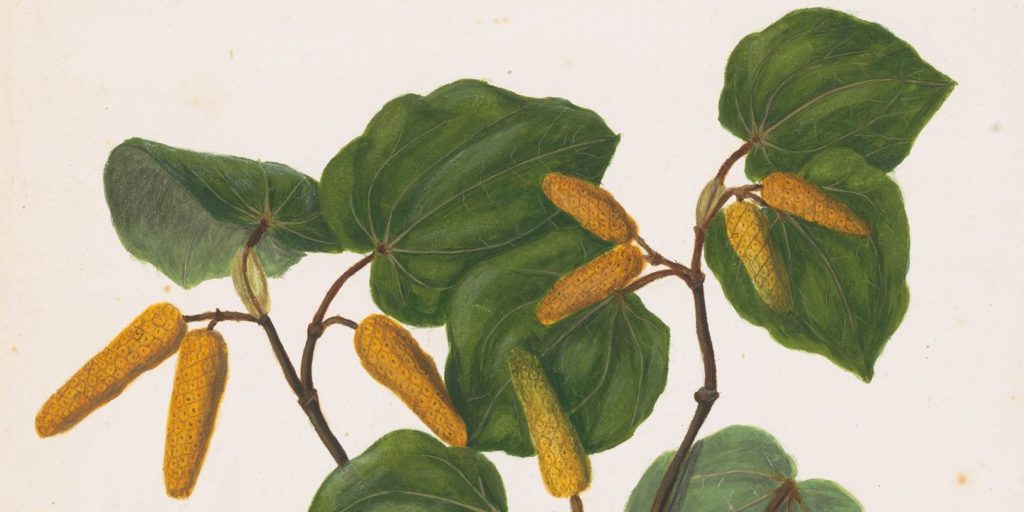
- Using both common and te reo Māori names for native plants (e.g., Kawakawa and Piper excelsum)
- Acknowledging Māori as the source when referencing traditional Māori plant knowledge
- Stating clearly when information is from Western herbalism vs. rongoā tradition
- Not claiming plants as “our” traditional medicine when they belong to Māori heritage
- Directing readers to rongoā practitioners for medicinal uses of native plants
In Our Recommendations
- Encouraging cultivation of native plants rather than wild harvesting
- Respecting DOC regulations and conservation concerns
- Promoting purchasing from Māori-owned businesses when sourcing native plant products
- Never encouraging harvest from sacred sites (urupā, wāhi tapu)
- Respecting tikanga around plant gathering and use
The Public Herbarium exists to share knowledge about plants and herbalism. We do so with deep respect for Māori knowledge systems, and culture.
We are committed to honouring tangata whenua and the knowledge that has sustained them for centuries.
Mā te whakaute, mā te ako, mā te aroha.
(Through respect, through learning, through love.)
 The Public Herbarium