Your Friendly Guide to Avoiding Beginner Pitfalls
Welcome to herbalism—where you’ll make mistakes, learn from them, and become wiser for it. Every experienced herbalist has fumbled, failed, and face-palmed their way through the learning process. The good news? You can avoid many common mistakes by learning from others who’ve already made them.
This guide walks you through the most frequent errors beginners make, why they happen, and—most importantly—how to fix them or avoid them altogether. Think of this as your herbal safety net.
Mistake #1: “This Looks Close Enough!” (Plant Misidentification)
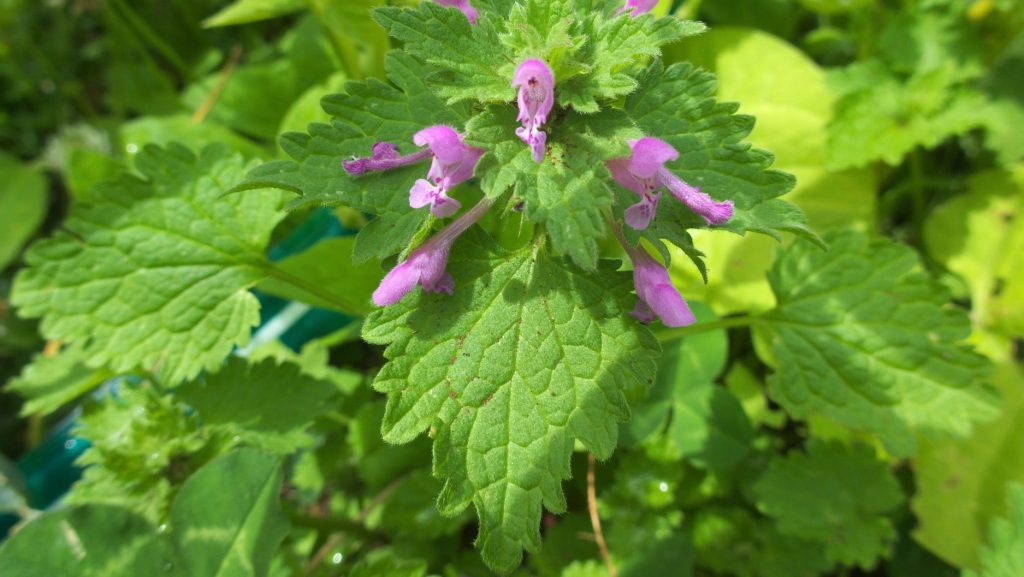
What happens: You think you’ve found plantain, but it’s actually a toxic lookalike. Plant misidentification is the most dangerous mistake in herbalism.
Why this happens: Over-confidence, relying on single features, using apps as only ID tool, excitement overriding caution.
The danger: Poisonous plants grow everywhere. In NZ, hemlock (deadly), foxglove (deadly), and tutu (deadly) are common.
How to fix it:
- Triple-check: Use physical field guide + second source + expert verification when possible
- Multiple features: Leaf shape AND arrangement, stem characteristics, smell, flowers, habitat
- Start safe: Master dandelion, plantain, cleavers (unmistakable features) before expanding
- 100% certain or don’t use
Mistake #2: Too Many Herbs in One Formula
What happens: You read that 10 herbs help sleep, so you mix them all. Result: Expensive, muddy-tasting medicine where you can’t tell what’s working.
Why this happens: More seems better. It’s not.
How to fix it:
- Start with 1-3 herbs maximum
- The 70-20-10 rule: 70% main herb, 20% support, 10% flavour/balance
- Test individually first: Know how each herb affects you alone
- Add one at a time: Build complexity slowly as you learn
Real-world example:
For sleep: Chamomile (70%) + lemon balm (20%) + peppermint (10%)
- Chamomile: Muscle relaxant, nervous system calmer
- Lemon balm: Calms racing thoughts, mild sedative
- Peppermint: Makes it taste good, aids digestion (so you’re not uncomfortable)
Why this works: Each herb has a clear role. You can tell which is doing what. If one causes problems, you know which to remove.
Why 10-herb formulas fail: Can’t troubleshoot. Can’t identify what’s working. Can’t identify what’s causing side effects. Expensive. Often tastes terrible.
The learning progression:
- Week 1-2: Chamomile alone. Learn how it affects you.
- Week 3-4: Add lemon balm. Notice the difference.
- Week 5-6: Add peppermint. Refine the taste.
- Now you understand your formula completely.
Example good formula: Chamomile (70%) + lemon balm (20%) + peppermint (10%) for sleep
Mistake #3: Poor Extraction & Preparation
Common errors:
- Weak tea: Not steeping long enough, not covering (volatile oils escape), too little herb
- Moldy infused oil: Using fresh herbs (water content = mold/botulism)
- Rancid oils/salves: Old or heat-damaged oils, improper storage
How to fix it:
- Tea: Use enough herb (5-10ml per cup), cover while steeping, 10-15 minutes minimum
- Infused oils: Herbs MUST be completely dry. Solar method: 4-6 weeks. Heat method: low temp (40-50°C)
- Quality oils: Use fresh oils, store cool and dark, add vitamin E to extend life
- Label everything: Herb name, date made, expiry
Real scenario that goes wrong:
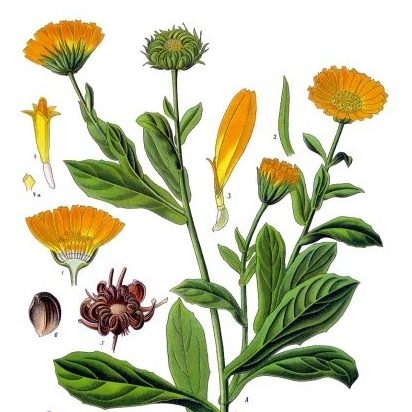
Example scenario: “I made calendula oil from fresh flowers I picked. Three weeks later, the jar had white fuzzy mold growing in it. I had to throw the whole batch away—$15 of olive oil wasted, plus all that time.”
What happened: Fresh plant material contains water. Water + oil + time = perfect environment for bacteria and mold, including potentially deadly botulism.
Fresh vs. dried:
- Fresh herbs: 60-80% water content
- Dried herbs: 10-12% water content
- That difference matters: The water in fresh herbs creates conditions for microbial growth in oil
The wilting method (if you MUST use fresh):
- Lay fresh herbs on clean cloth
- Let wilt 12-24 hours (reduces water content)
- Check they’re limp, not crispy
- Still risky—fully dried is always safer
Signs your preparation went wrong:
- Mold: Any fuzzy growth, white/green/black spots, musty smell
- Rancid oil: Smells like crayons, old nuts, paint
- Separation: Oil and water layers (water = danger)
- Bubbles: Tiny bubbles rising = fermentation/bacteria
- Off smell: Trust your nose—if it smells wrong, it is wrong
If any of these appear: Discard immediately. Don’t taste, don’t save it, don’t try to salvage it.
Mistake #4: Unsustainable or Contaminated Harvesting
What happens: Over-harvesting damages populations. Harvesting near roads = pesticides/pollution in your medicine.
The 20% rule violation: Taking more than 20% of a plant population damages its recovery.
How to fix it:
- Grow your own: Most sustainable option
- Wild harvest rules: <5% of population, abundant healthy stands only, rotate locations
- Avoid contamination: No roadside (pollution), no sprayed areas, no dog-walking zones
- Know the law: DOC land requires permits, respect private property
NZ-specific: Check nzpcn.org.nz for conservation status before harvesting any native
Mistake #5: Wrong Dosage or Unrealistic Expectations
Too little: “This chamomile isn’t working” (using 1/4 the effective dose)
Too much: “I feel weird” (took 3x recommended dose)
Expecting instant results: Herbs often work gradually over weeks, not minutes
How to fix it:
- Follow dosing guidelines: Herbs have therapeutic doses, just like pharmaceuticals
- Typical tea dose: 3 cups daily for chronic issues, not 1 cup occasionally
- Tinctures: Start low (1ml), work up to recommended dose (usually 2-5ml, 2-3x daily)
- Give it time: Acute issues: days. Chronic issues: 2-6 weeks for noticeable change
- Not a magic bullet: Herbs support the body; they don’t override poor lifestyle choices
Dosage examples that make a difference:
Chamomile tea for anxiety:
- Too little (doesn’t work): 1 cup occasionally when stressed
- Therapeutic dose: 3-4 cups daily, consistently for 2-4 weeks
- Why: Chamomile’s anxiolytic effects are cumulative and dose-dependent
Valerian tincture for sleep:
- Starting dose: 1ml (about 20 drops) an hour before bed
- Therapeutic range: 2-5ml (40-100 drops)
- Too much: 8ml+ can cause grogginess next morning, headache
- Individual variation: Some people need 2ml, others need 5ml for same effect
Echinacea for immune support:
- Prevention (maybe): 1ml tincture 3x daily
- Acute infection: 2-3ml every 2-3 hours while awake
- Duration: Start at first sign of cold, continue 7-10 days maximum
- Why timing matters: Most effective if started within 24-48 hours of symptoms
The “more is better” trap:
Example Scenario: “The bottle said 2-5ml tincture 3x daily. I figured 10ml would work twice as fast. Instead, I got a headache and felt weird. Turns out, more isn’t always better.”
Why more can be worse:
- Therapeutic window: Sweet spot where herb works best
- Below threshold: Ineffective
- Above threshold: Diminishing returns or side effects
- Some herbs (like valerian) have paradoxical effects at high doses
The patience factor:
Acute conditions (respond quickly):
- Cuts, burns, insect bites: Minutes to hours (topical)
- Colds, coughs: 1-3 days (if caught early)
- Digestive upset: Hours to 1-2 days
Chronic conditions (need time):
- Anxiety: 2-4 weeks
- Hormonal balance: 6-8 weeks (often 2-3 months)
- Joint pain: 4-6 weeks
- Immune building: 8-12 weeks
Why herbs aren’t instant:
- Work with body’s natural processes
- Build up in system gradually
- Support healing, don’t override symptoms
- Gentler but slower than pharmaceutical drugs
Mistake #6: Assuming “Natural = Safe”
The myth: If it grows in nature, it must be safe.
The reality: Many of Earth’s deadliest toxins are natural (hemlock, deadly nightshade, death cap mushrooms).
Critical safety errors:
- Ignoring drug interactions
- Using contraindicated herbs during pregnancy
- Not researching before using
- Trusting blogs over qualified sources
How to fix it:
- Research BEFORE using: Check contraindications, drug interactions, safe dosages
- Pregnancy/nursing: Avoid medicinal amounts unless confirmed safe
- Medications: Check interactions (St. John’s Wort alone interacts with 100+ drugs)
- Health conditions: Work with healthcare providers
- When in doubt, skip it
NZ Poisons Centre: 0800 764 766 (24/7)
Common dangerous drug interactions:
St. John’s Wort: Interacts with birth control pills (reduces effectiveness = pregnancy risk), antidepressants (serotonin syndrome), blood thinners (dangerous), HIV medications, cancer drugs. Induces liver enzymes that break down many medications faster.
Licorice: Interacts with blood pressure medications, diuretics, heart medications. Can cause potassium depletion and dangerous heart rhythms when combined with certain drugs.
Ginkgo: Blood thinning effects. Don’t combine with aspirin, warfarin, or other blood thinners. Avoid before surgery.
Garlic (medicinal doses): Also thins blood. Problematic with anticoagulants or before surgery.
The lesson: “Natural” doesn’t mean “safe” or “non-interacting.” Herbs are medicines. Treat them with appropriate respect and caution.
Mistake #7: Poor Storage & No Labeling
What happens: Mystery jars. Rancid oils. Ineffective dried herbs. Wasted time and money.
How to fix it:
Labeling (non-negotiable):
- Herb name
- Date made
- Ingredients/ratios
- Expiry date
- Dosage
Storage:
- Dried herbs: Airtight, cool, dark, completely dry (12-24 months)
- Tinctures: Dark glass, cool place (3-5+ years)
- Oils/salves: Cool, dark, sealed (6-12 months)
- Teas (prepared): Refrigerate, 48 hours maximum
Test before using: Smell, look, taste tiny amount. If questionable, discard.
Your Mistake-Avoiding Action Plan
Week 1: Learn 1-3 plants with 100% certainty. Read safety information. Check contraindications.
Week 2: Make ONE remedy with ONE herb. Label immediately. Store correctly. Take notes.
Week 3: Use remedy consistently. Observe effects. Adjust dose within safe range.
Week 4: Add one new herb OR one new method. Don’t rush.
Ongoing: Join local herbalism groups. Learn from experienced herbalists. Keep detailed notes. Share successes AND failures.
When You Make a Mistake (You Will)
- Figure out what went wrong: Moldy? Weak? Wrong plant?
- Learn the lesson: What would you do differently?
- Write it down: You’ll remember better
- Try again: With your new knowledge
- Share: Help others avoid the same mistake
Be patient with yourself. Be humble. Be curious. And most of all, be safe.
Quick Safety Checklist
Before using any herb, ask:
- ✓ Am I 100% certain of this plant’s identity?
- ✓ Did I check contraindications for me specifically?
- ✓ Did I check drug interactions?
- ✓ Do I know the safe dose?
- ✓ Is this herb appropriate for my condition?
- ✓ Are my dried herbs completely dry?
- ✓ Did I label my preparation completely?
- ✓ Am I storing this correctly?
- ✓ Did I harvest from a clean location?
- ✓ Do I have realistic expectations?
If you answered “no” or “I’m not sure” to ANY question: STOP and get more information first.
Sources & Further Reading
Books:
- Green, J. (2000). The Herbal Medicine-Maker’s Handbook. Crossing Press.
- Gladstar, R. (2012). Rosemary Gladstar’s Medicinal Herbs: A Beginner’s Guide. Storey Publishing.
- Hoffmann, D. (2003). Medical Herbalism: The Science and Practice of Herbal Medicine. Healing Arts Press.
- Wood, M. (2008). The Earthwise Herbal: A Complete Guide to Old World Medicinal Plants. North Atlantic Books.
Safety:
- Mills, S., & Bone, K. (2005). The Essential Guide to Herbal Safety. Churchill Livingstone.
- Williamson, E.M., Driver, S., & Baxter, K. (2013). Stockley’s Herbal Medicines Interactions. Pharmaceutical Press.
NZ-Specific:
- New Zealand Plant Conservation Network: nzpcn.org.nz
- National Poisons Centre: 0800 764 766
- Crowe, A. (2004). A Field Guide to the Native Edible Plants of New Zealand. Penguin Books.
Research:
- Ekor, M. (2014). The growing use of herbal medicines: issues relating to adverse reactions and challenges in monitoring safety. Frontiers in Pharmacology, 4, 177.
Disclaimer: This guide is for educational purposes only and is not medical advice. Always positively identify plants before use. Consult qualified healthcare practitioners before using herbal medicines, especially if you have health conditions, take medications, are pregnant, or are treating children. You are responsible for correct plant identification and safe preparation practices. When in doubt, seek professional guidance.
For medical emergencies, call 111. For poisoning information, contact the National Poisons Centre: 0800 764 766.
Note on Pricing: All prices mentioned in this guide are approximate and based on New Zealand suppliers as of December 2025. Prices vary by supplier, season, and market conditions. We recommend checking current prices with your local suppliers.
 The Public Herbarium