
The Complete Resource for Economically Sustainable Herbal Practice
This comprehensive guide explores the science, economics, and practice of affordable herbalism in Aoteroa New Zealand. We’ll examine cost-benefit analyses, sustainable sourcing strategies, phytochemical stability in preparations, and the economic realities of building a complete herbal practice on any budget.
Table of Contents
- Understanding the Economics of Herbalism
- The Science of Cost-Effective Preparation Methods
- Foraging: Risk Assessment and Sustainable Practices
- Growing Medicinal Herbs: Return on Investment
- Bulk Purchasing: Quality Assessment and Storage
- DIY Formulations: Cost Analysis and Efficacy
- Equipment and Infrastructure
- Seasonal Harvesting and Preservation Economics
- Community Resources and Knowledge Sharing
- Quality vs. Cost: Making Informed Decisions
- Building Your Practice: Year-by-Year Analysis
- Practical Scenarios: Budget Herbalism Across Different Contexts
- Troubleshooting and Problem-Solving
- Conclusion
- Resources
Understanding the Economics of Herbalism
The Cost Structure of Commercial Herbal Products
To understand where budget herbalism saves money, we need to understand the commercial herbal product supply chain and its associated costs.
Commercial Product Cost Breakdown (Typical):
Dried Bulk Herb:
- Growing/wildcrafting: 15-25% of retail
- Processing (drying, cutting): 10-15%
- Packaging: 5-10%
- Distribution and retail markup: 50-60%
- Retail price: $15-35/100g common herbs
Capsules/Tablets:
- Raw herb cost: 10-20% of retail
- Extraction/processing: 15-25%
- Encapsulation: 10-15%
- Packaging and labeling: 10-15%
- Marketing: 15-25%
- Distribution and retail: 25-35%
- Retail price: $25-50/60 capsules (approximately 30g herb)
Tinctures:
- Raw herb cost: 15-25% of retail
- Alcohol: 5-10%
- Processing (extraction, filtering): 10-15%
- Bottles and droppers: 10-15%
- Marketing and labeling: 15-20%
- Distribution and retail: 25-40%
- Retail price: $20-40/50ml
Topical Products (Salves, Creams):
- Herb cost: 10-20% of retail
- Carrier oils/butters: 10-15%
- Additional ingredients: 5-10%
- Processing: 10-15%
- Packaging: 15-25%
- Marketing: 15-25%
- Distribution and retail: 20-30%
- Retail price: $18-35/60ml
What This Means:
In every commercial herbal product, 50-75% of what you pay goes to packaging, marketing, distribution, and retail markup—not the actual medicine. When you make products yourself or use whole herbs, you eliminate most of these costs.
Economic Reality:
A $30 jar of herbal salve contains approximately $3-6 worth of herbs and carrier oils. The rest is markup. Making it yourself costs $5-10 total and you get 3-4 times as much.
Whole Herbs vs. Supplements: Comparative Analysis
Scenario: Daily Nettle Consumption for Mineral Support
Option 1: Commercial Capsules
- Product: 500mg nettle capsules
- Retail: $28/90 capsules
- Recommended dose: 2-3 capsules daily
- Daily cost: $0.60-0.90
- Annual cost: $220-330
Option 2: Bulk Dried Nettle
- Product: Dried nettle leaf
- Retail: $18/100g (bulk)
- Daily dose: 2-3g as tea
- Daily cost: $0.35-0.55
- Annual cost: $130-200
- Potential Savings: $90-130/year compared to capsules (40% cheaper)
Option 3: Foraged Fresh Nettle
- Product: Wild-harvested nettle
- Cost: Free (plus time investment)
- Fresh daily dose: 10-15g (equivalent to 2-3g dried)
- Daily cost: $0
- Annual cost: $0
- Potential Savings: $220-330/year vs. capsules
Option 4: Homegrown Nettle
- Initial investment: $8 (plant or seeds)
- Maintenance: Minimal (water, occasional compost)
- Harvest: Multiple cuttings per year
- Annual cost after year 1: $0-5
- Potential Savings: $215-325/year vs. capsules
Phytochemical Analysis:
Research shows that whole herb preparations often deliver compounds more effectively than isolated extracts due to synergistic effects. You’re not sacrificing efficacy for cost—you’re often getting superior medicine.
Why This Matters:
The economic case for budget herbalism isn’t just about saving money. It’s about getting better medicine (whole plant synergy) for less money (eliminating commercial markup).
The Science of Cost-Effective Preparation Methods
Extraction Efficiency and Cost Analysis
Different preparation methods extract different compounds with varying efficiency. Understanding this helps you choose the most cost-effective method for each herb.
Water Extraction (Tea/Infusion):
Chemical Profile:
- Extracts: Water-soluble compounds (polysaccharides, mucilage, some flavonoids, water-soluble vitamins, minerals, tannins)
- Doesn’t extract: Lipophilic compounds (volatile oils degrade with prolonged heat, resins, fat-soluble vitamins)
- Efficiency: 20-40% of total plant material (by weight)
Cost Analysis:
- Equipment needed: Jar or pot (free if you own), strainer ($3-5)
- Consumables: Herb ($10-20/100g), water (negligible)
- Cost per dose: $0.25-0.50
- Most economical for: Mineral-rich herbs (nettle, oatstraw), mucilaginous herbs (marshmallow), flowers (chamomile, calendula)
Best Practices for Efficiency:
- Use correct water temperature (boiling for roots/barks, hot but not boiling for leaves/flowers)
- Cover while steeping (prevents volatile oil loss)
- Steep appropriate time (10-15 min leaves, 20-30 min roots)
- Use proper herb-to-water ratio (5-10g per 250ml)
Alcohol Extraction (Tincture):
Chemical Profile:
- Extracts: Both water and alcohol-soluble compounds (alkaloids, some flavonoids, resins, volatile oils)
- Doesn’t extract: Large polysaccharides (require water)
- Efficiency: 25-50% of total plant material (varies with alcohol percentage)
Cost Analysis:
- Equipment: Jar ($0-3), strainer ($3-5), bottles ($5-15 for several)
- Consumables: Herb ($10-20/100g), vodka/alcohol ($15-25/750ml)
- Initial batch cost: $30-50 (makes 500-750ml tincture)
- Cost per dose (2.5ml): $0.10-0.20
- Economical for: Herbs you use long-term (shelf life 3-5 years)
Alcohol Percentage Guidelines:
- Fresh plants: 40-50% (vodka works well)
- Dried plants: 40-60% (depending on constituent solubility)
- Resins/gums: 70-95% (higher alcohol needed)
Why This Matters:
Tinctures have higher upfront cost but last years and give concentrated medicine. For herbs you use regularly, the long-term cost is lower than tea.
Oil Infusion (for External Use):
Chemical Profile:
- Extracts: Lipophilic compounds (fat-soluble vitamins, carotenoids, some volatile oils, resins)
- Doesn’t extract: Water-soluble compounds (minerals, polysaccharides)
- Efficiency: 5-15% of plant material (lower than water or alcohol)
Cost Analysis:
- Equipment: Jar ($0-3), cheesecloth ($2-5), pot for double boiler ($0 if owned)
- Consumables: Herb ($10-20/100g), carrier oil ($5-15/500ml)
- Batch cost: $15-35 (makes 500ml infused oil)
- Final product: Makes 400-600ml salve (with added beeswax)
- Cost per 60ml jar of salve: $3-6
- Economical for: Skin remedies (one batch makes gifts + personal supply)
Carrier Oil Selection:
- Olive oil: Stable, affordable ($8-12/500ml), excellent for skin
- Coconut oil: Solid at room temp ($10-15/500ml), antimicrobial properties
- Sunflower oil: Light, inexpensive ($6-10/500ml), good penetration
Infusion Methods Compared:
| Method | Time | Heat | Cost | Best For |
|---|---|---|---|---|
| Solar | 2-6 weeks | Gentle (sun) | $0 energy | Flowers, delicate herbs |
| Folk (room temp) | 4-6 weeks | None | $0 energy | All herbs, no degradation |
| Double boiler | 2-4 hours | Moderate | $0.50 energy | Roots, fast results needed |
| Crockpot | 8-12 hours | Low | $0.25 energy | Roots, large batches |
Economic Winner: Solar/folk method (free energy, excellent quality)
Vinegar Extraction:
Chemical Profile:
- Extracts: Minerals particularly well (acetic acid chelates minerals), some alkaloids, water-soluble vitamins
- Doesn’t extract: Large molecules, lipophilic compounds
- Efficiency: 15-30% of plant material
Cost Analysis:
- Equipment: Jar ($0-3)
- Consumables: Herb ($10-20/100g), apple cider vinegar ($4-8/1L)
- Batch cost: $14-28 (makes 1L mineral vinegar)
- Cost per dose (15ml): $0.20-0.40
- Economical for: Mineral extraction (nettle, oatstraw, horsetail)
Why Vinegar for Minerals:
Acetic acid in vinegar chelates minerals (forms complexes), making them more bioavailable than simple water extraction. For mineral-rich herbs, vinegar extraction can be 2-3x more efficient than tea.
Honey Infusion (Electuary):
Chemical Profile:
- Extracts: Water-soluble compounds slowly, preserves volatile oils
- Antimicrobial properties: Honey itself is preservative
- Efficiency: Variable, gentle extraction over time
Cost Analysis:
- Equipment: Jar ($0-3)
- Consumables: Herb ($10-20/100g), honey ($10-20/1kg)
- Batch cost: $20-40 (makes 1kg medicated honey)
- Cost per dose (5-10g): $0.10-0.40
- Economical for: Respiratory herbs (thyme, ginger), making medicine palatable for children
Economic Decision Matrix:
Use water extraction (tea) when:
- Herb is mineral-rich or mucilaginous
- You need daily gentle support
- Minimum cost is priority
- Fresh preparation preferred
Use alcohol extraction (tincture) when:
- Herb contains important alkaloids or resins
- Long shelf life needed
- Concentrated dose preferred
- Cost-per-dose over time matters more than upfront cost
Use oil extraction when:
- External use only
- Herb has important fat-soluble compounds
- Making salves/balms
- Batch production for gifts
Use vinegar when:
- Maximising mineral extraction
- Making culinary-medicinal products
- Inexpensive daily mineral support
Use honey when:
- Palatability matters
- Respiratory applications
- Combining food and medicine
- Gentle antimicrobial preservation
Foraging: Risk Assessment and Sustainable Practices
The Economics of Wildcrafting
Time Investment Analysis:
Scenario: Harvesting Dandelion Root
Time breakdown:
- Identification and location scouting: 30-60 min (first time)
- Harvesting 1kg fresh roots: 60-90 min
- Cleaning and processing: 30-45 min
- Drying: Passive (3-7 days)
- Total active time: 2-3 hours
Economic calculation:
- 1kg fresh dandelion root = approximately 200g dried
- Dried dandelion root retail: $25-50/100g
- Commercial value of harvest: $50-100
- Hourly equivalent: $17-50 (depending on efficiency)
Cost-benefit considerations:
- One-time learning investment (identification)
- Recurring harvest becomes faster with experience
- Exercise and outdoor time (health benefits)
- Connection to land (cultural/spiritual value)
- Free, renewable resource
Why This Matters:
Even if you value your time at $20/hour, foraging common medicinal “weeds” is economically competitive with commercial products, while providing additional non-monetary benefits.
Contamination Risk Assessment
Understanding environmental contamination helps you make informed decisions about where to forage.
Heavy Metal Accumulation in Plants:
High Accumulator Plants (avoid roadsides):
- Dandelion root (accumulates lead, cadmium)
- Plantain (accumulates lead)
- Cleavers (accumulates various metals)
Contamination Sources and Risk Zones:
Roadside contamination:
- Lead: Historical leaded petrol use (pre-1996 in NZ)
- Accumulates in soil, taken up by plants
- Risk zone: 10+ metres from roads
- Half-life in soil: 100-300 years
- Zinc and cadmium: Tire wear particles
- Risk zone: 5-10 metres from busy roads
- PAHs (polycyclic aromatic hydrocarbons): Exhaust emissions
- Risk zone: 10-20 metres from major roads
Agricultural contamination:
- Pesticide drift: Up to 100+ metres from application site
- Fertiliser runoff: Affects waterside plants
- Herbicide residues: Can persist in soil for months to years
Urban contamination:
- Dog feces: Parasites (Toxocara), bacteria (E. coli, Salmonella)
- Risk: High in popular dog-walking areas
- Mitigation: Avoid low-lying plants in these areas
- Industrial sites: Heavy metals, organic pollutants
- Risk: Can persist decades after closure
- Research site history before harvesting
Soil Testing:
For serious foragers, soil testing provides certainty:
- Soilsafe Aotearoa: Heavy metal testing $150-250
- DIY test kits: $30-80 (less accurate)
- When it’s worth it: Regular harvesting site, selling foraged products
Washing Effectiveness:
Research shows washing removes:
- Surface dirt and particles: 90-95%
- Pesticide residues (surface): 50-80%
- Heavy metals (internal): 0-10% (these are inside plant tissues)
Washing protocol for foraged herbs:
- Rinse in cool water to remove gross debris
- Soak 5 minutes in water with 5ml vinegar per liter (helps remove surface residues)
- Rinse again thoroughly
- Pat dry gently
Risk Mitigation Hierarchy:
- Best: Private land you know isn’t sprayed, away from roads
- Good: Public land with confirmed no-spray policy, away from roads/agriculture
- Acceptable: Urban parks with verified spray schedule (avoid recently sprayed areas)
- Risky: Near roads, dog-walking areas, unknown agricultural land
- Avoid: Industrial sites, heavily trafficked roadsides, areas with visible contamination
Sustainable Harvesting: The Science
Plant Population Dynamics:
The 1/10th Rule (Actually 1/20th is better):
This rule comes from conservation biology. Here’s why it matters:
Genetic diversity:
- Small populations lose genetic diversity through genetic drift
- Minimum viable population (MVP) varies by species but is typically 50-500 individuals
- Harvesting reduces effective population size
- Implication: Leave more than you think you need to
Reproductive capacity:
- Plants need sufficient density for successful pollination
- Wind-pollinated plants need higher density
- Insect-pollinated plants are more flexible but still density-dependent
- Implication: Scattered harvest (across area) better than concentrating in one spot
Recovery time varies by species:
- Fast: Annual plants recover in one season (chickweed, cleavers)
- Moderate: Perennial herbs with vigorous growth (dandelion, plantain) – 1-2 years full recovery
- Slow: Long-lived perennials and native species (kawakawa, native orchids) – 3-10+ years
Harvesting Impact by Plant Part:
Leaves (lowest impact):
- Take outer leaves only
- Leave growing tip intact
- Maximum 30% of leaves per plant
- Recovery: 2-6 weeks for most species
Flowers (moderate impact):
- Takes away seeds (next generation)
- Always leave 50%+ of flowers for seed production
- Recovery: Next flowering season
Roots (highest impact):
- Usually kills the plant (unless leaving portion in ground)
- Only harvest where abundant
- Maximum 5% of population
- Recovery: Years (depending on reproduction method)
Sustainable Practice: Native vs. Introduced Species:
Introduced species (dandelion, plantain, cleavers):
- Often considered weeds
- Reproduce prolifically
- Can harvest more liberally
- Still follow 10% rule for population health
Native species (kawakawa, horopito, mānuka):
- Culturally significant
- Often slower-growing
- May be food source for native insects/birds
- Harvest maximum 5% of population
- Prefer cultivated plants when possible
Māori Perspective on Sustainable Harvesting:
Traditional rongoā practice includes:
- Karakia (prayer/acknowledgment): Recognises plant as living entity
- Reciprocity: Take only what’s needed, give back through care
- Observation: Learn plant’s timing, needs, health
- Intergenerational thinking: Ensure abundance for mokopuna (grandchildren)
Modern Application:
Whether or not you follow traditional protocols, the principles apply:
- Mindful harvesting
- Gratitude and respect
- Minimal impact
- Long-term thinking
Foraging Economics: Return on Learning Investment
Scenario: Learning to Identify and Harvest Plantain
Initial investment:
- Field guide: $35 (one-time, or library free)
- Identification class: $50-120 (optional but recommended)
- Time learning: 3-5 hours
- Total: $35-155
Ongoing return:
- Plantain retail dried: $20-35/100g
- Harvest 500g dried annually (conservative): $100-175 value
- 20+ years of harvesting: $2,000-3,500 value
- ROI (Return on Investment): 1,300-2,250% over 20 years
Additional benefits:
- Knowledge transfers to other plants
- Exercise and outdoor time
- Food security and medicine security
- Connection to place
Why This Matters:
The initial learning investment pays for itself in the first year and continues providing returns indefinitely. Plus, botanical knowledge is transferable to other plants.
Growing Medicinal Herbs: Return on Investment
Economic Analysis of Common Medicinal Herbs
Scenario Comparisons: 5-Year Analysis
🪴 Rosemary (Salvia rosmarinus):

Initial investment:
- Plant: $8-12
- Pot (if needed): $5-10
- Soil: $8-15
- Total: $21-37
Maintenance (annual):
- Water: Minimal (established plants drought-tolerant)
- Fertiliser: Optional ($5-10/year)
- Annual cost: $0-10
Harvest:
- Year 1: 50-100g fresh (= 15-30g dried)
- Year 2-5: 200-400g fresh annually (= 60-120g dried)
- 5-year total: 850-1,700g fresh (255-510g dried)
Commercial equivalent:
- Dried rosemary: $4-6/15g in small jars
- 255-510g dried = $68-204
- ROI: 185-450% over 5 years
Additional value:
- Beautiful garden plant
- Pollinator food
- Culinary + medicinal use
- Plant lives 10-20+ years
🍃 Peppermint (Mentha × piperita):
Initial investment:
- Plant: $5-8
- Pot: $5-10 (contains spreading)
- Soil: $8-15
- Total: $18-33
Maintenance (annual):
- Water: Moderate
- Occasional division: Free (creates more plants)
- Annual cost: $0-5
Harvest:
- Year 1: 200-400g fresh (= 40-80g dried)
- Year 2-5: 400-800g fresh annually (= 80-160g dried)
- 5-year total: 1,800-3,600g fresh (360-720g dried)
Commercial equivalent:
- Dried peppermint: $7-15/50g bulk
- 360-720g dried = $50-216
- ROI: 150-550% over 5 years
Additional value:
- Continuous harvest (cut and come again)
- Fresh is superior to dried for flavor
- Creates new plants to share/sell
🏵️ Calendula (Calendula officinalis):
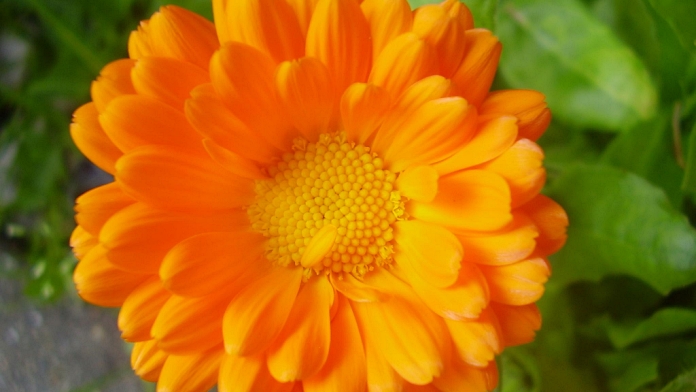
Initial investment:
- Seeds: $3-5 (one packet)
- Soil: $8-15
- Pot or garden space: $0-10
- Total: $11-30
Maintenance (annual after year 1):
- Self-seeds (free plants)
- Water: Moderate
- Annual cost: $0-5
Harvest:
- Year 1: 50-100g dried flowers
- Year 2-5: 100-200g dried flowers annually (if allowed to self-seed)
- 5-year total: 450-900g dried flowers
Commercial equivalent:
- Dried calendula: $14-28/100g bulk
- 450-900g dried = $63-252
- ROI: 210-840% over 5 years
Additional value:
- Beautiful garden flower
- Attracts beneficial insects
- Cut flowers for home
- Makes superior medicine (fresh infused oil)
🇳🇿 Kawakawa (Macropiper excelsum):

Initial investment:
- Plant: $15-25 (native nursery)
- Compost: $8-15
- Pot or garden space: $0-15
- Total: $23-55
Maintenance (annual):
- Water: Moderate
- Mulch: $5-10
- Annual cost: $5-10
Harvest:
- Year 1: 20-40g dried leaves (conservative, establishing)
- Year 2-5: 50-100g dried leaves annually
- 5-year total: 220-440g dried leaves
Commercial equivalent:
- Dried kawakawa: $35-70/100g
- 220-440g dried = $77-308
- ROI: 140-460% over 5 years
Additional value:
- Native plant (supports ecosystem)
- Cultural significance
- Lives decades
- Mature plants provide much more
Note on Rongoā Māori: This guide provides botanical and general herbal information about kawakawa. Traditional rongoā applications, protocols, and cultural practices are not covered here. For authentic rongoā knowledge, please learn from qualified rongoā practitioners and respect the cultural context of these practices.
Economic Ranking by ROI (5-year):
- Calendula: 210-840% (highest ROI)
- Peppermint: 150-550%
- Rosemary: 185-450%
- Kawakawa: 140-460%
Why This Matters:
Even “expensive” plants like kawakawa pay for themselves within 2 years and continue producing for decades. The ROI on growing medicinal herbs is exceptional compared to most investments.
Space Efficiency Analysis
Scenario: 1 Square Metre Garden Bed
Option 1: Intensive Annual Herbs (Basil, Calendula)
- 9-12 plants per square metre
- Harvest: 400-600g dried herb
- Value: $40-120
Option 2: Perennial Ground Cover (Thyme)
- Covers area in 1-2 years
- Harvest: 200-400g dried annually
- Value: $30-80/year ongoing
Option 3: Vertical Growing (Climbing Nasturtium)
- 2-3 plants per square metre
- Harvest: 300-500g fresh flowers/leaves
- Value: $20-50 (plus food value)
Most Space-Efficient Strategies:
- Vertical growing: Vining plants (nasturtium, hops if available)
- Container stacking: Multiple pots in small spaces
- Succession planting: Fast crops followed by slow crops
- Perennial herbs: Ongoing harvest from same space
Propagation Economics
From Seeds vs. Plants:
Seeds:
- Cost: $3-8 per packet (50-500 seeds)
- Germination rate: 60-90% (species dependent)
- Time to harvest: 3-6 months (annuals), 1-2 years (perennials)
- Cost per plant: $0.01-0.20
Established Plants:
- Cost: $5-15 per plant
- Time to harvest: Immediate to 3 months
- Success rate: 95%+
- Cost per plant: $5-15
Economic Decision:
- Seeds: Best for multiple plants, no rush, learning experience
- Plants: Best for single specimens, immediate harvest, guaranteed success
Free Propagation Methods:
Division (Mint, Lemon Balm, Many Perennials):
- Dig up plant in spring or autumn
- Separate into 2-4 sections with roots
- Replant immediately
- Cost: $0, creates 2-4 plants
Cuttings (Rosemary, Lavender, Sage):
- Take 10-15cm cutting from new growth
- Remove lower leaves
- Place in water or moist soil
- Roots form in 2-6 weeks
- Cost: $0, 70-90% success rate
Why This Matters:
Once you have one mint or rosemary plant, you can create unlimited plants for free to expand your garden, share with friends, or even sell.
Bulk Purchasing: Quality Assessment and Storage
Price-Point Analysis: When Bulk Saves Money
Break-Even Analysis:
Chamomile Example:
| Amount | Price | Price/100g | Break-Even Point |
|---|---|---|---|
| 25g | $8 | $320/kg | Baseline |
| 100g | $18 | $180/kg | Saves $14 if you’ll use it |
| 250g | $35 | $140/kg | Saves $45 if you’ll use it |
| 500g | $60 | $120/kg | Saves $100 if you’ll use it |
Consumption calculation:
- Daily cup of chamomile: 2.5g
- 100g = 40 cups = 40 days (1.3 months)
- 250g = 100 cups = 100 days (3.3 months)
- 500g = 200 cups = 200 days (6.7 months)
Decision criteria:
- Buy 25g: Trying herb for first time
- Buy 100g: Like it, use weekly
- Buy 250g: Use daily, goes through it in 3-4 months
- Buy 500g: Use daily, share with others, or make preparations
Storage Life Considerations:
Herb degradation rates:
- Volatile oil-rich herbs (mint, lavender): 6-12 months optimal (oils evaporate)
- Flowers (chamomile, calendula): 12-18 months (color fades, potency decreases)
- Leaves (nettle, oatstraw): 12-24 months (stable)
- Roots and barks (dandelion, ginger): 24-36 months (very stable)
Buying decision matrix:
- Never buy more than you’ll use in 2/3 of shelf life (accounts for degradation)
- For volatile herbs: 6-8 months supply maximum
- For stable roots: 18-24 months supply is fine
Co-op Buying:
Scenario: Four Friends Split Bulk Order
Individual purchase:
- 100g chamomile: $18 each
- Total: $72 for group
Bulk purchase split:
- 500g chamomile: $60 total
- Each person gets 125g for $15
- Potential Savings: $12 total ($3 per person)
- Plus: Share shipping cost
Additional benefits:
- Access to minimum order quantities
- Share shipping costs
- Discover new herbs from others
- Knowledge sharing
Why This Matters:
Even small buying groups achieve significant potential savings while reducing per-person risk of over-purchasing.
Quality Assessment for Bulk Purchases
Visual Quality Indicators:
Good Quality Dried Herbs:
- Color: Vibrant, close to fresh plant color
- Green herbs should be green, not brown
- Flowers should retain color
- Roots should be appropriate color (white, brown, etc.)
- Aroma: Strong characteristic scent
- Open bag and smell immediately
- Should smell like fresh plant (if familiar)
- Volatile herbs should be potent
- Integrity: Not crushed to powder
- Leaves should be recognisable
- Flowers should be intact
- Minimal dust or powder at bottom of bag
Red Flags (Poor Quality):
- Brown color (oxidation, age, or poor drying)
- Musty smell (mold, improper storage)
- Visible mold (white fuzz, dark spots)
- Excessive dust (over-handling, degradation)
- No aroma (old, degraded)
- Discoloration or fading
When to Request Samples:
Reputable suppliers provide samples before bulk purchase. Request samples when:
- Buying large quantity (500g+)
- New supplier
- Expensive herb
- Quality-critical application
Testing Samples:
Visual inspection:
- Spread sample on white paper
- Examine color, intactness
- Look for foreign matter (other plants, soil, insects)
Aroma test:
- Crush small amount
- Smell immediately (releases volatiles)
- Compare to fresh plant or previous batches
Taste test (if safe):
- Make tea from sample
- Evaluate flavor intensity
- Compare to expected taste
Infusion test (for flowers/leaves):
- Make standard tea
- Observe color extraction
- Strong color usually indicates good potency
Storage Science: Maximising Shelf Life
Degradation Factors:
Light:
- Mechanism: UV radiation breaks down plant compounds, especially volatile oils and pigments
- Rate: Up to 50% degradation in 3 months with direct sunlight exposure
- Solution: Store in opaque containers or dark location
Oxygen:
- Mechanism: Oxidation of volatile oils, degradation of pigments and some active compounds
- Rate: Volatile oils decrease 5-10% per month with air exposure
- Solution: Minimise headspace in containers, use oxygen absorbers for long-term storage
Moisture:
- Mechanism: Mold growth, enzyme activation (continues degradation)
- Rate: Mold can develop in days if moisture >10%
- Solution: Ensure herbs are completely dry, use desiccant packets in humid climates
Temperature:
- Mechanism: Heat accelerates chemical reactions (degradation)
- Rate: Every 10°C increase approximately doubles degradation rate
- Solution: Store in cool location (below 20°C ideal)
Optimal Storage Conditions:
Short-term (3-6 months):
- Clean glass jars with tight lids
- Dark cupboard
- Room temperature
- Label with name and date
Long-term (12+ months):
- Airtight containers (glass best)
- Vacuum-seal bags (removes oxygen)
- Cool, dark location (pantry, cellar)
- Oxygen absorbers for herbs >1 year storage
- Desiccant packets in humid climates
Cost-Effective Storage Solutions:
| Storage Need | Expensive Option | Budget Option | Cost Difference |
|---|---|---|---|
| Airtight jars | New mason jars ($2-4 each) | Reused food jars ($0) | $2-4 potential savings |
| Labels | Printed labels ($10-20/100) | Masking tape + marker ($3) | $7-17 potential savings |
| Dark storage | Amber glass bottles ($3-8 each) | Regular jars in dark cupboard ($0) | $3-8 potential savings |
| Desiccant | Commercial packets ($10-20/100) | Silica gel from packaging (reused) ($0) | $10-20 potential savings |
Vacuum Sealing Economics:
Upfront cost:
- Vacuum sealer: $30-150
- Bags: $15-30/100
Long-term value:
- Extends shelf life by 50-100%
- Protects volatile oil content
- Prevents oxidation
- Reduces waste from degraded herbs
Break-even point:
If you prevent $50-100/year in herb loss (degraded herbs you’d throw away), vacuum sealing pays for itself in 1-2 years.
DIY Formulations: Cost Analysis and Efficacy
Comprehensive Cost Breakdown: Healing Salve
Let’s analyse a complete salve-making project in detail.
Recipe: Multipurpose Healing Salve (240ml batch)
Ingredients:
- 250ml olive oil: $2.50 (from 500ml bottle at $5)
- 30g dried calendula: $4.20 (from 100g at $14)
- 30g dried plantain: $0 (foraged) or $4.20 (from 100g at $14)
- 30g beeswax pellets: $3 (from 100g at $10)
- Optional: 20 drops essential oil: $0.80 (from 10ml bottle at $12)
Total ingredient cost: $10.50 (foraged plantain) or $14.70 (purchased)
Equipment (one-time investment or already owned):
- Glass jar for infusing: $0 (reused)
- Pot for double boiler: $0 (owned)
- Cheesecloth: $2 (reusable)
- Stirring spoon: $0 (owned)
- Storage jars (4 × 60ml): $0 (reused)
Time investment:
- Infusing oil: 2-4 hours active (or 2-6 weeks passive solar method)
- Making salve: 30 minutes
- Total active time: 2.5-4.5 hours (or 30 min with solar method)
Yield:
- Approximately 240ml salve
- Fills 4 × 60ml jars
Cost analysis:
Per 60ml jar:
- Ingredient cost: $2.60-3.70
- Time value: $0 (therapeutic hobby) to $15-20 (if valuing time at $20/hour)
Commercial comparison:
- Similar commercial salve: $18-25/60ml
- Potential Savings per jar: $14-22
For 4 jars:
- Total potential savings: $56-88
- ROI: 380-600% (excluding time)
Additional value:
- Learn valuable skill
- Know exactly what’s in product
- Can make gifts
- Customisable formula
- Therapeutic process
Phytochemical Considerations:
Why homemade may be superior:
- Freshness: Know exactly when made, no degradation from warehouse storage
- Herb quality: Choose organic or wild-crafted herbs
- Carrier oil quality: Use high-quality oils (commercial products often use cheaper mineral oil)
- No unnecessary additives: Commercial products add emulsifiers, preservatives, fragrances
- Higher herb concentration: Can make stronger preparations
Research Note:
Studies on calendula show wound-healing efficacy is dose-dependent. Homemade salves typically use 10-15% herb by weight. Commercial salves often use 2-5%. You’re making better medicine, not just saving money.
Recipe Scaling Economics
Understanding the economics of batch size:
Small batch (240ml):
- Easier to manage
- Test recipes
- Less waste if not ideal
- Higher per-unit cost
Large batch (1L):
- Economies of scale
- Lower per-unit cost
- Can make multiple varieties
- Requires more upfront investment
Calendula Oil Infusion Example:
Small batch (250ml):
- 250ml oil: $2.50
- 30g calendula: $4.20
- Total: $6.70
- Cost per ml: $0.027
Large batch (1L):
- 1L oil: $8 (bulk purchase)
- 120g calendula: $14.40 (bulk purchase discount)
- Total: $22.40
- Cost per ml: $0.022
- Potential Savings: 18% cheaper per ml
Break-even analysis:
Large batch makes sense when:
- You use product regularly
- You can use entire batch within shelf life (1 year for infused oil)
- You’re making multiple salves/products from the oil
- You’re making gifts
Strategic Approach:
Start with small batches to perfect recipe. Once you have a formula you love and use regularly, scale up to reduce per-unit cost.
Multi-Use Preparations: Maximising Efficiency
Base Preparations as Building Blocks:
Strategy: Make versatile base preparations that can be used in multiple ways.
Example: Calendula Infused Oil
Single batch cost: $6.70 (250ml)
Multiple applications:
- Massage oil: Use directly ($6.70/250ml)
- Commercial equivalent: $15-25/100ml
- Potential Savings: $30-55
- Salve base: Add beeswax ($9.70 total makes 240ml salve)
- Commercial equivalent: $18-25/60ml × 4 jars = $72-100
- Potential Savings: $62-90
- Lotion ingredient: Combine with water phase ($15 total makes 400ml lotion)
- Commercial equivalent: $20-30/200ml × 2 bottles = $40-60
- Potential Savings: $25-45
- Lip balm: Small portion with more beeswax ($8 total makes 20 tubes)
- Commercial equivalent: $4-6/tube × 20 = $80-120
- Potential Savings: $72-112
Total potential value from one oil batch: $189-322 in commercial product equivalents
Cost of batch: $6.70
Value multiplication: 28-48x
Why This Matters:
One versatile base preparation (infused oil) can be transformed into dozens of products. Master one technique and you unlock enormous economic value.
Equipment
Essential vs. Luxury: Smart Equipment Choices
Tier 1: Absolute Essentials ($0-20)
These you probably own or can acquire free:
Glass jars:
- Source: Reuse from food products (jam, pickles, pasta sauce)
- Cost: $0
- Uses: Storage, infusing, mixing, drinking tea
Strainer:
- Source: Kitchen equipment (already owned) or $3-5 new
- Cost: $0-5
- Uses: Straining teas, tinctures, infused oils
Measuring spoons/cups:
- Source: Kitchen equipment (already owned)
- Cost: $0
- Uses: Measuring herbs, liquids
Pot for double boiler:
- Source: Kitchen equipment (already owned)
- Cost: $0
- Uses: Heating infused oils, melting beeswax
Notebook:
- Source: Any notebook (or $2-5 new)
- Cost: $0-5
- Uses: Recording recipes, observations, harvest locations
Total Tier 1: $0-15
Tier 2: High-Value Additions ($20-50)
These significantly improve efficiency but aren’t essential:
Digital kitchen scale:
- Cost: $15-30
- Value: Precise measurements for better consistency
- When to buy: Making tinctures, selling products, want precision
Fine mesh strainer/nut milk bag:
- Cost: $8-15
- Value: Better extraction from oils, cleaner tinctures
- When to buy: Making large batches, want clear tinctures
Amber glass bottles (set of 6-10):
- Cost: $15-25
- Value: Better storage for light-sensitive preparations
- When to buy: Making tinctures to store long-term
- Budget alternative: Regular jars in dark cupboard ($0)
Mortar and pestle:
- Cost: $12-30
- Value: Fresh grinding for maximum potency
- When to buy: Working with seeds, roots, making spice blends
- Budget alternative: Rolling pin + ziplock bag ($0)
Total Tier 2: $50-100
Tier 3: Efficiency Upgrades ($50-200)
These save time but aren’t necessary:
Dehydrator:
- Cost: $60-150
- Value: Faster, more consistent drying
- When to buy: Preserving large harvests, living in humid climate
- Budget alternative: Air drying in warm, dry room ($0)
Slow cooker/crockpot:
- Cost: $30-80
- Value: Easy oil infusions, large batches
- When to buy: Making large quantities of infused oils
- Budget alternative: Double boiler method ($0)
Coffee grinder (dedicated to herbs):
- Cost: $20-40
- Value: Quickly powder herbs for teas, capsules
- When to buy: Making bulk tea blends, encapsulating
- Budget alternative: Mortar and pestle ($12-30)
Vacuum sealer:
- Cost: $30-150
- Value: Extended shelf life, better storage
- When to buy: Storing large quantities, making year’s supply
- Budget alternative: Regular airtight jars ($0)
Total Tier 3: $140-420
Equipment Investment Strategy:
Year 1: Tier 1 only ($0-15)
- Use what you have
- Learn basic techniques
- Determine what you actually need
Year 2: Add selective Tier 2 items ($20-50)
- Based on what you make most
- Where inefficiency is frustrating
- One or two high-impact additions
Year 3+: Consider Tier 3 if relevant ($50-200)
- Only if you’re making large quantities
- Only if time savings justify cost
- One item per year maximum
Why This Matters:
People often over-invest in equipment before knowing what they’ll actually use. Start minimal, add strategically based on real needs.
DIY Equipment Alternatives
Commercial vs. DIY Options:
Tincture Press:
- Commercial: $80-200
- DIY alternative: Strong hands + cheesecloth + patience ($0)
- ROI calculation: Would need to save 80-200ml of tincture (approximately 8-20 batches) to justify commercial press
- Verdict: DIY is fine for most home herbalists
Double Boiler:
- Commercial: $30-60
- DIY alternative: Heat-proof glass jar in pot of water ($0)
- ROI calculation: Never pays for itself if DIY works
- Verdict: DIY is perfect
Herb Storage:
- Commercial: Fancy labeled apothecary jars ($5-15 each)
- DIY alternative: Reused glass jars + masking tape labels ($0)
- ROI calculation: Never pays for itself unless aesthetics matter
- Verdict: DIY unless displaying products professionally
Tea Infuser:
- Commercial: Fancy tea balls ($8-20)
- DIY alternative: Jar + strainer or coffee filter ($0-3)
- ROI calculation: Negligible time savings
- Verdict: DIY is fine
Efficiency Analysis:
Equipment Worth Buying:
- Digital scale ($15-30): Precision improves results significantly
- Quality strainer ($8-15): Better extraction = better medicine
- Dehydrator ($60-150): Only if drying large quantities or humid climate
Equipment Not Worth Buying:
- Specialised single-use tools
- Expensive branded “herbalist” equipment when generic works
- Anything you can easily DIY with household items
Seasonal Harvesting and Preservation Economics
The Seasonal Advantage
Economic Principle:
Herbs harvested at peak potency and preserved properly provide year-round medicine at a fraction of the cost of purchasing fresh or preserved herbs commercially.
Seasonal Cost Variations:
Fresh Herbs (New Zealand):
- Summer: Abundant, inexpensive ($3-5/bunch)
- Winter: Scarce, expensive ($6-10/bunch)
- Price differential: 100-200%
Strategy: Preserve summer abundance for winter use
Spring Economics (September-November)
Peak harvest opportunities:
🌿 Nettles (Wild):

- Commercial value: $20-35/100g dried
- Harvest potential: 2-3kg fresh in 2 hours (= 400-600g dried)
- Value created: $80-210
- Cost: Time only
- Preservation: Dry or freeze
Economic calculation:
- Hourly equivalent: $40-105/hour
- Storage cost: $0-2 (energy for drying or freezer space)
- Net value: $78-208
🌿 Cleavers (Wild):

- Commercial value: $20-35/100g dried
- Harvest potential: 1-2kg fresh in 1 hour (fresh use better)
- Value created: Fresh medicine (hard to price)
- Preservation: Fresh tincture (1:2 ratio)
Economic calculation:
- 1kg fresh cleavers + 500ml vodka ($10) = 1.5L tincture
- Commercial equivalent: $300-450 (at $20-30/100ml)
- Net value: $290-440 for $10 investment + 1 hour time
Spring Strategy:
Focus on herbs that are ONLY available in spring (cleavers, young nettles) and preserve for year-round use.
Summer Economics (December-February)
Peak harvest opportunities:
Calendula (Homegrown):
- Seeds cost: $5 (one-time investment)
- Harvest potential: 200-400g dried flowers per season
- Commercial value: $28-112 (at $14-28/100g)
- Preservation: Dry for storage, infuse in oil fresh
Economic calculation:
- First year ROI: 460-2,140%
- Subsequent years: Self-seeds (infinite ROI)
Lavender (Homegrown):

- Plant cost: $8-15
- Harvest potential (mature plant): 200-400g dried flowers
- Commercial value: $40-120 (at $20-30/100g)
- Preservation: Dry (retains volatile oils well)
Economic calculation:
- First year ROI: 165-700%
- Plant lives 10-20+ years
Solar Infusion Economics:
Time investment: 15 minutes active (setting up), 2-6 weeks passive
Energy cost: $0 (sun provides heat)
Result quality: Excellent (gentle extraction preserves volatile oils)
Commercial comparison:
- Commercial calendula infused oil: $25-40/100ml
- Homemade (solar): $2.50/100ml (oil + herbs)
- Potential Savings: 90%+
Summer Strategy:
Maximise solar infusions (free energy), harvest and dry abundant flowers for winter, make large batches of infused oils.
Autumn Economics (March-May)
Peak harvest opportunities:
𓇢𓆸 Dandelion Root (Wild):

- Commercial value: $25-50/100g dried
- Harvest potential: 2kg fresh roots in 2 hours (= 400g dried)
- Value created: $100-200
- Preservation: Dry or roast (for coffee substitute)
Economic calculation:
- Hourly value: $50-100
- Processing time: +1 hour (cleaning, chopping)
- Net hourly value: $33-67
🌹 Rose Hips (Wild or Cultivated):

- Commercial value: $20-40/100g dried
- Harvest potential: 500g-1kg fresh in 1 hour (= 200-400g dried)
- Value created: $40-160
- Preservation: Dry (high vitamin C retention)
Economic calculation:
- Hourly value: $40-160
- Process for tea or syrup
- Storage: Dried lasts 18-24 months
Root Harvesting Economics:
Time investment breakdown:
- Digging: 60-80% of time
- Cleaning: 15-20% of time
- Processing: 10-15% of time
Efficiency tips:
- Harvest after rain (softer soil)
- Use proper tools (soil fork, not shovel)
- Choose friable soil locations
- Bring container of water to field for initial rinse
Autumn Strategy:
Focus on roots (highest potency now), harvest late berries, dry in bulk for winter use.
Winter Economics (June-August)
Maintenance and usage:
No fresh harvesting (in most regions):
- Rely on dried stores from other seasons
- Use purchased herbs if needed
- Focus on making preparations from dried stock
Indoor Growing Economics:
Windowsill Herbs:
- Initial investment: $15-30 (pots, soil, seeds)
- Ongoing cost: Water (negligible)
- Winter harvest: 50-100g fresh herbs per plant
- Value: $10-30 (fresh herbs in winter)
Microgreens:
- Seed cost: $5-10
- Equipment: Trays ($5-10) or reuse containers ($0)
- Harvest time: 7-14 days
- Value: Nutritious fresh greens (medicinal + food)
Winter Strategy:
Use preserved harvest from other seasons, minimal purchasing, plan next year’s growing, indoor supplementation.
Preservation Method Efficiency
Drying (Most Economical):
Herbs best dried:
- Leaves (nettle, mint, lemon balm)
- Flowers (calendula, chamomile, lavender)
- Roots (dandelion, burdock)
Energy cost:
- Air drying: $0
- Dehydrator: $2-5 per batch (electricity)
- Oven drying: $3-8 per batch (electricity)
Storage requirements:
- Space: Minimal (dried herbs are compact)
- Containers: Reused jars ($0)
- Shelf life: 12-24 months
Best ROI: Air drying (free energy, good quality)
Freezing:
Herbs best frozen:
- Basil (retains color)
- Parsley (retains flavor)
- Nettles (for cooking)
Energy cost:
- Ongoing: $0.05-0.10 per month (freezer space)
Storage requirements:
- Freezer space: Moderate
- Containers: Bags or containers ($0-5)
- Shelf life: 6-12 months
ROI: Good for culinary herbs, moderate for medicinals
Tincturing:
Best for long-term storage:
- Any herb you use year-round in small doses
- Roots and barks
- Herbs with important alcohol-soluble compounds
Upfront cost:
- Alcohol: $15-25/750ml
- Makes: 3-5 batches of tincture
Storage:
- Minimal space
- Dark bottles ($0-10)
- Shelf life: 3-5 years
ROI: Excellent for frequently-used herbs (long shelf life offsets alcohol cost)
Community Resources and Knowledge Sharing
The Economics of Community
Individual vs. Collective Herbalism:
Individual approach:
- All costs borne individually
- All knowledge gained individually
- Limited diversity of herbs/products
Collective approach:
- Shared costs (bulk purchasing, equipment)
- Shared knowledge (learning from each other)
- Greater diversity (each person specialises)
Economic Modelling:
Scenario: Four friends form herb collective
Individual costs (each person):
- Herbs: $100/year
- Equipment: $50/year
- Total: $150/year × 4 people = $600 collective cost
Collective approach:
- Bulk herb orders: $250 (saves $150 through bulk discount)
- Shared equipment: $100 (one dehydrator, one scale, etc.)
- Shared knowledge: Priceless
- Total: $350 collective cost
- Potential Savings: $250 collectively ($62.50 per person)
Additional benefits:
- Wider variety of herbs (each person buys different bulk herbs to share)
- Skill specialisation (one person good at salves, one at tinctures)
- Knowledge sharing (learning from each other)
- Social connection (health benefit)
Herb Swaps and Exchanges
Organising an herb swap:
Format:
- Each person brings dried herbs, preparations, or plants
- Trade on roughly equal basis (by volume, weight, or perceived value)
- Share knowledge about uses, preparations
- Exchange recipes and tips
Economic value:
Example participant:
- Brings: 200g homegrown calendula (cost $2, value $30)
- Receives: 100g purchased nettle ($12 value) + 100g homegrown yarrow ($18 value) + 50g purchased chamomile ($9 value)
- Net gain: $39 value for $2 cost
Why it works:
- Different people grow different herbs
- Homegrown herbs have low cost but high value
- Everyone gets variety without purchasing everything
Setting up regular swaps:
- Find 4-8 interested people
- Set quarterly schedule
- Create simple guidelines (quantities, quality standards)
- Rotate hosting
- Optional: Skill-sharing component (someone teaches a technique)
Shared Equipment
Community equipment library:
High-cost items worth sharing:
- Dehydrator ($60-150): Used seasonally, sits idle most of time
- Vacuum sealer ($30-150): Occasional use
- Tincture press ($80-200): Use a few times per year
- Large pots for infusions ($30-80): Occasional use
- Herb grinder ($40-100): Batch work only
Organisation model:
- 6-10 members
- Each person contributes one piece of equipment OR $30-50 buy-in
- Create booking calendar
- Store at rotating member’s home
- Shared maintenance costs
Economic analysis:
Individual ownership:
- Each person buys dehydrator: $60-150
- 6 people: $360-900 total spent
Shared ownership:
- Group buys one dehydrator: $60-150 total
- Per person cost: $10-25
- Potential Savings: $50-125 per person
Additional benefit: Access to equipment you wouldn’t buy individually (like expensive tincture press).
Knowledge Sharing Economics
The Value of Herbal Education:
Commercial herbalism courses:
- Introductory online course: $200-500
- Professional certification: $2,000-8,000
- One-day workshop: $80-150
Community-based learning:
- Herb walk with experienced forager: $20-50 (or free if informal)
- Skill-share evening: Free
- Medicine-making circle: Cost of supplies only ($5-20)
Knowledge sharing models:
1. Skill-Share Circles:
- Monthly gatherings
- Each month, one person teaches a skill
- Examples: Making salves, identifying plants, making tinctures
- Cost: Supplies only (split among participants)
2. Mentorship:
- Experienced herbalist mentors beginner
- Exchange: Time for knowledge OR beginner helps with garden work
- Cost: Free
3. Online Communities:
- Facebook groups (NZ herbalism groups exist)
- Forums (free knowledge exchange)
- Cost: Free
Value creation:
Scenario: Person attends 12 skill-share evenings
- Cost: $60 (supplies only)
- Knowledge gained: Equivalent to $500-1,000 course
- Value received: 8-17x cost
Why this matters:
Community-based learning is radically more affordable than commercial education while often providing more practical, hands-on experience.
Bartering and Skill Exchange
Herbal skills as currency:
What you can offer:
- Homemade preparations (salves, tinctures, teas)
- Plant identification skills
- Garden help
- Harvesting assistance
What you might receive:
- Fresh produce from gardens
- Access to foraging land
- Herbs you don’t grow
- Equipment use
- Knowledge
Example exchanges:
1. Garden work for herb share:
- Spend 4 hours helping harvest
- Receive 500g fresh herbs to take home
- Value exchange: $20 equivalent labor for $20-40 herbs
2. Salve-making for tincture-making:
- You make salves for friend
- Friend makes tinctures for you
- Each specialises, both benefit
- Value: Skill specialisation + time savings
3. Plant ID teaching for foraging access:
- You teach friend to identify plants
- Friend gives you access to their rural property for foraging
- Value: Knowledge for resource access
Formalised Barter:
Some communities use time banks or skill-exchange networks:
- Each hour of work = one credit
- Credits exchangeable for anyone’s skills
- Herbal products/skills fit well into these systems
Quality vs. Cost: Making Informed Decisions
When to Invest in Quality
Organic vs. Conventional:
Price differential:
- Conventional: $10-20/100g
- Organic: $15-30/100g
- Premium: 50-100%
When organic matters most:
High priority (worth the premium):
- Herbs you consume daily: Cumulative pesticide exposure
- Herbs grown in conventional monoculture: More heavily sprayed (mint, chamomile from conventional farms)
- Herbs for medicinal use: Quality matters more for therapeutic use
- Herbs for children: Minimise exposure in developing bodies
- Root herbs: May concentrate soil contaminants
Lower priority (conventional acceptable):
- Herbs used occasionally: Limited exposure
- Herbs for external use only: Less absorption
- Herbs with thick outer layers: Peel removes most residues
- Herbs you’re testing: Don’t invest premium until you know you’ll use it
Wild-crafted vs. Cultivated:
Wild-crafted premium: Often 50-100% more expensive
When wild-crafted is worth it:
- Native medicinals (kawakawa, horopito, mānuka)
- Herbs difficult to cultivate
- Herbs where wild form has superior chemistry
When cultivated is fine:
- Common garden herbs (mint, basil, rosemary)
- Herbs easily grown (calendula, chamomile)
- Herbs where quality is consistent
Cost-Effectiveness of Different Herb Sources
Ranking by cost-effectiveness:
1. Wild-foraged (where safe and legal):
- Cost: Time only
- Quality: Variable (depends on location, timing)
- Best for: Abundant plants (dandelion, plantain, cleavers)
2. Homegrown:
- Cost: Low initial investment, minimal ongoing
- Quality: Excellent (you control conditions)
- Best for: Herbs you use frequently
3. Bulk purchase from reputable supplier:
- Cost: Moderate (lower per gram than small quantities)
- Quality: Good (if from quality supplier)
- Best for: Herbs you can’t grow or forage
4. Small quantities from health food stores:
- Cost: High (maximum markup)
- Quality: Variable
- Best for: Testing new herbs before committing
5. Pre-made supplements:
- Cost: Highest (maximum processing + marketing)
- Quality: Variable
- Best for: Herbs requiring standardised extracts (rare)
Cost-Quality Matrix:
| Source | Cost | Quality | Best Use Case |
|---|---|---|---|
| Wild foraged | Free | High (good location) | Abundant weeds |
| Homegrown | Very Low | Excellent | Frequent-use herbs |
| Bulk purchased | Low-Moderate | Good | Can’t grow/forage |
| Small retail | High | Variable | Testing only |
| Supplements | Very High | Variable | Rarely justified |
Assessing Value for Money
Cost-per-dose analysis:
Example: Chamomile for sleep
Option 1: Tea bags from supermarket
- Cost: $6/20 bags
- Dose: 1 bag
- Cost per dose: $0.30
Option 2: Bulk dried chamomile
- Cost: $18/100g
- Dose: 2.5g (= 40 doses)
- Cost per dose: $0.45
Wait, tea bags are cheaper?
Not quite. Let’s look deeper:
Tea bag contents: Often lower-quality flowers, possibly dust from processing, may be old stock
Bulk chamomile: Whole flowers, fresher, higher potency
Effective dose comparison:
- Tea bag (lower quality): May need 2 bags for effect = $0.60
- Bulk (higher quality): One dose effective = $0.45
Plus: Bulk gives you control over strength (can make stronger tea when needed without buying specialty “extra strength” products)
True cost-effectiveness: Bulk wins on quality AND cost
Building Your Practice: Year-by-Year Analysis
Realistic Budget Progression
Year 1: Foundation ($50-150)
Goals:
- Learn 5-10 plants confidently
- Make basic preparations
- Start growing 2-3 herbs
- Begin foraging safely
Investments:
- Field guide: $35 (or library – free)
- 3-4 purchased herbs (100g each): $40-80
- 2-3 plants or seed packets: $15-25
- Basic supplies (jars – reuse, beeswax): $10-15
Skills gained:
- Plant identification
- Safe foraging
- Tea making
- Basic salve making
- Herb growing basics
Value created:
- $100-200 in commercial herb equivalents
- Foundation knowledge
- Started garden
Year 2: Expansion ($100-250)
Goals:
- Double plant knowledge (10-20 plants)
- Make tinctures
- Expand garden
- Start preserving herbs
Investments:
- More plants/seeds: $30-50
- Alcohol for tinctures: $20-30
- Bulk herb purchases (larger quantities): $40-80
- Simple scale: $15-30
- Storage supplies: $10-20
Skills gained:
- Tincture making
- Herb preservation (drying)
- Seasonal harvesting
- Growing expansion
Value created:
- $300-500 in commercial equivalents
- Year-round medicine access
- Established garden producing
Year 3: Refinement ($80-200)
Goals:
- Master 20+ plants
- Seasonal harvesting routine
- Make all common remedies
- Possibly share/gift/sell
Investments:
- Garden expansion: $30-80
- Specialty herbs: $30-60
- Optional dehydrator: $0-60 (if needed)
- Improved storage: $20-40
Skills gained:
- Advanced preparations
- Seasonal planning
- Recipe formulation
- Teaching others
Value created:
- $500-800 in commercial equivalents
- Self-sufficient in most common remedies
- Possibly income from sales/teaching
Year 4+: Established Practice ($50-150/year)
Maintenance costs:
- Replace used herbs: $30-80
- Garden supplies: $20-50
- Occasional new equipment: $0-50
Value provided:
- $600-1,000 yearly in commercial equivalents
- Gifts for family/friends
- Possible income stream
- Deep plant knowledge
Cumulative Investment vs. Value:
Total 4-year investment: $280-750
Total value created: $1,500-2,500 (commercial equivalent)
Plus: Ongoing knowledge, self-sufficiency, garden infrastructure
ROI over 4 years: 200-350%
But the real value isn’t just financial:
- Health resilience
- Connection to place
- Sustainable practice
- Empowerment
- Community connections
Practical Scenarios: Budget Herbalism Across Different Contexts
Understanding how budget herbalism manifests in different circumstances helps illustrate the principles in action. These scenarios are composites based on common patterns, typical NZ pricing, and realistic outcomes from the methods described in this guide.
Urban Context: Maximising Limited Space
Profile: Apartment living, no outdoor garden access, $600 annual household budget for health/wellness
Year 1 Strategy:
- Growing: 4-5 windowsill pots (mint, basil, parsley, thyme, rosemary) – $25-40
- Foraging: Weekly parks visits for plantain, dandelion, chickweed (after spray schedule verification) – Free
- Purchased herbs: Bulk chamomile, nettle, calendula (100g each) – $35-50
- Equipment: Reused jars, basic supplies – $10-15
- Total investment: $70-105
Capabilities developed:
- Daily herbal tea rotation (mint, chamomile, nettle)
- Basic first aid from foraged plantain
- Simple infused oils
- Fresh culinary herbs reducing grocery costs
Potential Savings vs. commercial products: $150-300 annually
Year 2+:
- Established windowsill garden requiring only occasional plant replacement
- Confident foraging saving $200+ on herbs
- Making own tinctures and salves
- Annual cost drops to $40-60
Suburban Context: Garden-Based Production
Profile: Quarter-acre section, family of 4, interest in self-sufficiency
Year 1 Strategy:
- Seeds: 10-12 varieties medicinal/culinary herbs – $40-60
- Plants: 3-4 perennials (kawakawa, rosemary, lavender, sage) – $30-50
- Soil amendments: Compost, mulch – $20-30
- Purchased herbs: Specialty items can’t grow (licorice root, ginger) – $30-50
- Supplies: Beeswax, vodka for tinctures, amber bottles – $40-60
- Total investment: $160-250
Capabilities developed:
- 500g+ dried herbs from garden annually
- Multiple tinctures and salves produced
- Fresh herb availability 8+ months
- Preserved harvest for winter use
- Gift-worthy preparations
Potential Savings vs. commercial products: $400-800 annually
Year 2+:
- Perennials producing heavily
- Seed saving reducing costs
- Annual expenditure: $60-100 (supplies + new varieties)
- Medicine production exceeds household needs (surplus for gifts/trade)
Community Garden Context: Shared Resources
Profile: Urban dweller with community garden access, interest in rongoā
Year 1 Strategy:
- Community garden plot: $40-80 annual fee
- Native plants: Kawakawa, koromiko, horopito seedlings – $25-40
- Herb seedlings from seed library: Free
- Bulk purchased herbs: Specialty items – $30-50
- Participated in: 3-4 herb swaps – Free
- Total investment: $95-170
Capabilities developed:
- Native plant cultivation knowledge
- Cultural learning from community
- Access to diverse herb varieties through swaps
- Shared harvest reducing individual costs
- Skills traded for plants/knowledge
Potential Savings vs. commercial products: $200-400 annually
Year 2+:
- Established native plants producing well
- Active in herb trading network
- Annual cost: $50-80 (mostly garden fees)
- Rich community connection and knowledge base
Rural Context: Wild Harvesting Focus
Profile: Rural property, abundant wild plants, minimal budget
Year 1 Strategy:
- Field guides: 2 comprehensive NZ books – $50-80 (or library borrowed)
- Identification workshops: 2 sessions – $60-120 (or free community walks)
- Basic supplies: Jars, beeswax, vodka – $40-60
- Purchased herbs: Only specialty items unavailable locally – $20-40
- Total investment: $170-300 (or $60-140 if using library/free workshops)
Capabilities developed:
- Confident identification of 15-20 wild medicinal plants
- Extensive dried herb collection from foraging
- Large-scale oil and tincture production
- Deep ecological knowledge of bioregion
Potential Savings vs. commercial products: $500-1,000+ annually
Year 2+:
- Minimal purchasing required
- Focused on preservation and preparation
- Annual cost: $30-60 (primarily supplies)
- Potentially producing surplus for sale/trade
Comparative Analysis: Outcomes Across Contexts
Cost Efficiency:
- Urban (no garden): $70-105 → $40-60 annual
- Suburban (garden): $160-250 → $60-100 annual
- Community garden: $95-170 → $50-80 annual
- Rural (foraging): $60-300 → $30-60 annual
Value Creation (commercial equivalent):
- Urban: $150-400/year
- Suburban: $400-1,000/year
- Community: $200-500/year
- Rural: $500-1,500/year
ROI Timeline:
- Urban: Breaks even 6-12 months
- Suburban: Breaks even 3-6 months (longer initial investment)
- Community: Breaks even 3-8 months
- Rural: Breaks even 2-6 months
Key Success Factors Across All Contexts:
Patience allowing infrastructure to develop
Starting with free/low-cost methods
Gradual skill building
Using locally available resources
Community connection and knowledge sharing
Focus on high-use, high-value herbs
Troubleshooting and Problem-Solving
Common Budget Concerns and Solutions
“I can’t afford even the starter herbs”
Solutions:
- Start with kitchen spices: Ginger, turmeric, garlic, cinnamon, thyme – you probably already have them
- Forage only (start free): Learn plantain and dandelion identification, harvest free
- Ask for gifts: Request herbs for birthday/Christmas instead of other gifts
- Buy one herb per month: $10-15/month is more manageable than $50 upfront
- Check for free samples: Some suppliers offer samples, herbal shops sometimes give away older stock
Start this week (free):
- Make ginger tea from kitchen
- Learn to identify plantain (find in any lawn)
- Visit library for herbal books
“I don’t have space to grow or store herbs”
Solutions:
- Windowsill growing: 3-4 pots on sunny windowsill (mint, basil, parsley)
- Vertical growing: Hanging pots (don’t use floor space)
- Community garden plot: Often $20-50/year for full plot
- Grow at friend’s/family’s place: Share harvest
- Storage: Dried herbs pack densely, 20 jars fit in one cupboard
Space-efficient strategies:
- Stack pots vertically
- Use wall-mounted planters
- Grow in unusual containers (buckets, tin cans)
- Focus on high-value herbs (calendula, chamomile)
“I live in the city and can’t forage”
Solutions:
- City parks: Many have unsprayed areas (check with council)
- Balcony/windowsill growing: Intensive small-space gardening
- Guerrilla gardening: Plant perennials in neglected city spaces (technically foraging your own plants)
- Friend’s rural property: Weekend foraging trips
- CSA membership: Sometimes includes herbs
- Community gardens: Often have common herb areas
Urban advantages:
- Farmers markets (often cheaper than shops)
- Asian markets (medicinal herbs at good prices)
- More herbal shops competing (better prices)
- Medicine-making classes (learn from others)
“The upfront cost of making preparations seems high”
Perspective shift:
Initial batch of salve feels expensive:
- Oil: $5
- Herbs: $10
- Beeswax: $8
- Total: $23
But you get:
- 4 × 60ml jars (240ml total)
- Commercial equivalent: $72-100
- Net potential savings: $49-77
Plus:
- Oil + beeswax make multiple batches (cost decreases for subsequent batches)
- Learn skill (free forever)
- Can make gifts (additional value)
Strategy:
- Make with friend (split costs and products)
- Start with smallest recipes
- Use foraged herbs (reduce herb cost to $0)
“I’m worried about making mistakes and wasting money”
Risk mitigation:
- Start with safest herbs:
- Chamomile, mint, plantain – hard to mess up
- Make small batches first:
- Test recipe before scaling up
- 100ml of oil infusion, not 1L
- Use inexpensive herbs while learning:
- Practice techniques with cheap bulk herbs
- Once confident, use expensive specialty herbs
- Learn from others:
- Take free workshop
- Watch YouTube videos
- Join herbal community group
- Accept that some mistakes happen:
- Burned oil infusion? Lesson learned ($8 cost)
- Moldy dried herbs? Improve drying technique next time ($5 cost)
- These are cheap lessons compared to many hobbies
Actual waste rate:
With basic care, waste should be <10% of herbs used. Even with 10% waste, you’re still saving 60-80% vs. commercial products.
Quality Issues and Solutions
“My dried herbs lost potency”
Diagnosis:
- Improper storage (light, heat, moisture, air)
- Stored too long
- Poor quality to begin with
Solutions:
- Improve storage: Airtight jars, dark location, cool temperature
- Use faster: Make smaller batches, share with others
- Check at purchase: Smell herbs before buying (should be aromatic)
- Label with dates: Use oldest first
Prevention:
- Dark glass or opaque containers
- Fill jars full (minimise air space)
- Store in coolest part of house
- Use within recommended timeframe
“My infused oil went rancid”
Diagnosis:
- Moisture in herbs (mold, rancidity)
- Too much heat during infusion
- Wrong carrier oil (some oxidise faster)
- Stored too long
Solutions:
- Ensure completely dry herbs: Critical for oil infusions
- Use stable carrier oil: Olive, jojoba (coconut can go rancid faster)
- Add vitamin E oil: Natural preservative (500 IU per 250ml oil)
- Store properly: Dark bottle, cool location
- Smell test: If smells off, discard
Prevention:
- Use only thoroughly dried herbs
- Gentle heat (not hot)
- Add antioxidant (vitamin E)
- Use within 1 year
“My tincture is weak/ineffective”
Diagnosis:
- Insufficient herb amount
- Wrong alcohol percentage
- Insufficient time
- Herb quality poor
Solutions:
- Check ratios: Should be 1:5 (herb:alcohol) minimum, 1:2 for fresh plants
- Verify alcohol %: Use 40-50% alcohol (80-100 proof vodka)
- Steep longer: Minimum 4 weeks, 6-8 weeks better
- Shake daily: Increases extraction
- Use better herbs: Quality in = quality out
How to test potency:
- Should have strong herb smell when opened
- Color should be significant (golden to dark brown depending on herb)
- Taste should be strong (appropriate to herb)
“My salve won’t solidify/is too hard”
Diagnosis:
- Wrong beeswax ratio
- Temperature too hot when testing
- Incorrect measurement
Solutions:
Too soft:
- Add more beeswax (5-10g at a time)
- Test by putting small amount on cold plate
- Should be soft-solid at room temp
Too hard:
- Add more oil (30-60ml at a time)
- Remelt and adjust
Prevention:
- Use tested ratios (approximately 30g beeswax per 250ml oil)
- Test consistency before pouring all into jars
- Measure accurately (scale helps)
Standard ratio:
- Soft salve: 20-25g beeswax per 250ml oil
- Medium salve: 30g beeswax per 250ml oil
- Hard salve: 35-40g beeswax per 250ml oil
Seasonal Challenges
“Winter: I’ve run out of herbs I preserved”
Solutions:
- Purchase bulk now: Buy larger quantities to last until next season
- Indoor growing: Start windowsill herbs (mint, parsley)
- Trade with others: Swap what you have for what you need
- Adjust formulas: Use what you have (adaptogenic tea instead of specific herbs)
Prevention (next year):
- Calculate annual use
- Preserve 20% more than you think you need
- Diversify (multiple herbs for similar uses)
“Summer: Too much harvest to process”
Solutions:
- Prioritise: Process most valuable herbs first
- Share bounty: Give fresh herbs to friends (build goodwill)
- Simplest preservation: Dry (requires minimal time)
- Freeze excess: Quick preservation, process later
- Make large batches: Oil infusions use lots of herb at once
Strategy:
- Harvest in smaller batches
- Process immediately (don’t let pile up)
- Enlist help (medicine-making party)
Conclusion: The Economics of Empowerment
Budget herbalism isn’t about deprivation or cutting corners. It’s about:
1. Removing artificial barriers: The idea that herbalism requires expensive products is marketing, not reality.
2. Reconnecting with plants: Direct relationship with plants (growing, foraging, making medicine) is more valuable than purchasing products.
3. Building resilience: Knowledge and skills can’t be taken away. A garden continues producing. These are recession-proof investments.
4. Community wealth: Sharing knowledge and resources creates abundance for everyone.
5. Appropriate technology: Simple, accessible methods often work better than expensive, complex ones.
The Real ROI:
Financial: 200-1000%+ return over time
Educational: Priceless botanical and medical knowledge
Health: Improved wellbeing from daily herbal support
Community: Connections with like-minded people
Empowerment: Ability to care for yourself and others
Sustainability: Low-impact, regenerative practice
Starting Today:
You don’t need to do everything at once. Pick ONE action:
- Learn to identify plantain (free)
- Plant mint seeds ($3-5)
- Make ginger tea from kitchen ($0)
- Visit library for herb books (free)
- Join online NZ herb group (free)
Each small step builds momentum. Within a year, you can have an established, sustainable herbal practice that costs less than $150 annually while providing $500-1,000 worth of medicine and immeasurable value in knowledge and empowerment.
Budget herbalism is accessible herbalism. And accessible herbalism is herbalism for everyone.
Resources
Free Resources
Click here for details
Online:
- iNaturalist app – Free plant identification
- NZ Plant Conservation Network (nzpcn.org.nz) – Native plant information
- Local council websites – Spray schedules, foraging regulations
- YouTube channels (NZ-focused)
Books (Library):
- A Field Guide to the Native Edible Plants of New Zealand by Andrew Crowe
- The Forager’s Treasury by Johanna Knox
- Māori Plant Use by Murdoch Riley
- Medical Herbalism by David Hoffmann (comprehensive reference)
Community:
- Local libraries – Books, workshops, sometimes seed libraries
- Community gardens – Knowledge sharing, plant swaps
- Herbal Facebook groups (NZ-specific groups exist)
Scientific References
Click here for details
Cunningham, A. B. (2001). Applied Ethnobotany: People, Wild Plant Use and Conservation. Earthscan Publications.
Riley, M. (1994). Māori Plant Use: A Handbook of Plants Used by the Māori People of New Zealand. Manaaki Whenua Press.
Hoffmann, D. (2003). Medical Herbalism: The Science and Practice of Herbal Medicine. Healing Arts Press.
Mills, S., & Bone, K. (2005). The Essential Guide to Herbal Safety. Churchill Livingstone.
Chevallier, A. (1996). The Encyclopedia of Medicinal Plants. DK Publishing.
Grieve, M. (1931). A Modern Herbal. Jonathan Cape. [Still relevant for traditional knowledge]
Bone, K., & Mills, S. (2013). Principles and Practice of Phytotherapy: Modern Herbal Medicine (2nd ed.). Churchill Livingstone. [Comprehensive scientific reference]
Disclaimer: This guide is for educational purposes only. Foraging carries inherent risks including misidentification, contamination, and allergic reactions. You are solely responsible for correct plant identification and safe harvesting practices. Herbal preparations discussed are not intended to replace professional medical care. Consult qualified healthcare practitioners for serious health conditions. When in doubt about plant identification, safety, or appropriate use, seek expert guidance.
Note on Pricing and Financial Projections: All prices and cost calculations in this guide are:
- Expressed in New Zealand dollars (NZD)
- Based on late 2025 market research across multiple NZ suppliers
- Approximate and subject to variation by supplier, season, and quantity
- Provided to demonstrate economic principles, not as guaranteed pricing
The cost-benefit analyses and ROI calculations illustrate typical economic outcomes but individual results vary based on:
- Local growing conditions and climate
- Availability of forageable plants in your area
- Time invested in learning and harvesting
- Specific herbs and preparations you choose to focus on
The fundamental economics of budget herbalism—that DIY preparations cost 60-80% less than commercial products, and that growing/foraging further reduce costs—remain valid across price fluctuations.
 The Public Herbarium