Building Immune Resilience and Respiratory Health for the Cooler Months
Autumn in New Zealand brings cooler temperatures, shorter days, and the transition from outdoor summer living to more time indoors. This seasonal shift challenges our immune and respiratory systems as we’re exposed to more viruses in close quarters, deal with temperature fluctuations, and adjust to reduced sunlight. Herbs can help strengthen your defences, support respiratory health, and ease the transition into winter.
This guide focuses on practical herbal strategies for building resilience during autumn’s unique health challenges.
Cultural Context and Scope
Rongoā Māori and Traditional Seasonal Practices
This guide addresses autumn herbal support from a Western herbalism and evidence-based perspective. It is important to acknowledge:
Rongoā Māori is a Complete Healing System:
Rongoā Māori (traditional Māori medicine) has its own seasonal practices, protocols, and healing frameworks passed down through generations. It encompasses spiritual, physical, and communal dimensions that extend far beyond the herbal preparations discussed here.
This Guide’s Scope:
This document presents autumn herbal strategies based on:
- Western herbal medicine traditions
- Evidence-based research on immune and respiratory support
- Seasonal adaptation to New Zealand’s autumn climate
This Guide Does NOT:
- Represent rongoā Māori seasonal knowledge or practice
- Provide instruction on traditional Māori preparation methods
- Address spiritual or cultural protocols for working with taonga plants
For Rongoā Māori Knowledge:
Those seeking rongoā Māori knowledge and traditional seasonal practices should connect with:
- Te Paepae Motuhake (Rongoā Standards Authority): The regulatory body for rongoā Māori practice
- Local marae: Community centres with connections to rongoā practitioners
- Māori health providers: DHBs and community health organisations
- Qualified rongoā practitioners: Who have traditional training and cultural authority
Mānuka as Taonga:
Mānuka (Leptospermum scoparium) is a taonga (treasure) species with deep cultural significance in rongoā Māori. While this guide discusses mānuka honey from a Western evidence-based perspective, users should understand that:
- Mānuka holds cultural importance beyond its antimicrobial properties
- Traditional harvesting and use protocols exist within rongoā Māori
- Supporting Māori-owned mānuka honey producers honours cultural connections
Complementary Approaches:
Western herbal knowledge and rongoā Māori can coexist respectfully when boundaries are clear and cultural authority is honoured.
Why Autumn Herbal Support Matters
Prevention over Crisis:
Supporting your immune system proactively—before you get sick—is far more effective than scrambling for remedies when you’re already ill. Autumn is the ideal time to build resilience.
Empowerment:
Understanding how herbs work (not just “take this for that”) empowers you to make informed choices, adapt remedies to your needs, and use herbs confidently.
Accessibility:
Many powerful immune-supporting herbs are affordable or free—thyme from your garden, ginger from the supermarket, elderberries foraged locally. This knowledge removes barriers.
Connection to Season:
Working with herbs creates awareness of seasonal rhythms—when elderberries ripen, when to harvest thyme, when your body needs warming support. This deepens your relationship with place and season.
Cost Savings:
A jar of elderberry syrup costs $20-40 in stores but can be made at home for $5-8. A season’s worth of echinacea tincture might cost $60 in stores but $15-20 in bulk dried root.
Understanding Autumn Health Challenges
Seasonal Immune Transition
Why we get sick more in autumn:
Increased Indoor Time:
- More people in enclosed spaces = more virus transmission
- Reduced fresh air circulation
- Shared surfaces (doorknobs, keyboards)
Temperature Fluctuations:
- Warm days, cool nights stress the body
- Moving between heated indoors and cool outdoors
- Body must constantly adjust thermoregulation
Reduced Sunlight:
- Vitamin D production decreases
- Vitamin D supports immune function
- Lower levels = reduced immune resilience
Drier Air:
- Indoor heating dries mucous membranes
- Nasal passages less effective at trapping viruses
- Throat irritation more common
Why this matters: Your immune system works harder during seasonal transitions. Supporting it proactively—before you get sick—is more effective than waiting until symptoms appear.
Regional Autumn Variations in Aotearoa New Zealand
Autumn health challenges vary significantly across New Zealand’s regions:
Northern NZ (Auckland, Northland, Bay of Plenty):
- Later onset: Autumn arrives later (May often still warm)
- Higher humidity: Persistent moisture = mould exposure risk (respiratory irritation)
- Warmer nights: Less dramatic temperature fluctuations than southern regions
- Herbal strategy: Focus on antimicrobial support (thyme, mānuka honey) over warming herbs initially
Central NZ (Wellington, Taranaki):
- Wind exposure: Wellington’s notorious wind = respiratory irritation, dry airways
- Variable weather: Dramatic day-to-day swings stress immune system
- Herbal strategy: Demulcents for wind-dried airways (marshmallow, mullein), adaptogenic support for weather stress
Southern NZ (Canterbury, Otago, Southland):
- Early onset: Autumn arrives early (March can feel winter-like)
- Frost: Night frosts by late April/early May
- Dry cold: Central Otago particularly dry = respiratory tissue dryness
- Herbal strategy: Warming herbs earlier (ginger, cinnamon), stronger focus on moistening herbs (marshmallow)
Coastal vs. Inland:
- Coastal areas: More moderate temperatures, higher humidity
- Inland areas: Greater temperature extremes, drier air (especially Central Otago)
Adapt timing and emphasis of herbal strategies to your specific region. If you’re experiencing warm, humid autumn (Auckland), prioritise antimicrobial support. If you’re already into cold, dry nights (Southland), emphasise warming and moistening herbs.
Respiratory System Vulnerability
Your respiratory system (nose, throat, lungs) is your first line of defence against airborne pathogens.
How it protects you:
- Mucus: Traps viruses and bacteria
- Cilia: Tiny hair-like structures sweep mucus (and trapped pathogens) out
- Immune cells: In respiratory tissues detect and destroy invaders
What compromises it:
- Dry air (reduces mucus production)
- Irritation from temperature changes
- Viral infections (damage ciliary function)
Herbal support helps by:
- Soothing irritated tissues (demulcents)
- Supporting mucus membranes (moistening herbs)
- Providing antimicrobial protection
- Reducing inflammation
Key Autumn Herbs for New Zealand
Echinacea (Echinacea purpurea/angustifolia)
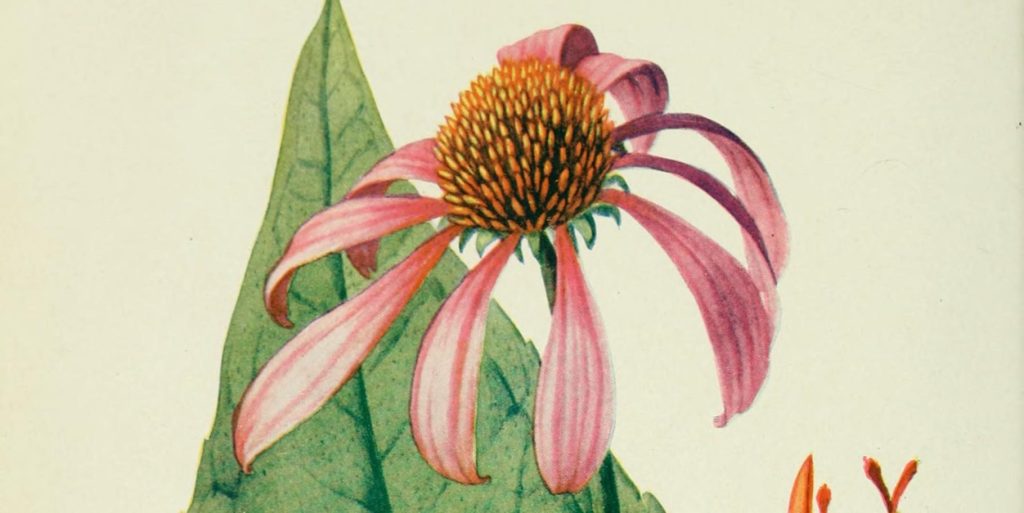
Why it’s valuable: Echinacea is one of the most researched immune-supporting herbs, with solid evidence for reducing cold duration and severity.
How it works: Echinacea contains compounds called alkamides and polysaccharides that stimulate white blood cell activity. These immune cells are your body’s defense force—they identify and destroy viruses and bacteria. Echinacea essentially helps your immune system respond more quickly and effectively when exposed to pathogens.
When to use:
- Preventively: Throughout autumn to build immune resilience (2-3 weeks on, 1 week off)
- At first sign of illness: That first tickle in your throat, fatigue, or sense you’re “coming down with something”
- During illness: To reduce severity and duration
How to use:
- Tincture (root extract preferred): 3-5ml three times daily at first sign of illness
- Tea: 1-2 teaspoons dried root per cup, simmer 10 minutes, drink 3 cups daily
- Start early: Most effective when taken at very first symptoms
Important note: Echinacea is an immune stimulant—it increases immune activity. This is good for fighting infections but not appropriate for autoimmune conditions or during allergies (which are already overactive immune responses). For allergies, use immune modulators instead (see Spring guide).
Safety: Very safe for most people. Not recommended for those with autoimmune conditions, HIV, or tuberculosis. Safe for children over 2 years (adjust dose by weight).
Drug Interactions:
- Immunosuppressants: Echinacea may counteract medications like cyclosporine, corticosteroids (consult doctor if taking)
- Caffeine: May increase caffeine effects in some people (rare)
NZ availability:
- Tinctures: Health food stores, pharmacies ($15-30/50-100ml)
- Dried root: Bulk suppliers ($15-25/50g)
- Capsules: Pharmacies, health food stores
- Can be grown in NZ gardens (prefers full sun, well-drained soil)
Budget Alternative: Garlic
Can’t afford echinacea tincture ($15-30)? Raw garlic is nearly as effective for immune support and costs $0.50-2.00/bulb:
- How to use: Crush 1-2 cloves, let sit 10 minutes (activates allicin), mix into honey or food, consume daily
- Why it works: Allicin is potently antimicrobial and immune-stimulating
- Catch: Must be raw (cooking destroys allicin) and fresh (pre-crushed jarred garlic has lost most allicin)
Thyme (Thymus vulgaris)
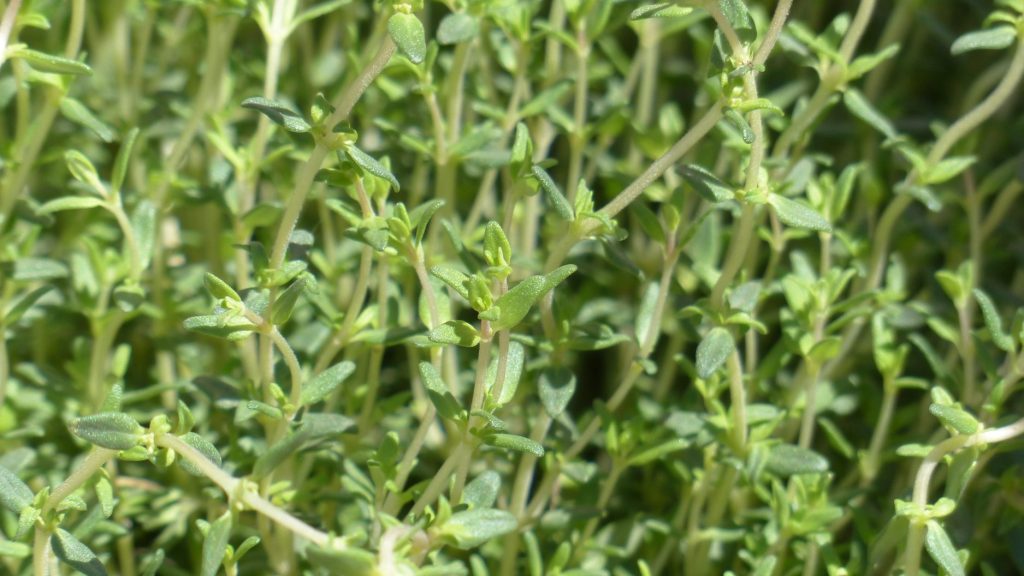
Why it’s valuable: Thyme is a powerful respiratory herb with antimicrobial and antispasmodic properties. It’s your go-to for coughs and respiratory infections.
How it works: Thyme contains thymol and carvacrol—volatile oils with potent antimicrobial effects. These compounds disrupt bacterial and viral cell membranes, providing direct protection against respiratory pathogens. Thyme also relaxes bronchial muscles, easing coughing spasms.
Uses:
- Coughs: Both dry, irritating coughs and productive (mucus-producing) coughs
- Bronchitis: Helps clear congestion and fight infection
- Sore throat: Antimicrobial action fights infection, soothes irritation
How to use:
- Hot tea: 1-2 teaspoons dried thyme per cup, steep covered 10 minutes, drink 3-4 cups daily when sick. Add honey for sore throat.
- Steam inhalation: Add handful of fresh thyme (or 1 tablespoon dried) to bowl of very hot water, tent head with towel, breathe steam for 10 minutes. Opens airways, delivers antimicrobial compounds directly to respiratory tissues.
- Honey infusion: Pack jar with fresh thyme, cover with raw honey, leave 2-4 weeks. Take 1 teaspoon as needed for coughs.
Safety: Very safe as culinary herb and tea. Avoid medicinal doses during pregnancy. Safe for children over 2 (reduce dose).
Allergies:
If allergic to plants in Lamiaceae family (mint, oregano, basil), may react to thyme. Test small amount first.
NZ availability:
- Fresh: Supermarket herb section ($3-5/bunch)
- Dried: Supermarkets, bulk suppliers ($8-12/50g)
- Extremely easy to grow (perennial, full sun, well-drained soil, drought-tolerant once established)
Elderberry (Sambucus nigra)
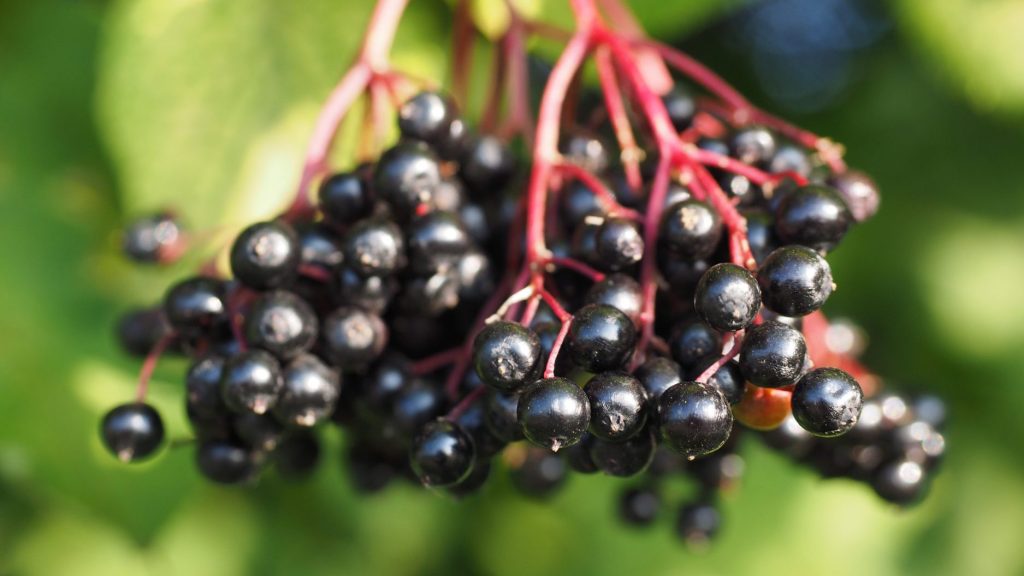
Why it’s valuable: Elderberry has strong antiviral properties, particularly against influenza. Research shows it reduces flu duration and severity.
How it works: Elderberries contain anthocyanins (purple pigments) that inhibit viral neuraminidase—an enzyme flu viruses use to spread from cell to cell. By blocking this enzyme, elderberry limits viral replication, reducing illness severity.
Uses:
- Flu prevention: Take daily during flu season
- Flu treatment: At first symptoms, to reduce severity and duration
- General immune support: Antioxidants support overall immune function
How to use:
- Syrup (traditional preparation): 1 tablespoon daily for prevention, 1 tablespoon every 3-4 hours during illness
- Tincture: 3-5ml three times daily
- Only use ripe berries: Dark purple/black berries only. Green berries are toxic (cause nausea, vomiting).
- Must be cooked: Raw elderberries contain compounds that cause digestive upset. Always cook before consuming.
Making Elderberry Syrup:
Ingredients:
- 1 cup dried elderberries (or 2 cups fresh)
- 4 cups water
- 1 cup raw honey (added after cooking)
- Optional: Cinnamon stick, ginger slices, cloves (enhance flavor and add warming properties)
Instructions:
- Combine elderberries, water, and spices in pot
- Bring to boil, reduce heat, simmer 30-40 minutes until liquid reduces by half
- Mash berries with potato masher
- Strain through cheesecloth, squeezing to extract all liquid
- Allow to cool until lukewarm (not hot—heat destroys honey’s beneficial enzymes)
- Stir in honey
- Store in glass jar in refrigerator (keeps 2-3 months)
Safety: Cooked berries are very safe. Never consume raw elderberries. Flowers are safe (see Spring/Summer guides). Safe for children over 1 year (never give honey to infants under 1).
NZ availability:
- Dried berries: Health food stores, bulk suppliers ($15-25/100g)
- Syrup (pre-made): Health food stores, pharmacies ($20-40)
- Fresh berries: Forage in autumn (March-May in most regions) or grow your own
- Plants available at some nurseries ($15-30)
Can’t Access Elderberries?
Elderberries aren’t widely cultivated in NZ and foraging requires knowledge. Alternatives:
- Blackberries: Not as potent but rich in antioxidants, free in most NZ regions (forage March-May)
- Rosehips: Extremely high in vitamin C, immune-supporting, forage from wild roses (April-June)
- Commercial elderberry syrup: If DIY isn’t possible, pre-made syrup ($20-40) lasts 2-3 months, cost-effective compared to getting sick
Ginger (Zingiber officinale)
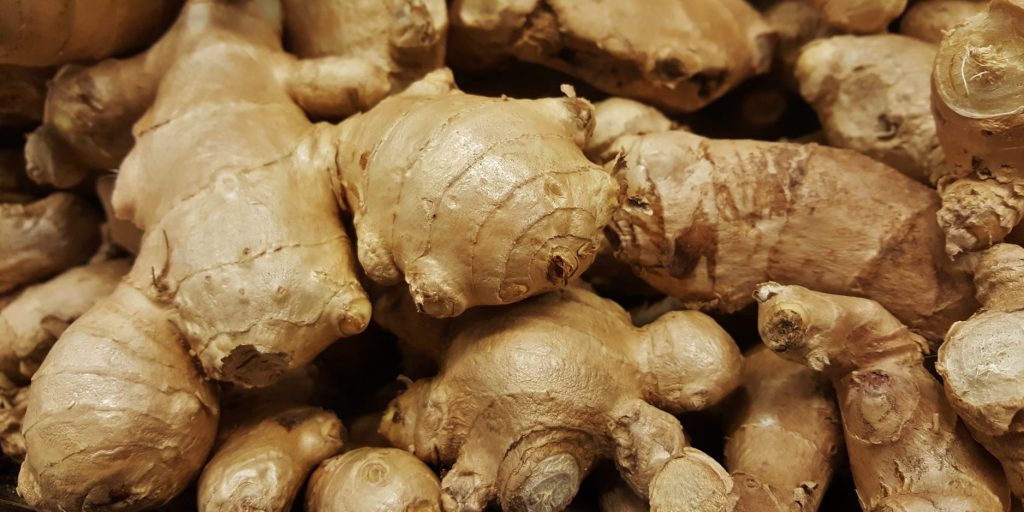
Why it’s valuable: Ginger is warming, anti-inflammatory, and supports circulation—perfect for autumn’s transition to cooler weather.
How it works: Gingerols and shogaols (ginger’s active compounds) have several actions: they reduce inflammation (helpful for sore throats, inflamed airways), improve circulation (brings warmth to extremities), and support immune function.
Uses:
- Sore throat: Anti-inflammatory, warming, soothing
- Nausea: If illness causes stomach upset
- Circulation: Warms cold hands and feet as weather cools
- General immune support: Anti-inflammatory effects reduce stress on immune system
How to use:
- Fresh ginger tea: Slice thumb-sized piece (15-20g), simmer in 2 cups water 10-15 minutes, add honey and lemon. Drink 2-3 cups daily.
- With other herbs: Combine with thyme, elderberry, lemon for respiratory support
- Culinary: Liberal use in cooking provides gentle daily support
Safety: Generally very safe. High doses (>4g dried ginger daily) may increase bleeding risk if taking anticoagulants. Moderate amounts (1-2g daily) safe during pregnancy for nausea.
Drug Interactions:
- Anticoagulants (warfarin, aspirin): High doses (>4g dried daily) may increase bleeding risk – culinary amounts safe
- Diabetes medications: May lower blood sugar – monitor levels if diabetic
NZ availability:
- Fresh root: All supermarkets ($3-6/100g)
- Dried powder: Spice aisle ($2-5/30-50g)
- Crystallised: Baking section ($5-8/150g)
Mānuka Honey (Leptospermum scoparium)

Why it’s valuable: Mānuka honey has unique antimicrobial properties beyond regular honey, making it particularly effective for throat infections and wound healing.
How it works: Mānuka honey contains methylglyoxal (MGO)—a compound that gives it significantly stronger antimicrobial activity than regular honey. It works through multiple mechanisms: creating an acidic environment hostile to bacteria, drawing moisture out of bacterial cells (osmotic effect), and the MGO directly damaging bacterial proteins. The hydrogen peroxide naturally present in honey adds additional antimicrobial action.
Traditional Use:
In rongoā Māori, mānuka has been used traditionally for various healing purposes. For traditional knowledge and cultural protocols, consult qualified rongoā practitioners through Te Paepae Motuhake, local marae, or Māori health providers.
Current Research:
Modern research confirms mānuka honey’s effectiveness against antibiotic-resistant bacteria including MRSA, making it valuable for:
- Sore throats: Coats and soothes while fighting infection
- Coughs: Reduces cough frequency and severity
- Wound healing: When illness causes mouth sores or cracked lips
How to use:
- For sore throat: 1 teaspoon straight from spoon, let coat throat, take 2-3 times daily
- In tea: Add to cooled (not hot) herbal tea to preserve enzymes
- Topical: Apply to minor cuts, cold sores, cracked lips
Understanding MGO ratings:
- MGO 100+: Everyday use, general wellness
- MGO 250+: Moderate therapeutic use, sore throats, minor wounds
- MGO 400+: Strong therapeutic use, active infections, resistant bacteria
- MGO 550+: Very strong, typically for external use or specific conditions
Higher MGO = stronger antimicrobial activity but also higher cost. For autumn immune support, MGO 100-250+ is usually sufficient.
Safety: Very safe. Not for infants under 1 year (botulism risk from any honey). Safe for diabetics in moderation (still contains sugar).
NZ availability:
- Supermarkets: Wide range of brands and MGO levels
- Health food stores: Premium grades
- Direct from producers: Often best value
- NZ brands (support Māori-owned producers when possible): Comvita, Manuka Health, Watson & Son, Arataki, many smaller Māori-owned brands
- Cost:
- MGO 100+: $15-30/250g
- MGO 250+: $30-50/250g
- MGO 400+: $40-80/250g
Cultural Note:
When purchasing mānuka honey, consider supporting Māori-owned producers. This honours the cultural connections to this taonga species and supports communities with traditional knowledge of mānuka.
Simple Herbal Formulas for Autumn
Immune Support Tea Blend
Ingredients:
- 2 parts dried elderberries
- 2 parts dried thyme
- 1 part grated dried ginger
- 1 part cinnamon chips
- Optional: Orange peel, rosehips
How to make:
Mix dried ingredients in jar. Use 1-2 teaspoons per cup, simmer 10 minutes, strain, add honey.
When to use:
- Preventively: 1-2 cups daily throughout autumn
- At first symptoms: 3-4 cups daily
Why it works: Combines antiviral (elderberry), antimicrobial (thyme), warming/anti-inflammatory (ginger, cinnamon), and vitamin C (rosehips, orange peel if added).
Fire Cider (Traditional Immune Tonic)
Fire cider is a traditional folk remedy—a spicy, warming vinegar infusion that supports immunity and circulation.
Ingredients:
- 1/2 cup dried elderberries
- 1/2 cup fresh grated ginger
- 1/4 cup fresh grated horseradish (optional, very strong)
- 1 onion, chopped
- 4-6 cloves garlic, crushed
- 1-2 chili peppers
- 1 lemon (zest and juice)
- Apple cider vinegar to cover
- Honey to taste (added after infusion)
Instructions:
- Place all ingredients except honey in quart jar
- Cover completely with apple cider vinegar
- Seal with plastic lid (vinegar corrodes metal) or wax paper under metal lid
- Shake daily
- After 4-6 weeks, strain through cheesecloth, squeezing well
- Add honey to taste (1:1 ratio is traditional)
- Store in refrigerator
Dosage: 1-2 tablespoons daily for prevention, up to 4-6 tablespoons daily when sick.
Why it works: Combines antimicrobial herbs (garlic, horseradish), immune support (elderberry, ginger), and warming circulation stimulants. Vinegar extracts and preserves compounds.
Autumn Lifestyle Support
Immune-Supporting Nutrition
Eat seasonally:
- Root vegetables: Carrots, kumara, beetroot (rich in beta-carotene, supports immune cell production)
- Dark leafy greens: Kale, silverbeet (vitamins A, C, K)
- Citrus: Oranges, mandarins (vitamin C—start appearing in autumn)
- Garlic and onions: Daily use provides antimicrobial support
Reduce immune stressors:
- Minimise refined sugar (suppresses white blood cell function for hours after consumption)
- Adequate protein (immune cells are made from protein)
- Healthy fats (omega-3s support immune regulation)
Prioritise Sleep
Why it matters: During sleep, your body produces and releases cytokines—proteins that target infection and inflammation. Sleep deprivation reduces these protective proteins.
Autumn sleep tips:
- Maintain regular sleep schedule despite shorter days
- Bedroom temperature: 16-18°C (cooler than summer)
- Consider herbal sleep support if needed (chamomile, lemon balm—see Summer guide)
Manage Stress
Chronic stress suppresses immune function by elevating cortisol, which dampens immune responses.
Autumn stress management:
- Acknowledge seasonal transitions (it’s normal to feel the shift)
- Maintain social connections (isolation increases vulnerability)
- Adaptogenic herbs if needed (ashwagandha, tulsi—support stress response)
Hygiene Basics
Simple practices make huge difference:
- Wash hands regularly (20+ seconds with soap)
- Avoid touching face (nose, eyes, mouth are entry points for viruses)
- Clean frequently-touched surfaces
- Stay home when sick (prevents spread)
When to Seek Professional Help
See a healthcare provider if:
- Fever above 38.5°C lasting more than 3 days
- Difficulty breathing, chest pain
- Persistent cough lasting more than 3 weeks
- Severe sore throat with difficulty swallowing
- Symptoms worsening despite home treatment
- Very young children, elderly, or immunocompromised individuals with any concerning symptoms
Herbs support health; they don’t replace appropriate medical care.
Growing Autumn Herbs in NZ
Herbs to plant in autumn for next year:
Echinacea:
- Plant seedlings or divide established plants in autumn
- Full sun, well-drained soil
- Perennial—returns year after year
- Cost: $5-10/seedling
Thyme:
- Plant anytime, but autumn planting establishes well over winter
- Full sun, poor to moderate soil (doesn’t need rich soil)
- Perennial, evergreen
- Cost: $5-8/plant
Elderberry:
- Plant bare-root or potted plants in autumn (dormant season)
- Sun to part shade, moist soil
- Large shrub/small tree (plan for size)
- Cost: $15-30/plant
Mānuka:
- Best planted in autumn or early spring
- Full sun, tolerates poor soil
- Native, supports biodiversity
- Cost: $10-25/plant
- Cultural Note: Consider sourcing from Māori nurseries when possible
Container Growing (Balcony/No Garden)
Don’t have garden space? Grow these in pots:
Thyme:
- Pot size: 20cm+ diameter, 20cm+ deep
- Soil: Cactus/succulent mix or regular potting mix + sand (1:1)
- Location: Full sun balcony or sunny windowsill
- Watering: Let dry between waterings (hates wet feet)
- Harvest: Year-round once established
- Cost: $5-8 plant + $10-15 pot/soil = $15-23 initial, years of harvest
Ginger:
- Pot size: 30cm+ wide, 25cm+ deep (spreads horizontally)
- Soil: Rich potting mix
- How to start: Plant fresh ginger root from supermarket (choose plump piece with “eyes”)
- Location: Part shade to full sun, warm spot
- Watering: Keep moist but not waterlogged
- Timeline: 8-10 months to harvest (plant autumn, harvest next summer)
- Cost: $3-6 for starter root + pot/soil
Even tiny spaces can grow powerful medicine.
Budget-Friendly Autumn Immune Support
If money is very tight, prioritise these:
- Garlic (raw): $0.50-2/bulb, lasts 1-2 weeks, potent immune support
- Ginger: $3-6/100g, makes 4-6 cups strong tea, warming and anti-inflammatory
- Thyme (grow your own): $5-8 one-time plant cost, provides years of harvest
- Honey (any type): Even non-mānuka honey is antimicrobial for sore throats ($5-10/jar)
- Onions: $2-5/kg, quercetin-rich, antimicrobial, use liberally in cooking
Free options:
- Foraged elderberries: Learn to identify (see Foraging guide), free seasonal harvest
- Foraged rosehips: From wild/escaped roses, vitamin C powerhouse
- Pine needle tea: From pine trees (NOT yew, which is toxic), vitamin C, respiratory support
This basic toolkit—garlic, ginger, honey, onions—costs under $20 and provides strong immune support for an entire season.
Where to Source Autumn Herbs in NZ
Dried herbs and tinctures:
- Online bulk suppliers
- Local health food stores
Fresh herbs:
- Farmers markets (seasonal availability)
- Grow your own (most cost-effective long-term)
Mānuka honey:
- Supermarkets, health food stores, specialty shops
- Look for UMF or MGO rating for therapeutic use
- Consider Māori-owned brands when possible
Typical costs:
- Echinacea tincture: $15-30/50-100ml
- Dried elderberries: $15-25/100g
- Dried thyme: $8-12/50g
- Fresh ginger: $3-6/100g
- Mānuka honey (MGO 100+): $15-30
- Mānuka honey (MGO 400+): $40-80
Summary: Your Autumn Herbal Toolkit
For immune prevention (start early):
- Echinacea tincture: 3ml daily, 3 weeks on/1 week off (or raw garlic daily if budget-constrained)
- Immune support tea: 2 cups daily
- Elderberry syrup: 1 tablespoon daily
For first sign of illness:
- Increase echinacea to 5ml three times daily (or increase garlic to 2-3 cloves daily)
- Hot thyme tea with honey: 3-4 cups daily
- Elderberry syrup: 1 tablespoon every 3-4 hours
- Ginger tea for warmth and inflammation
For respiratory symptoms:
- Thyme steam inhalation: 2-3 times daily
- Thyme tea: Throughout day
- Mānuka honey for sore throat: 1 teaspoon as needed
For general wellness:
- Continue cooling/calming herbs from summer as needed (lemon balm, chamomile)
- Add warming herbs (ginger, cinnamon)
- Focus on seasonal, nutrient-dense foods
- Prioritise sleep and stress management
Autumn in Aotearoa is beautiful—the leaves turn, the air crisps, and there’s a cozy quality to shorter days. With these herbal allies supporting your immune and respiratory systems, you can enjoy the season’s gifts while staying healthy and resilient.
References
Bone, K., & Mills, S. (2013). Principles and practice of phytotherapy: Modern herbal medicine (2nd ed.). Churchill Livingstone.
Kemmerich, B., Eberhardt, R., & Stammer, H. (2006). Efficacy and tolerability of a fluid extract combination of thyme herb and ivy leaves in adults suffering from acute bronchitis with productive cough. Arzneimittelforschung, 56(9), 652-660.
Zakay-Rones, Z., Thom, E., Wollan, T., & Wadstein, J. (2004). Randomized study of the efficacy and safety of oral elderberry extract in the treatment of influenza A and B virus infections. Journal of International Medical Research, 32(2), 132-140.
Wild Dispensary. 5 herbs for respiratory health that you need to know about. Retrieved from https://wilddispensary.co.nz/blogs/news/herbs-for-respiratory-health
CNM College of Naturopathic Medicine. (2023). 7 natural remedies for autumn immunity. Retrieved from https://www.naturopathy-uk.com/news/blog/2023/10/12/7-natural-remedies-for-autumn-immunity/
Disclaimer: This guide is for educational purposes only and is not medical advice. It does not represent rongoā Māori traditional knowledge or practice. For rongoā Māori knowledge and traditional seasonal protocols, consult qualified rongoā practitioners through Te Paepae Motuhake, local marae, or Māori health providers. Always consult qualified healthcare practitioners before using herbal remedies, especially if pregnant, nursing, taking medications, or having medical conditions. Seek immediate medical attention for severe respiratory symptoms, high fevers, or any concerning symptoms.
Note on Pricing: All prices mentioned in this guide are approximate and based on New Zealand suppliers as of December 2025. Prices vary by supplier, season, and market conditions. We recommend checking current prices with your local suppliers.
 The Public Herbarium