Understanding Immune Function, Respiratory Protection, and Seasonal Transition at the Molecular Level
This comprehensive guide explores the science behind autumn herbal medicine in New Zealand. We’ll examine immune system mechanisms, respiratory physiology, seasonal variations in human biology, and the detailed pharmacology of key herbs that support health during autumn’s transition.
Cultural Context and Scope
Rongoā Māori and Traditional Healing Systems
This guide addresses autumn herbal support from a Western scientific and evidence-based perspective. It is essential to acknowledge:
Rongoā Māori is a Complete Healing System:
Rongoā Māori (traditional Māori medicine) encompasses holistic seasonal practices, cultural protocols, and healing frameworks transmitted through generations. It integrates spiritual, physical, and communal dimensions that extend far beyond the biochemical mechanisms discussed in this guide.
This Guide’s Scope:
This document presents autumn herbal support through:
- Western scientific methodology (immunology, pharmacology, phytochemistry)
- Evidence-based research (clinical trials, mechanistic studies)
- Molecular and cellular biology frameworks
- Seasonal adaptation to New Zealand’s climate
This Guide Does NOT:
- Represent rongoā Māori traditional knowledge or seasonal practices
- Provide instruction on traditional Māori preparation methods or protocols
- Address spiritual, cultural, or communal dimensions of working with taonga species
- Replace or supersede traditional healing frameworks
For Rongoā Māori Knowledge:
Those seeking rongoā Māori knowledge and traditional seasonal practices should connect with:
- Te Paepae Motuhake (Rongoā Standards Authority): Regulatory body for rongoā Māori practice
- Local marae: Community connections to qualified rongoā practitioners
- Māori health providers: DHBs and community health organisations offering rongoā services
- Qualified rongoā practitioners: Practitioners with traditional training and cultural authority
Mānuka and Kawakawa as Taonga:
Mānuka (Leptospermum scoparium) and kawakawa (Piper excelsum, if discussed) are taonga (treasure) species with profound cultural significance in rongoā Māori. While this guide examines their phytochemistry and pharmacology from a Western scientific perspective, users should understand:
- These species hold cultural and spiritual importance beyond their biochemical constituents
- Traditional harvesting and use protocols exist within rongoā Māori frameworks
- Sustainable cultivation and support for Māori-owned producers honours cultural connections
- Scientific analysis represents ONE lens, not the only or primary way of understanding these plants
Complementary Approaches:
Western scientific knowledge and rongoā Māori can coexist respectfully when cultural boundaries are clear, cultural authority is honoured, and the primacy of Indigenous knowledge systems is recognised.
Table of Contents
- Seasonal Immunology: Why Autumn Challenges the Immune System
- Respiratory System Anatomy and Defence Mechanisms
- Immune System Components and Function
- Echinacea: Complete Pharmacological Profile
- Thyme: Antimicrobial and Respiratory Mechanisms
- Elderberry: Antiviral Science and Clinical Evidence
- Ginger: Anti-Inflammatory and Circulatory Pharmacology
- Mānuka: Unique Antimicrobial Chemistry
- Formulation Strategies for Autumn
- References
Seasonal Immunology: Why Autumn Challenges the Immune System
Photoperiod and Immune Function
Human immune systems evolved in response to seasonal environmental stressors. Recent research reveals sophisticated mechanisms by which our bodies anticipate and respond to seasonal changes.
Photoperiod as Primary Cue:
Photoperiod (day length) is the most reliable seasonal indicator, unchanged by weather variations. Humans detect photoperiod through:
- Retinal photoreceptors that measure light exposure
- Suprachiasmatic nucleus (SCN) in hypothalamus that processes this information
- Pineal gland that produces melatonin in response to darkness
Melatonin’s Immunomodulatory Role:
Melatonin is not merely a sleep hormone—it’s a powerful immune modulator:
- Stimulates cytokine production: Increases IL-2, IL-6, IL-12, interferon-γ (IFN-γ)
- Enhances immune cell activity: Natural killer cells, monocytes, lymphocytes
- Shifts T helper balance: Promotes Th1 responses (cell-mediated immunity)
- Seasonal variation: Longer autumn nights = increased melatonin duration
Research (Nelson et al., 1996) demonstrates that seasonal changes in melatonin duration prime immune function for winter challenges.
Why this matters for herbalists: Understanding photoperiod-driven immune changes explains why autumn herbal support should begin in March (as nights lengthen) rather than waiting for winter. Melatonin’s immune-priming effects mean we can work with seasonal biology by supporting the transition proactively.
Measured Seasonal Immune Variations
A large-scale study of 329,261 UK Biobank participants (Dopico et al., 2021) revealed significant seasonal patterns:
White Blood Cell Counts:
- Neutrophils: Higher in winter (July peak), lower in summer (January trough)
- Why: Neutrophils are first responders to bacterial infections, more common in winter
- Lymphocytes: Peak in spring (October), lowest in autumn (March)
- Why: Complex relationship with viral exposure patterns
- Monocytes: No significant seasonal pattern
Cytokine Production:
- Pro-inflammatory cytokines (TNF-α, IFN-γ): Peak in autumn
- Study of MS patients (Killestein et al., 2002) found maximum T-cell activation in autumn
- Pattern suggests: Immune system “ramps up” in autumn, anticipating winter challenges
Why Lymphocytes Drop in Autumn:
This seems paradoxical—why would lymphocytes (critical for adaptive immunity) decrease just before winter? Hypotheses:
- Redistribution: Lymphocytes may traffic from blood to lymphoid organs and tissues
- Energy conservation: Temporary reduction before winter buildup
- Immune remodelling: Shift from summer patterns to winter readiness
Clinical implication: Autumn is when immune support is most critical—we’re transitioning from summer patterns and not yet fully winter-adapted.
Temperature Fluctuations and Immune Stress
Autumn’s variable temperatures create unique stress:
Thermal Stress Response:
- Cold exposure: Activates sympathetic nervous system and HPA axis
- Cortisol release: Acute cold stress increases cortisol
- Short-term: Cortisol mobilises immune cells (beneficial)
- Chronic: Cortisol suppresses immune function (problematic)
- Repeated transitions: Moving between heated indoors and cool outdoors creates repeated stress cycles
Respiratory Tract Effects:
- Cold air inhalation: Reduces ciliary beat frequency (cilia move mucus slower)
- Vasoconstriction: Reduces blood flow to nasal mucosa, decreasing immune cell delivery
- Mucus viscosity: Cold temperatures increase mucus thickness, impairing clearance
Reduced Sunlight and Vitamin D
Vitamin D Synthesis:
- Requires UVB radiation (wavelength 290-315 nm)
- In New Zealand (latitudes 34°S-47°S):
- Summer: High UVB, efficient vitamin D synthesis
- Autumn/Winter: Lower sun angle, reduced UVB penetration
- March-April transition: Vitamin D levels begin declining
Vitamin D’s Immune Functions:
Vitamin D is crucial for immune health through multiple mechanisms:
- Innate Immunity Enhancement:
- Stimulates production of cathelicidin (antimicrobial peptide)
- Enhances macrophage and neutrophil function
- Improves pathogen clearance
- Adaptive Immunity Modulation:
- Promotes regulatory T cells (Tregs)
- Balances Th1/Th2 responses
- Reduces excessive inflammation
- Respiratory Protection:
- Vitamin D receptors (VDR) present throughout respiratory epithelium
- Deficiency associated with increased respiratory infections
Regional Autumn Variations in Aotearoa New Zealand
New Zealand’s climatic diversity creates distinct regional autumn experiences with different immunological challenges:
Northern NZ (Auckland, Northland, Bay of Plenty):
- Delayed autumn onset: March-April often warm (daily max 18-22°C), true cooling delayed until May
- High humidity: 75-85% year-round creates persistent moisture
- Immune implications:
- Prolonged mould exposure (respiratory irritation, allergic responses)
- Extended viral transmission season (warm, humid favours some viruses)
- Less dramatic vitamin D decline (higher latitude UV penetration)
- Herbal strategy emphasis: Antimicrobial support (thyme, mānuka) prioritised over warming herbs initially
Central NZ (Wellington, Taranaki):
- Wind exposure: Wellington’s persistent northwesterlies create unique stress
- Wind chill effect reduces effective temperature
- Dries respiratory mucosa (increases infection vulnerability)
- Highly variable weather: Dramatic day-to-day temperature swings (10°C+ fluctuations)
- Immune implications:
- Repeated thermal stress cycles (cortisol spikes, HPA axis activation)
- Respiratory tissue desiccation (impaired mucociliary clearance)
- Variable UV exposure (intermittent vitamin D synthesis)
- Herbal strategy emphasis: Demulcents for dried airways (marshmallow, mullein), adaptogens for stress response
Southern NZ (Canterbury, Otago, Southland):
- Early autumn onset: Cooling begins late February/March (frosts possible by late April)
- Dry continental climate: Central Otago particularly low humidity (30-50%)
- Pronounced diurnal variation: Large day-night temperature differences
- Immune implications:
- Early vitamin D decline (lower latitude, earlier sun angle decrease)
- Severe respiratory tissue desiccation (very dry air impairs mucus function)
- Rapid seasonal immune transition (less gradual adaptation period)
- Herbal strategy emphasis: Warming circulatory herbs earlier (ginger, cinnamon), strong focus on moistening/demulcent herbs
Coastal vs. Inland Considerations:
- Coastal: Moderated temperatures (maritime influence), higher humidity, salt aerosol exposure (may irritate sensitive airways)
- Inland: Greater temperature extremes, lower humidity (especially Central Otago), more pronounced seasonal transitions
Clinical Application:
Herbal prescribers should adjust formulation emphasis based on regional climate. Auckland practitioners might emphasise antimicrobial/antifungal support in persistently humid conditions, while Otago practitioners prioritise warming circulation and mucosal moistening for dry, cold exposures.
Research Evidence:
- Meta-analysis (Martineau et al., 2017) of 25 trials: Vitamin D supplementation reduced respiratory infections, especially in deficient individuals
- Effect strongest with daily/weekly dosing (not large bolus doses)
Practical implications: In NZ’s high-UV environment, vitamin D deficiency still occurs during autumn/winter. Herbal practitioners can’t replace vitamin D supplementation but should be aware that immune-supporting herbs work synergistically with adequate vitamin D status. Consider recommending vitamin D testing (25-hydroxyvitamin D levels) for clients with frequent infections.
Indoor Confinement and Viral Transmission
Why viral transmission increases in autumn/winter:
Not primarily about cold weakening immunity (though that plays a role), but rather:
- Indoor crowding: People gather indoors more as weather cools
- Reduced ventilation
- Higher virus concentration in air
- More contact with contaminated surfaces
- Humidity effects:
- Low indoor humidity (from heating): Respiratory droplets remain airborne longer
- Dry mucous membranes: Less effective at trapping pathogens
- Viral stability: Some viruses survive longer in low humidity
- Social behavior:
- School year begins (February in NZ) = children mixing = viral spread
- Less outdoor activity = more close contact indoors
Respiratory System Anatomy and Defense Mechanisms
Understanding respiratory anatomy helps explain why certain herbs work and where they act.
Upper Respiratory Tract
Nasal Passages:
Structure:
- Turbinates (bony projections) increase surface area
- Rich blood supply warms and humidifies air
- Mucus-producing goblet cells
- Ciliated epithelium
Defense Mechanisms:
- Mucus: Traps particles, viruses, bacteria
- Contains antimicrobial peptides (defensins, lysozyme)
- IgA antibodies (secreted by mucosal immune system)
- Cilia: Beat in coordinated waves, moving mucus toward throat (mucociliary escalator)
- Beat frequency: 10-15 Hz normally
- Impaired by: Cold air, dehydration, viral infection
- Nasal-associated lymphoid tissue (NALT): Immune surveillance
Throat (Pharynx):
Structure:
- Lined with stratified squamous epithelium (more durable than nasal epithelium)
- Tonsils and adenoids (lymphoid tissue)
- Mucus-producing glands
Defense Mechanisms:
- Tonsils: Sample antigens, initiate immune responses
- Mucus coating: Physical barrier, contains antimicrobials
- Cough reflex: Mechanical clearance of irritants
Larynx (Voice Box):
Structure:
- Vocal cords
- Epiglottis (prevents aspiration)
- Highly sensitive nerve endings
Defense:
- Cough reflex trigger: Protects lower airways
- Tight sphincter: Prevents entry of foreign material
Lower Respiratory Tract
Trachea and Bronchi:
Structure:
- Cartilaginous rings (keep airways open)
- Ciliated pseudostratified columnar epithelium
- Mucus-producing goblet cells
Defense:
- Mucociliary escalator continues
- Submucosal glands: Produce watery/viscous mucus balance
- Smooth muscle: Bronchoconstriction as protective response (but problematic in asthma)
Bronchioles and Alveoli:
Structure:
- Terminal bronchioles: Smallest airways, no cartilage
- Alveoli: 300 million tiny sacs, gas exchange site
- Extremely thin walls: 0.5 μm (allows gas diffusion)
Defense:
- Alveolar macrophages: Phagocytose particles that reach deep lung
- Surfactant: Contains antimicrobial proteins (SP-A, SP-D)
- Type II pneumocytes: Repair damaged alveolar epithelium
Mucus: Composition and Function
Mucus is complex, not just “slime”:
Components:
- Water (95%): Base liquid
- Mucins: Large glycoproteins that create gel-like consistency
- MUC5AC (secretory)
- MUC5B (gel-forming)
- Antimicrobial proteins:
- Lysozyme: Breaks down bacterial cell walls
- Lactoferrin: Binds iron (bacteria need iron to grow)
- Defensins: Antimicrobial peptides
- Immunoglobulins: Primarily secretory IgA
- Lipids: Create water-repellent surface layer
Function Variations:
- Normal mucus: Watery enough for cilia to move, sticky enough to trap particles
- Infected mucus: Increased mucin production, viscosity increases
- Color change (clear→yellow/green) from white blood cells and dead bacteria
- Dry environment: Mucus becomes thick, sticky, difficult to clear
Herbal Interactions with Mucus:
- Demulcents (mucilaginous herbs): Add hydration, protective coating
- Expectorants: Thin mucus, promote productive cough
- Antimicrobials: Work within mucus layer to reduce pathogen load
Immune System Components and Function
Innate Immunity: First Line of Defense
Innate immunity responds immediately (minutes to hours) but non-specifically.
Physical Barriers:
- Skin, mucous membranes, mucociliary escalator
- Constitutive (always present), not requiring activation
Cellular Components:
1. Neutrophils (50-70% of white blood cells):
- Lifespan: 6-8 hours in circulation, few days in tissues
- Function: Phagocytosis, release antimicrobial granules, form NETs (neutrophil extracellular traps)
- Recruitment: First cells to infection site (within hours)
- Peak: During acute bacterial infections
2. Macrophages:
- Derived from: Monocytes (circulate)→ macrophages (enter tissues)
- Lifespan: Months to years
- Functions:
- Phagocytosis: Engulf pathogens and dead cells
- Antigen presentation: Process and present antigens to T cells (link innate→adaptive)
- Cytokine production: IIL-1, IL-6, TNF-α (pro-inflammatory), IL-10 (anti-inflammatory)
- Plasticity: M1 (pro-inflammatory) ↔ M2 (tissue repair) phenotypes
3. Natural Killer (NK) Cells:
- Function: Kill virus-infected cells and tumor cells
- Mechanism: Detect “missing self” (reduced MHC-I on infected/tumor cells)
- Cytotoxicity: Release perforin and granzymes (create pores, induce apoptosis)
- IFN-γ production: Activates macrophages, promotes Th1 responses
4. Dendritic Cells:
- “Sentinels”: Stationed in tissues (skin, respiratory mucosa)
- Function: Sample antigens, migrate to lymph nodes, activate T cells
- Bridge: Innate immunity → adaptive immunity
Soluble Components:
Complement System:
- 30+ proteins that activate in cascade
- Functions: Opsonisation (mark for destruction), chemotaxis (recruit cells), direct lysis
- Pathways: Classical (antibody-activated), alternative (spontaneous), lectin (pathogen carbohydrates)
Cytokines:
Cytokines are small signaling proteins (5-25 kDa) that mediate immune responses:
Pro-inflammatory:
- IL-1: Fever induction, activates endothelium, T cell activation
- IL-6: Acute phase protein production, fever, B cell maturation
- TNF-α: Endothelial activation, fever, shock (in excess)
- IL-12: Promotes Th1 differentiation, NK cell activation
Anti-inflammatory:
- IL-10: Suppresses inflammatory cytokines, promotes Treg differentiation
- TGF-β: Regulatory functions, tissue repair
Antiviral:
- Type I Interferons (IFN-α/β): Induce antiviral state in nearby cells
- IFN-γ (Type II): Macrophage activation, Th1 response promotion
Adaptive Immunity: Specific and Memory-Based
Adaptive immunity develops over days but provides specific, long-lasting protection.
T Lymphocytes:
CD4+ T Helper Cells:
Th1 subset:
- Cytokines: IFN-γ, IL-2, TNF-β
- Function: Cell-mediated immunity (intracellular pathogens—viruses, some bacteria)
- Activates: Macrophages, cytotoxic T cells
- Inhibits: Th2 responses (cross-regulation)
Th2 subset:
- Cytokines: IL-4, IL-5, IL-13
- Function: Humoral immunity (antibody production)
- Helps: B cells produce antibodies
- Associated with: Allergic responses (when overactive)
Regulatory T cells (Tregs):
- Markers: CD4+CD25+Foxp3+
- Cytokines: IL-10, TGF-β
- Function: Prevent autoimmunity, regulate inflammation intensity
- Critical for: Maintaining tolerance to self-antigens
CD8+ Cytotoxic T Cells:
- Function: Kill virus-infected cells, tumor cells
- Mechanism: Recognise antigen+MHC-I, release perforin/granzymes
- Memory: Long-lived memory CTLs provide rapid recall response
B Lymphocytes:
Function: Antibody production
Antibody Classes:
- IgA: Mucosal immunity (respiratory, gut)—secretory IgA neutralises pathogens
- IgG: Most abundant, provides systemic immunity, crosses placenta
- IgM: First antibody produced in response to infection
- IgE: Allergic responses, parasite defense
B Cell Activation:
- Antigen recognition via B cell receptor (BCR)
- T helper cell assistance (CD40L-CD40 interaction)
- Proliferation → Plasma cells (antibody factories) + Memory B cells
Cytokine Networks: Complex Communication
Cytokines create intricate regulatory networks:
Positive Feedback Loops:
- IL-12(from dendritic cells) → IFN-γ (from NK cells/T cells) → More IL-12 (amplification)
Negative Feedback:
- IL-10 suppresses IL-12, TNF-α, IL-1 production
- Prevents excessive inflammation
Cross-Regulation:
- Th1 cytokines (IFN-γ) suppress Th2 differentiation
- Th2 cytokines (IL-4) suppress Th1 differentiation
- Maintains balance
Autumn Relevance:
Research shows pro-inflammatory cytokine production peaks in autumn (Killestein et al., 2002). This may represent:
- Immune system preparation for winter viral challenges
- Increased baseline immune activation
- Opportunity: Herbs that modulate (not suppress) inflammatory response can optimise this transition
Echinacea: Complete Pharmacological Profile
Botanical and Chemical Background
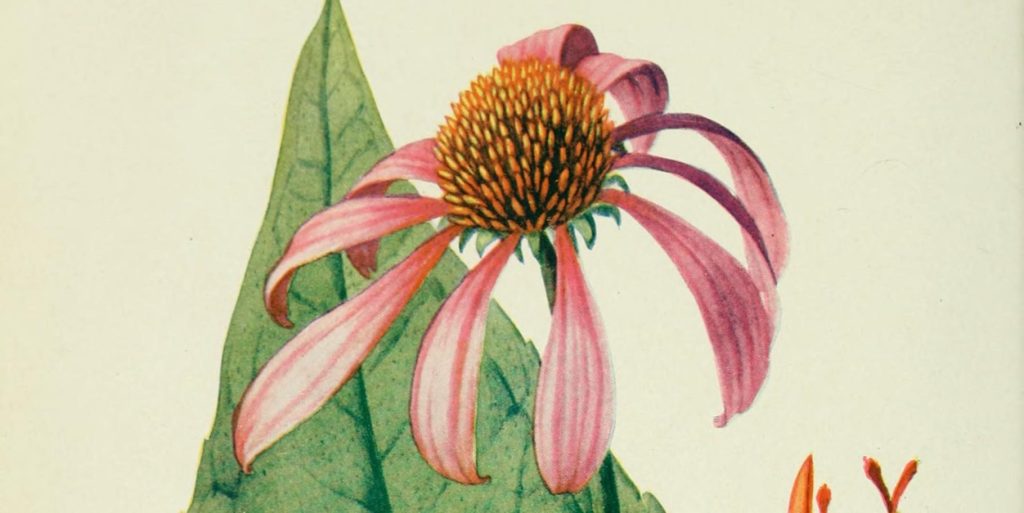
Species Used Medicinally:
- Echinacea purpurea (purple coneflower): Most researched
- Echinacea angustifolia (narrow-leaf): Higher alkamide content
- Echinacea pallida (pale): Highest in some polysaccharides
Plant Part Determines Chemistry:
- Roots: Higher alkamide concentrations
- Aerial parts: Higher cichoric acid (caffeic acid derivative)
- Whole plant extracts: Balanced profile
Key Phytochemical Classes
1. Alkamides (Alkylamides):
Chemistry:
- Lipophilic (fat-soluble) compounds
- Isobutylamide derivatives with varying carbon chain lengths and unsaturation
- Primary alkamides:
- Dodeca-2E,4E,8Z,10E/Z-tetraenoic acid isobutylamide
- Dodeca-2E,4E-dienoic acid isobutylamide
Pharmacology:
- Bioavailability: Rapidly absorbed from GI tract (lipophilic)
- Peak plasma concentration: 30 minutes after oral intake
- Half-life: 2-4 hours
- Distribution: Cross blood-brain barrier (important for cannabinoid receptor binding)
2. Caffeic Acid Derivatives:
Primary compound: Cichoric acid (chicoric acid)
- Ester of caffeic acid and tartaric acid
- Hydrophilic (water-soluble)
- Highest in E. purpurea aerial parts
Other caffeic derivatives:
- Echinacoside (E. angustifolia, E. pallida)
- Chlorogenic acid
- Cynarin
3. Polysaccharides:
Structure:
- High molecular weight (10,000-100,000 Da)
- Complex carbohydrate chains
- Water-soluble
Types:
- Arabinogalactans
- Arabinoxylans
- Heteroglycans
Mechanisms of Immune Modulation
Alkamide-Mediated Effects:
1. Cannabinoid Receptor Binding:
Alkamides bind CB2 receptors (cannabinoid receptor type 2):
- Location: Immune cells (macrophages, T cells, B cells, NK cells)
- Effect: Modulates immune cell activity
- NOT psychoactive: CB2 (immune) ≠ CB1 (CNS, psychoactive effects)
Downstream signaling:
- Activates NF-κB (nuclear factor kappa B) pathway
- Increases cAMP (cyclic adenosine monophosphate)
- Activates MAPK (mitogen-activated protein kinase) pathways
- Result: Altered cytokine gene expression
2. Cytokine Production Modulation:
Research shows alkamides:
- Increase: TNF-α, IL-1β, IL-6 (pro-inflammatory—early infection response)
- Context-dependent: Can suppress excessive inflammation
- Biphasic: Low-moderate inflammation→stimulate; high inflammation→modulate down
3. Phagocytosis Enhancement:
Multiple studies demonstrate:
- Increased macrophage phagocytic activity (40-60% increase in some studies)
- Enhanced neutrophil chemotaxis (migration to infection site)
- Improved pathogen clearance
4. Natural Killer Cell Activation:
Alkamides release NK cells from PGE2-mediated inhibition:
- PGE2 (prostaglandin E2) normally suppresses NK activity
- Alkamides inhibit COX-2 enzyme → Reduced PGE2 production
- Result: Enhanced NK cytotoxicity (killing virus-infected cells)
Polysaccharide-Mediated Effects:
1. Complement Activation:
Arabinogalactan-proteins activate complement through:
- Alternative pathway: Direct activation
- Classical pathway: Via antibody binding
- Result: Enhanced opsonisation, pathogen lysis, immune cell recruitment
2. Macrophage Stimulation:
Polysaccharides bind to macrophage surface receptors:
- Toll-like receptors (TLRs): Pattern recognition receptors
- Dectin-1: β-glucan receptor
- Triggering: Cytokine production, phagocytosis, antigen presentation
3. T Cell Proliferation:
Studies show increased T cell numbers after echinacea:
- Particularly CD4+ T helper cells
- Enhanced antibody response to antigens (adaptive immunity support)
Caffeic Acid Derivative Effects:
1. Antiviral Activity:
Cichoric acid inhibits:
- Viral integrase: Prevents viral DNA integration (studied in HIV model)
- Hyaluronidase: Enzyme viruses use to penetrate tissues
- Direct virucidal: Some activity against enveloped viruses
2. Antioxidant Activity:
Phenolic structure provides free radical scavenging:
- Neutralises reactive oxygen species (ROS)
- Protects immune cells from oxidative damage during respiratory burst
3. Anti-inflammatory:
Inhibits 5-lipoxygenase (5-LOX):
- Reduces leukotriene production
- Leukotrienes promote inflammation and bronchoconstriction
Clinical Evidence
Cold Duration and Severity:
Meta-analysis (Shah et al., 2007):
- 14 studies, 1,356 participants
- Preventive use: 58% reduction in cold incidence
- Treatment use: 1.4 day reduction in duration
- Significant heterogeneity: Different preparations, dosages
Individual RCTs:
- Positive results more consistent with:
- Root extracts (higher alkamides)
- Early initiation (first 24 hours of symptoms)
- Adequate dosing (equivalent to ≥900mg dried root daily)
White Blood Cell Response:
Goel et al. (2005) study:
- Echinacea during common cold
- Results:
- Sustained increase in total WBC
- Increased neutrophils, monocytes, NK cells
- Correlated with symptom reduction
Safety:
Extensive safety data:
- Short-term use (≤8 weeks): Very safe
- Adverse events: Rare, typically mild (GI upset, rash)
- Herb-drug interactions: Minimal (theoretical CYP450 enzyme effects, not clinically significant)
Practical Formulation Considerations
Preparation Type Matters:
Fresh plant tinctures:
- Advantages: Capture alkamides before degradation
- Standardisation: Difficult (alkamide content varies)
- Taste: Characteristic tingling on tongue (alkamides activate TRPV1 receptors)
Dried root extracts:
- Advantages: Stable, standardisable
- Active compounds: Both alkamides and polysaccharides
- Preferred for: Evidence-based use
Juice/pressed juice:
- From: Fresh aerial parts
- High in: Cichoric acid
- Stabilsation: Requires ethanol preservation
Dosing Strategies:
Prevention:
- 300-500mg standardised extract 3x daily
- 2-3 weeks on, 1 week off pattern
- Rationale: Prevent tolerance, maintain responsiveness
Acute treatment:
- Loading dose: 1-2g equivalent first day
- Maintenance: 500-1000mg 3x daily
- Duration: Until symptoms resolve + 2-3 days
Thyme: Antimicrobial and Respiratory Mechanisms
Phytochemistry
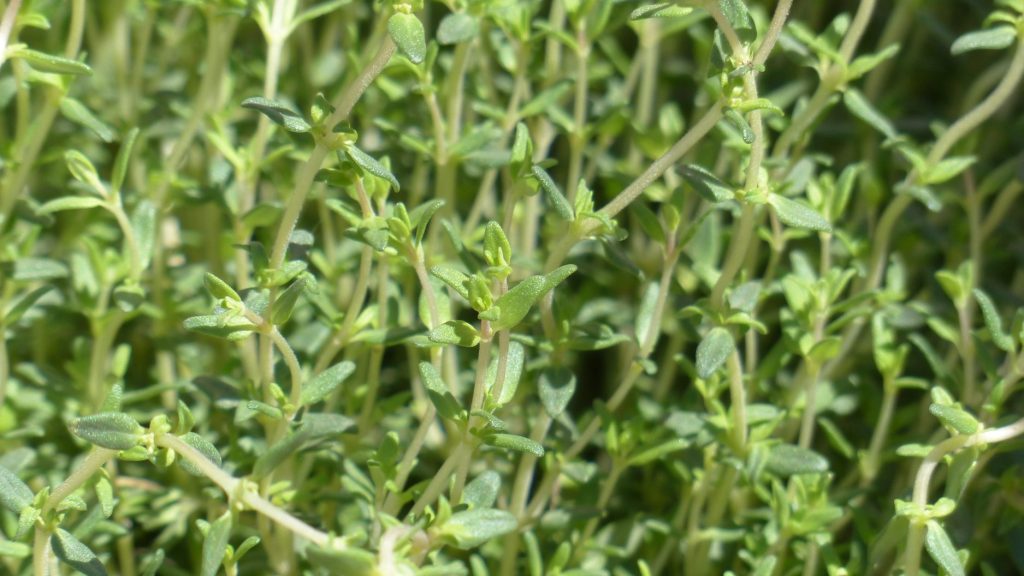
Essential Oil Composition (1-2.5% of dried plant):
Major components:
- Thymol (30-60%): Phenolic monoterpene
- Carvacrol (3-15%): Isomer of thymol
- p-Cymene (10-25%): Monoterpene precursor
- γ-Terpinene (5-10%): Monoterpene
Minor components:
- Linalool
- 1,8-Cineole
- Borneol
Variation: Chemotypes exist with different oil profiles (thymol-type most common)
Non-volatile Constituents:
- Flavonoids: Apigenin, luteolin, naringenin
- Phenolic acids: Rosmarinic acid, caffeic acid
- Triterpenes: Ursolic acid, oleanolic acid
Antimicrobial Mechanisms
Antibacterial Activity:
Mechanism 1: Membrane Disruption
Thymol and carvacrol are hydrophobic and interact with bacterial cell membranes:
- Integration into lipid bilayer: Phenolic OH groups orient toward polar head groups
- Membrane disruption: Increases fluidity and permeability
- Ion leakage: K+, H+ leak out (disrupts electrochemical gradient)
- ATP depletion: Compromised membrane potential → reduced ATP synthesis
- Cell death: Loss of membrane integrity, metabolic failure
Spectrum:
- Gram-positive bacteria: More susceptible (thicker peptidoglycan but simpler membrane)
- Staphylococcus aureus, Streptococcus pneumoniae
- Gram-negative bacteria: Resistant outer membrane but still susceptible
- Haemophilus influenzae, Klebsiella pneumoniae
Mechanism 2: Protein Denaturation
Phenolic compounds precipitate proteins:
- Disrupts enzyme function
- Interferes with cellular metabolism
Antifungal Activity:
Similar membrane disruption mechanism:
- Effective against Candida albicans, Aspergillus species
- Inhibits ergosterol synthesis (fungal membrane sterol)
Antiviral Activity:
Less studied but demonstrated:
- Inhibits viral attachment to host cells
- Interferes with viral replication
Respiratory System Effects
Antispasmodic Mechanism:
Smooth Muscle Relaxation:
Thymol affects smooth muscle through multiple pathways:
- Calcium channel blockade:
- Thymol blocks voltage-gated L-type Ca²⁺ channels
- Prevents calcium influx into smooth muscle cells
- No calcium → no muscle contraction
- Cyclic nucleotide modulation:
- Increases cAMP levels
- cAMP activates protein kinase A (PKA)
- PKA phosphorylates myosin light chain kinase (inactivates it)
- Result: Smooth muscle relaxation
Clinical Relevance:
- Reduces bronchospasm
- Eases coughing fits
- Particularly effective for dry, spasmodic coughs
Expectorant Activity:
Mechanism:
- Stimulates glandular secretions:
- Increases mucus volume (makes mucus less viscous)
- Easier for cilia to move
- Mucociliary clearance:
- May enhance ciliary beat frequency
- Promotes productive cough (clears mucus)
Stages of Cough:
- Dry, irritating cough: Thyme provides antispasmodic relief
- Transition to productive: Thyme assists mucus clearance
- Result: Dual-action throughout cough progression
Anti-inflammatory Effects
COX-2 and 5-LOX Inhibition:
Thymol and carvacrol inhibit:
- COX-2 (cyclooxygenase-2): Reduces prostaglandin production
- 5-LOX (5-lipoxygenase): Reduces leukotriene production
Both are inflammatory mediators:
- Prostaglandins: Pain, fever, vasodilation
- Leukotrienes: Bronchoconstriction, increased vascular permeability
NF-κB Pathway Suppression:
NF-κB is master regulator of inflammatory genes:
- Thyme components reduce NF-κB activation
- Decreases expression of inflammatory cytokines (IL-1β, IL-6, TNF-α)
Respiratory Inflammation:
- Reduces airway inflammation
- Decreases mucus hypersecretion
- Protects airway epithelium
Clinical Evidence
Acute Bronchitis:
Kemmerich et al. (2006) RCT:
- 361 patients with acute bronchitis
- Treatment: Thyme + ivy extract vs. placebo
- Results:
- 50% faster reduction in coughing fits
- Improved quality of life scores
- Well-tolerated
Chronic Bronchitis and COPD:
Multiple studies show:
- Reduced cough frequency
- Improved sputum expectoration
- Synergistic with conventional bronchodilators
Safety:
- Oral consumption: Very safe as culinary herb and tea
- Essential oil: Can be irritating if used undiluted
- Pregnancy: Culinary amounts safe; avoid medicinal doses in first trimester
- Children: Safe over 2 years (adjust dose)
Elderberry: Antiviral Science and Clinical Evidence
Phytochemistry
Anthocyanins (Primary Active Compounds):
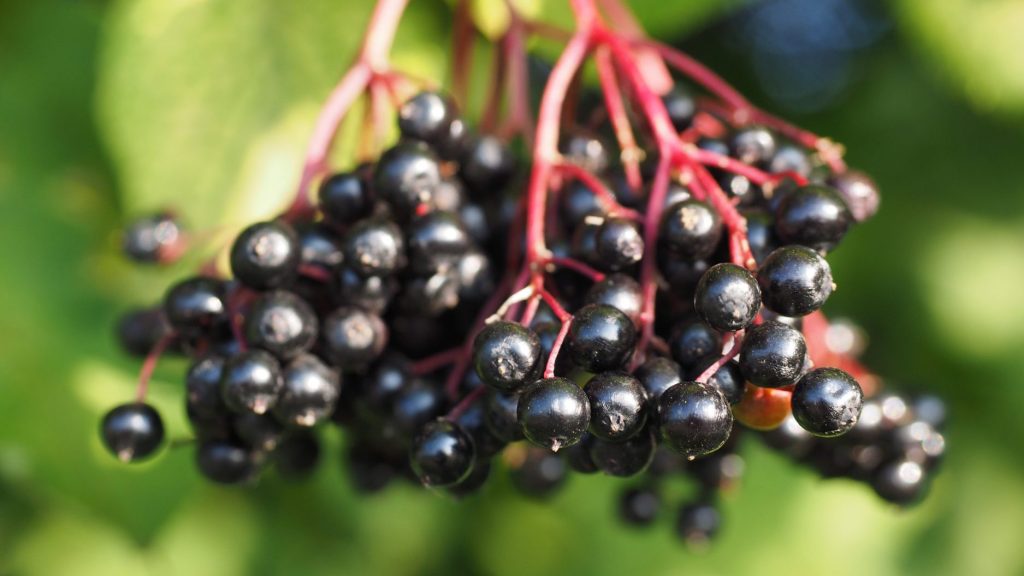
Anthocyanins are water-soluble flavonoid pigments responsible for dark purple color:
Major anthocyanins in elderberry:
- Cyanidin-3-glucoside (C3G): Predominant (40-50% of total anthocyanins)
- Cyanidin-3-sambubioside: Unique to elder (sambubioside = glucopyranose + xylopyranose)
- Cyanidin-3-sambubioside-5-glucoside
- Cyanidin-3,5-diglucoside
Total anthocyanin content: 300-1,000 mg/100g fresh berries (varies with cultivar, ripeness)
Other Flavonoids:
- Quercetin and its glycosides
- Rutin
- Kaempferol
Phenolic Acids:
- Chlorogenic acid
- Caffeic acid derivatives
Why Cooking is Essential:
Raw elderberries contain:
- Sambunigrin: Cyanogenic glycoside (releases cyanide when metabolised)
- Lectin: Plant protein that causes GI upset
Heat denatures/destroys:
- Lectin (protein denatured at 70-80°C)
- Partially degrades sambunigrin
- Result: Cooked berries safe; raw berries cause nausea, vomiting
Antiviral Mechanisms
Neuraminidase Inhibition:
Influenza viruses use neuraminidase enzyme to:
- Cleave sialic acid residues on host cells
- Release newly formed virions from infected cells
- Allow viral spread to nearby cells
Elderberry anthocyanins:
- Bind to neuraminidase active site
- Competitive inhibition (similar to oseltamivir/Tamiflu mechanism)
- Result: Viral particles remain attached to infected cell, can’t spread efficiently
In vitro studies:
- Effective against influenza A (H1N1, H3N2, H5N1)
- Effective against influenza B
- IC50 values comparable to some pharmaceutical antivirals
Hemagglutinin Binding:
Hemagglutinin is the viral protein that binds to host cells:
- Elderberry compounds may interfere with hemagglutinin-sialic acid binding
- Prevents viral entry into cells
Direct Virucidal Activity:
Some studies show direct virus inactivation:
- Damages viral envelope (enveloped viruses like influenza are susceptible)
- Disrupts viral protein structure
Immune System Enhancement:
Cytokine Modulation:
Elderberry increases:
- IL-6, IL-8: Early pro-inflammatory response (recruit immune cells)
- IL-1β: Fever induction, immune activation
- TNF-α: Antiviral state induction
Nuance: Not just “immune stimulation”—appropriate, balanced response
Effect varies by context:
- Healthy immune system: Moderate enhancement
- During infection: Stronger activation when needed
- Does NOT cause cytokine storm: Regulatory mechanisms remain intact
Clinical Evidence
Influenza Treatment:
Zakay-Rones et al. (2004) RCT:
- 60 patients with influenza A or B
- Treatment: Elderberry extract (15ml 4x daily) vs. placebo
- Results:
- Symptom relief 4 days earlier (average)
- Reduced duration: 3-4 days vs. 7-8 days
- Higher antibody titers (better immune response)
Tiralongo et al. (2016) RCT:
- 312 economy class air travelers (long-haul flights)
- Preventive: Elderberry vs. placebo
- Results:
- No difference in cold incidence
- Significant: Reduced duration (4.75 vs. 6.88 days) if cold occurred
- Reduced severity of symptoms
Common Cold:
Multiple studies show:
- Modest reduction in symptom duration
- May reduce severity
- Less consistent than influenza results
Why influenza > common cold results?
- Elderberry’s neuraminidase inhibition specifically targets influenza
- Common colds (200+ different viruses) less uniform target
Safety:
- Cooked berries/syrup: Very safe
- Raw berries: Toxic—cause vomiting, diarrhea
- Flowers: Safe (different chemistry, no cyanogenic glycosides)
- Pregnancy/lactation: Cooked forms considered safe (traditional food use)
- Drug interactions: None known
Formulation Science
Syrup Preparation Preserves Anthocyanins:
Stability factors:
- pH: Anthocyanins most stable in acidic conditions (pH 3-4)
- This is why recipes include lemon or use honey (acidic)
- Temperature: Prolonged high heat degrades anthocyanins
- Optimisation: Simmer, don’t boil; 30-40 minutes sufficient
- Light: Degrades anthocyanins
- Store in dark glass bottles
Sugar/Honey as Preservative:
- High osmotic pressure inhibits microbial growth
- Honey adds antimicrobial properties (hydrogen peroxide, low pH)
Alcohol Tinctures:
- Extract anthocyanins efficiently
- Longer shelf life (3-5 years)
- Alcohol denatures sambunigrin (safety benefit)
Ginger: Anti-Inflammatory and Circulatory Pharmacology
Phytochemistry
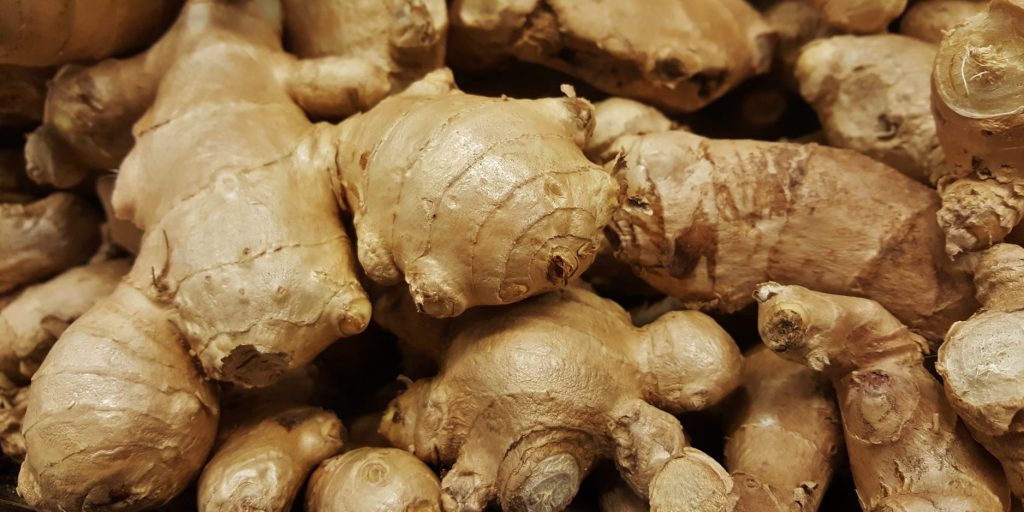
Gingerols (Fresh Ginger):
Structure: [6]-gingerol most abundant
- Phenolic compound with aliphatic side chain
- Responsible for pungency
- Content: 0.3-3% fresh rhizome
Shogaols (Dried/Heated Ginger):
Formed when gingerols are dehydrated:
- [6]-shogaol (from [6]-gingerol)
- More pungent and potent than gingerols
- Higher in dried ginger, crystallised ginger
Paradols:
Further transformation products:
- Formed during cooking
- Anti-inflammatory effects
Other Components:
- Zingiberene: Sesquiterpene (aromatic)
- Bisabolene: Sesquiterpene
- Essential oils (1-3%): Contribute to aroma
Anti-Inflammatory Mechanisms
COX-2 and 5-LOX Dual Inhibition:
Gingerols and shogaols inhibit both pathways:
COX-2 Inhibition:
- Prevents conversion of arachidonic acid → prostaglandins
- Result: Reduced pain, fever, inflammation
- Mechanism: Binds COX-2 active site (competitive inhibition)
5-LOX Inhibition:
- Prevents conversion of arachidonic acid → leukotrienes
- Result: Reduced inflammation, less bronchoconstriction
- Mechanism: Direct enzyme inhibition + reduced enzyme expression
Comparison to NSAIDs:
- NSAIDs typically inhibit only COX (both COX-1 and COX-2)
- Ginger inhibits COX-2 preferentially (like celecoxib) PLUS 5-LOX
- Advantage: Broader anti-inflammatory action, less GI side effects
NF-κB Suppression:
Ginger components suppress NF-κB activation:
- Prevents translocation to nucleus
- Reduces expression of inflammatory genes
- Downstream: Less IL-1β, IL-6, TNF-α production
MAPK Pathway Modulation:
Mitogen-activated protein kinases regulate inflammation:
- Ginger inhibits p38 MAPK, JNK pathways
- Result: Reduced inflammatory mediator production
Respiratory and Immune Effects
Bronchodilation:
Limited direct evidence, but mechanisms suggest:
- Anti-inflammatory effects reduce airway inflammation
- May have mild smooth muscle relaxant properties
- Warming sensation from TRPV1 activation (capsaicin-like)
Immune Modulation:
Macrophage Activity:
- Enhances phagocytosis
- Modulates cytokine production (context-dependent)
T Cell Effects:
- May promote Th1 responses (beneficial for viral infections)
- Balances excessive Th2 (allergic) responses
Circulatory Effects
Peripheral Vasodilation:
Mechanism:
- Gingerols activate TRPV1 receptors (vanilloid receptor)
- Triggers release of CGRP (calcigrp-gene-related peptide)
- CGRP causes vasodilation
- Result: Increased blood flow to extremities, warming sensation
Practical Effect:
- Warms cold hands and feet
- Improves tissue perfusion
- May enhance immune cell delivery to tissues
Antiplatelet Activity:
Ginger inhibits platelet aggregation:
- Thromboxane synthesis inhibition
- Similar mechanism to aspirin (but weaker)
- Clinical relevance: Caution with anticoagulants at high doses
Clinical Evidence
Nausea and Vomiting:
Pregnant women (morning sickness):
- Meta-analysis (Viljoen et al., 2014): 12 RCTs, 1,278 women
- Results: Ginger more effective than placebo
- Dose: 1g daily (divided doses)
- Safety: No increased adverse pregnancy outcomes
Post-operative nausea:
- Multiple studies show reduced incidence
- Comparable to metoclopramide in some trials
Chemotherapy-induced nausea:
- Adjunct to antiemetic medications
- Modest additional benefit
Osteoarthritis:
RCTs show:
- Modest pain reduction
- Improved function
- Comparable to ibuprofen in some studies
- Works over weeks (not immediate like NSAIDs)
Mechanisms likely:
- COX/LOX inhibition reduces joint inflammation
- Antioxidant effects protect cartilage
Safety Considerations
Generally Very Safe:
- Thousands of years of culinary use
- Low toxicity
Specific Cautions:
Anticoagulant Interactions:
- High doses (>4g dried ginger daily) may increase bleeding risk
- Mechanism: Antiplatelet effects
- Management: Culinary amounts safe; discuss higher doses with doctor if on warfarin, aspirin, etc.
Pregnancy:
- Low-moderate doses (1-2g/day): Safe, effective for nausea
- High doses: Theoretical concern (insufficient data)
- Consensus: Use lowest effective dose
Gallstones:
- Ginger increases bile production
- Theoretical: Could trigger gallstone movement (painful)
- Evidence: Weak; mostly theoretical concern
Surgery:
- Discontinue high doses 1-2 weeks before surgery (bleeding concern)
Mānuka: Unique Antimicrobial Chemistry

Phytochemistry of Mānuka Honey
Unique Features of Mānuka Honey:
All honey has antimicrobial properties from:
- Hydrogen peroxide: Produced by glucose oxidase enzyme
- Low pH: ~3.9 (acidic)
- Low water activity: High sugar concentration (osmotic pressure)
Mānuka adds: Non-peroxide antibacterial activity
Methylglyoxal (MGO):
Formation:
- Mānuka nectar contains high dihydroxyacetone (DHA)
- DHA spontaneously converts to MGO during honey storage
- MGO content increases over time (months to years)
Structure:
- Small dicarbonyl molecule
- Highly reactive
Antimicrobial Mechanism:
- Protein modification: Reacts with arginine, lysine residues in bacterial proteins
- DNA/RNA damage: Crosslinks nucleic acids
- Metabolic disruption: Inactivates bacterial enzymes
- Biofilm disruption: Penetrates and disrupts biofilms (important for chronic infections)
UMF and MGO Rating Systems:
UMF (Unique Mānuka Factor):
- Measures total non-peroxide activity
- Scale: 5+ to 25+ (higher = stronger)
- Includes MGO plus other compounds
MGO Rating:
- Direct measurement of methylglyoxal content (mg/kg)
- MGO 100+ = 100mg/kg methylglyoxal
- More precise than UMF
Equivalence:
- UMF 10+ ≈ MGO 263+
- UMF 15+ ≈ MGO 514+
- UMF 20+ ≈ MGO 829+
Other Bioactive Compounds:
- Leptosperin: Marker compound (confirms mānuka authenticity)
- Flavonoids: Quercetin, pinobanksin, pinocembrin
- Phenolic acids: Caffeic, p-coumaric
- Bee peptides: Antimicrobial peptides from bee saliva
Antimicrobial Activity
Spectrum:
Effective against:
- Gram-positive bacteria: S. aureus (including MRSA), Streptococcus species
- Gram-negative bacteria: E. coli, H. pylori (stomach ulcer bacteria)
- Fungi: Candida species
- Biofilms: Disrupts established biofilm communities
Mechanism Details:
MRSA (Methicillin-Resistant S. aureus):
Clinical studies show mānuka honey:
- Prevents MRSA growth at concentrations of 5-10% (v/v)
- Disrupts biofilm formation
- Synergy: Enhances effectiveness of some antibiotics when used together
Wound Healing:
Beyond antimicrobial effects:
- Debriding action: Osmotic pressure draws out debris, dead tissue
- Moist environment: Optimal for healing
- Anti-inflammatory: Reduces inflammatory markers
- Tissue regeneration: Stimulates fibroblast proliferation, angiogenesis
Mānuka Leaves and Essential Oil
Traditional Rongoā Uses:
Leaves traditionally used for:
- Respiratory infections (steam inhalation, tea)
- Skin conditions (poultices, infused oils)
- Digestive complaints (tea)
Chemical Composition:
Essential Oil Components:
- Triketones: Unique to Leptospermum genus
- Leptospermone
- Isoleptospermone
- Flavesone
- Monoterpenes: α-Pinene, β-pinene, 1,8-cineole
- Sesquiterpenes: β-Caryophyllene, aromadendrene
Antimicrobial Activity of Oil:
- Effective against respiratory pathogens
- Antifungal (skin conditions)
- Anti-inflammatory
Safety:
Honey:
- Safe for most people
- Never give to infants <12 months: Risk of botulism (spores can germinate in immature GI tract)
Essential oil:
- Topical: Generally safe when diluted
- Internal: Not recommended without professional guidance
- Pregnancy/lactation: Avoid essential oil use
Formulation Strategies for Autumn
Synergy Principles
Definition: Synergy occurs when combined herbs produce effects greater than the sum of individual effects.
Mechanisms:
- Pharmacokinetic synergy:
- One herb enhances absorption of another
- One herb slows elimination (extends duration)
- Pharmacodynamic synergy:
- Herbs act on different points in same pathway
- Complementary mechanisms (e.g., antimicrobial + immune stimulant)
- Multi-target synergy:
- Different herbs address different aspects of condition
Autumn-Optimised Formulas
Formula 1: Preventive Immune Tonic
Goal: Build immune resilience throughout autumn
Components:
- Echinacea root (30%): Immune stimulation
- Astragalus root (25%): Immune modulation, adaptogenic
- Elderberry (20%): Antiviral preparation
- Ginger (15%): Anti-inflammatory, circulatory
- Licorice root (10%): Immune support, harmonising, sweet flavor
Rationale:
- Echinacea: Activates innate immunity (neutrophils, macrophages, NK cells)
- Astragalus: Supports adaptive immunity, less stimulating than echinacea (allows continuous use)
- Elderberry: Specific antiviral protection
- Ginger: Systemic anti-inflammatory support
- Licorice: Modulates cortisol (adrenal support), sweet taste improves compliance
Preparation: Decoction (roots need simmering)
- Simmer echinacea, astragalus, ginger, licorice 15-20 minutes
- Remove from heat, add elderberry, steep 10 minutes covered
- Strain
Dosing: 1-2 cups daily, 5 days on/2 days off
Duration: Throughout autumn (March-May in NZ)
Formula 2: Acute Respiratory Support
Goal: Address active respiratory infection
Components:
- Thyme (35%): Antimicrobial, antispasmodic
- Elderberry (25%): Antiviral
- Echinacea (20%): Immune activation
- Ginger (10%): Anti-inflammatory, warming
- Mānuka honey (added after preparation): Antimicrobial, soothing
Rationale:
- Thyme: Direct antimicrobial to respiratory tract, calms cough
- Elderberry: Inhibits viral replication
- Echinacea: Boosts WBC response
- Ginger: Reduces inflammation, warms circulation
- Mānuka honey: Coats throat, provides additional antimicrobial action
Preparation: Hot infusion (preserve volatile oils)
- Pour boiling water over herbs
- Steep covered 10-15 minutes
- Strain, add 1 teaspoon mānuka honey per cup (when cooled to drinking temperature)
Dosing: 3-4 cups daily during acute illness
Duration: Until symptoms resolve + 2-3 days
Formula 3: Throat-Specific Relief
Goal: Soothe inflamed throat, fight local infection
Components:
- Sage (30%): Astringent, antimicrobial, anti-inflammatory
- Thyme (25%): Antimicrobial
- Marshmallow root (20%): Demulcent (mucilage soothes)
- Licorice root (15%): Demulcent, anti-inflammatory
- Ginger (10%): Circulation, anti-inflammatory
Rationale:
- Sage: Tightens inflamed tissues (astringent tannins), kills bacteria
- Thyme: Antimicrobial essential oils
- Marshmallow/Licorice: Mucilage creates protective coating over irritated throat
- Ginger: Brings circulation to area (supports healing)
Preparation: Combination method
- Cold infusion marshmallow root overnight (preserves mucilage)
- Morning: Simmer ginger, licorice 10 minutes
- Add sage, thyme; steep covered 10 minutes
- Strain, combine with marshmallow cold infusion
Usage: Gargle + swallow, every 2-4 hours
References
Dopico, X. C., Evangelou, M., Ferreira, R. C., et al. (2021). Seasonal and daytime variation in multiple immune parameters in humans: Evidence from 329,261 participants of the UK Biobank cohort. iScience, 24(3), 102255. https://doi.org/10.1016/j.isci.2021.102255
Goel, V., Lovlin, R., Chang, C., Slama, J. V., Barton, R., Gahler, R., et al. (2005). A proprietary extract from the echinacea plant (Echinacea purpurea) enhances systemic immune response during a common cold. Phytotherapy Research, 19(8), 689-694.
Kemmerich, B., Eberhardt, R., & Stammer, H. (2006). Efficacy and tolerability of a fluid extract combination of thyme herb and ivy leaves in adults suffering from acute bronchitis with productive cough: A prospective, double-blind, placebo-controlled clinical trial. Arzneimittelforschung, 56(9), 652-660.
Killestein, J., Hoogervorst, E. L. J., Reif, M., et al. (2002). Seasonal variation in immune measurements and MRI markers of disease activity in MS. Neurology, 58(7), 1077-1080.
Martineau, A. R., Jolliffe, D. A., Hooper, R. L., et al. (2017). Vitamin D supplementation to prevent acute respiratory tract infections: Systematic review and meta-analysis of individual participant data. BMJ, 356, i6583.
Manayi, A., Vazirian, M., & Saeidnia, S. (2015). Echinacea purpurea: Pharmacology, phytochemistry and analysis methods. Pharmacognosy Reviews, 9(17), 63-72.
Nelson, R. J., Demas, G. E., Klein, S. L., & Kriegsfeld, L. J. (1996). Seasonal patterns of stress, immune function, and disease. Cambridge University Press.
Shah, S. A., Sander, S., White, C. M., Rinaldi, M., & Coleman, C. I. (2007). Evaluation of echinacea for the prevention and treatment of the common cold: A meta-analysis. The Lancet Infectious Diseases, 7(7), 473-480.
Tiralongo, E., Wee, S. S., & Lea, R. A. (2016). Elderberry supplementation reduces cold duration and symptoms in air-travellers: A randomized, double-blind placebo-controlled clinical trial. Nutrients, 8(4), 182.
Viljoen, E., Visser, J., Koen, N., & Musekiwa, A. (2014). A systematic review and meta-analysis of the effect and safety of ginger in the treatment of pregnancy-associated nausea and vomiting. Nutrition Journal, 13(1), 20.
Zakay-Rones, Z., Thom, E., Wollan, T., & Wadstein, J. (2004). Randomized study of the efficacy and safety of oral elderberry extract in the treatment of influenza A and B virus infections. Journal of International Medical Research, 32(2), 132-140.
Ahmadi, F., et al. (2024). Phytochemistry, mechanisms, and preclinical studies of echinacea extracts in modulating immune responses to bacterial and viral infections: A comprehensive review. Antibiotics, 13(10), 947.
Bone, K., & Mills, S. (2013). Principles and practice of phytotherapy: Modern herbal medicine (2nd ed.). Churchill Livingstone.
Disclaimer: This guide is for educational purposes only and is not medical advice. It does not represent rongoā Māori traditional knowledge or practice. For rongoā Māori knowledge and traditional seasonal protocols for taonga species like mānuka, consult qualified rongoā practitioners through Te Paepae Motuhake, local marae, or Māori health providers. Always consult qualified healthcare practitioners before using herbal remedies, especially if pregnant, nursing, taking medications, or having medical conditions. Seek immediate medical attention for severe respiratory symptoms, high fevers, or concerning symptoms. Herbs support health but do not replace appropriate medical care., taking medications, or having medical conditions. Seek immediate medical attention for severe respiratory symptoms, high fevers, or concerning symptoms. Herbs support health but do not replace appropriate medical care.
Note on Pricing: All prices mentioned in this guide are approximate and based on New Zealand suppliers as of December 2025. Prices vary by supplier, season, and market conditions. We recommend checking current prices with your local suppliers.
 The Public Herbarium