Cultural Context: This guide uses Western herbalism traditions. Rongoā Māori has its own frameworks for pain management—consult Te Paepae Motuhake for traditional knowledge.
Why This Matters: Natural pain relief without NSAID side effects, addresses inflammation at root, sustainable long-term use, accessible topical/internal herbs in NZ, holistic approach (pain = inflammation signal).
Understanding Pain and Inflammation
What Causes Aches and Pains?
Inflammation is your body’s natural response to injury, overuse, or irritation. When you strain a muscle, work in the garden all day, or sit at a desk in poor posture, your body releases chemical messengers that create:
- Swelling: Fluid accumulates in the tissue
- Redness and warmth: Increased blood flow to the area
- Pain: Nerve endings become more sensitive
Why it matters: Understanding this helps you choose the right herbs. Some herbs reduce inflammation (the underlying cause), while others block pain signals or improve circulation to help healing.
Types of Pain This Guide Addresses
Muscle aches:
- From exercise, gardening, physical work
- Tension from stress or poor posture
- General soreness
Joint discomfort:
- Stiffness in the morning
- Aching knees, hips, shoulders from use
- General joint soreness (not severe arthritis—see doctor for that)
General body aches:
- Feeling achy when tired or stressed
- Mild headaches from tension
- General discomfort
Your Herbal Toolkit for Pain Relief
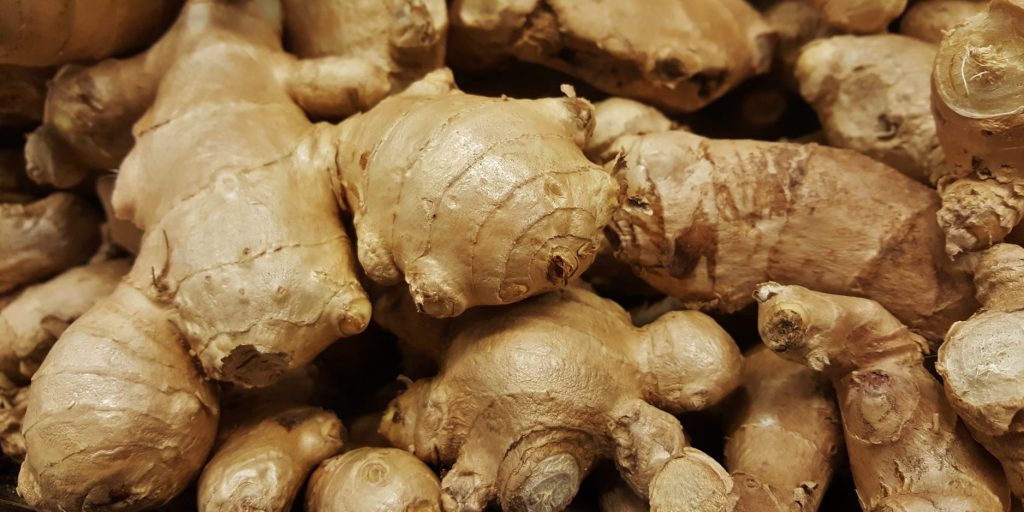
1. Ginger (Zingiber officinale) – The Internal Anti-Inflammatory
Why it works:
Ginger contains powerful compounds called gingerols and shogaols (more concentrated in dried ginger) that work in your body similarly to common over-the-counter pain relievers, but through natural pathways.
The science made simple:
- Your body makes chemicals called prostaglandins that create pain and inflammation
- Ginger blocks the enzymes (COX-2 and 5-LOX) that make these prostaglandins
- Less prostaglandins = less pain and inflammation
What it’s good for:
- Muscle soreness (especially from exercise)
- Joint stiffness
- General inflammatory aches
- Headaches
How to use:
Fresh Ginger Tea (Strongest):
- Slice a thumb-sized piece of fresh ginger (about 3-5cm)
- Simmer in 500ml water for 10-15 minutes
- Strain, add honey if desired
- Drink 1-2 cups daily
In food:
- Add liberally to stir-fries, soups, curries
- Grate fresh ginger into smoothies
- Make ginger honey: grate ginger, mix with honey, take 1 teaspoon as needed
Dosing: 2-4 grams dried ginger daily (equivalent to about 10-15g fresh)
Cost (NZ): Fresh ginger $3-6/100g; dried/powdered $5-10/100g
Safety: Very safe for most people. May cause mild heartburn if sensitive. Use caution with blood thinners (ginger has mild anti-clotting effects, discuss with doctor if on warfarin).
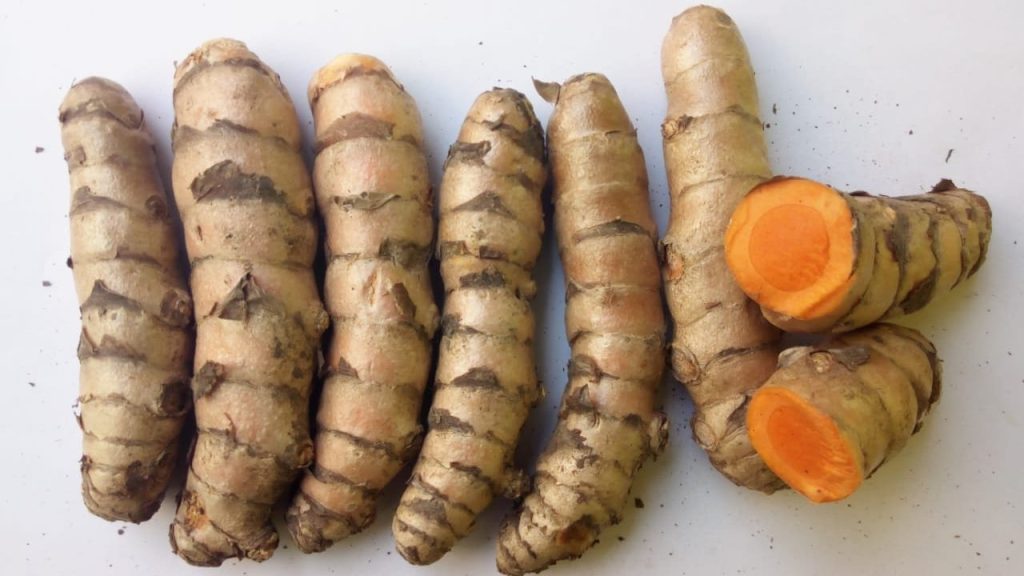
2. Turmeric (Curcuma longa) – The Golden Anti-Inflammatory
Why it works:
Turmeric contains curcumin, one of nature’s most powerful anti-inflammatory compounds. Research shows it can be as effective as some over-the-counter pain relievers for certain types of pain.
The science made simple:
- Curcumin blocks multiple inflammatory pathways in your body
- It stops the “master switch” (NF-κB) that turns on inflammation genes
- It reduces pro-inflammatory chemicals (cytokines) in your joints and muscles
What it’s good for:
- Joint stiffness and pain
- Muscle soreness
- General inflammatory aches
- Long-term inflammation issues
How to use:
CRITICAL: Turmeric is poorly absorbed on its own. Always combine with:
- Black pepper: Contains piperine which increases absorption by 2000%
- Fat: Turmeric is fat-soluble (use with coconut oil, milk, or food with fat)
Golden Milk (Traditional Recipe):
- Heat 1 cup milk (dairy or plant-based)
- Add 1 teaspoon turmeric powder
- Add 1/4 teaspoon black pepper
- Add pinch of cinnamon (optional—adds warmth)
- Sweeten with honey
- Drink daily, preferably before bed (anti-inflammatory effect builds over time)
In food:
- Add to curries, rice, soups
- Make turmeric paste: Mix powder with black pepper and oil, store in fridge, add to meals
Dosing: 1-3 grams daily (about 1/2-1 teaspoon powder)
Cost (NZ): Turmeric powder $3-8/100g; quality matters (bright orange = high curcumin)
Safety: Very safe. May cause stomach upset in very high doses. May increase bleeding risk in high amounts (caution with blood thinners). Avoid high doses during pregnancy.
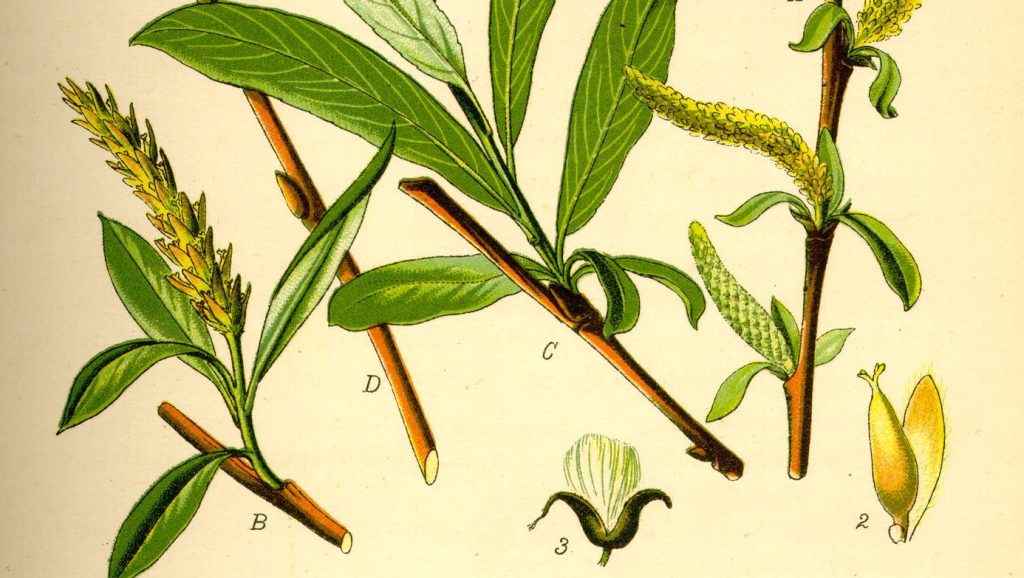
3. Willow Bark (Salix alba) – Nature’s Aspirin
Why it works:
Willow bark contains salicin, which your liver converts into salicylic acid, the natural version of aspirin. This has been used for pain relief for thousands of years.
The science made simple:
- Salicin becomes salicylic acid in your body
- This blocks prostaglandin production (like aspirin does)
- Provides pain relief and reduces inflammation
What it’s good for:
- Headaches
- Muscle and joint pain
- Lower back pain
- General aches
How to use:
Tea/Decoction:
- Simmer 1-2 teaspoons dried bark in 2 cups water for 15 minutes
- Strain
- Drink 1-2 cups daily as needed
Tincture: 2-4ml, 3 times daily (follow product instructions)
Powder/Capsules: 60-120mg salicin per dose (standardized products)
Important timing: Takes 1-2 hours to work (slower than aspirin but lasts longer)
Cost (NZ): Dried bark $15-25/100g; tinctures $20-35/50ml
Safety:
- DO NOT use if: allergic to aspirin, have peptic ulcers, bleeding disorders
- DO NOT give to children (risk of Reye’s syndrome)
- Caution with blood thinners
- Avoid during pregnancy/nursing
- Gentler on stomach than aspirin but still use caution
4. Rosemary (Rosmarinus officinalis) – The Circulation Stimulant

Why it works:
Rosemary brings blood flow to sore, stiff muscles. Better circulation means more oxygen and nutrients for healing, and faster removal of inflammatory waste products.
The science made simple:
- Contains rosmarinic acid (anti-inflammatory and antioxidant)
- Essential oils (like 1,8-cineole) improve circulation
- Warming effect on muscles
What it’s good for:
- Cold, stiff muscles
- Poor circulation aches
- Tension in shoulders and neck
- Morning stiffness
How to use:
Warming Compress:
- Make very strong rosemary tea (handful of fresh or 3 tablespoons dried in 2 cups water)
- Simmer 15 minutes
- Soak a clean cloth in hot (not scalding) tea
- Apply to sore area for 15-20 minutes
- Reheat and reapply as needed
Massage Oil:
- Make rosemary-infused oil: Fill jar with fresh rosemary, cover with olive oil, leave 2-4 weeks in cool dark place
- Strain
- Massage into sore muscles
Or: Add 5-10 drops rosemary essential oil to 2 tablespoons carrier oil (almond, coconut)
Bath Soak:
- Add strong rosemary tea to warm bath
- Or: 10-15 drops essential oil in bath
- Soak for 20 minutes
Cost (NZ): Fresh rosemary $3-5/bunch (or grow your own—very easy); dried $8-12/50g; essential oil $10-20
Safety: Very safe topically and as tea. Avoid high doses during pregnancy. Easy to grow in NZ—full sun, well-drained soil.
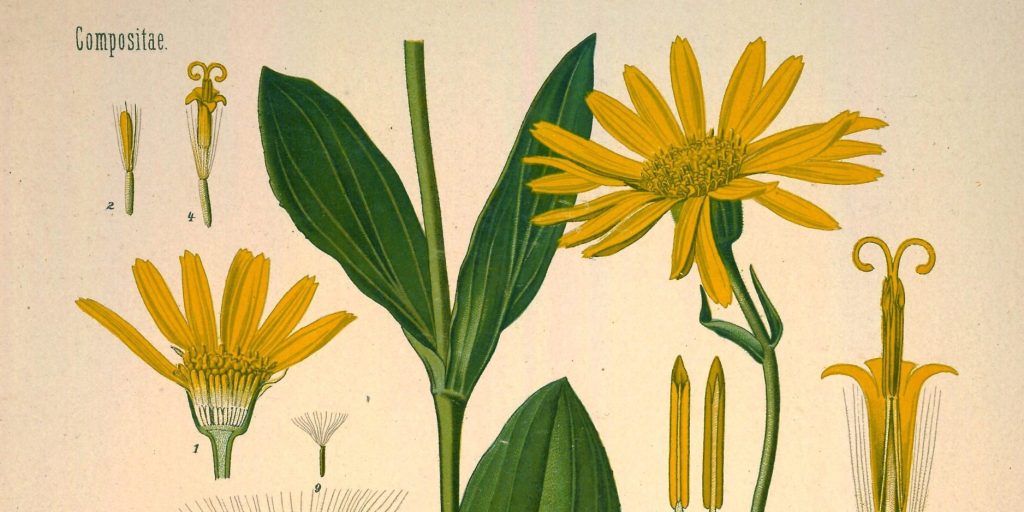
5. Arnica (Arnica montana) – The Bruise and Swelling Specialist
Why it works:
Arnica contains helenalin and other compounds that reduce inflammation and swelling, especially from bruises, bumps, and overworked muscles.
The science made simple:
- Helenalin blocks NF-κB (the inflammation “master switch”)
- Reduces swelling and bruising
- Provides local pain relief
What it’s good for:
- Bruises and bumps
- Muscle soreness (especially after unusual activity)
- Swelling from minor injuries
- Post-workout achiness
How to use:
CRITICAL: EXTERNAL USE ONLY on UNBROKEN SKIN
Arnica Gel or Cream (Buy ready-made):
- Apply thin layer to sore area
- Massage gently
- Use 2-4 times daily
- Never apply to cuts, scrapes, or broken skin
Arnica Oil:
- Make infused oil (like rosemary method) OR buy ready-made
- Apply to unbroken skin only
Cost (NZ): Arnica cream/gel $12-25; essential oil/tincture for making products $15-30
Safety:
- NEVER take internally (toxic if swallowed)
- NEVER apply to broken skin, cuts, wounds
- May cause skin irritation in some people (do patch test)
- Generally very safe when used correctly
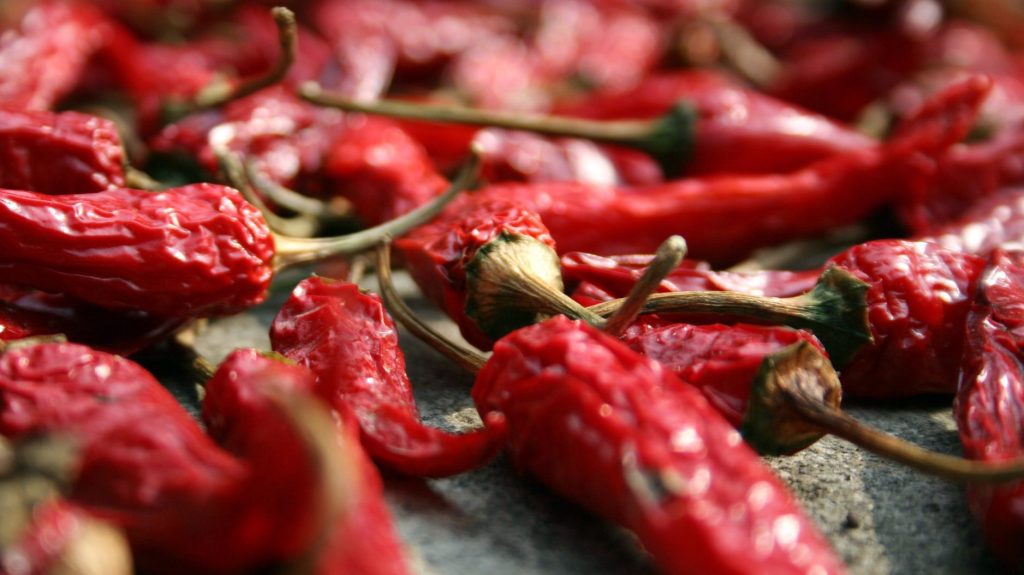
6. Cayenne Pepper (Capsicum annuum) – The Pain Signal Blocker
Why it works:
Cayenne contains capsaicin, which creates a warming sensation and actually depletes Substance P—a chemical that sends pain signals to your brain. Less Substance P = less pain perception.
The science made simple:
- Capsaicin activates pain receptors initially (warming/burning sensation)
- Repeated use depletes Substance P in those nerves
- Over time, pain signals from that area reduce
What it’s good for:
- Arthritis pain
- Muscle aches
- Nerve pain
- Chronic pain conditions
How to use:
CRITICAL: EXTERNAL USE ONLY
Cayenne Infused Oil:
- Add small pinch (1/8 teaspoon) cayenne powder to 100ml olive or coconut oil
- Let infuse for 3-7 days
- Strain through cheesecloth
- Mix small amount into unscented lotion or use as massage oil
- Start with very small amounts (it’s potent!)
Store-bought capsaicin creams: Follow product instructions
Application:
- Apply very thin layer to affected area
- WASH HANDS THOROUGHLY after application
- Avoid eyes, face, mucous membranes
- May cause burning sensation (this is normal, should reduce over time)
Cost (NZ): Cayenne powder $3-6 (cooking section); capsaicin creams $10-20
Safety:
- NEVER apply to broken skin
- Always do patch test first (small area, wait 24 hours)
- Can cause skin irritation, burning
- NEVER near eyes, nose, mouth, genitals
- Wash hands thoroughly after use
- Not suitable for everyone—start very cautiously
Simple Pain Relief Preparations
All-Purpose Muscle Rub
Ingredients:
- 50ml arnica-infused oil (or buy ready-made)
- 25ml rosemary-infused oil
- 5-10 drops lavender essential oil (optional—calming)
- 2 tablespoons beeswax (to thicken into salve)
Method:
- Heat oils and beeswax together gently (double boiler or microwave in short bursts)
- Stir until beeswax melts completely
- Remove from heat, add essential oils if using
- Pour into small jars
- Let cool and solidify
Use: Massage into sore muscles as needed
Shelf life: 6-12 months in cool, dark place
Anti-Inflammatory Golden Paste
Ingredients:
- 1/2 cup turmeric powder
- 1 cup water
- 1/3 cup coconut oil
- 2-3 teaspoons black pepper
Method:
- Mix turmeric and water in small pot
- Stir over low heat 7-10 minutes until thick paste forms
- Remove from heat
- Add coconut oil and black pepper
- Stir well
- Store in glass jar in refrigerator
Use:
- 1/4-1/2 teaspoon, 1-3 times daily
- Mix into warm milk, smoothies, or food
- Lasts 2 weeks refrigerated
Warming Pain Relief Tea
Ingredients (dried herbs):
- 2 parts ginger root
- 1 part turmeric root (or powder)
- 1 part cinnamon bark
- 1/2 part black pepper (yes, in tea!)
- Optional: licorice root for sweetness
Method:
- Mix dried herbs, store in jar
- Use 2 teaspoons per cup
- Simmer roots/spices 10-15 minutes
- Strain
- Add honey
Dosing: 2-3 cups daily during pain/inflammation
Lifestyle Support for Pain Relief
Movement Matters
Gentle movement helps pain:
- Improves circulation (brings healing nutrients, removes inflammation)
- Prevents stiffness
- Releases natural endorphins (your body’s own pain relievers)
Good options:
- Walking (even 10 minutes helps)
- Gentle stretching
- Swimming or water exercise (reduces joint stress)
- Yoga or tai chi
Avoid: Complete rest unless injured—movement is usually better than staying still
Heat and Cold
Heat (for muscle aches, stiffness):
- Improves blood flow
- Relaxes tight muscles
- Use: Warm (not hot) compress, heating pad, warm bath with herbs
- Apply: 15-20 minutes at a time
Cold (for acute injuries, swelling):
- Reduces inflammation and swelling
- Numbs pain
- Use: Ice pack wrapped in cloth
- Apply: 15 minutes at a time
Alternating heat and cold: Can be very effective for some pain
Stress Management
Stress increases pain perception:
- Tightens muscles (especially neck, shoulders, jaw)
- Increases inflammatory chemicals
- Lowers pain threshold
Stress-reducing herbs:
- Chamomile tea
- Lavender (tea, bath, aromatherapy)
- Lemon balm
- Passionflower
Other stress reducers:
- Deep breathing
- Adequate sleep (7-9 hours)
- Time in nature
- Enjoyable activities
Combining Approaches
Best results often come from multiple strategies:
For general aches:
- Internal: Turmeric golden milk daily
- External: Rosemary compress or arnica gel
- Lifestyle: Gentle movement, stress management
For muscle soreness after activity:
- Internal: Ginger tea 2-3 times daily
- External: Muscle rub or warm bath with rosemary
- Lifestyle: Gentle stretching, adequate rest
For joint stiffness:
- Internal: Golden paste with ginger tea
- External: Warming compress
- Lifestyle: Regular gentle movement (walking, swimming)
For stress-related tension:
- Internal: Chamomile or lavender tea
- External: Lavender bath or massage with calming oils
- Lifestyle: Relaxation practices, good sleep
When to See a Healthcare Provider
Seek professional help if:
Red flag symptoms:
- Severe, unbearable pain
- Pain after significant injury
- Fever with pain (may indicate infection)
- Rapid swelling, redness, or warmth
- Pain with numbness, tingling, weakness
- Chest pain or difficulty breathing
- Pain that wakes you from sleep
- Significant joint swelling
Persistent issues:
- Pain lasting more than 2 weeks despite self-care
- Pain that’s getting worse
- Pain significantly interfering with daily life
- Unexplained weight loss with pain
Special situations:
- Children with persistent pain
- Pregnant women
- If taking multiple medications (check interactions)
Remember: Herbs support healing, but persistent or severe pain needs professional evaluation to rule out serious conditions.
Where to Source Herbs in NZ
Fresh herbs:
- Supermarkets: Ginger, turmeric (fresh), rosemary
- Greengrocers: Ginger, turmeric
- Farmers markets: Fresh herbs, often better prices
Dried herbs:
- Lotus Oils NZ (online, Auckland)
- Cottage Hill Herbs (online)
- Herbshop NZ (online)
- Health food stores nationwide
- Bin Inn (bulk stores)
Prepared products (creams, oils, tinctures):
- Health food stores
- Pharmacies (arnica products)
- Online retailers
Typical costs:
- Fresh ginger: $3-6/100g
- Fresh turmeric: $6-12/100g
- Dried ginger: $5-10/100g
- Turmeric powder: $3-8/100g
- Willow bark: $15-25/100g
- Rosemary (fresh): $3-5/bunch
- Arnica cream: $12-25
- Essential oils: $10-25 each
Growing your own:
- Rosemary: Extremely easy in NZ—full sun, well-drained soil
- Saves money long-term
- Fresh herbs are most potent
Summary: Your Pain Relief Action Plan
For immediate relief:
- Assess the pain type (muscle ache, joint stiffness, inflammation)
- Choose 1-2 appropriate herbs
- Use both internal (tea, food) and external (compress, rub) methods
- Apply heat or cold as appropriate
- Try gentle movement
For ongoing support:
- Build in anti-inflammatory foods daily (ginger, turmeric in cooking)
- Keep herbal muscle rub on hand
- Make warming tea blend for regular use
- Address lifestyle factors (stress, movement, sleep)
- Monitor pain levels—seek help if not improving
Remember:
- Pain is your body’s signal—listen to it
- Herbs work best as part of a holistic approach
- Give remedies time to work (days to weeks for chronic issues)
- Natural doesn’t always mean safer—follow safety guidelines
- When in doubt, consult a healthcare provider
These simple, accessible herbs can provide meaningful relief for everyday aches and pains, helping you feel more comfortable while your body heals naturally.
References
Srivastava, K. C., & Mustafa, T. (1992). Ginger (Zingiber officinale) in rheumatism and musculoskeletal disorders. Medical Hypotheses, 39(4), 342-348.
Kuptniratsaikul, V., et al. (2014). Efficacy and safety of Curcuma domestica extracts compared with ibuprofen in patients with knee osteoarthritis: A multicenter study. Clinical Interventions in Aging, 9, 451-458.
Chrubasik, S., et al. (2007). Treatment of low back pain exacerbations with willow bark extract: A randomized double-blind study. American Journal of Medicine, 109(1), 9-14.
Bone, K., & Mills, S. (2013). Principles and practice of phytotherapy: Modern herbal medicine (2nd ed.). Churchill Livingstone.
Budget-Friendly Pain Relief
Low-cost pain support ($3-8/month):
- Ginger (fresh): $3-6/100g, anti-inflammatory
- Turmeric (powder): $3-5/50g, COX-2 inhibitor
- Cayenne (powder): $2-4, topical pain relief
- Rosemary (garden): FREE, circulation/anti-inflammatory
- Thyme (garden): FREE, antispasmodic
Total: $8-15/month (less if growing herbs)
Topical pain relief (low-cost):
- DIY arnica balm: Dried arnica $12-18/50g + beeswax/oil = $3-5 per batch (lasts months)
- Cayenne salve: Cayenne powder $2-4 + oil/beeswax = $2-3 per batch
- Comfrey compress: Fresh leaves FREE (if growing), powerful tissue repair
Free pain support:
- Garden: Rosemary, thyme (both anti-inflammatory teas)
- Foraged: Plantain (poultice for bruises), dandelion (anti-inflammatory)
- Kitchen: Ginger tea, turmeric paste
Specific pain types:
- Muscle pain: Ginger/turmeric tea + cayenne balm = $2-5
- Joint pain: Turmeric tea + arnica balm = $3-6
- Bruises/sprains: Comfrey poultice + arnica balm = $3-5
- Chronic inflammation: Daily ginger/turmeric tea = $3-6/month
NZ budget note: Commercial arnica gel $15-25 per tube. DIY arnica balm $3-5 per batch (makes 4-6 tins). Willow bark expensive ($15-20/50g)—use ginger/turmeric instead.
Emergency pain relief (free/low-cost):
- Fresh ginger tea (grate 2-3cm, steep 15min)
- Cayenne paste (mix powder with oil, apply topically)
- Comfrey/plantain fresh poultice
Disclaimer: This guide is for educational purposes only and is not medical advice. Always consult qualified healthcare practitioners before using herbal remedies, especially if pregnant, nursing, taking medications, or having medical conditions. Persistent or severe pain requires professional medical evaluation.
Note on Pricing: All prices mentioned in this guide are approximate and based on New Zealand suppliers as of December 2025. Prices vary by supplier, season, and market conditions. We recommend checking current prices with your local suppliers.
 The Public Herbarium