Self-Heal
Prunella vulgaris
Common & Folk Names
- Self-Heal
- Heal-All
- All-Heal
- Woundwort
- Hook-Heal
- Heart-of-the-Earth
- Carpenter’s Herb
- Sicklewort
- Blue Curls
- Xia Ku Cao (Chinese: 夏枯草, “summer withering herb”)
Plant Family
Lamiaceae (Mint Family)
Geographic Location
Self-Heal is native to Europe, Asia, and North Africa. It has become widely naturalised across North America, South America, Australia, Aotearoa New Zealand, and temperate regions worldwide, making it one of the most cosmopolitan (globally distributed) medicinal plants. This remarkable adaptability means Self-Heal is now found on every continent except Antarctica.
In New Zealand, Self-Heal is thoroughly naturalised and widespread throughout both the North and South Islands, growing in lawns, pastures, roadsides, parks, and disturbed areas from coastal regions to moderate elevations.
Habitat
Self-Heal is a remarkably adaptable plant that grows in a wide variety of habitats including grasslands, meadows, lawns, pastures, woodland edges, forest clearings, roadsides, riverbanks, and disturbed areas. It thrives in both cultivated and wild settings and is commonly found as a “weed” in suburban lawns—a designation that undervalues its considerable medicinal worth. It grows from sea level to moderate mountainous elevations (up to approximately 1,500 metres).
Self-Heal’s ability to tolerate mowing, light foot traffic, and varying soil and light conditions makes it exceptionally resilient. This hardiness mirrors its therapeutic role in supporting the body’s own resilience and self-repair mechanisms.
Growing Conditions
Sun: Self-Heal prefers partial shade but can tolerate full sun and even full shade. It is remarkably adaptable to varying light conditions, making it suitable for diverse garden locations.
Soil: Self-Heal thrives in moist, well-drained, loamy soil but is highly adaptable to a wide range of soil types including clay and sandy soils. It prefers neutral to slightly alkaline pH (6.5-7.5) but can tolerate mildly acidic conditions. It does not require rich soil and actually thrives in moderately fertile conditions.
Propagation: Self-Heal is easily propagated by:
- Seed: Seeds germinate readily when sown directly in the garden in spring or autumn. Requires light to germinate—press seeds lightly into soil surface, do not cover deeply. Germination typically occurs in 10-21 days.
- Division of rhizomes: Divide established clumps in spring or autumn
- Cuttings: Stem cuttings root easily in water or moist growing medium
- Self-seeding: Established plants self-seed readily
Spread: Self-Heal spreads via creeping stolons (runners—horizontal above-ground stems that root at nodes and create new plants), forming dense, low-growing mats. This spreading habit can be beneficial for groundcover but may become invasive in lawns and gardens if not managed.
Care: Self-Heal is a very low-maintenance plant that tolerates mowing and light foot traffic (making it excellent for lawn alternatives and permaculture). It requires minimal care once established. Drought-tolerant once established, though it prefers consistent moisture. Hardy to cold temperatures (USDA Zones 4-9, which encompasses all NZ climate zones). Can become weedy—manage spread by mowing, hand-pulling, or using as intentional groundcover.
NZ Growing Notes: Self-Heal grows exceptionally well throughout Aotearoa New Zealand and has naturalised extensively in all regions. It thrives in NZ’s temperate climate with mild, moist winters and warm summers. The plant is particularly vigorous in areas with regular rainfall and moderate temperatures. In NZ gardens, it often appears spontaneously in lawns, requiring no intentional cultivation. Its ability to survive regular lawn mowing makes it a persistent (and valuable) presence in suburban and rural properties.
NZ Planting Calendar:
- Warm regions (Auckland, Northland, Bay of Plenty):
- Spring sowing: September-November (optimal for establishment before summer)
- Autumn sowing: March-April (plants establish through mild winter)
- Division: Spring (September-October) or autumn (March-April)
- Flowering period: November-March with peak December-January
- Harvest period: December-February when in full flower
- Temperate regions (Wellington, Nelson, Taranaki, Hawke’s Bay):
- Spring sowing: October-November
- Autumn sowing: March-April
- Division: Spring or autumn
- Flowering period: December-February
- Harvest period: December-February
- Cool regions (Canterbury, Otago, Southland):
- Spring sowing (recommended): October-November after frost risk passes
- Autumn sowing: February-March (earlier than warm regions to allow establishment before winter)
- Division: Spring (October-November) preferred
- Flowering period: December-March (later and longer than warm regions)
- Harvest period: January-March
NZ Garden Use: Self-Heal makes an excellent groundcover for difficult areas, lawn alternative for low-traffic areas, pollinator plant (highly attractive to native bees and introduced bumblebees), and edging plant. It’s particularly useful for transitional areas between lawn and garden beds. Consider intentionally cultivating Self-Heal in herb spirals, medicinal gardens, or permaculture systems rather than viewing it as a weed to be eliminated.
Harvesting Guidelines
Self-Heal should be harvested when the plant is in full bloom, typically from late spring through mid-summer (December-February in most NZ regions). This is when the concentration of active constituents, particularly rosmarinic acid (the primary marker compound for quality) and other polyphenols (plant compounds with antioxidant properties), is at its peak.
Timing: Harvest on a dry, sunny day after the morning dew has dried (typically 9-11am) but before the heat of midday. This timing preserves maximum volatile oil content whilst ensuring plant material is dry enough to prevent mould during drying.
Method: Harvest the top 7-15cm (3-6 inches) of the aerial parts (above-ground portions of the plant), including:
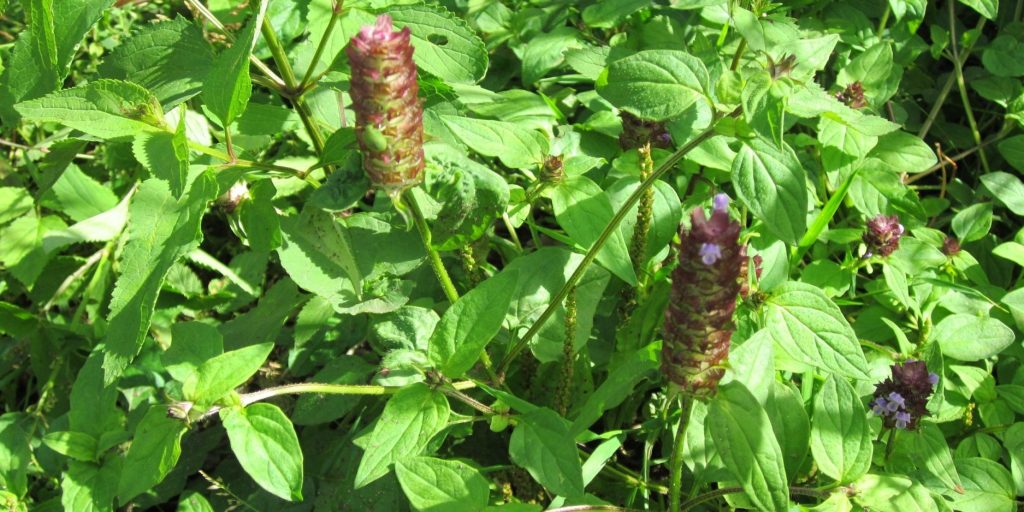
- The distinctive purple-violet flower spikes (the most medicinally potent part)
- Upper leaves (pairs of opposite leaves on square stems, characteristic of the mint family)
- Upper stems (the square stems indicate Lamiaceae family membership)
Use scissors or sharp pruning shears to cut cleanly. Leave lower portions of the plant intact to allow regrowth—Self-Heal can be harvested multiple times during the growing season as it rebounds quickly.
What to Avoid:
- Do NOT harvest from chemically treated lawns (herbicides, pesticides, synthetic fertilisers)
- Avoid roadsides with heavy traffic (contamination from vehicle exhaust, road salt, tyre residue)
- Avoid areas where dogs frequently urinate (bacterial and parasite contamination)
- Don’t harvest if the area has been treated with weed-and-feed products (many suburban lawns are treated—know your source)
Drying: Dry the harvested material promptly to preserve medicinal quality:
- Spread in a single layer on screens, clean cloth, or drying racks
- Place in a warm (not hot), shaded, well-ventilated area
- Ideal drying temperature: 30-35°C; avoid exceeding 40°C which degrades volatile oils and phenolic compounds
- Ensure good air circulation to prevent mould
- Drying is complete when stems snap cleanly rather than bending (typically 3-7 days depending on humidity)
- Properly dried Self-Heal retains its purple-violet flower colour (fading to greyish-purple) and pleasant herbaceous aroma
Storage: Store dried Self-Heal in airtight glass jars or paper bags in a cool, dark, dry location. Properly dried and stored material maintains potency for 12-18 months. Discard if it develops a musty smell, loses all colour (turns brown/grey), or shows visible mould.
Sustainable Harvesting: Self-Heal is abundant and not at conservation risk. However, sustainable practices include:
- Never take more than 1/3 of a plant or population
- Leave some plants unharvested to flower, set seed, and support pollinators
- Rotate harvest areas to avoid depleting specific populations
- Consider your role as steward of the land even when harvesting “weeds”
Parts Used
- Aerial parts (leaves, stems, and flower spikes) – primary medicinal use
- Whole plant including roots (occasionally used in Traditional Chinese Medicine, though aerial parts are more common)
The aerial parts harvested during flowering contain the highest concentration of therapeutic constituents and are the standard in Western and Chinese herbal medicine.
Constituents & Their Actions
Self-Heal contains a rich and diverse array of bioactive compounds that work synergistically to produce its therapeutic effects. The plant’s chemistry reflects its traditional reputation as “Heal-All”—it contains constituents that address multiple body systems through anti-inflammatory, antimicrobial, antioxidant, and immune-modulating mechanisms.
Phenolic Acids (Polyphenolic Compounds):
These powerful antioxidant compounds are responsible for much of Self-Heal’s anti-inflammatory, antiviral, antimicrobial, and tissue-protective properties. Rosmarinic acid is the dominant compound and is used as the primary marker compound for quality control in herbal commerce—meaning Self-Heal products are often standardised based on rosmarinic acid content.
Some of the main phenolic acids in Self-Heal are:
- Rosmarinic acid: The dominant phenolic acid (often 2-5% of dry weight); potent antioxidant and anti-inflammatory compound also found in rosemary and other Lamiaceae plants
- Caffeic acid: Phenolic acid with antioxidant and anti-inflammatory properties
- Ferulic acid: Antioxidant found in plant cell walls
- Chlorogenic acid: Coffee-derived phenolic acid with antioxidant effects
- p-Coumaric acid: Precursor to other phenolic compounds
The main actions of these phenolic acids are:
- Antioxidant: Neutralise free radicals (unstable molecules that damage cells, proteins, and DNA) and protect against oxidative stress
- Anti-inflammatory: Reduce inflammatory responses through multiple pathways including enzyme inhibition
- Antiviral: Interfere with viral replication and viral entry into cells
- Antimicrobial: Disrupt bacterial and fungal cell membranes
- Neuroprotective: Protect nerve cells from damage and degeneration
Triterpenoids and Triterpene Saponins:
These complex plant compounds provide potent anti-inflammatory, hepatoprotective (liver-protecting), antihypertensive (blood pressure-lowering), and immunomodulatory (immune-regulating) effects. They also contribute significantly to Self-Heal’s potential anticancer properties and metabolic-regulating actions.
Some of the main triterpenoids in Self-Heal are:
- Ursolic acid: Pentacyclic triterpenoid with diverse therapeutic properties; also found in apple peels, rosemary, and holy basil
- Oleanolic acid: Structurally similar to ursolic acid; anti-inflammatory and hepatoprotective
- Betulinic acid: Triterpenoid with notable anticancer research interest
- Maslinic acid: Olive-derived triterpene with metabolic benefits
- Glycosides of oleanolic acid: Sugar-bound forms that affect bioavailability and activity
The main actions of these triterpenoids are:
- Anti-inflammatory: Reduce inflammatory responses through multiple mechanisms
- Hepatoprotective (liver protective): Protect liver cells from damage and support liver function
- Antihypertensive (blood pressure lowering): Help reduce elevated blood pressure
- Antidiabetic (blood sugar regulating): Improve insulin sensitivity and help regulate blood glucose
- Anticancer: Demonstrate anti-tumour effects in laboratory studies (preliminary research)
- Immunomodulatory (immune regulating): Balance and regulate immune system function
Flavonoids:
These polyphenolic compounds (plant molecules with multiple phenol rings) are potent antioxidants that protect blood vessels, reduce inflammation, and contribute to Self-Heal’s antiviral and potential anticancer actions.
Some of the main flavonoids in Self-Heal are:
- Rutin: Flavonoid glycoside (sugar-bound form) that strengthens blood vessel walls
- Quercetin: Well-researched flavonol with strong antioxidant and anti-inflammatory properties
- Hyperoside: Quercetin glycoside with antioxidant effects
- Kaempferol: Flavonol with antimicrobial and anti-inflammatory properties
- Luteolin: Flavone with notable anti-inflammatory effects
The main actions of these flavonoids are:
- Antioxidant: Scavenge free radicals and protect cells from oxidative damage
- Anti-inflammatory: Inhibit inflammatory enzymes and reduce inflammatory mediators
- Vascular protective: Strengthen capillary walls, reduce permeability, improve circulation
- Antiviral: Interfere with viral replication cycles
- Potential anticancer: Demonstrate anti-tumour properties in laboratory research (preliminary)
Polysaccharides:
These complex sugar molecules (long chains of simple sugars) are responsible for Self-Heal’s immunomodulatory properties—its remarkable ability to both stimulate and regulate immune function depending on what the body needs.
Notable polysaccharides include:
- PV2: A specific polysaccharide fraction extensively studied for immune-modulating effects
- Other heteropolysaccharides: Complex sugars with varied immune effects
The main actions of polysaccharides are:
- Immunomodulatory (immune balancing): Both stimulate and regulate immune function in a bidirectional manner—enhancing weak immune responses whilst moderating overactive immune responses
- Macrophage activation: Stimulate macrophages (immune cells that engulf pathogens and cellular debris)
- Complement system activation: Enhance complement cascade (part of innate immunity that attacks pathogens)
Tannins:
These astringent compounds (compounds that cause proteins to precipitate and tissues to contract) contribute to Self-Heal’s wound-healing, haemostatic (stops bleeding), and antimicrobial properties.
The main actions of tannins are:
- Astringent: Tone and tighten tissues, reduce secretions and bleeding
- Antimicrobial: Create unfavourable conditions for bacterial growth
- Wound healing: Form protective layer over wounds, promote tissue repair
Volatile Oils (Essential Oils):
Present in smaller quantities than in highly aromatic plants like rosemary or lavender, but contributing antimicrobial and anti-inflammatory effects.
Components include various monoterpenes and sesquiterpenes with antimicrobial properties.
Other Constituents:
- Vitamins: Including vitamin C (antioxidant), vitamin A precursors (carotenoids)
- Minerals: Including calcium, potassium, magnesium, iron
- Organic acids: Various acids contributing to therapeutic effects
Actions (with Mechanisms)
Wound Healing (Vulnerary):
Self-Heal has been valued for centuries as a premier wound-healing herb—its common names “Self-Heal,” “Heal-All,” and “Woundwort” directly reference this traditional use. Multiple constituents work synergistically to accelerate healing, prevent infection, and reduce scarring.
Mechanism 1 – Antimicrobial Protection:
The phenolic acids (particularly rosmarinic acid) and tannins disrupt bacterial cell membranes (the protective outer layer of bacterial cells), which in turn causes loss of membrane integrity, which in turn leads to leakage of cellular contents and bacterial death, which in turn prevents wound infection that would delay healing. This antimicrobial action protects wounds from the most common wound pathogens including Staphylococcus aureus and Streptococcus species.
Mechanism 2 – Astringent Tissue Tightening:
The tannins cause proteins in wound tissues to cross-link and contract, which in turn tightens wound edges and reduces wound size, which in turn stops minor bleeding (haemostatic effect), which in turn creates better conditions for healing. Additionally, the astringent action reduces exudate (fluid oozing from wounds), which in turn keeps wounds cleaner and less prone to infection.
Mechanism 3 – Anti-inflammatory Action:
The rosmarinic acid and triterpenoids inhibit inflammatory enzymes (COX-2, LOX—enzymes that create inflammatory chemicals), which in turn reduces excessive inflammation at the wound site, which in turn prevents inflammation from damaging healthy tissue surrounding the wound, which in turn allows healing to proceed more rapidly with less pain and swelling.
Mechanism 4 – Antioxidant Protection:
The high flavonoid and phenolic acid content neutralises free radicals (unstable molecules produced during inflammation and tissue damage), which in turn protects the delicate newly forming tissue from oxidative damage, which in turn allows cells to regenerate and repair without being damaged by oxidative stress, which in turn results in better quality healing with reduced scarring.
Traditional Use: Self-Heal poultices and washes were standard first-aid treatments for cuts, scrapes, wounds, and injuries in European and Native American traditional medicine. Modern research validates this traditional use.
Anti-inflammatory:
Self-Heal demonstrates potent anti-inflammatory activity through multiple synergistic pathways, making it valuable for both acute and chronic inflammatory conditions.
Mechanism 1 – COX-2 and LOX Inhibition:
The rosmarinic acid, triterpenoids (particularly ursolic acid), and flavonoids inhibit cyclooxygenase-2 (COX-2) and lipoxygenase (LOX) enzymes (enzymes that convert fatty acids into inflammatory chemicals), which in turn reduces the production of prostaglandins and leukotrienes (inflammatory signalling molecules that cause pain, swelling, redness, heat, and tissue damage), which in turn decreases the cardinal signs of inflammation (dolor=pain, tumor=swelling, rubor=redness, calor=heat, functio laesa=loss of function).
Mechanism 2 – Nitric Oxide and PGE2 Reduction:
Self-Heal constituents suppress the production of nitric oxide (NO) and prostaglandin E2 (PGE2) (inflammatory mediators produced by activated immune cells), which in turn reduces inflammatory signalling cascades, which in turn decreases overall inflammatory response and prevents chronic inflammation from damaging tissues.
Mechanism 3 – NF-κB Pathway Inhibition:
The triterpenoids and phenolic acids inhibit the NF-κB signalling pathway (nuclear factor kappa B—a master regulator of inflammatory gene expression), which in turn prevents the transcription (genetic activation) of inflammatory genes, which in turn reduces the production of inflammatory cytokines (signalling proteins), which in turn decreases systemic inflammation at the genetic level.
Mechanism 4 – Antioxidant Anti-inflammatory Synergy:
The powerful antioxidant constituents reduce oxidative stress, which in turn prevents oxidative stress from triggering inflammatory pathways (oxidative stress and inflammation create a self-perpetuating cycle), which in turn breaks the inflammation-oxidation feedback loop, which in turn reduces chronic inflammatory conditions.
Clinical Significance: Robust laboratory and animal studies confirm these anti-inflammatory mechanisms. Self-Heal shows particular promise for inflammatory conditions including arthritis, inflammatory bowel disease, skin inflammation, and systemic inflammatory states.
Immunomodulatory (Balances and Regulates Immune Function):
This is one of Self-Heal’s most sophisticated and valuable actions. Unlike simple immune stimulants (like echinacea), Self-Heal acts as an immunomodulator—it can both enhance weak immune function AND regulate overactive immune responses. This bidirectional effect makes it particularly valuable for modern immune-related conditions.
Mechanism 1 – Macrophage Activation and Enhancement:
The polysaccharide fraction (particularly PV2) stimulates macrophages (large immune cells that engulf and digest pathogens, cellular debris, and foreign substances), which in turn enhances phagocytosis (the process of engulfing and destroying invaders), which in turn increases the production of reactive oxygen species and nitric oxide (chemicals that kill pathogens), which in turn improves the body’s ability to clear infections and abnormal cells. This stimulatory effect is valuable when immune function is suppressed or weakened.
Mechanism 2 – Cytokine Modulation:
Self-Heal modulates cytokine production (cytokines are signalling proteins that coordinate immune responses). It can increase beneficial cytokines like IL-2 (interleukin-2, which activates T-cells and NK cells for fighting infections and cancer) whilst reducing excessive inflammatory cytokines in conditions of immune overactivation, which in turn balances immune responses, which in turn prevents both immunodeficiency (weak immunity leading to infections) and immune overactivity (autoimmunity, allergies, chronic inflammation).
Mechanism 3 – T-cell and B-cell Regulation:
The polysaccharides and triterpenoids affect both T-lymphocytes (cells that coordinate immune responses and directly kill infected cells) and B-lymphocytes (cells that produce antibodies), which in turn helps regulate adaptive immunity (the learned, specific immune responses), which in turn improves immune memory and appropriate immune targeting whilst preventing autoimmune attacks on the body’s own tissues.
Mechanism 4 – Delayed Hypersensitivity Suppression:
Research shows Self-Heal can suppress delayed-type hypersensitivity responses (overactive immune reactions like contact dermatitis and some autoimmune responses), which in turn demonstrates its ability to calm overactive immunity, which in turn confirms its bidirectional, modulatory effect rather than simple immune stimulation.
Clinical Significance: Studies show Self-Heal’s immunomodulatory effects are particularly relevant for:
- Autoimmune conditions (Hashimoto’s thyroiditis, rheumatoid arthritis, inflammatory bowel disease)
- Recurrent infections (when immune system is weak)
- Cancer support (enhancing immune surveillance of abnormal cells—preliminary research)
- Allergic conditions (moderating excessive immune responses)
- Chronic viral infections (enhancing antiviral immunity)
Self-Heal acts as an “immune teacher” rather than a simple stimulant or suppressant—it helps the immune system learn to respond appropriately.
Antiviral:
Self-Heal demonstrates broad-spectrum antiviral activity against multiple virus types, making it a valuable herb for viral infections.
Mechanism 1 – Viral Entry Inhibition:
The phenolic acids and flavonoids interfere with viral attachment and entry into host cells. They bind to viral surface proteins, which in turn prevents viruses from attaching to cell surface receptors, which in turn blocks viral entry into cells, which in turn prevents viral replication from beginning. This mechanism is effective at early stages of infection.
Mechanism 2 – Viral Replication Disruption:
Once inside cells, viruses hijack cellular machinery to replicate. Self-Heal constituents interfere with viral polymerases (enzymes viruses use to copy their genetic material), which in turn prevents viral RNA or DNA replication, which in turn stops the production of new viral particles, which in turn limits infection spread.
Mechanism 3 – Immunological Antiviral Support:
The immunomodulatory effects enhance natural killer (NK) cell activity and interferon production (signalling proteins that create antiviral states in cells), which in turn improves the body’s innate antiviral defenses, which in turn helps clear viral infections more effectively.
Viral Spectrum: Research demonstrates activity against:
- Herpes viruses (HSV-1, HSV-2): Both oral and genital herpes
- HIV-1: Human immunodeficiency virus (laboratory studies show inhibition of reverse transcriptase)
- Influenza viruses: Common flu viruses
- Hepatitis viruses: Some preliminary evidence for hepatitis B and C
- Other DNA and RNA viruses: Broad-spectrum effects
Clinical Use: Traditionally used for viral infections including colds, flu, herpes outbreaks, and viral sore throats. Modern research supports these uses, though Self-Heal is not a replacement for antiviral medications in serious viral infections.
Antimicrobial (Antibacterial and Antifungal):
Self-Heal demonstrates effective antimicrobial activity against various bacteria and fungi.
Antibacterial Mechanism:
The phenolic acids, tannins, and flavonoids disrupt bacterial cell membranes and interfere with bacterial metabolic processes, which in turn causes bacterial cell death. The tannins also create an unfavourable environment for bacterial growth by binding to bacterial proteins and enzymes, which in turn inhibits bacterial metabolism and reproduction.
Spectrum: Effective against:
- Gram-positive bacteria: Staphylococcus aureus (including some antibiotic-resistant strains), Streptococcus species
- Gram-negative bacteria: Escherichia coli, Pseudomonas aeruginosa (to lesser extent)
Antifungal Mechanism:
The volatile oils and phenolic compounds interfere with fungal cell membrane integrity, which in turn disrupts fungal cell function, which in turn inhibits fungal growth.
Clinical Use: Useful for bacterial and fungal skin infections, wound infections, oral infections (as gargle/mouthwash), and as supportive therapy for urinary tract infections.
Hepatoprotective (Liver Protective):
Self-Heal protects liver cells from damage and supports liver function and regeneration.
Mechanism:
The triterpenoids (particularly ursolic acid and oleanolic acid) and flavonoids protect hepatocytes (liver cells) through multiple pathways. They reduce oxidative stress in liver tissue by neutralising free radicals, which in turn prevents lipid peroxidation (damage to cell membranes), which in turn maintains liver cell integrity. Additionally, they enhance the liver’s own antioxidant enzyme systems (glutathione, superoxide dismutase, catalase), which in turn increases the liver’s capacity to detoxify harmful substances and resist damage.
The constituents also reduce inflammatory responses in liver tissue, which in turn prevents inflammation from damaging hepatocytes, which in turn supports liver regeneration and function.
Evidence: Animal studies demonstrate significant protection against chemically-induced liver damage (carbon tetrachloride, acetaminophen/paracetamol toxicity). The liver-protective effects support traditional use in Chinese medicine for “liver heat” and liver-related conditions.
Clinical Relevance: Potentially useful as supportive therapy for:
- Fatty liver disease (non-alcoholic steatohepatitis)
- Hepatitis (viral liver inflammation—as supportive, not primary treatment)
- Liver damage from medications or toxins
- General liver support and detoxification
Antihypertensive (Blood Pressure Lowering):
Self-Heal demonstrates blood pressure-lowering effects in animal studies and traditional use.
Mechanism:
The triterpenoids and flavonoids cause vasodilation (widening of blood vessels) through multiple pathways including:
- Increasing nitric oxide (NO) production (nitric oxide signals smooth muscle in blood vessel walls to relax)
- Calcium channel modulation (reducing calcium influx into vascular smooth muscle)
- Reducing oxidative stress in blood vessel walls (oxidative stress impairs normal vascular function)
This vasodilation reduces peripheral resistance (the resistance blood encounters flowing through blood vessels), which in turn lowers blood pressure, which in turn reduces cardiovascular strain.
Additionally, the diuretic effect (mild increase in urine output) reduces blood volume, which in turn contributes to blood pressure reduction.
Traditional Use: In Traditional Chinese Medicine, Self-Heal (Xia Ku Cao) is specifically used for hypertension, particularly when associated with “liver fire” (symptoms including headache, dizziness, red eyes, irritability, elevated blood pressure).
Important: Self-Heal is supportive for blood pressure management but is NOT a replacement for prescribed antihypertensive medications. Should be used only with medical supervision in people taking blood pressure medications (see Drug Interactions).
Antidiabetic/Blood Sugar Regulating:
Self-Heal shows promising effects on glucose metabolism and insulin sensitivity in animal and laboratory studies.
Mechanism:
The triterpenoids (particularly ursolic acid) improve insulin sensitivity through multiple pathways:
- They inhibit glycogen phosphorylase (an enzyme that breaks down stored glycogen into glucose), which in turn reduces glucose release from liver and muscle stores, which in turn helps lower blood sugar
- They enhance glucose uptake into cells (particularly muscle and fat cells), which in turn improves how cells respond to insulin, which in turn reduces insulin resistance
- They protect pancreatic beta cells (the cells that produce insulin) from damage, which in turn maintains insulin production capacity, which in turn supports blood sugar regulation
Evidence: Animal studies show improved insulin sensitivity, reduced blood glucose levels, and protection of pancreatic beta cells. Human trials are limited but preliminary evidence is promising.
Clinical Consideration: Potentially useful as supportive therapy for type 2 diabetes and metabolic syndrome, but NOT a replacement for diabetes medications. Requires medical monitoring due to potential additive effects with diabetes drugs.
Potential Anticancer Activity (Preliminary Research):
Laboratory studies show Self-Heal extracts can affect cancer cells, though human clinical trials are lacking. This should be considered preliminary research, not established clinical use.
Mechanism (Laboratory Studies):
Self-Heal constituents demonstrate multiple anticancer mechanisms in laboratory cancer cell lines:
- Apoptosis induction: Triggering programmed cell death in cancer cells
- Proliferation inhibition: Slowing cancer cell division and growth
- Signalling pathway interference: Affecting pathways like PI3K/AKT, MAPK, and estrogen receptor (ESR1) pathways that regulate cell growth and survival
- Immunological support: The immunomodulatory effects may enhance immune surveillance of cancer cells
Evidence Level: In vitro studies on breast, colon, liver, and lung cancer cell lines. Animal studies show some tumour growth inhibition. NO human clinical trials.
Important Caution: Self-Heal is NOT a cancer treatment and should never be used as a substitute for evidence-based cancer therapy. It may have potential as supportive therapy alongside conventional treatment, but this requires oncologist supervision and approval.
Main Use
Self-Heal’s primary uses reflect its traditional reputation as “Heal-All”—it is a versatile herb for inflammation, immune support, and wound healing.
Primary Topical Use – Wound Healing and Skin Conditions:
Self-Heal’s most time-tested and reliable use is as a topical vulnerary (wound healer) for:
Acute Wounds:
- Cuts, scrapes, and abrasions
- Minor burns and scalds
- Insect bites and stings
- Scratches and puncture wounds
Chronic/Problematic Wounds:
- Slow-healing wounds
- Ulcers (pressure sores, leg ulcers)
- Infected wounds (in combination with appropriate medical care)
Inflammatory Skin Conditions:
- Eczema and dermatitis
- Psoriasis (anti-inflammatory and soothing)
- Acne (antimicrobial and anti-inflammatory)
- Rashes and skin irritations
- Haemorrhoids (as sitz bath or compress—astringent and healing)
Oral/Throat Applications:
- Sore throat and tonsillitis (gargle)
- Mouth ulcers and canker sores (mouthwash)
- Gingivitis and gum inflammation (mouthwash)
- Oral thrush (antifungal mouthwash)
- Post-dental work healing
Primary Internal Use – Immune Support and Inflammation:
Immune System Support:
- Recurrent infections (enhances immune function when weak)
- Chronic viral infections (herpes, Epstein-Barr, etc.)
- Autoimmune conditions (Hashimoto’s thyroiditis, rheumatoid arthritis, inflammatory bowel disease—as immunomodulator to balance immune function)
- Seasonal immune support (prevention of colds and flu)
- Cancer support (immunological support—only as adjunct to conventional treatment with oncologist approval)
Anti-inflammatory Conditions:
- Inflammatory bowel disease (Crohn’s, ulcerative colitis—supportive therapy)
- Arthritis (both osteoarthritis and rheumatoid arthritis)
- Chronic systemic inflammation
- Liver inflammation (hepatitis—as supportive, not primary treatment)
Thyroid Support:
- Hashimoto’s thyroiditis (autoimmune thyroid inflammation)—preliminary human research shows reduction in thyroid antibodies
- Hyperthyroidism (overactive thyroid)—research shows Self-Heal combined with antithyroid drugs improves outcomes
Cardiovascular/Metabolic Support (Secondary Use):
- High blood pressure (mild to moderate—as supportive therapy)
- Blood sugar regulation support (type 2 diabetes—as adjunct therapy)
- Metabolic syndrome
Why Self-Heal Works Well:
The combination of potent anti-inflammatory constituents (rosmarinic acid, triterpenoids), sophisticated immunomodulatory polysaccharides, broad-spectrum antimicrobial action, and powerful antioxidants creates a comprehensive therapeutic system that addresses multiple aspects of healing simultaneously. Self-Heal doesn’t just treat symptoms—it supports the body’s own healing capacity, living up to its name.
Preparations
Tea/Infusion (Most Common):
1-2 teaspoons (2-4 grams) of dried aerial parts (flowers, leaves, stems) per cup (250ml) of freshly boiled water. Pour boiling water over herb, cover tightly (to retain any volatile oils), and steep 10-15 minutes for general use, or up to 20 minutes for stronger medicinal effect. Strain.
Taste: Distinctly bitter with astringent, puckering quality, slightly acrid/pungent, and subtle sweetness. Not particularly pleasant as a beverage tea, but acceptable when used medicinally. Honey can be added to improve palatability.
Internal dose: 1 cup, 2-3 times daily for immune support, inflammation, or systemic conditions
External use: Prepare double-strength tea (2-4 teaspoons per cup, steeped 20 minutes), allow to cool, use as:
- Wound wash: Clean cuts, scrapes, wounds 2-3 times daily
- Compress: Soak clean cloth in tea, apply to affected area for 15-20 minutes, 2-3 times daily
- Gargle: For sore throat, mouth ulcers, gingivitis—gargle 3-4 times daily, can swallow or spit out
- Mouthwash: Swish in mouth for 30-60 seconds for oral health
- Sitz bath: Add 1-2 litres strong tea to warm bath for haemorrhoids or perineal healing
Tincture (Alcohol Extract):
Ratio: 1:5 (1 part dried herb to 5 parts liquid) in 40-50% alcohol
Preparation: Pack jar with dried aerial parts (coarsely chopped), cover completely with alcohol (vodka works well), cap tightly, macerate 4-6 weeks in cool, dark location, shaking daily. Strain through cheesecloth, squeezing herb to extract all liquid. Bottle in dark glass with dropper.
Internal dose: 2-5ml (40-100 drops), 2-3 times daily in small amount of water
Topical use: Can be diluted with water (1:10 tincture to water ratio) for use as antiseptic wash or gargle
Shelf life: Properly made alcohol tinctures last 5+ years
Note on extraction: Water (tea) extracts are richer in polyphenols, rosmarinic acid, and polysaccharides (water-soluble constituents), whereas alcohol extracts concentrate triterpenoids and some flavonoids (alcohol-soluble constituents). Choose preparation based on therapeutic goals: tea for general immune support and anti-inflammatory effects; tincture for more concentrated, long-term use or when portability is important.
Fresh Plant Poultice (Traditional First Aid):
Crush or chew fresh Self-Heal leaves and flowers to break down plant cells and release medicinal constituents (chewing was traditional but you can crush with mortar and pestle or between clean stones). Apply the crushed, moistened plant material directly to wounds, insect bites, stings, or skin irritations. Cover with clean cloth or bandage to hold in place. Leave on for 30-60 minutes to several hours. Repeat 2-3 times daily.
Traditional Use: This was the standard battlefield and folk medicine wound treatment—immediate, effective first aid using readily available plant material.
Modern Relevance: Still highly effective for emergency wound care when commercial preparations aren’t available, especially useful for hikers, outdoor workers, or in home gardens.
Infused Oil (for Salves and Topical Use):
Fill clean, dry jar with dried Self-Heal (fresh plant contains too much water and can cause oil to go rancid). Cover completely with carrier oil (olive oil is traditional and excellent; sweet almond, sunflower, or jojoba also work well). Cap jar and place in warm, sunny location (windowsill) for 4-6 weeks, shaking daily. Strain through cheesecloth, squeezing herb to extract all oil. Bottle in dark glass.
Use: Apply infused oil directly to skin for wounds, rashes, dry skin, or use as base for making healing salve.
Shelf life: 1-2 years if properly made and stored in cool, dark location.
Healing Salve:
Gently heat 1 cup (250ml) Self-Heal infused oil in double boiler. Add 30-35g beeswax (for firm salve) or 25-28g (for softer salve), stirring until completely melted. Remove from heat. Optionally add 10-15 drops lavender or tea tree essential oil for enhanced antimicrobial effects. Pour into small tins or jars, allow to cool completely undisturbed. Cap once solid.
Use: Apply to wounds, cuts, scrapes, burns, rashes, eczema, dry skin, cracked heels, chapped lips, or any skin condition needing healing support. Apply 2-4 times daily or as needed.
Shelf life: 12-18 months at room temperature.
Glycerite (Alcohol-Free Extract):
For those avoiding alcohol (children, recovering alcoholics, personal preference):
Method: Use vegetable glycerine instead of alcohol. Ratio 1:5 (herb to glycerine). Mix herb with glycerine, macerate 4-6 weeks, shaking daily. Strain and bottle.
Dose: Glycerites are less concentrated than alcohol tinctures—use 5-10ml (1-2 teaspoons), 2-3 times daily
Taste: Glycerites are much sweeter and more palatable than alcohol tinctures, making them excellent for children
Shelf life: 1-2 years (shorter than alcohol tinctures)
Dosage
Internal Use:
- Tea (dried aerial parts): 2-4g (1-2 teaspoons), steeped 10-20 minutes, 1 cup 2-3 times daily
- Tincture (1:5, 40-50% alcohol): 2-5ml (40-100 drops), 2-3 times daily in water
- Glycerite: 5-10ml (1-2 teaspoons), 2-3 times daily
- Fresh plant juice: 5-10ml, 2-3 times daily (traditional but uncommon today)
Topical Use:
- Wound wash/compress: Double-strength tea applied to affected area 2-4 times daily
- Salve/infused oil: Apply thin layer to affected area 2-4 times daily
- Gargle/mouthwash: Strong tea, gargle/swish 3-4 times daily
- Poultice: Fresh crushed plant applied directly, 2-3 times daily
Duration:
- Acute conditions (wounds, infections, sore throat): Use for duration of symptoms, typically 7-14 days
- Chronic conditions (autoimmune, inflammation): Can be used long-term (months) under practitioner guidance
- Immune support: Use preventively during cold/flu season or during times of increased infection risk
Children:
Self-Heal is generally safe for children when used appropriately.
Topical use (all ages): Safe for all topical applications—wound wash, salve, poultice
Internal use:
- Children 6-12 years: Half adult dose (½-1 teaspoon dried herb for tea, or 1-2ml tincture), 2 times daily
- Children 2-6 years: Quarter adult dose, under supervision
- Infants/toddlers under 2: Topical use only; avoid internal use
Palatability: Glycerite is much more palatable for children than tea or alcohol tincture.
Always consult paediatrician before giving herbs internally to children.
Pregnancy & Lactation:
Pregnancy: Generally considered safe but use with caution. Self-Heal has been used traditionally without reports of harm, but comprehensive safety studies in pregnancy are lacking. Topical use is safe. For internal use during pregnancy, consult midwife or obstetrician.
Lactation: Generally considered safe. Constituents that pass into breast milk are likely minimal and non-harmful based on traditional use, but definitive studies are lacking.
Conservative approach: Limit to topical use during pregnancy; for internal use, seek professional guidance.
Safety & Drug Interactions
General Safety:
Self-Heal has an excellent safety profile with extensive traditional use and no reports of serious adverse effects. It is generally considered safe for most people when used at recommended doses. The herb’s long history of use as a food (young leaves eaten as salad or cooked greens) and medicine supports its safety.
Contraindications:
No absolute contraindications identified. However, use with caution in:
- Autoimmune conditions: While Self-Heal is immunomodulatory (balancing) rather than simply stimulating, individuals with autoimmune diseases should consult healthcare providers before use. The immunomodulatory effects could theoretically affect disease course, though traditional use in autoimmune thyroiditis (Hashimoto’s) is supported by preliminary research.
- Immunosuppressant therapy: People taking medications to suppress immune function (organ transplant recipients, some autoimmune disease treatments) should avoid Self-Heal or use only with medical supervision, as the immune-modulating effects could theoretically interfere with immunosuppression.
- Scheduled surgery: Discontinue use 2 weeks before surgery due to theoretical (though unproven) concerns about bleeding or interactions with anaesthesia.
Pregnancy & Lactation:
See dosage section above. Generally considered safe but use conservatively. Topical use is safe; internal use during pregnancy should be discussed with healthcare provider.
Drug Interactions:
Antihypertensive Medications (Blood Pressure Drugs):
Self-Heal may have additive blood pressure-lowering effects with antihypertensive medications, which could cause blood pressure to drop too low (hypotension—symptoms include dizziness, lightheadedness, fainting).
Common NZ antihypertensive medications: enalapril (Renitec), amlodipine (Norvasc), metoprolol (Betaloc, Lopressor), losartan (Cozaar), ramipril, felodipine
Recommendation: Monitor blood pressure closely if using Self-Heal while taking blood pressure medications. Inform your doctor of Self-Heal use. May require medication dose adjustment.
Antidiabetic Medications (Diabetes Drugs):
Self-Heal may have additive blood sugar-lowering effects with diabetes medications, which could cause hypoglycaemia (low blood sugar—symptoms include shakiness, sweating, confusion, rapid heartbeat).
Common diabetes medications: metformin, insulin, gliclazide, glimepiride, sitagliptin
Recommendation: Monitor blood glucose closely if using Self-Heal with diabetes medications. Inform your doctor or diabetes nurse. May require medication dose adjustment.
Immunosuppressant Medications:
Self-Heal’s immunomodulatory effects may theoretically interfere with medications designed to suppress immune function.
Immunosuppressant medications: prednisone, azathioprine, ciclosporin, tacrolimus, mycophenolate (used for organ transplant, severe autoimmune disease)
Recommendation: Avoid combination or use only with medical supervision and monitoring.
Thyroid Medications:
Preliminary research suggests Self-Heal may affect thyroid function. People taking thyroid medications should use with medical monitoring.
Thyroid medications: levothyroxine (Eltroxin), carbimazole, propylthiouracil
Recommendation: Monitor thyroid function (TSH, T3, T4 blood tests) if using Self-Heal with thyroid medications. Inform endocrinologist of use.
Anticoagulant/Antiplatelet Drugs:
No known interaction, but theoretical concern about additive effects due to Self-Heal’s traditional use for wounds (which might affect clotting). Probably low risk but worth mentioning to healthcare provider.
Anticoagulant medications: warfarin (Marevan), dabigatran (Pradaxa), rivaroxaban (Xarelto), aspirin (antiplatelet)
Recommendation: Inform doctor of Self-Heal use; monitor for unusual bleeding.
Adverse Effects (Rare):
Adverse effects from Self-Heal are extremely uncommon. Potential mild effects include:
- Gastrointestinal upset: Mild nausea, stomach cramping (usually only with excessive doses)
- Allergic reactions: Possible in individuals with Lamiaceae (mint family) allergies—symptoms may include rash, oral itching, or digestive upset
- Hypoglycaemia: Low blood sugar if combined with diabetes medications (see drug interactions)
- Hypotension: Low blood pressure if combined with antihypertensive drugs (see drug interactions)
If adverse effects occur: Discontinue use and consult healthcare provider.
Special Populations:
Children: Safe topically for all ages. Internal use safe for children over 2 with appropriate dose reduction (see dosage section).
Elderly: Safe; no special precautions needed at normal doses. Particularly valuable for elderly due to immune support and anti-inflammatory effects.
Pregnancy/Lactation: Generally considered safe but use conservatively (see above).
Autoimmune conditions: Potentially beneficial as immunomodulator (preliminary research on Hashimoto’s thyroiditis is promising), but use with medical supervision.
Scientific Evidence
Immunomodulatory Activity:
Laboratory and Animal Studies: Extensive research demonstrates that Self-Heal polysaccharides (particularly the PV2 fraction) significantly stimulate macrophage activity, enhance phagocytosis (immune cells engulfing pathogens), increase production of nitric oxide and superoxide (immune defense molecules), and modulate cytokine production (immune signalling proteins). Other studies show Self-Heal can suppress delayed-type hypersensitivity responses (overactive immune reactions), confirming its bidirectional, modulatory effect on immune function rather than simple one-directional stimulation.
Clinical Significance: This immunomodulatory capacity makes Self-Heal particularly relevant for modern immune-related conditions where immune function is either too weak (recurrent infections, chronic viral infections, cancer) or too strong (autoimmunity, allergies).
Evidence Level: Strong in vitro and animal evidence; limited human studies but very promising.
Anti-inflammatory and Antioxidant Activity:
Laboratory Studies: Robust in vitro and animal studies demonstrate significant inhibition of inflammatory markers including nitric oxide (NO), prostaglandin E2 (PGE2), COX-2 enzyme, and other inflammatory mediators. Self-Heal’s high phenolic acid content, particularly rosmarinic acid (often 2-5% dry weight), correlates with strong antioxidant capacity in standardised chemical assays (ORAC, DPPH, FRAP).
Animal Studies: Demonstrate reduction of malondialdehyde (MDA) and other markers of oxidative stress, confirming antioxidant activity in vivo (in living organisms).
Evidence Level: Very strong in vitro evidence; good animal evidence; clinical applications extrapolated from these findings and traditional use.
Autoimmune Thyroiditis (Hashimoto’s Disease):
Human Pilot Study: A small but promising human pilot study found that Self-Heal supplementation significantly reduced thyroid peroxidase antibodies (TPOAb—autoimmune antibodies that attack the thyroid in Hashimoto’s disease) in patients with Hashimoto’s thyroiditis.
Meta-analysis: A systematic review and meta-analysis of randomised controlled trials found that Self-Heal (Xia Ku Cao) combined with antithyroid drugs improved thyroid hormone levels (T3, T4, TSH) and reduced inflammatory markers in hyperthyroidism (overactive thyroid) compared to antithyroid drugs alone.
Evidence Level: Preliminary human evidence (small studies); very promising but requires larger trials for confirmation.
Clinical Relevance: This is particularly exciting research suggesting Self-Heal may be valuable for autoimmune thyroid conditions, both hypothyroidism (Hashimoto’s) and hyperthyroidism (Graves’ disease).
Hepatoprotective Activity (Liver Protection):
Animal Models: Multiple animal studies demonstrate significant protection against chemically-induced liver damage including carbon tetrachloride-induced and acetaminophen (paracetamol)-induced liver injury. The triterpenoid and flavonoid content is primarily responsible for this protective effect.
Mechanism: Studies show reduced liver enzyme elevation (AST, ALT markers of liver damage), reduced oxidative stress markers, improved liver histology (tissue structure), and reduced inflammatory infiltration in liver tissue.
Evidence Level: Good animal evidence; human clinical trials lacking but traditional use in Chinese medicine for liver conditions is extensive.
Anticancer Activity:
Laboratory Studies: In vitro studies on various cancer cell lines (breast, colon, liver, lung cancer) demonstrate that Self-Heal extracts can:
- Induce apoptosis (programmed cell death) in cancer cells
- Inhibit cancer cell proliferation (growth and division)
- Affect multiple cancer-related signalling pathways including PI3K/AKT, MAPK, and estrogen receptor (ESR1) pathways
Evidence Level: Promising in vitro evidence; some animal studies; NO human clinical trials. This is preliminary research only.
Important Note: Self-Heal is NOT a cancer treatment and should never be used as a substitute for evidence-based oncological care. It may have potential as supportive therapy alongside conventional treatment, but this requires oncologist supervision and approval.
Cardiovascular and Metabolic Effects:
Animal Studies: Support Self-Heal’s antihypertensive (blood pressure lowering), hypoglycaemic (blood sugar lowering), and lipid-lowering effects. Studies show:
- Improved insulin sensitivity
- Reduced blood glucose levels
- Protection of pancreatic beta cells (insulin-producing cells)
- Reduced blood pressure through vasodilation
- Improved lipid profiles (cholesterol, triglycerides)
Evidence Level: Good animal evidence; human clinical trials limited but traditional use for hypertension and metabolic conditions is extensive.
Antiviral Activity:
Laboratory Studies: In vitro studies demonstrate antiviral activity against:
- Herpes simplex virus (HSV-1, HSV-2)
- HIV-1 (inhibition of reverse transcriptase enzyme)
- Influenza viruses
- Other DNA and RNA viruses
Mechanism: Interference with viral entry into cells and viral replication processes.
Evidence Level: Good in vitro evidence; clinical applications extrapolated from these findings and traditional use.
Antimicrobial Activity:
Laboratory Studies: Confirm antimicrobial effects against various bacteria and fungi including Staphylococcus aureus, Streptococcus species, E. coli, and fungal pathogens.
Evidence Level: Good in vitro evidence supporting traditional antimicrobial use.
Evidence Limitations:
- Most research conducted in vitro (laboratory) or in animal models rather than large-scale human clinical trials
- Human studies are limited to small pilot studies and meta-analyses of Chinese medicine research
- Optimal dosing, safety parameters, and long-term effects in humans require more research
- Anticancer research is entirely preliminary (laboratory only)
However: The consistency of findings across traditional use (over 2,000 years in multiple cultures), laboratory research, animal studies, and preliminary human trials provides reasonable confidence in Self-Heal’s safety and therapeutic value for traditional applications (wound healing, immune support, anti-inflammatory effects, antimicrobial use).
Western Energetics
Temperature:
Cooling: Self-Heal has a cooling energetic quality, making it indicated for “hot” conditions characterised by inflammation, redness, heat, infection, and agitation. It clears heat from tissues and cools inflamed states.
Indicated for:
- Fevers and infections with heat
- Hot, red, inflamed sore throats
- Red, inflamed eyes
- Inflammatory skin eruptions with redness and heat
- “Liver heat” presentations (in Traditional Chinese Medicine: irritability, headaches, red eyes, hypertension, flushed complexion)
- Inflammatory conditions with heat sensations
Self-Heal is particularly valuable when inflammation is accompanied by redness, heat, and agitation—the classic signs of inflammatory “fire” in the body.
Moisture:
Primarily Drying, with Some Moistening Balance:
Self-Heal is primarily drying due to its tannin content and astringent properties, but the mucilaginous polysaccharides provide some gentle moistening quality, making it more balanced than strongly drying herbs.
Drying Quality Indicated for:
- “Damp” conditions characterised by excess fluid
- Weeping wounds and oozing skin lesions
- Profuse discharge (excessive mucus, wound exudate)
- Oedema (fluid retention)
- Lymphatic stagnation with swelling
- “Damp heat” presentations (inflamed conditions with discharge or weeping)
Balancing Note: The polysaccharides provide enough moistening to prevent Self-Heal from being excessively drying, making it suitable for both damp and some neutral tissue states.
Tissue State:
Self-Heal is primarily indicated for:
Heat/Excitation (Primary):
- Inflammation with redness, heat, pain, swelling
- Infection (bacterial, viral, fungal)
- Fever states
- Agitation and “heat” rising (flushed face, red eyes, irritability)
- Inflammatory autoimmune conditions
Damp/Stagnation (Secondary):
- Lymphatic congestion with swelling
- Weeping, oozing wounds
- Oedema (fluid accumulation)
- Sluggish circulation
- “Damp heat” presentations (infected wounds, weeping inflammatory skin conditions)
Atony/Laxity (Tertiary):
- Lax, atonic (weak, lacking tone) tissues that need toning and tightening
- Excessive bleeding from wounds (haemostatic tannins tone vessels)
- Tissues that need strengthening (the astringent quality tones)
Overall Tissue State Application: Self-Heal is particularly suited for inflammatory conditions with both heat (inflammation, redness, infection) and dampness (fluid accumulation, discharge, weeping). This “damp heat” pattern is common in infected wounds, weeping eczema, inflammatory conditions with discharge, and lymphatic congestion with inflammation.
Taste
Bitter (Dominant):
The primary taste, strongly present when Self-Heal tea or fresh plant is tasted. Bitterness indicates Self-Heal’s anti-inflammatory, cooling, liver-supporting, detoxifying, and antimicrobial properties. The bitter quality:
- Stimulates digestive secretions (stomach acid, bile, enzymes)
- Supports liver function and detoxification
- Provides the cooling energetic action (bitter cools heat)
- Indicates the presence of phenolic acids and flavonoids
- Has antimicrobial and anti-inflammatory effects
Astringent (Pronounced):
A distinct puckering, drying sensation in the mouth that causes tissues to feel tight and contracted. This astringent quality reflects Self-Heal’s tissue-tightening, wound-healing, haemostatic (stops bleeding), and drying properties. The astringent taste:
- Indicates the presence of tannins
- Tones and tightens tissues
- Reduces secretions and bleeding
- Creates protective layer over wounds and mucous membranes
- Provides the drying energetic quality
Slightly Acrid/Pungent (Mild):
A subtle spicy, sharp, or warming quality from the volatile oils and phenolic compounds. This mild pungency contributes to Self-Heal’s antimicrobial and circulatory-stimulating properties. The acrid quality:
- Disperses and moves stagnation
- Provides mild antimicrobial effects
- Adds a subtle warming dimension to otherwise cooling herb
- Stimulates circulation
Slightly Sweet (Subtle Undertone):
A gentle, subtle sweetness often associated with the nutritive polysaccharides. This sweet quality contributes to Self-Heal’s immunomodulating and tonic actions. The sweet taste:
- Indicates nourishing, building properties
- Associated with the immune-supporting polysaccharides
- Provides mild tonic effects
- Balances the strong bitter-astringent profile
Overall Taste Profile: The combination of bitter (dominant), astringent (strong), acrid (mild), and sweet (subtle) creates a complex taste that is distinctly medicinal—not pleasant for casual beverage use, but acceptable when taken medicinally with intention. The bitter-astringent profile clearly signals Self-Heal’s cooling, drying, anti-inflammatory, and antimicrobial therapeutic actions.
Plant Lore
The name “Self-Heal” and “Heal-All” speak directly to this plant’s historical reputation as a panacea—a universal remedy capable of healing all manner of ailments. This wasn’t hyperbole to historical herbalists; Self-Heal was genuinely valued as a reliable first-line treatment for a remarkable range of conditions, particularly wounds, infections, and inflammatory states.
Etymology and Historical Names:
The genus name Prunella is thought to derive from the German word Bräune or Brunellen, referring to quinsy (a severe peritonsillar abscess or tonsillitis with abscess formation), which Self-Heal was commonly used to treat in medieval Europe. This connection to throat ailments remained central to its use.
The folk names “Hook-Heal” and “Carpenter’s Herb” refer to Self-Heal’s use in healing wounds caused by carpenters’ tools, hooks, and sharp implements—a reminder of its importance as a first-aid remedy for working people. Before modern medicine, workers carried Self-Heal or knew where to find it for immediate wound treatment.
“Woundwort” directly references its premier use as a vulnerary (wound healer).
“Heart-of-the-Earth” suggests the plant’s grounding, healing energy and its common presence in meadows and fields.
European Herbal Tradition:
Nicholas Culpeper, the 17th-century English herbalist and physician, wrote in his famous herbal The English Physician (1653) that Self-Heal was “so fitting for all sorts of wounds… that it is beyond all comparison.” He recommended it for both internal and external use for wounds, bruises, and bleeding.
Self-Heal was a staple in battlefield medicine across Europe for centuries, used to staunch blood and heal sword cuts, arrow wounds, and other battlefield injuries. Its abundance made it accessible even in the chaos of war.
The Doctrine of Signatures—the medieval belief that plants’ appearances indicated their medicinal uses—suggested Self-Heal’s use for throat problems, as its tubular corolla (the flower’s petal tube) was seen to resemble a throat with swollen glands. This folk association aligned with its genuine effectiveness for sore throats and mouth ailments.
Traditional Chinese Medicine:
In Traditional Chinese Medicine (TCM), Self-Heal is known as Xia Ku Cao (夏枯草), meaning “summer withering herb” because its flower spikes dry and turn brown on the plant during summer whilst the plant itself remains green—a distinctive seasonal appearance.
Self-Heal has been used in Chinese medicine for over 2,000 years and appears in classical TCM texts. It is classified as:
- Taste: Bitter, acrid (pungent)
- Temperature: Cold (cooling)
- Meridians: Enters the Liver and Gallbladder meridians
Traditional TCM Uses:
- Clear Liver Fire: Addresses symptoms including headache, dizziness, red eyes, irritability, hypertension—all manifestations of “liver fire rising”
- Improve Vision: Traditionally used for photophobia (light sensitivity), eye inflammations, and blurred vision associated with liver fire
- Disperse Nodules and Swellings: Particularly for thyroid goitre, lymph node swellings, and breast lumps (modern research on thyroid conditions validates this traditional use)
- Treat Hypertension: Used for high blood pressure, particularly with liver fire symptoms
- Address Cancers: Traditional use for various tumours and swellings (modern preliminary anticancer research provides some support)
The TCM understanding of Self-Heal as a liver-cooling, fire-clearing herb aligns remarkably with Western understanding of its anti-inflammatory, antihypertensive, and hepatoprotective effects.
Native American Use:
Among numerous Native American peoples, Self-Heal was widely recognised and used:
Cherokee: Used extensively as vulnerary for wounds, as febrifuge (fever reducer), as eyewash for inflamed eyes, for throat ailments, for digestive complaints, and for skin conditions. They also used Self-Heal as food, cooking the young leaves as a potherb (cooked greens).
Iroquois: Used for wounds, sore throats, and as general healing tonic.
Blackfoot: Used for sore throats and internal inflammations.
Algonquin: Used for throat problems and wound healing.
The fact that diverse indigenous cultures across North America independently recognised and valued this plant (which they encountered after it naturalised from European introduction, though some claim pre-Columbian presence) speaks to Self-Heal’s obvious medicinal value.
Symbolic and Spiritual Meanings:
Resilience and Self-Repair: Western herbalists often view Self-Heal as a “humble lawn herb” that embodies resilience, persistence, and self-repair. Its appearance as a low-growing groundcover that thrives despite regular mowing and trampling mirrors its therapeutic role in supporting the body’s foundational capacity for healing and recovery. The plant’s ability to regenerate from fragmented stolons parallels its medicine that supports regeneration and healing.
Accessibility and Democracy: Self-Heal’s ubiquity—growing freely in lawns, meadows, parks, and wild places across the world—is seen as a gift that makes healing accessible to all. It doesn’t require cultivation, special growing conditions, or expense. Anyone with a lawn likely has Self-Heal growing within reach. This accessibility embodies herbalism’s democratic principle that healing should be available to all people, regardless of wealth or status.
The Medicine is Everywhere: Self-Heal’s cosmopolitan distribution teaches that medicine is present everywhere, often in the plants we overlook or dismiss as “weeds.” It invites us to look more closely at the common, the ordinary, and the familiar—to recognise that healing often comes from simple, accessible sources rather than exotic or rare plants.
Additional Information
Self-Heal as Common “Weed” with Profound Value:
Self-Heal is an excellent example of a common “weed” with profound medicinal value that is often overlooked, sprayed with herbicides, or eradicated from modern lawns. The plant challenges our definition of “weed”—perhaps a weed is simply a plant whose virtues we have not yet discovered or remembered.
Lawn Culture Irony: Many suburban lawns are regularly treated with herbicides specifically to eliminate Self-Heal and other “broadleaf weeds” in pursuit of pure grass monocultures. Yet Self-Heal offers:
- Medicinal value far exceeding ornamental grass
- Pollinator support (attracts native bees, bumblebees, butterflies)
- Edible greens (young leaves)
- Soil improvement (nitrogen fixation, erosion control)
- Drought tolerance (stays green when grass goes dormant)
- Low maintenance (tolerates mowing, requires no fertiliser or irrigation once established)
Reclaiming “Weeds”: There’s growing interest in reclaiming “weeds” as valuable plants and reimagining lawns as polycultures that include Self-Heal, clover, plantain, dandelion, and other beneficial plants. This shift supports biodiversity, reduces chemical use, provides habitat and food for pollinators and wildlife, and offers free medicine and food.
Beginner-Friendly Herb:
Self-Heal is an ideal herb for beginner herbalists to identify and use:
Easy Identification:
- Distinctive purple-violet flower spikes (tubular flowers arranged in whorls)
- Square stems (characteristic of mint family)
- Opposite leaves (leaves arranged in pairs along stem)
- Low-growing habit (5-30cm tall)
- Common and abundant
Safe:
- Excellent safety profile with no serious toxicity
- Edible plant (young leaves safe to eat)
- Minimal drug interactions
Versatile:
- Multiple preparation methods
- Both internal and topical uses
- Effective for common ailments (cuts, sore throats, colds)
Accessible:
- Grows wild in most temperate regions
- Easy to cultivate
- Free medicine available in many lawns and parks
Edible Use:
The young leaves of Self-Heal are edible and nutritious:
Raw: Add young leaves to salads for mild, slightly bitter flavour
Cooked: Use as potherb (cooked greens) similar to spinach—boil or steam and season
Blanching: Blanch leaves in boiling water for 1-2 minutes to reduce bitterness
Mixed Greens: Combine with milder greens to balance bitter flavour
Nutritional Value: Contains vitamins (vitamin C, vitamin A precursors), minerals (calcium, potassium, magnesium), and beneficial phytochemicals (the same therapeutic constituents that make it medicinal).
Traditional Food Use: Cherokee and other indigenous peoples cooked Self-Heal leaves as food. In times of scarcity, edible wild greens like Self-Heal provided important nutrition.
Extraction Methods and Constituent Profiles:
Different extraction methods emphasise different constituents—choose preparation based on therapeutic goals:
Aqueous (Water) Extracts (Tea/Infusion):
- Rich in polyphenols (rosmarinic acid, caffeic acid, chlorogenic acid)
- High in water-soluble polysaccharides (immune-modulating PV2 fraction)
- Contains water-soluble flavonoid glycosides
- Best for: General immune support, anti-inflammatory effects, antiviral activity, wound washes
Alcoholic Extracts (Tincture):
- Concentrates triterpenoids (ursolic acid, oleanolic acid)
- Extracts alcohol-soluble flavonoids (quercetin, kaempferol aglycones)
- Some phenolic acids
- Best for: Concentrated long-term use, chronic conditions, hepatoprotective effects, metabolic support
Fresh Plant (Poultice):
- Provides full spectrum of constituents in fresh form
- Volatile oils preserved (lost in drying)
- Enzymes still active
- Best for: Emergency first aid, immediate wound treatment
Quality Control and Standardisation:
In herbal commerce, quality control often uses rosmarinic acid content as an index compound for standardisation. High-quality Self-Heal should contain 2-5% rosmarinic acid by dry weight. This marker compound reflects overall phenolic acid content and ensures therapeutic potency.
When Purchasing Self-Heal:
- Look for organic certification (reduces pesticide exposure)
- Verify botanical name: Prunella vulgaris
- Check for standardisation to rosmarinic acid content when available
- Ensure proper storage (dried herb should retain purple-violet colour, pleasant aroma)
Immunomodulation vs. Immune Stimulation:
Self-Heal’s immunomodulatory nature—its ability to both stimulate and regulate immune function—distinguishes it from simple immune stimulants like echinacea.
Immune Stimulants (e.g., Echinacea):
- Activate and enhance immune responses
- Useful for acute infections when immune system needs boosting
- Less appropriate for autoimmune conditions (could worsen immune overactivity)
- Generally used short-term
Immunomodulators (e.g., Self-Heal):
- Balance and regulate immune function bidirectionally
- Can enhance weak immunity (infections, immunodeficiency)
- Can moderate overactive immunity (autoimmunity, allergies)
- Act as “immune teachers” rather than one-directional stimulants
- Appropriate for both acute and chronic use
- Particularly valuable for complex immune dysregulation
This sophisticated action makes Self-Heal particularly relevant for modern chronic illnesses characterised by immune dysfunction (autoimmunity, chronic viral infections, cancer, allergies).
Permaculture and Ecological Value:
Beyond medicine, Self-Heal provides ecological benefits:
Groundcover: Excellent for covering bare soil, suppressing less desirable plants, preventing erosion
Pollinator Plant: Flowers attract and support:
- Native bees (highly attractive)
- Introduced honeybees and bumblebees
- Butterflies
- Other beneficial insects
Larval Host Plant: Self-Heal serves as larval host plant for Clouded Sulphur butterfly (Colias philodice)
Nitrogen Dynamics: Some evidence suggests Self-Heal may support nitrogen cycling in soil
Low Maintenance: Requires minimal inputs once established; tolerates poor soil, drought, mowing
Edible Landscape: Provides both medicine and food in edible landscaping designs
Availability in New Zealand:
Wild Populations: Self-Heal is thoroughly naturalised throughout New Zealand and grows wild in:
- Lawns and parks (extremely common)
- Pastures and agricultural land margins
- Roadsides and waste areas
- Forest edges and clearings
- Riverbanks and moist meadows
Foraging: Readily available for foraging throughout NZ. Ensure harvest from clean areas away from chemical treatments, dog urine, and road pollution.
Cultivation: Easy to cultivate in NZ gardens from seed or division. Many garden centres sell Self-Heal seeds (sometimes as “Prunella” or “Self-Heal groundcover”). Also available from:
- Kings Seeds (NZ-based seed company)
- Yates, Mr. Fothergill’s, Egmont Seeds
- Herb specialists and permaculture suppliers
Dried Herb: Available from:
- Health food stores (Commonsense Organics, Huckleberry Farms)
- Herbal suppliers (Cottage Hill Herbs, Herbshop, Go Native)
- Online suppliers (international and domestic)
Prepared Products: Less commonly available in NZ than in Northern Hemisphere, but some herbal practitioners stock Self-Heal tinctures and dried herb.
Growing Your Own: The easiest and most economical approach—Self-Heal establishes readily and provides abundant medicine year after year with minimal care.
Storage:
Dried Aerial Parts:
- Store in airtight glass jars or paper bags in cool, dark, dry location
- Properly dried Self-Heal retains purple-violet colour (fading to greyish-purple acceptable)
- Should retain pleasant, slightly bitter herbaceous aroma
- Shelf life: 12-18 months properly stored
- Discard if: turns brown, loses all aroma, smells musty (mould), or shows visible mould
Tinctures:
- Store in dark glass bottles (amber or cobalt blue) with tight lids
- Keep in cool, dark location
- Alcohol tinctures last 5+ years if properly stored
Infused Oils:
- Store in dark glass bottles with tight lids
- Keep in cool, dark location
- Shelf life: 1-2 years
Salves:
- Store in sealed containers at room temperature
- Shelf life: 12-18 months (beeswax acts as natural preservative)
Combining with Other Herbs:
Self-Heal combines well with other herbs for enhanced or synergistic effects:
For Wound Healing:
- Calendula: Synergistic wound healing and antimicrobial effects
- Plantain: Combined vulnerary and antimicrobial properties
- Comfrey: Enhanced tissue regeneration (topical only)
- Yarrow: Haemostatic (stops bleeding) effects for bleeding wounds
For Immune Support:
- Echinacea: Combines immune modulation (Self-Heal) with immune stimulation (echinacea)
- Elder flower/berry: Antiviral synergy
- Astragalus: Combined immune tonic effects
- Reishi mushroom: Complementary immunomodulation
For Anti-inflammatory/Autoimmune:
- Turmeric: Synergistic anti-inflammatory effects
- Nettle: Anti-inflammatory and nutritive support
- Licorice root: Anti-inflammatory and adrenal support (use with caution—licorice has contraindications)
For Sore Throat:
- Sage: Enhanced antimicrobial and astringent effects for throat
- Thyme: Additional antimicrobial and antispasmodic for throat
- Marshmallow root: Soothing demulcent for irritated throat
- Liquorice: Soothing and anti-inflammatory (use cautiously)
For Liver Support:
- Milk thistle: Combined hepatoprotective effects
- Dandelion root: Liver support and gentle detoxification
- Burdock root: Blood cleansing and liver support
Sources
Pan, J., Wang, H., & Chen, Y. (2022). Prunella vulgaris L.—A review of its ethnopharmacology, phytochemistry, quality control and pharmacological effects. Frontiers in Pharmacology, 13, 903171. https://doi.org/10.3389/fphar.2022.903171
Fang, X., Yu, M. M., Yuen, W. H., Zee, S. Y., & Chang, R. C. (2005). Immune modulatory effects of Prunella vulgaris L. on monocytes/macrophages. International Journal of Molecular Medicine, 16(6), 1109-1116.
Psotová, J., Kolář, M., Šousek, J., Švagera, Z., Vícar, J., & Ulrichová, J. (2003). Biological activities of Prunella vulgaris extract. Phytotherapy Research, 17(9), 1082-1087. https://doi.org/10.1002/ptr.1324
Tan, J., Zhao, Y., Wang, B., Hao, Y., Wang, Y., Li, Y., & Chen, J. (2020). The efficacy and safety of Prunella vulgaris L. combined with antithyroid drugs for hyperthyroidism: A systematic review and meta-analysis. Frontiers in Pharmacology, 11, 579. https://doi.org/10.3389/fphar.2020.00579
Wang, S. J., Wang, X. H., Dai, Y. Y., Ma, M. H., Rahman, K., Nian, H., & Zhang, H. (2019). Prunella vulgaris: A comprehensive review of chemical constituents, pharmacological effects and clinical applications. Current Pharmaceutical Design, 25(3), 359-369. https://doi.org/10.2174/1381612825666190313121608
Yamasaki, K., Nakano, M., Kawahata, T., Mori, H., Otake, T., Ueba, N., Oishi, I., Inami, R., Yamane, M., Nakamura, M., Murata, H., & Nakanishi, T. (1998). Anti-HIV-1 activity of herbs in Labiatae. Biological & Pharmaceutical Bulletin, 21(8), 829-833. https://doi.org/10.1248/bpb.21.829
Yu, Q., Qi, J., Wang, L., Liu, S. J., & Yu, B. Y. (2015). Pentacyclic triterpenoids from spikes of Prunella vulgaris L. inhibit glycogen phosphorylase and improve insulin sensitivity in 3T3-L1 adipocytes. Phytotherapy Research, 29(1), 73-79. https://doi.org/10.1002/ptr.5231
Bone, K., & Mills, S. (2013). Principles and practice of phytotherapy: Modern herbal medicine (2nd ed.). Churchill Livingstone.
Mills, S., & Bone, K. (2005). The essential guide to herbal safety. Churchill Livingstone.
Hoffmann, D. (2003). Medical herbalism: The science and practice of herbal medicine. Healing Arts Press.
Barnes, J., Anderson, L. A., & Phillipson, J. D. (2007). Herbal medicines (3rd ed.). Pharmaceutical Press.
Chevallier, A. (1996). The encyclopedia of medicinal plants. DK Publishing.
Grieve, M. (1931). A modern herbal. Jonathan Cape.
Edwards, S. E., da Costa Rocha, I., Williamson, E. M., & Heinrich, M. (2015). Phytopharmacy: An evidence-based guide to herbal medicinal products. John Wiley & Sons.
van Wyk, B.-E., & Wink, M. (2017). Medicinal plants of the world (2nd ed.). CABI.
Williamson, E. M., Driver, S., & Baxter, K. (Eds.). (2013). Stockley’s herbal medicines interactions. Pharmaceutical Press.
Blumenthal, M. (Ed.). (2003). The ABC clinical guide to herbs. American Botanical Council.
Disclaimer: This monograph is for educational purposes only and is not medical advice. Please consult with a qualified healthcare practitioner before using any herbal remedy, especially if you are pregnant, nursing, taking medication, or have a known medical condition.
 The Public Herbarium