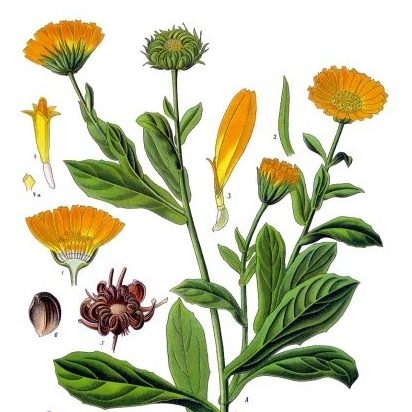

Calendula
Calendula officinalis
Common & Folk Names
- Marigold
- Pot marigold
- English Marigold
- Golds
- Holligold
- Mary Bud
- Mary Gowles
- Summer’s Bride
Plant Family
Asteraceae (formerly Compositae) – The Daisy Family
Geographic Location
Calendula is native to southern Europe and the Mediterranean basin, but is now grown as a common garden annual around the world, including throughout Aotearoa New Zealand. It has naturalised in some temperate regions and is widely cultivated in home gardens, herb plots, and commercially for herbal medicine production.
Habitat
Calendula grows well in sunny locations with well-drained soil. It prefers full sun but can tolerate partial shade. Calendula thrives in cultivated gardens, sunny borders, herb plots, and container gardens. It may self-seed prolifically in favourable conditions, returning year after year in mild climates.
Growing Conditions
Sun: Calendula needs full sun for optimal flowering (6-8 hours direct sunlight daily), though it tolerates partial shade in very hot conditions.
Temperature: Calendula prefers cool to warm temperatures (15°C – 24°C) and is remarkably cold-tolerant, continuing to flower even after light frosts.
Watering: Calendula needs regular watering during establishment and the growing season, but avoid overwatering. Once established, it’s moderately drought-tolerant.
Soil: Calendula prefers well-drained, moderately fertile soil but is highly adaptable and forgiving. It tolerates poor soils and doesn’t require heavy feeding. pH 6.0-7.5 ideal.
Propagation: Calendula is easily grown from seed sown directly in the garden after the last frost risk has passed, or started indoors 4-6 weeks before last frost. Seeds germinate in 7-14 days at 15-20°C.
NZ Growing Notes: Calendula is exceptionally well-suited to New Zealand conditions and grows readily throughout the country. It’s one of the easiest herbs to grow in NZ gardens, thriving in all regions from subtropical Northland to cool Southland. The plant’s cold tolerance means it often flowers through winter in milder NZ regions (Auckland, Bay of Plenty, Northland), providing cheerful colour during the colder months.
NZ Planting Calendar:
- Warm regions (Auckland, Northland, Bay of Plenty):
- Autumn sowing (recommended): March-April produces robust plants that flower through winter and spring
- Spring sowing: September-October for summer flowering
- Harvest period: Year-round in mild winters; peak flowering October-April
- Temperate regions (Wellington, Nelson, Taranaki, Hawke’s Bay):
- Autumn sowing: March-April for winter-spring flowering (plants may slow in coldest months but resume vigorous growth in spring)
- Spring sowing: September-October for summer-autumn flowering
- Harvest period: October-May; may flower sporadically through winter
- Cool regions (Canterbury, Otago, Southland):
- Spring sowing (recommended): September-October after frost risk passes
- Autumn sowing: February-March (earlier than warm regions) – plants establish before winter, flower spring-summer
- Harvest period: November-April; protect from heavy frosts
Special NZ Advantage: Calendula’s ability to flower during NZ winter months (particularly in northern regions) makes it valuable when few other herbs are blooming. Self-seeding is common in NZ gardens—allow some flower heads to mature and drop seeds for next season’s crop.
Harvesting Guidelines
Harvest flower heads when they are fully open and vibrant in colour—petals should be fully extended, and the central disc clearly visible. The best time to harvest is on a sunny, dry day after the morning dew has dried up (typically 9-11am), but before the heat of midday which can cause some volatile oil loss.
Harvesting Technique: Use fingers or scissors to pinch or cut the flower head with 2-3cm of stem attached. Grasp the stem just below the flower head and twist or cut cleanly. For continuous blooming throughout the season, deadhead (harvest flowers) regularly—calendula is remarkably productive and regular harvesting encourages more blooms.
Why Regular Harvesting Matters: Calendula will continue producing flowers as long as you keep harvesting. Plants left to go to seed will stop producing new flowers. In NZ gardens, a small patch of calendula can produce flowers for 6-8 months with regular harvesting.
Leaf Harvest: The leaves can be harvested throughout the growing season, though they are less commonly used medicinally than flowers. Young leaves are less bitter.
Drying: Dry flowers quickly to preserve colour and medicinal constituents. Spread whole flower heads or individual petals in a single layer on screens or clean cloth in a warm (not hot), shaded, well-ventilated location. Ideal drying temperature 30-35°C; avoid exceeding 40°C. Properly dried calendula flowers retain bright orange/yellow colour and pleasant, slightly resinous aroma. Drying takes 3-7 days depending on humidity. Store immediately in airtight containers away from light.
Parts Used
- Flower heads (whole): Most commonly used; contains highest concentration of medicinal compounds
- Petals (ray florets): Often used alone for aesthetic reasons or when specified in traditional preparations
- Leaves: Occasionally used, particularly in European folk medicine; more bitter than flowers
Constituents & their Actions
Calendula’s remarkable wound-healing and anti-inflammatory properties result from synergistic interactions among multiple constituent classes. The flower heads contain a complex array of bioactive compounds working together to promote tissue repair, reduce inflammation, and protect against infection.
Triterpenoid Saponins:
These surface-active compounds (molecules that reduce surface tension, allowing them to interact with cell membranes) have potent anti-inflammatory and wound-healing properties, as well as mild immune-supporting effects. Saponins are named for their soap-like ability to form foams when shaken with water.
Some of the main triterpenoid saponins in calendula are:
- Oleanolic acid glycosides: Complex sugar-bound triterpenes with strong anti-inflammatory activity
- Calendulosides: Unique to calendula; contribute to wound-healing effects
The main actions of triterpenoid saponins are:
- Anti-inflammatory: Reduce swelling and inflammatory responses
- Wound healing (vulnerary): Promote cellular regeneration and new tissue formation
- Mild immune support: Gently enhance immune system responses
Flavonoids:
These polyphenolic compounds (plant molecules with multiple phenol rings) are powerful antioxidants (molecules that protect cells from damage) that reduce the permeability of capillaries (tiny blood vessels), which in turn prevents excessive fluid leakage into tissues and reduces swelling. Additionally, they have anti-inflammatory and antispasmodic (muscle-relaxing) effects.
Some of the main flavonoids in calendula are:
- Quercetin: Potent antioxidant and anti-inflammatory flavonol
- Isorhamnetin: Methylated derivative of quercetin; anti-inflammatory
- Narcissin: Flavonoid glycoside (sugar-bound form)
- Kaempferol: Anti-inflammatory and antimicrobial flavonol
The main actions of these flavonoids are:
- Antioxidant: Neutralise free radicals (unstable molecules that damage cells)
- Anti-inflammatory: Reduce inflammatory responses through multiple pathways
- Antispasmodic: Relax smooth muscle tissue
- Vascular protection: Strengthen capillary walls, reduce bruising and swelling
Carotenoids:
These fat-soluble pigments (responsible for calendula’s vibrant orange colour) are powerful antioxidants that protect cells from oxidative damage (damage caused by unstable molecules and environmental stressors). This makes them particularly important for skin health, repair, and protection from UV radiation damage.
Some of the main carotenoids in calendula are:
- Lutein: Yellow-orange carotenoid; eye and skin health support
- Zeaxanthin: Related to lutein; antioxidant protection
- β-carotene (Beta-Carotene): Orange pigment; vitamin A precursor; skin healing
The main actions of these carotenoids are:
- Antioxidant: Protect skin cells from oxidative damage and premature aging
- Wound healing (vulnerary): Support tissue repair and regeneration
- Photoprotective: Provide mild protection against UV radiation damage
- Anti-inflammatory: Contribute to reduction of skin inflammation
Polysaccharides:
These complex sugar molecules (long chains of simple sugars) enhance immune responses and promote new tissue formation in wounds. They also provide anti-inflammatory effects and create a protective, soothing coating on damaged tissues.
The main actions of polysaccharides are:
- Immunostimulant (immune system support): Enhance immune cell activity and responses
- Wound healing (vulnerary): Stimulate fibroblast activity (cells that produce collagen and new tissue)
- Anti-inflammatory: Modulate inflammatory responses
- Tissue protection: Form protective layer over damaged tissue
Volatile Oils (Essential Oils):
These aromatic compounds (approximately 0.1-0.4% of dried flowers) provide calendula’s characteristic slightly resinous, herbaceous aroma, as well as antimicrobial and anti-inflammatory properties.
Some of the main volatile oil components in calendula are:
- Monoterpenes: Small aromatic molecules; antimicrobial
- Sesquiterpenes: Larger aromatic molecules; anti-inflammatory
The main actions of these volatile oils are:
- Antimicrobial: Inhibit growth of bacteria and fungi
- Anti-inflammatory: Reduce inflammatory responses
- Aromatic: Provide pleasant scent (though calendula is not strongly aromatic compared to lavender or rosemary)
Triterpene Alcohols (Faradiol and Related Compounds):
These triterpene derivatives provide calendula’s main anti-oedema (anti-swelling) action and are among the most important anti-inflammatory constituents. Faradiol in particular has been extensively studied and shows remarkable potency.
Some of the main triterpene alcohols in calendula are:
- Faradiol: Primary anti-inflammatory triterpene alcohol; very well-researched
- Taraxasterol: Related triterpene alcohol with anti-inflammatory properties
The main actions of these triterpene alcohols are:
- Anti-inflammatory: Potent reduction of inflammation through enzyme inhibition
- Anti-oedema (reduces swelling): Prevent and reduce tissue swelling and fluid accumulation
- Wound healing: Support tissue repair processes
Mucilage:
These soluble fibre compounds (complex polysaccharides that form gel-like substances when mixed with water) have a soothing quality and help protect irritated tissues by forming a protective coating over mucous membranes (the moist linings of the digestive tract, mouth, and throat).
The main action of mucilage is:
- Demulcent (soothing): Coats and soothes irritated tissues, protects from further irritation
Additional Constituents:
Essential fatty acids: Support skin health and barrier function
Tannins: Astringent compounds that tone tissues and reduce secretions
Resins: Complex plant compounds with antimicrobial and protective properties
Actions (with Mechanisms)
Wound Healing (vulnerary):
Calendula demonstrates exceptional wound-healing properties through multiple synergistic mechanisms working together to accelerate tissue repair.
Mechanism 1 – Enhanced Tissue Formation:
The polysaccharides in calendula stimulate fibroblast proliferation and activity. Fibroblasts are the cells responsible for producing collagen (the structural protein that forms the “scaffolding” of new tissue) and other extracellular matrix components, which in turn creates the foundation for new tissue formation, which in turn accelerates wound closure and tissue regeneration. Studies show calendula can significantly reduce wound healing time compared to controls.
Mechanism 2 – Cellular Regeneration:
The triterpenoid saponins, particularly oleanolic acid derivatives, promote epithelialisation (the growth of new skin cells to cover a wound). They stimulate keratinocyte (skin cell) migration and proliferation, which in turn causes new cells to move into the wound area and multiply, which in turn creates new skin coverage over the damaged area, which in turn closes the wound and restores the protective skin barrier.
Mechanism 3 – Antioxidant Protection:
The high carotenoid content provides powerful antioxidant protection to healing tissue. During wound healing, there is increased metabolic activity and inflammation, which generates reactive oxygen species (free radicals that can damage cells), which would normally slow healing. The carotenoids neutralise these free radicals, which in turn protects the delicate new tissue from oxidative damage, which in turn allows healing to proceed more rapidly and with better quality tissue formation (less scarring).
Mechanism 4 – Antimicrobial Protection:
The flavonoids and volatile oils provide broad-spectrum antimicrobial protection, preventing wound infection which would significantly delay healing. This antimicrobial action works synergistically with the other healing mechanisms.
Clinical Significance: Multiple clinical trials demonstrate calendula’s effectiveness for promoting healing of surgical wounds, burns, radiation-induced skin injuries, diabetic ulcers, and various other wound types. The combination of mechanisms makes calendula one of the most reliable and well-researched vulnerary herbs.
Anti-inflammatory
Calendula exhibits potent anti-inflammatory activity through multiple, complementary pathways, making it effective for both acute and chronic inflammatory conditions.
Mechanism 1 – Enzyme Inhibition:
The triterpene alcohols, particularly faradiol, inhibit lipoxygenase (LOX) enzymes (enzymes that convert fatty acids into inflammatory chemicals), which in turn reduces the production of leukotrienes (potent inflammatory signalling molecules that cause swelling, pain, and tissue damage, particularly involved in allergic and inflammatory conditions), which in turn decreases inflammatory responses throughout the body. Research shows faradiol is more effective at inhibiting inflammation than indomethacin (a standard pharmaceutical NSAID/non-steroidal anti-inflammatory drug) in some experimental models.
Mechanism 2 – Prostaglandin Reduction:
The flavonoids and triterpenoid saponins inhibit cyclooxygenase (COX) enzymes (particularly COX-2, the inflammatory form), which in turn reduces the synthesis of prostaglandins (hormone-like substances that cause pain, swelling, redness, and heat), which in turn decreases the cardinal signs of inflammation (dolor=pain, tumor=swelling, rubor=redness, calor=heat). They also stabilise cell membranes, which in turn prevents the release of inflammatory mediators, which in turn further reduces inflammatory cascade.
Mechanism 3 – Tissue Soothing:
The mucilage forms a protective coating over inflamed tissues, which in turn shields damaged or irritated mucous membranes from further irritation, which in turn allows healing to proceed whilst reducing pain and discomfort. This is particularly valuable for oral mucositis (painful mouth and throat inflammation), digestive tract inflammation, and inflamed skin conditions.
Clinical Applications: Effective for inflammatory skin conditions (eczema, dermatitis, psoriasis), post-surgical inflammation, radiation-induced inflammation, oral mucositis from chemotherapy, inflammatory bowel conditions, and general inflammatory states.
Antiseptic/Antimicrobial:
Calendula demonstrates broad-spectrum antimicrobial activity against various bacteria, fungi, and some viruses, making it valuable for preventing and treating infections, particularly in wounds and on skin.
Antibacterial Mechanism:
The flavonoids (particularly quercetin and kaempferol) inhibit bacterial growth through multiple actions. They disrupt bacterial cell membranes (the protective outer layer of bacterial cells), which in turn causes loss of membrane integrity and permeability, which in turn leads to leakage of cellular contents (proteins, ions, nutrients), which in turn results in bacterial cell death. Additionally, they interfere with bacterial metabolic processes and enzyme systems, which in turn prevents bacterial reproduction and survival.
The triterpenoid saponins act as surfactants (surface-active agents, similar to soap), which in turn helps break down bacteria’s protective outer layers and biofilms (sticky protective matrices that bacteria create), which in turn makes bacteria more vulnerable to other antimicrobial constituents and the immune system, which in turn enhances overall antimicrobial effectiveness.
Spectrum of Activity: Laboratory studies demonstrate effectiveness against both Gram-positive bacteria (like Staphylococcus aureus including antibiotic-resistant MRSA strains, Streptococcus species) and Gram-negative bacteria (like Escherichia coli, Pseudomonas aeruginosa). This broad-spectrum activity makes calendula useful as a general antimicrobial.
Anti-fungal:
Calendula demonstrates significant antifungal activity, particularly valuable for common fungal skin infections and Candida overgrowth.
Mechanism:
The flavonoids (particularly quercetin and kaempferol) inhibit fungal growth by interfering with fungal cell membrane synthesis. Specifically, they affect the synthesis of ergosterol (a critical component of fungal cell membranes, similar to cholesterol in human cells), which in turn disrupts membrane structure and function, which in turn causes fungal cell membrane to become unstable and permeable, which in turn leads to leakage of cellular contents and fungal cell death. Additionally, some resins in calendula possess antimicrobial properties that contribute to antifungal effects.
Clinical Significance: Effective against Candida species (including Candida albicans, the most common cause of thrush and vaginal yeast infections) and various dermatophytes (skin fungi causing athlete’s foot, ringworm, etc.). Can be used topically for fungal skin infections, thrush, and as part of protocols for systemic Candida overgrowth.
Lymphatic Support (Lymphatic Stimulant):
Calendula gently stimulates the lymphatic system, supporting the body’s natural detoxification and immune processes.
Mechanism:
The combination of saponins and flavonoids stimulates lymph flow (the movement of lymphatic fluid through the lymph vessels), which in turn enhances the drainage of metabolic waste products, cellular debris, inflammatory mediators, and pathogens from tissues (particularly from areas of infection and inflammation), which in turn reduces congestion and swelling in affected tissues, which in turn supports immune system function and tissue healing. The lymphatic system is crucial for removing waste and supporting immune responses—when lymph flow is sluggish, tissues become congested, swollen, and more prone to infection.
Traditional Application: Calendula has long been used in Western herbalism as a lymphatic herb, particularly for swollen lymph nodes, mastitis (breast infection with lymphatic involvement), slow-healing wounds with swelling, and as part of protocols for recurrent infections where lymphatic stagnation may be contributing.
Clinical Use: Often combined with other lymphatic herbs (cleavers, red clover, poke root) for enhanced effect. Particularly valuable when inflammation and infection are present alongside lymphatic congestion.
Antispasmodic (Relieves Muscle Spasms):
Calendula’s flavonoids produce gentle antispasmodic effects, relaxing smooth muscle tissue throughout the body.
Mechanism:
The flavonoids modulate calcium channels in smooth muscle cells (the gates that control calcium entry into muscle cells), which in turn reduces calcium influx into muscle cells, which in turn decreases the calcium available for muscle contraction (calcium is essential for muscle contraction to occur), which in turn causes smooth muscle to relax rather than spasm, which in turn relieves cramping and spasm. This effect is particularly pronounced in the digestive tract and uterus (both rich in smooth muscle).
Additionally, the flavonoids have mild nervine (nerve-calming) properties, which in turn help soothe the nervous system, which in turn reduces neurologically-driven muscle tension and cramping (particularly stress-related digestive cramping), which in turn provides additional relief from spasm symptoms.
Applications: Useful for menstrual cramps (dysmenorrhoea), digestive spasms and cramping, intestinal colic, and stress-related muscle tension. The effect is gentle—not as pronounced as stronger antispasmodic herbs like cramp bark or wild yam, but valuable as part of formulas.
Astringent (Mild Toning Effect):
Calendula possesses mild astringent properties that help tone tissues, reduce excessive secretions, and provide haemostatic (stops bleeding) effects.
Mechanism:
The tannins and other astringent compounds cause proteins in tissue to cross-link and contract, which in turn tightens and tones tissues (particularly epithelial tissues like skin and mucous membranes), which in turn reduces tissue permeability and secretions, which in turn helps stop minor bleeding and weeping from wounds. The mucilage works synergistically by forming a protective layer over damaged areas, which in turn creates a physical barrier that protects the tissue whilst toning occurs, which in turn promotes healing and prevents infection.
Additionally, the astringent action constricts blood vessels (particularly small capillaries), which in turn reduces blood flow to the surface of wounds, which in turn helps stop minor bleeding and reduces oozing from wounds and skin lesions.
Applications: Valuable for weeping wounds, cuts with minor bleeding, weeping eczema or dermatitis, mouth sores with bleeding, and as a gentle tissue toner. The astringency is mild—not as strong as oak bark or witch hazel—making it suitable for sensitive tissues.
Emmenagogue (Promotes Menstruation):
Calendula has traditional use as a gentle emmenagogue, though this action is mild and less prominent than its vulnerary and anti-inflammatory properties.
Mechanism:
The flavonoids improve circulation throughout the body, including to the pelvic organs and reproductive system, which in turn increases blood flow to the uterus, which in turn can help stimulate delayed or scanty menstruation. The mechanism is not fully understood but appears related to improved vascular function and gentle hormonal modulation.
Important Safety Note: This emmenagogue action is the primary reason calendula is contraindicated during pregnancy—it could theoretically stimulate uterine activity. However, the effect is quite mild compared to stronger emmenagogue herbs like pennyroyal or tansy.
Clinical Use: Traditionally used for delayed menstruation (amenorrhoea), scanty periods, and menstrual cramps. More reliable and commonly used for its antispasmodic and anti-inflammatory effects on menstrual cramping than as a strong emmenagogue.
Main Use
Calendula’s primary use is topically as a wound healer (vulnerary) and anti-inflammatory for skin, making it one of the most important and reliable herbs in the herbal first-aid kit. It is an essential remedy for:
Primary Topical Applications:
- Cuts, scrapes, and abrasions: Accelerates healing, prevents infection, reduces scarring
- Slow-healing wounds: Particularly valuable for wounds that are “stuck” and not progressing normally
- Minor burns and sunburn: Soothes pain, reduces inflammation, promotes healing
- Nappy rash (diaper rash): Gentle, safe, and highly effective for inflamed baby skin
- Eczema and dermatitis: Reduces inflammation, itching, and promotes skin healing
- Psoriasis: Anti-inflammatory and skin-soothing effects
- Acne: Antimicrobial and anti-inflammatory properties help infected spots
- Dry, cracked skin: Heals and protects damaged skin
- Fungal skin infections: Antifungal properties for athlete’s foot, ringworm
- Radiation-induced skin damage: Well-researched for preventing and treating radiation burns from cancer treatment
Secondary Internal Uses:
Calendula’s internal use is less common but valuable for:
- Lymphatic support: For swollen lymph nodes, recurrent infections, mastitis
- Digestive tract inflammation: Soothes gastritis, ulcers, inflammatory bowel conditions (the mucilage coats and protects inflamed gut lining)
- Mouth and throat inflammation: Gargle or mouthwash for mouth ulcers, sore throat, gingivitis, oral thrush
- Menstrual support: Gentle relief of menstrual cramps; promotes delayed menstruation
Why Calendula Works So Well Topically:
The combination of wound-healing polysaccharides, anti-inflammatory triterpenes, antimicrobial flavonoids, antioxidant carotenoids, and soothing mucilage creates a complete wound-healing system. Few herbs match calendula’s safety, effectiveness, and versatility for skin conditions.
Preparations
Infused Oil (Most Important Base Preparation):
Fill a clean, dry jar loosely with dried calendula flower heads or petals (fresh flowers contain too much water and may cause the oil to go rancid). Cover completely with carrier oil—olive oil is traditional and excellent; sunflower or sweet almond oil also work well. Cap jar and place in a warm, sunny location (windowsill works well) for 4-6 weeks, shaking daily to redistribute plant material and prevent mould.
After 4-6 weeks, strain through cheesecloth or fine-mesh strainer, squeezing flowers to extract all oil. The finished infused oil should be bright yellow-orange. Bottle in dark glass (amber or cobalt blue) with tight-fitting lid. Store in cool, dark place.
Shelf Life: Properly made calendula oil lasts 1-2 years. Discard if it smells rancid (unpleasant, paint-like odour) or develops mould.
Use: Apply directly to skin for wounds, rashes, dry skin, minor burns, or use as base for salves and creams.
Quick Method (Heat Infusion): Place flowers and oil in double boiler or slow cooker on lowest setting for 4-8 hours. Maintain temperature around 38-60°C—do not allow to simmer or overheat, which damages medicinal properties. Strain and bottle. This method produces usable oil immediately but is less traditional and potentially less potent than solar infusion.
Healing Salve/Balm:
Gently heat 1 cup (250ml) calendula-infused oil in a double boiler or heat-proof container placed in a saucepan of simmering water. Add 30g (approximately 2 tablespoons) beeswax, stirring constantly until beeswax melts completely and combines with oil. Remove from heat.
Optional additions: 10-15 drops lavender essential oil (enhanced antimicrobial and soothing effects), or 1 tablespoon shea butter or cocoa butter (extra skin-nourishing properties).
Quickly pour warm mixture into small tins or jars (4-6 small tins from this recipe). Allow to cool completely without disturbing (1-2 hours). The mixture will solidify as it cools. Cap tins once completely cool.
Consistency Adjustment: For firmer salve, add slightly more beeswax (35-40g). For softer salve, use less beeswax (25-28g) or add a tablespoon of soft oil (coconut, shea butter).
Use: Apply to affected skin 2-4 times daily. Excellent for nappy rash, eczema, dry cracked skin, minor cuts, and general skin protection.
Shelf Life: Properly made salve lasts 12-18 months at room temperature. Beeswax acts as natural preservative.
Tea/Infusion:
1-2 teaspoons (2-4 grams) of dried calendula petals or flower heads per cup (250ml) of boiling water. Pour freshly boiled water over flowers, cover, and steep for 10-15 minutes. Strain.
For internal use: Drink warm, up to 3 times daily. Add honey if desired (calendula tea is mildly bitter). Useful for digestive inflammation, lymphatic support, menstrual cramping.
For external use (wash/compress): Prepare double-strength tea (2-4 teaspoons per cup). Allow to cool to comfortable temperature. Use as:
- Wound wash: Clean minor cuts and scrapes before applying salve
- Skin wash: For acne, fungal infections, inflamed skin conditions
- Gargle: For sore throat, mouth ulcers, gingivitis, oral thrush
- Compress: Soak clean cloth in cooled tea, apply to affected area for 15-20 minutes
- Eye wash: Must be scrupulously sterile—boil water, use sterilised container, strain through sterile cloth or coffee filter. Cool completely. Use as gentle eye bath for conjunctivitis. Discard after 24 hours, make fresh batch. (Note: Many herbalists now discourage eye washes due to contamination risk; consult healthcare provider for eye infections.)
Tincture:
Ratio: 1:5 (1 part dried flowers to 5 parts liquid) in 40-50% alcohol (vodka works well)
Preparation: Pack jar with dried calendula flowers (do not pack too tightly—flowers should move freely). Cover completely with alcohol (flowers must be fully submerged to prevent mould). Cap tightly, label with date and contents. Macerate (steep) for 4-6 weeks in cool, dark location, shaking daily. Strain through cheesecloth, squeezing flowers to extract all liquid. Bottle in dark glass with dropper.
Internal dose: 2-4ml (approximately 40-80 drops), 2-3 times daily, diluted in small amount of water or juice. Take for lymphatic support, digestive inflammation, or menstrual issues.
Topical use: Dilute 1-2 teaspoons tincture in ½ cup (125ml) warm water for use as antiseptic wash for wounds, gargle for sore throat/mouth ulcers, or douche for vaginal infections (ensure proper douching technique and hygiene).
Shelf Life: Properly made alcohol tinctures last 5+ years if stored correctly (cool, dark location, tightly capped).
Fresh Poultice:
Crush or chew fresh calendula flowers and leaves to break down plant cells and release medicinal constituents. Apply directly to the affected area (wound, insect bite, rash). Cover with clean cloth or bandage if needed to hold in place. Leave on for 30-60 minutes. Repeat 2-3 times daily.
Dried Poultice: Rehydrate dried calendula flowers in small amount of hot water for 10 minutes until soft. Mash or crush to create paste. Apply as above.
Traditional Use: Poultices are traditional emergency wound treatment when no other preparations are available. The fresh plant poultice is remarkably effective.
Cream (Advanced Preparation):
Calendula cream requires emulsifying fresh plant material into a water-oil emulsion. This is more complex than salve-making and requires additional ingredients (emulsifying wax, distilled water, preservatives for water-based preparations). Many herbalists purchase commercially-prepared calendula cream or stick with oil-based salves which don’t require preservation.
Commercial Options: High-quality calendula creams are widely available from reputable herbal companies and are excellent alternatives to home preparation for those not comfortable with cream-making.
Dosage
Internal Use:
- Tea (dried flowers): 1-2 grams (approximately 1-2 teaspoons), steeped 10-15 minutes, 2-3 times daily
- Tincture (1:5, 40-50%): 2-4ml (40-80 drops), 2-3 times daily, in water
Topical Use:
- Infused oil: Apply to affected area 2-4 times daily as needed
- Salve/balm: Apply thin layer to affected area 2-4 times daily
- Wash/compress: Use double-strength tea (cooled) to clean wounds or as compress, 2-4 times daily
- Gargle: 2-4 times daily for mouth/throat inflammation
Children:
Calendula is exceptionally safe for children topically and is one of the primary herbs for children’s skin conditions.
Topical use (all ages including infants): Safe for all topical applications—nappy rash, cuts, scrapes, eczema, etc. One of the safest and most effective herbs for baby skin.
Internal use:
- Children 6-12 years: Half adult dose (½-1 teaspoon dried herb for tea, or 1-2ml tincture), 2 times daily
- Children 2-6 years: Quarter adult dose, under supervision
- Infants/toddlers: Generally not given internally; topical use only
Always consult paediatrician before giving herbs internally to children.
Safety & Drug Interactions
General Safety:
Calendula is generally extremely safe for most people when used topically. It has one of the best safety profiles of any medicinal herb with centuries of traditional use and minimal adverse effect reporting. Internal use is also considered safe at recommended doses for most adults.
Asteraceae (Daisy Family) Allergy:
PRIMARY SAFETY CONCERN:
Individuals with documented allergy to other plants in the Asteraceae family—particularly ragweed, chrysanthemums, daisies, chamomile, echinacea—may experience allergic reactions to calendula. Cross-reactivity occurs because these plants share similar allergenic proteins.
Symptoms of allergic reaction:
- Mild: Skin rash, hives, itching at application site
- Moderate: Facial swelling, digestive upset if taken internally
- Severe (rare): Anaphylaxis—difficulty breathing, throat swelling, severe drop in blood pressure (this is extremely rare with calendula but theoretically possible)
Patch Test Recommended:
Before first use, especially if you have Asteraceae allergies or sensitive skin:
- Apply small amount of calendula preparation to inside of forearm
- Cover with bandage
- Wait 24 hours
- Check for redness, itching, swelling, or rash
- If reaction occurs, do not use calendula
- If no reaction, calendula is likely safe for you to use
Important Nuance: While cross-reactivity is possible, calendula is generally well-tolerated even by many individuals with mild ragweed sensitivity. However, those with severe Asteraceae allergies or history of anaphylaxis should avoid calendula entirely.
Pregnancy & Lactation:
Pregnancy: Not advised for internal use during pregnancy due to calendula’s traditional use as an emmenagogue (promotes menstruation) and theoretical concern about uterine stimulation, though evidence of harm is limited. The effect is mild, but out of caution, avoid therapeutic internal doses during pregnancy.
Topical use during pregnancy: Considered safe—calendula salve is excellent for stretch marks, perineal massage before labour, and general skin care during pregnancy.
Breastfeeding: Not enough research to confirm safety of internal use during lactation; avoid therapeutic doses. Topical use is safe and valuable—calendula salve is traditional for sore, cracked nipples from breastfeeding (apply after feeding, wipe clean before next feeding, though small amounts are considered safe if baby ingests).
Recommendation: Limit to topical use during pregnancy. Consult midwife or obstetrician regarding any herbal use during pregnancy.
Drug Interactions:
Sedatives (benzodiazepines, barbiturates):
Calendula may have mild sedative properties and could theoretically enhance the effects of pharmaceutical sedatives. Evidence is weak, but caution advised.
Common NZ sedative medications: clonazepam (Rivotril), diazepam (Valium), zopiclone (Imovane), temazepam. Inform your doctor if using calendula internally while taking these medications.
Blood Pressure Medications:
Calendula may have mild hypotensive (blood pressure-lowering) effects. Monitor blood pressure if taking antihypertensive medications (enalapril, amlodipine, metoprolol, etc.—common in NZ). Clinical significance unclear but monitoring advised.
Diabetes Medications:
Some preliminary research suggests calendula may affect blood sugar. Monitor blood glucose if taking diabetes medications (metformin, insulin, gliclazide, etc.). The interaction risk appears low but requires monitoring.
Contraindications:
- Known severe allergy to Asteraceae family plants (absolute contraindication)
- Pregnancy (internal use contraindicated; topical use safe)
- Scheduled surgery: discontinue internal use 2 weeks before surgery due to theoretical sedative effects
Adverse Effects (Rare):
Adverse effects from calendula are exceptionally rare.
- Allergic reactions: Most significant potential adverse effect (see above)
- Contact dermatitis: Rare; usually only in Asteraceae-sensitive individuals
- Digestive upset: Very rare with internal use; may occur with excessive consumption
Special Populations:
Children: Exceptionally safe topically for all ages including newborns. Internal use safe for children over 2 years with appropriate dose reduction.
Elderly: Safe; no special precautions needed.
Sensitive skin: Generally well-tolerated even by sensitive skin. Perform patch test if concerned.
Scientific Evidence
Wound Healing:
Multiple clinical studies support calendula’s wound-healing properties:
Clinical Trials: Several controlled trials demonstrate calendula accelerates wound healing and reduces wound surface area more effectively than standard controls or placebo. Calendula ointment has been shown effective for diabetic foot ulcers, venous leg ulcers, surgical wounds, and C-section incisions.
Radiation-Induced Skin Damage: Well-researched for preventing and treating radiation dermatitis (skin burns from cancer radiation therapy). Studies show calendula cream significantly reduces severity of radiation-induced skin reactions compared to standard care. This is one of calendula’s best-evidenced uses.
Mechanism Research: Studies confirm calendula stimulates granulation tissue formation, angiogenesis (new blood vessel formation), collagen synthesis, and epithelialisation—all essential wound-healing processes.
Anti-inflammatory:
Laboratory Studies: Extensive in vitro research confirms anti-inflammatory effects. Faradiol (calendula’s primary triterpene alcohol) shows anti-oedema (anti-swelling) effects superior to indomethacin (a standard pharmaceutical NSAID) in some experimental models.
Human Trials: Clinical studies demonstrate reduction in skin inflammation, post-surgical swelling, and oral mucositis (painful mouth inflammation from chemotherapy). Calendula mouthwash reduces severity and pain of chemotherapy-induced mouth sores.
Mechanism: Research confirms calendula inhibits inflammatory enzymes (LOX, COX), reduces inflammatory mediator production (leukotrienes, prostaglandins), and stabilises cell membranes.
Antimicrobial:
Broad-Spectrum Activity: Laboratory studies demonstrate effectiveness against:
- Gram-positive bacteria: Staphylococcus aureus (including MRSA), Streptococcus species, Bacillus subtilis
- Gram-negative bacteria: Escherichia coli, Pseudomonas aeruginosa, Salmonella species
- Fungi: Candida albicans, Candida species, various dermatophytes
Minimum Inhibitory Concentration (MIC): Studies determine the concentrations of calendula extracts needed to inhibit bacterial/fungal growth, confirming clinical relevance.
Antioxidant:
Chemical Assays: Calendula extracts show strong free-radical scavenging activity in standardised antioxidant assays (DPPH, FRAP, ORAC). The high carotenoid and flavonoid content contributes to potent antioxidant capacity.
Internal Use:
Animal Studies: Research in animal models supports anti-ulcer effects (protection of stomach lining), hepatoprotective effects (liver protection), and anti-inflammatory effects in digestive tract.
Human Trials: Limited but growing. Small studies support use for oral health (gingivitis, mouth ulcers) and digestive inflammation. More research needed for internal applications.
Evidence Limitations:
Most research is:
- In vitro (cell culture) or animal studies rather than large-scale human trials
- Focused on topical applications rather than internal use
- Small-scale studies rather than large randomized controlled trials
However: The consistency of findings across study types, combined with extensive traditional use and excellent safety profile, provides strong confidence in calendula’s efficacy, particularly for topical wound healing and anti-inflammatory applications. Calendula is one of the better-researched medicinal herbs overall.
Western Energetics
Temperature:
Cooling: Calendula has a cooling energetic quality, making it indicated for “hot” conditions characterised by inflammation, redness, infection, and heat. It clears heat from the skin, mucous membranes, and tissues. The bright orange colour (according to doctrine of signatures, an ancient system linking plant appearance to therapeutic uses) paradoxically signals its cooling, anti-inflammatory properties—it cools the “fire” of inflammation.
Appropriate for: Red, hot, inflamed skin conditions; infections with heat signs (redness, pain, swelling); inflammatory conditions of any tissue; fever-related conditions.
Moisture:
Drying: Calendula’s astringent and antiseptic properties help resolve “damp” conditions—weeping, oozing, or exudative states characterised by excessive fluid, secretions, or discharge. The astringent tannins tone and tighten tissues, reducing excessive secretions and fluid leakage.
Appropriate for: Weeping wounds and ulcers; infected sores with pus or discharge; oily, congested skin; excessive menstrual bleeding; damp inflammatory conditions; conditions with excess mucus or secretions.
Less appropriate for: Very dry skin or wounds (though the oil-based preparations add moisture); very dry tissue states.
Tissue State:
Primarily indicated for:
- Heat/Excitation: Acute inflammation with redness, heat, pain, and swelling—calendula cools and calms inflamed tissues
- Damp/Stagnation: Wounds that won’t heal, weeping sores, lymphatic congestion, infections with discharge—calendula resolves dampness and moves stagnation
- Atrophy (with inflammation): Damaged, broken-down tissue that needs regeneration—calendula’s vulnerary properties rebuild tissue
Tissue State Application: Calendula is particularly suited for conditions showing both heat (inflammation, redness, infection) and dampness (weeping, oozing, discharge, swelling)—the classic “damp heat” pattern. It simultaneously cools the heat and dries the dampness whilst promoting tissue regeneration.
Taste
Bitter (Primary):
The dominant taste, particularly noticeable when fresh flowers or leaves are chewed or when drinking calendula tea. Bitterness indicates calendula’s cooling, anti-inflammatory, and lymphatic-moving actions. The bitter quality stimulates digestive secretions, supports liver function, clears heat, and has a tonic effect on the lymphatic system. Calendula’s bitterness is moderate—not intensely bitter like gentian or dandelion root, but distinctly present.
Pungent (Secondary):
A slightly spicy, resinous, or aromatic quality, most evident in the fresh flowers. This subtle pungency suggests calendula’s antimicrobial and circulatory-stimulating properties. The pungent quality is dispersing and moving—it helps move lymph, stimulate circulation, and disperse stagnation. The pungency is mild—not intensely warming or pungent like ginger or cayenne.
Slightly Salty (Subtle):
A very subtle salty undertone, which in traditional energetics indicates lymphatic affinity and ability to resolve tissue hardness and swelling.
Overall Taste Profile: The bitter-pungent combination reflects calendula’s dual cooling-anti-inflammatory (bitter) and antimicrobial-moving (pungent) actions. The taste is not particularly pleasant, which is why calendula is primarily used topically rather than as a beverage tea. When taken internally, it’s often combined with more palatable herbs or honey to improve taste.
Plant Lore
The name “Calendula” is derived from the Latin calendae, meaning “little calendar” or “little clock,” because the Romans observed it blooming on the first day (calends) of every month throughout the year in the mild Mediterranean climate. This perpetual flowering gave rise to the plant’s association with constancy, endurance, and the passage of time.
In the Victorian Language of Flowers, calendula (called marigold in this tradition) symbolised grief, despair, or sorrow when given in bouquets, though it also represented joy, remembrance, and constancy—showing the flower’s complex symbolic associations. A pot of calendula on the doorstep could signal various messages depending on context.
Ancient Greek and Roman Use: Both cultures valued calendula for culinary and medicinal purposes. The Romans used calendula petals to add colour and flavour to soups, stews, and salads—giving rise to the name “pot marigold” (the pot referring to cooking pots, not flower pots). They also used the flowers medicinally for wounds and inflammation.
European Folk Magic and Protection: In medieval and early modern European folk traditions, calendula held protective and magical properties. It was strewn under beds to ward off evil spirits and provide protection during sleep. The flowers were used in love spells and divination rituals. Calendula was included in dishes to “comfort the heart and spirits”—both literal (as food) and symbolic (for emotional wellbeing).
Solar Associations: The bright orange-gold colour and sun-following behaviour (heliotropic—flowers turn to follow the sun across the sky) linked calendula to solar deities and sun magic. In folklore, calendula symbolised the sun’s power, vitality, and life-giving properties. It was believed to ward off evil spirits and promote good fortune, both associated with solar symbolism.
Religious Symbolism: In Christian tradition, calendula became associated with the Virgin Mary—hence folk names “Mary Bud” and “Mary Gowles.” The golden flowers were used to decorate Mary’s altars and shrines. Some folklore claimed the flowers opened at the times of day associated with prayers to Mary.
Wound Healing Reputation: Throughout European herbal medicine history, calendula maintained consistent reputation as wound healer. Medieval herbalists recommended it for cuts, inflammation, and skin ailments. This traditional use aligns remarkably well with modern scientific research confirming wound-healing properties.
Interesting Historical Note: During the American Civil War, doctors used calendula flowers to treat wounds when conventional medicines were unavailable. This emergency use during wartime reinforced calendula’s reputation as reliable wound healer.
Additional Information
Important Distinction – Calendula vs. Tagetes (African/French Marigold):
CRITICAL: Calendula (Calendula officinalis) and Tagetes species (African marigold Tagetes erecta, French marigold Tagetes patula) are completely different plants in different genera, despite both being called “marigold.” They have different appearances, chemistry, and uses.
Calendula officinalis (Pot Marigold/English Marigold):
- Orange or yellow daisy-like flowers
- Edible flowers (petals used in salads, cooking)
- Extensively used medicinally for wound healing and skin conditions
- Mild, slightly resinous scent
- The subject of this monograph
Tagetes species (African/French Marigold):
- Pom-pom or carnation-like flowers in orange, yellow, red
- Strong, pungent, somewhat unpleasant scent
- NOT typically used medicinally in Western herbalism (though some traditional Mexican use exists)
- Primarily ornamental; companion plant for pest deterrent
- NOT interchangeable with calendula
Why This Matters: Garden centres often sell Tagetes labelled simply as “marigold.” For medicinal purposes, you must specifically obtain Calendula officinalis. When purchasing seeds or plants, verify the botanical name. The two plants are not interchangeable—Tagetes does not have calendula’s wound-healing properties.
Availability in New Zealand:
Fresh Flowers: Easy to grow yourself (see growing section). Not commonly sold fresh in shops but some farmers’ markets and organic produce suppliers occasionally stock fresh calendula flowers.
Seeds: Widely available at all NZ garden centres (Kings Seeds—NZ based, Yates, Mr. Fothergill’s, Egmont Seeds, Koanga Institute for heirloom varieties). Very easy to grow—excellent plant for beginning gardeners and children’s gardens.
Dried Flowers (bulk): Health food stores and herbal suppliers including Cottage Hill Herbs (Christchurch), Herbshop (online), Go Native (NZ suppliers), Commonsense Organics, Huckleberry Farms. Also available from international suppliers.
Prepared Products:
- Calendula cream/ointment: Widely available in NZ pharmacies, health stores, supermarkets.
- Calendula tincture: Less common but available from herbal dispensaries and some health stores.
- Calendula oil (infused): Some health stores stock pre-made calendula oil, though making your own is economical and ensures quality.
Growing Your Own: The most economical and rewarding option. One packet of seeds produces abundant flowers for home use. Calendula is remarkably productive—a small patch provides flowers for months.
Storage:
Fresh Flowers: Use immediately for best potency, or dry for storage. Fresh flowers don’t store well.
Dried Flowers:
- Store in airtight glass jars with tight-fitting lids in cool, dark location (cupboard away from stove and direct light)
- Properly stored dried calendula retains bright orange/yellow colour and pleasant resinous aroma for 12-18 months
- Discard if colour fades to brown/gray, aroma disappears, or flowers smell musty (indicates degraded quality or mould)
- Avoid plastic containers which don’t preserve quality as well as glass
Infused Oil:
- Store in dark glass bottles (amber or cobalt blue ideal) with tight lids
- Keep in cool location away from heat and direct light
- Properly made and stored calendula oil lasts 1-2 years
- Discard if oil develops rancid odour (paint-like, unpleasant smell) or visible mould
Salves/Creams:
- Store at room temperature in clean containers with tight lids
- Beeswax-based salves last 12-18 months; water-based creams require preservatives and have shorter shelf life (check product labels)
- Keep away from heat sources
Tinctures:
- Store in dark glass with tight lids
- Alcohol tinctures last 5+ years if properly stored
Combining with Other Herbs:
Calendula combines beautifully with other vulnerary, anti-inflammatory, and skin-healing herbs:
For Enhanced Wound Healing:
- Comfrey: Synergistic wound healing (comfrey promotes cell proliferation, calendula adds antimicrobial protection). Use topically only for comfrey; avoid internal use.
- Plantain: Combined vulnerary and antimicrobial effects; excellent wound-healing blend
- St. John’s Wort (topical oil): For nerve-damaged tissue, deep wounds, burns with nerve involvement
- Lavender: Enhanced antimicrobial effects, pleasant scent, additional skin healing
For Anti-inflammatory Skin Conditions:
- Chickweed: Soothing for itchy, inflamed skin conditions like eczema
- Chamomile: Additional anti-inflammatory and skin-soothing effects
- Aloe vera: Enhanced soothing for burns and inflamed skin
For Antimicrobial/Antifungal:
- Thyme: Enhanced antimicrobial effects for infected wounds
- Tea tree (essential oil, external only): Strong antifungal for fungal skin infections
- Garlic (internal): Systemic antimicrobial support
For Lymphatic Support (internal):
- Cleavers: Enhanced lymphatic drainage and gentle cleansing
- Red clover: Lymphatic support and gentle blood cleansing
- Echinacea: Immune stimulation combined with lymphatic movement
Salve Blends:
Classic “healing salve” formula: Equal parts calendula, plantain, and comfrey infused oils combined with beeswax. This is one of the most effective wound-healing preparations in Western herbalism.
Carotenoid Content & Lutein:
Calendula’s vibrant orange colour comes from exceptionally high carotenoid content, particularly lutein. Lutein is a yellow-orange pigment essential for eye health (concentrated in the macula of the eye where it protects against blue light damage and age-related macular degeneration). While lutein is better absorbed from dietary sources than from calendula tea, the bright petals can be added to salads, soups, and dishes as both natural food colouring and nutritional enhancement.
Culinary Use: Calendula petals are edible and have long culinary history. They add mild, slightly bitter flavour and beautiful colour to salads, rice dishes, soups, and baked goods. Sometimes called “poor man’s saffron” for the golden colour they impart to foods. Use only organically grown, pesticide-free calendula for culinary purposes.
Companion Planting:
Calendula is valued in permaculture and organic gardening as companion plant. It is believed to deter various garden pests (aphids, whiteflies, asparagus beetles) and attract beneficial insects (ladybirds, hoverflies, parasitic wasps that control pest populations). Plant calendula throughout vegetable gardens and near susceptible crops (tomatoes, cabbage, beans). Whether pest-deterrent claims are scientifically validated or primarily observational folk wisdom remains debated, but calendula undeniably attracts pollinators and beneficial insects.
Quality Indicators:
Fresh Flowers:
- Vibrant orange or yellow colour (deeper orange generally indicates higher medicinal potency)
- Flowers fully open, petals undamaged
- Pleasant, slightly resinous aroma
- No wilting, browning, or pest damage
Dried Flowers:
- Retains bright orange/yellow colour (should not be brown or faded)
- Intact flower heads or petals (excessive powder indicates old, degraded herb)
- Pleasant aromatic fragrance (not musty or absent)
- No visible mould, insects, or foreign material
Commercial Products:
- Reputable brand with good manufacturing practices (GMP)
- Clear labelling with botanical name (Calendula officinalis)
- Organic certification preferred (reduces pesticide exposure)
- Appropriate packaging (dark glass for oils/tinctures, opaque containers for dried herb)
Historical Medical Recognition:
Calendula is officially recognised in various pharmacopoeia and medical systems:
- British Herbal Pharmacopoeia
- European Pharmacopoeia
- German Commission E (approved for wound healing and inflammation)
- WHO (World Health Organization) monographs
This official recognition reflects calendula’s status as evidence-based medicine, not just folk remedy.
Sources
- European Medicines Agency, Committee on Herbal Medicinal Products (HMPC). (2015). European Union herbal monograph on Calendula officinalis L., flos. EMA/HMPC/281154/2013.
- Kodiyan, J., Amber, K. T., & Gao, X. (2015). A review of the use of topical calendula in the prevention and treatment of radiation-induced skin injuries. Antioxidants, 4(2), 293-303. https://doi.org/10.3390/antiox4020293
- Parente, L. M. L., et al. (2012). Angiogenic activity of Calendula officinalis flowers. Planta Medica, 78(11), 1115-1115.
- Della Loggia, R., et al. (1994). The role of triterpenoids in the topical anti-inflammatory activity of Calendula officinalis flowers. Planta Medica, 60(6), 516-520.
- Bone, K., & Mills, S. (2013). Principles and practice of phytotherapy: Modern herbal medicine (2nd ed.). Churchill Livingstone.
- Mills, S., & Bone, K. (2005). The essential guide to herbal safety. Churchill Livingstone.
- Chevallier, A. (1996). The encyclopedia of medicinal plants. DK Publishing.
- Hoffmann, D. (2003). Medical herbalism: The science and practice of herbal medicine. Healing Arts Press.
- Barnes, J., Anderson, L. A., & Phillipson, J. D. (2007). Herbal medicines (3rd ed.). Pharmaceutical Press.
- Edwards, S. E., da Costa Rocha, I., Williamson, E. M., & Heinrich, M. (2015). Phytopharmacy: An evidence-based guide to herbal medicinal products. John Wiley & Sons.
- Williamson, E. M., Driver, S., & Baxter, K. (Eds.). (2013). Stockley’s herbal medicines interactions. Pharmaceutical Press.
- Grieve, M. (1931). A modern herbal. Jonathan Cape.
- van Wyk, B.-E., & Wink, M. (2017). Medicinal plants of the world (2nd ed.). CABI.
Disclaimer: This monograph is for educational purposes only and is not medical advice. Please consult with a qualified healthcare practitioner before using any herbal remedy, especially if you are pregnant, nursing, taking medication, or have a known medical condition.
 The Public Herbarium